
The global food industry is witnessing a remarkable transformation, and at its heart lies a simple yet powerful concept: bringing restaurant-quality Chinese cuisine into homes and commercial kitchens with minimal effort. Ready-to-cook Chinese meals have emerged as more than just a convenience trend—they represent a billion-dollar revolution reshaping how people around the world experience authentic Chinese flavors. From busy urban professionals in New York to restaurant operators in London, these innovative meal solutions are bridging the gap between culinary tradition and modern lifestyle demands.
At Jade Premium, we’ve observed this shift firsthand as international food importers, retail chain buyers, and food service operators increasingly seek authentic Chinese meal solutions that deliver both quality and convenience. This growing demand reflects a broader change in how global consumers approach food: they want authenticity without complexity, tradition without time investment, and restaurant-quality results without professional culinary skills.
Diverse Formats Meeting Different Market Needs
The ready-to-cook Chinese meal segment encompasses a fascinating variety of formats, each designed to serve specific operational needs and consumer preferences. Fully prepared meal kits arrive with pre-portioned ingredients, authentic sauces, and step-by-step instructions that guide even novice cooks through creating dishes like Kung Pao chicken or Mapo tofu. These kits remove the intimidation factor from Chinese cooking while preserving the joy of preparation.
Flash-frozen entrees represent another powerful format, particularly valuable for food service operators. These products undergo rapid freezing immediately after preparation, locking in freshness, flavor, and nutritional value. A restaurant in Berlin can serve authentic Sichuan twice-cooked pork that tastes remarkably close to what you’d find in Chengdu, simply by following proper reheating protocols. The consistency is remarkable—each serving maintains the same flavor profile, portion size, and presentation quality.
For international food importers and distributors, these formats offer compelling operational advantages. Labor costs drop significantly when kitchen staff can focus on plating and service rather than complex preparation. A hotel breakfast buffet can offer authentic Chinese congee without requiring specialized cooking knowledge. A catering company can confidently bid on events featuring Chinese cuisine, knowing they can deliver consistent quality regardless of which team member handles preparation.
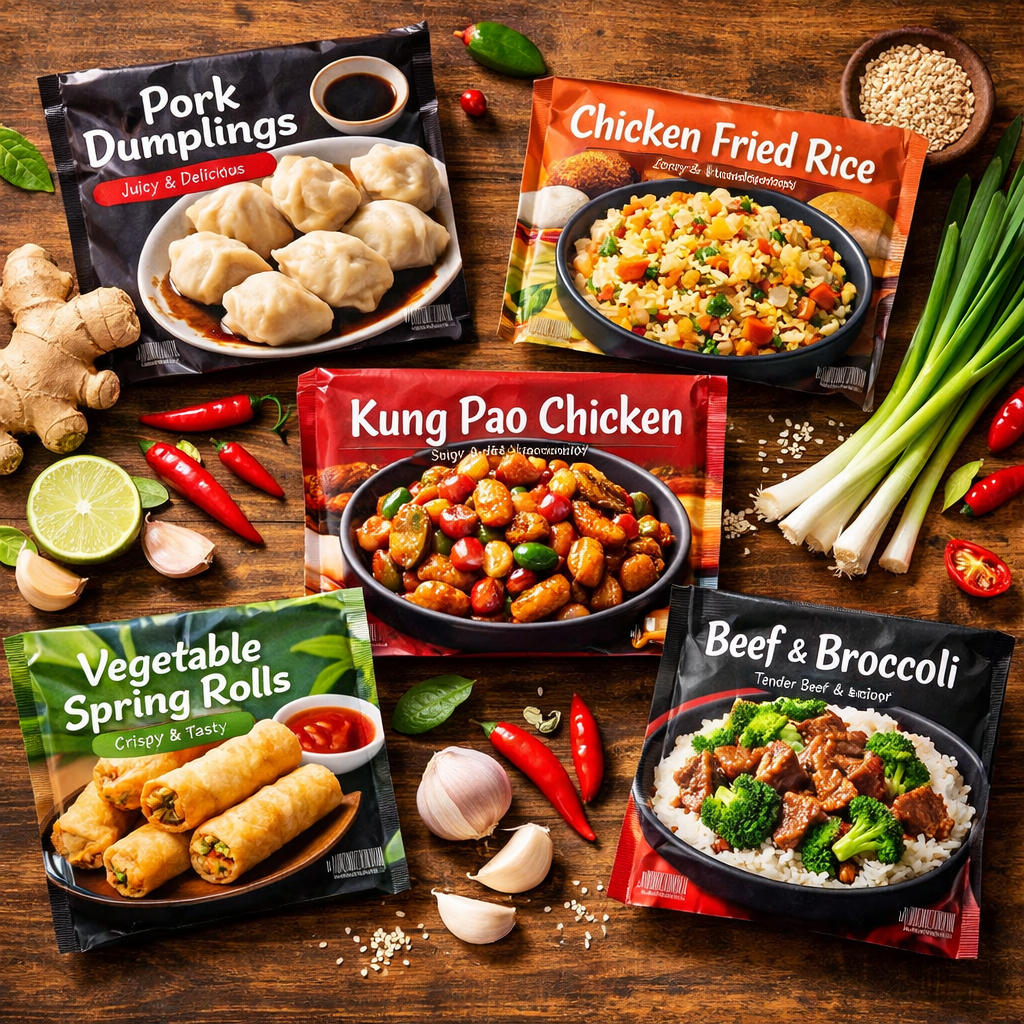
Retail chain buyers particularly appreciate the shelf appeal and turnover potential of these products. Modern packaging technologies extend shelf life while maintaining food safety standards required across different international markets. Consumers scanning frozen food aisles now find authentic Chinese dumplings, spring rolls, and complete stir-fry meals alongside traditional Western convenience options, expanding their culinary repertoire without additional shopping trips to specialty stores.
The quality control benefits cannot be overstated. When a food service operator sources ready-to-cook Chinese meals from established suppliers like Jade Premium, they’re accessing products manufactured under strict quality protocols, with consistent ingredient sourcing and standardized production methods. This reliability eliminates the variability that can plague restaurant kitchens attempting to source individual ingredients and replicate complex recipes.
Market Dynamics Driving Unprecedented Growth
The ready-to-cook Chinese meals market is exploding across multiple regions simultaneously.
China’s prepared foods market has been growing rapidly in recent years, with some industry reports indicating double-digit annual growth and projections for continued expansion through 2026, although specific growth rates vary by source and analytical methodology. Some industry analyses project that China’s broader ready-to-eat/prepared meals market could surpass estimates in the hundreds of billions of yuan by 2025, although definitions and scope vary significantly between sources.
What’s driving this explosive growth? The pandemic permanently altered how people think about home cooking and food preparation. Lockdowns forced consumers worldwide to expand their home cooking repertoire, but they also created lasting appreciation for convenient meal solutions that don’t sacrifice quality. People discovered they could enjoy restaurant-caliber dishes at home without spending hours in the kitchen or mastering complex techniques.
Urbanization plays an equally critical role, particularly in Asian markets but increasingly worldwide. In China’s major cities, young professionals work longer hours and live in smaller spaces with minimal kitchen equipment. Ready-to-cook meals perfectly suit their lifestyles—providing authentic, satisfying dinners without requiring extensive cooking facilities or time. This urban lifestyle pattern has spread globally, creating parallel demand in cities from Singapore to San Francisco.
According to industry market trend reports, the global ready-meal market is expected to reach approximately USD 428.8 billion by 2025, with Asian cuisine representing one of the fastest-growing segments. Industry estimates indicate the global Asian food market (inclusive of key packaged product segments) is projected to grow at a CAGR of approximately 7.8% by 2032, fueled by rising curiosity for international flavors and increased accessibility through mainstream retail channels. These aren’t niche products anymore—they’re becoming staples in mainstream grocery stores across Europe, North America, and the Middle East.
International trading companies have taken notice of these projections. The opportunity lies not just in the products themselves but in facilitating the complex supply chains that bring authentic Chinese meals to global markets. Success requires understanding both the production capabilities in China and the regulatory requirements, taste preferences, and distribution networks in target markets. This is precisely where companies like Jade Premium create value—serving as that crucial bridge between Chinese manufacturers and international buyers.
The pandemic also accelerated food delivery services globally, and these platforms have become important distribution channels for ready-to-cook meals. Consumers ordering through delivery apps now expect diverse cuisine options, including authentic Chinese dishes. This channel expansion has introduced ready-to-cook Chinese meals to consumers who might never have ventured into specialty grocery stores, dramatically expanding the addressable market.
Success Stories and Market Leaders
Several companies have successfully navigated the ready-to-cook Chinese meals space, offering valuable lessons for businesses entering or expanding in this market. Nestlé S.A., General Mills, Tyson Foods, and ConAgra Brands lead globally in the broader convenience food sector, while specialized players focus specifically on Asian cuisine excellence.
What makes these offerings successful? The best products strike a careful balance between authenticity and adaptation. A ready-to-cook Cantonese roast duck meal sold in Amsterdam might feature slightly less fat than the Hong Kong version to suit local preferences, but it maintains the essential flavor profile that defines the dish. The five-spice seasoning, the crispy skin texture, the accompanying plum sauce—these authentic elements remain intact even as portion sizes or cooking methods adjust for international kitchens.
Some market reports estimate the frozen ready-to-eat Chinese pastries segment at around 9.32 billion (currency unspecified) in 2025 with a projected high CAGR through 2033, though reported figures and geographic scope vary between sources. Companies succeeding in this segment have mastered the technical challenge of freezing delicate pastries like char siu bao or egg tarts while preserving their texture and flavor. When properly reheated, these products deliver experiences remarkably close to fresh-made versions from dim sum restaurants.
Premium Asian packaged foods are experiencing particularly robust growth, with consumers demonstrating willingness to pay more for quality and authenticity. This premiumization trend benefits suppliers who invest in superior ingredients, traditional preparation methods, and attractive packaging that communicates quality. A retail buyer stocking these premium options often finds they drive higher margins despite slower turnover compared to budget alternatives.
Successful ready-to-cook offerings also address practical considerations like nutritional transparency and clear labeling. International consumers increasingly scrutinize ingredient lists, seeking products without artificial preservatives or excessive sodium. The most successful Chinese meal products meet these expectations while maintaining authentic flavors—a technical achievement requiring sophisticated food science and quality ingredient sourcing.
Regional adaptation examples abound. Ready-to-cook hot pot kits sold in Europe often include milder broth bases compared to Chongqing versions, with separate spice packets allowing consumers to adjust heat levels. Dumpling products might offer pan-frying instructions as the primary method in markets where steaming equipment is uncommon. These adaptations respect cultural preferences without compromising the essential character of the dishes.
At Jade Premium, we’ve observed how successful products tell their stories effectively. Packaging that explains a dish’s cultural significance, suggests serving occasions, or shares cooking tips creates emotional connections beyond mere convenience. When consumers understand they’re preparing a traditional festival dish or a regional specialty, the eating experience becomes richer and more memorable.
Navigating Challenges and Implementation Strategies
Despite the tremendous opportunities, businesses entering the ready-to-cook Chinese meals market face real challenges that require strategic planning and expert partnerships. The foremost challenge involves maintaining authentic taste while meeting international food safety standards and regulatory requirements. A traditional Sichuan fish fragrant eggplant dish might traditionally include ingredients that require special import permits or face restrictions in certain markets. Reformulating while preserving authentic flavor demands deep understanding of both Chinese culinary traditions and international regulations.
Cost-effectiveness presents another complex challenge. Ready-to-cook meals must be priced competitively against both home-cooked meals and restaurant dining options. This requires efficient supply chains, optimized production processes, and sometimes creative ingredient substitutions that maintain quality while managing costs. Jade Premium’s extensive network across China’s major food production centers allows us to identify suppliers offering the best balance of quality, authenticity, and commercial viability.
For international food importers considering entering this market, several implementation strategies prove particularly effective. First, start with products that have already demonstrated cross-cultural appeal. Dumplings, spring rolls, and fried rice variations typically face fewer cultural barriers than more specialized regional dishes. Once distribution channels are established and consumer trust built, gradually introduce more adventurous offerings.
Food service operators benefit from piloting ready-to-cook Chinese meals in limited menu applications before full integration. A hotel might introduce authentic congee at breakfast buffets, gauging guest response before expanding to dim sum offerings or regional specialties. This measured approach allows staff training, supply chain refinement, and customer education to proceed in manageable stages.
Retail chain buyers should consider demographic targeting when selecting products. Urban areas with significant Asian populations often embrace more authentic, regionally specific offerings, while suburban locations might perform better with widely recognized dishes adapted for mainstream palates. Placement within stores matters too—premium products positioned in specialty frozen sections often attract different consumers than those placed alongside traditional convenience meals.
Partnering with trusted suppliers who understand both source and destination markets dramatically reduces risk and complexity. At Jade Premium, our role extends beyond simple product sourcing. We provide supplier qualification verification, ensuring manufacturing facilities meet international standards. We offer product compliance transformation services, helping Chinese manufacturers adapt products to meet destination market requirements. Our logistics optimization capabilities address the complex cold chain management essential for frozen and refrigerated products.
Quality control throughout the supply chain cannot be compromised. Ready-to-cook meals depend on consistent ingredient quality, proper freezing and storage, and appropriate packaging to maintain integrity during international shipping. Our end-to-end quality control processes monitor products from production facility inspection through final delivery, protecting buyers from costly quality issues that damage consumer trust and brand reputation.
Cultural consultation adds another valuable layer of support. Understanding which dishes translate well across cultures, how to adapt packaging and marketing materials for different markets, and what cooking instructions work for typical consumer kitchen setups in various regions—these insights prevent costly missteps. Jade Premium’s deep cultural and market expertise bridges Eastern and Western culinary worlds effectively, identifying authentic products with genuine global appeal.
The Future of Ready-to-Cook Chinese Cuisine
Looking ahead, the ready-to-cook Chinese meals market shows every sign of continued robust growth and innovation. Technological advances in food processing, packaging, and distribution will enable increasingly sophisticated products that more closely replicate fresh-cooked experiences. Imagine vacuum-sealed Peking duck that crisps perfectly in a home oven, or soup dumplings with broth that remains liquid through freezing and reheating—these innovations are already in development.
Personalization represents another frontier. As e-commerce and direct-to-consumer channels mature, companies will offer customizable meal kits where consumers select spice levels, portion sizes, or ingredient variations. Dietary considerations like vegetarian, halal, or allergen-free adaptations will become standard rather than niche offerings, expanding addressable markets significantly.
Sustainability concerns will increasingly influence product development and consumer choices. Ready-to-cook meals that reduce food waste through precise portioning, use environmentally responsible packaging, and source ingredients from sustainable suppliers will gain competitive advantages. Chinese food exporters who proactively address these concerns will find more receptive international markets.
The premiumization trend will likely intensify, creating opportunities for high-end ready-to-cook products featuring rare ingredients, artisanal production methods, or celebrity chef collaborations. These premium offerings command higher margins and attract affluent consumers seeking restaurant-quality experiences at home. The frozen ready-to-eat Chinese pastries market’s projected 13.29% CAGR through 2033 suggests strong consumer willingness to pay for quality and convenience combined.
Regional Chinese cuisines currently underrepresented in international markets will gain prominence. As consumers become more sophisticated about Chinese food’s regional diversity, demand will grow for authentic Yunnan, Hakka, or Dongbei specialties beyond the familiar Cantonese and Sichuan offerings. This diversification benefits Chinese exporters by expanding the range of products with international potential.
Cross-cultural fusion products will emerge, blending Chinese cooking techniques or flavors with local ingredients or dietary preferences. These hybrid offerings can introduce Chinese cuisine elements to consumers not yet ready for fully traditional dishes while satisfying adventurous eaters seeking novel flavor combinations.
At Jade Premium, we view the ready-to-cook Chinese meals revolution as perfectly aligned with our core mission: bringing authentic Chinese cuisine to global tables while promoting mutually beneficial international food trade partnerships. This market’s growth demonstrates how modern convenience and traditional culinary excellence can coexist and complement each other. As international consumers increasingly appreciate Chinese cuisine’s depth, diversity, and deliciousness, we’re proud to serve as the bridge connecting premium Chinese food producers with global markets.
The billion-dollar convenience revolution transforming global kitchens isn’t just about saving time or simplifying cooking—it’s about making authentic Chinese culinary traditions accessible to everyone, everywhere. Whether you’re an international food importer seeking reliable suppliers, a retail buyer evaluating new product lines, or a food service operator expanding menu offerings, the ready-to-cook Chinese meals segment offers tremendous opportunities. Success requires understanding both the products and the complex international supply chains that bring them to market—precisely where partnerships with experienced trade facilitators like Jade Premium create lasting competitive advantages.
The future of global food trade lies in these connections between authentic production and international demand, between cultural tradition and modern convenience, between East and West. Ready-to-cook Chinese meals represent this future today, and the revolution is just beginning.