
Remember when the “international” section of your grocery store was just a lonely shelf tucked between the cereal and pet food? Those days are over. Today, ethnic food product categories have exploded across supermarket aisles like a flavor bomb you never saw coming—and honestly, your taste buds are here for it.
Walk into any modern supermarket, and you’ll notice something different. There’s kimchi next to the coleslaw. Sriracha sits proudly beside ketchup. Your local grocery store has basically become a passport-free world tour, and you don’t even need to change out of your sweatpants. The ethnic food aisle isn’t just growing—it’s staging a full-blown takeover of how we shop, eat, and think about food.
The Art of Global Grocery Geography
Here’s where it gets interesting. International retailers have become expert cartographers, mapping out these exotic territories with the precision of a treasure hunt. Walk down any well-organized ethnic food section, and you’ll see it’s not random chaos—there’s method to this multicultural madness.
Asian spices whisper “adventure” from their neatly arranged rows. You’ve got your Chinese five-spice promising to elevate your weeknight stir-fry game, Japanese miso paste ready to transform your soup routine, and Thai curry pastes that basically scream “you can cook restaurant-quality pad Thai at home, really!” Meanwhile, over in the Latin American section, salsas and hot sauces aren’t just sitting there—they’re practically throwing a fiesta, complete with bold labels that make you want to grab everything and figure out what to do with it later.
According to a 2025 ethnic foods market analysis by Mordor Intelligence, Chinese food alone commands an 18.22% market share in the ethnic food market in 2024, while Korean cuisine is projected to grow at a whopping 10.67% compound annual growth rate through 2030. That’s not just growth—that’s your neighbors developing serious gochujang habits.
Retailers are getting smarter about placement too. Some stores integrate ethnic ingredients right into their standard categories. You’ll find Thai coconut milk hanging out with regular canned milk, Indian ghee chilling in the butter section, and Japanese panko breadcrumbs making friends with Italian breadcrumbs. It’s like the United Nations of ingredients decided to have a mixer, and everyone’s getting along beautifully.
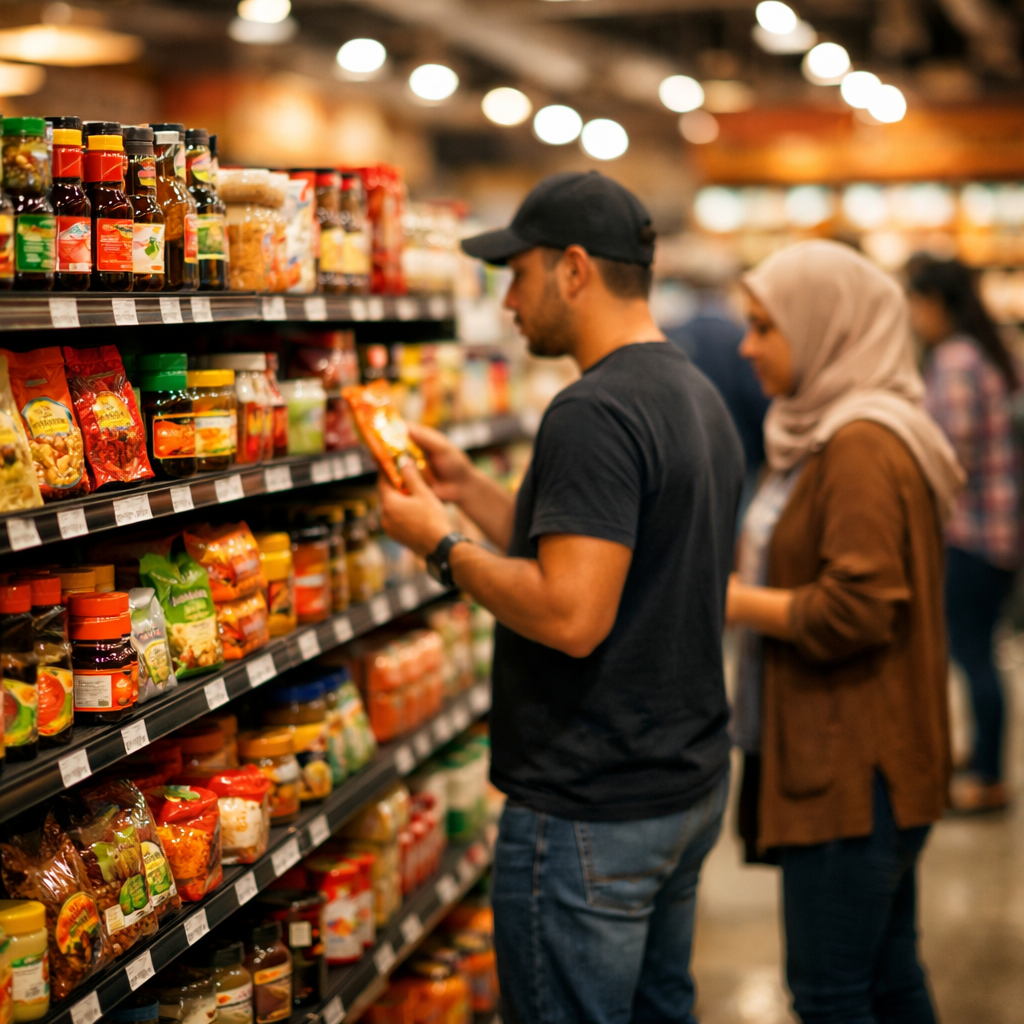
Are You in the “Ethnic Aisle” or Just Shopping?
Let’s talk about the elephant in the room—or should I say, the dumpling in the aisle? The whole concept of an “ethnic food section” is getting fuzzy, and that’s actually a good thing. Industry experts now recommend that retailers segment sets by region or cuisine rather than slapping an “ethnic” label on everything that isn’t mac and cheese.
Smart retailers are ensuring that authentic brands sit alongside mainstream ones, creating a shopping experience that feels inclusive rather than segregated. Because here’s the thing: when someone’s looking for soy sauce, they don’t necessarily want to trek to a separate corner of the store like they’re embarking on an expedition. They want it where they’d naturally reach for it.
This shift reflects a deeper understanding of cultural authenticity and respect for culinary traditions. The best retailers recognize that these aren’t “exotic” foods—they’re everyday staples for millions of people. A Filipino shopper shouldn’t have to hunt for adobo sauce like it’s a rare archaeological find. It should be right there, proudly displayed with the care and prominence it deserves.
At Jade Premium, we’ve witnessed this transformation firsthand. Our philosophy of “Bringing Authentic Chinese Cuisine to Global Tables” isn’t just about moving products—it’s about ensuring that every dumpling, every spice blend, and every sauce tells its cultural story while meeting international quality standards. When grocers understand the heritage behind these products, they display them with respect rather than relegating them to an afterthought.
The taxonomy matters because it shapes how consumers discover and engage with these products. Done right, ethnic food product categories become gateways to culinary exploration. Done wrong, they reinforce outdated stereotypes and limit accessibility.
The SKU Juggling Act
Now let’s talk about the behind-the-scenes magic trick that makes all this possible: assortment planning. If you think picking out what to cook for dinner is hard, imagine being the category manager deciding which of the thousands of available ethnic products deserve precious shelf space.
It’s a balancing act worthy of Cirque du Soleil. Offer too few SKUs, and you’ll disappoint shoppers looking for specific ingredients for that recipe they found on TikTok. Offer too many, and you’ll confuse casual browsers who just want to try something new without getting a Ph.D. in Southeast Asian condiments.
Smart retailers are finding the sweet spot by focusing on versatility and demand. They’re stocking the sambals that work with everything from eggs to noodles, the baklavas that appeal to dessert lovers across cultures, and the hot sauces that range from “I like a little kick” to “I’ve signed a liability waiver.”
The key is understanding that ethnic food shoppers aren’t a monolith. You’ve got heritage shoppers seeking authentic ingredients from their culture, adventurous eaters wanting to expand their culinary horizons, and practical home cooks looking for convenient ways to add flavor without spending three hours in the kitchen.
Category managers are increasingly using data analytics to track which products move fastest, which combinations shoppers buy together, and which new items generate buzz. They’re piloting small batches of emerging products before committing to full shelf space, testing consumer response without betting the farm on whether fermented soybean paste will become the next sriracha.
This strategic approach ensures that every SKU counts. When you’ve got limited space and unlimited global cuisine to represent, you need to be ruthless about what makes the cut. The products that survive this culinary hunger games are the ones that deliver authentic flavor, reasonable pricing, and appeal across multiple consumer segments.
Trends That Are Setting Your Taste Buds on Fire
Let’s get real: some trends are impossible to ignore, and the ethnic food space is absolutely buzzing right now. Kimchi has gone mainstream in a way that would’ve seemed impossible a decade ago. You can find it in gas station convenience stores, for crying out loud. That’s the definition of making it big.
Sushi has completed its journey from “exotic Japanese food” to “Tuesday lunch I grab between meetings because I’m fancy but also efficient.” Ready-to-eat sushi sections in supermarkets are growing faster than you can say “California roll,” catering to consumers who want restaurant-quality food with grocery-store convenience.
Korean food is having its moment, fueled by the global success of K-pop and K-dramas. Research from Circana shows that the number of Korean restaurant locations in the U.S. grew by about 10% in the past year, indicating rising consumer interest in Korean cuisine. That’s more than half the country ready to dive into bibimbap, and retailers are scrambling to meet demand.
But it’s not just about what’s trendy on social media. Health-conscious consumers are discovering that many ethnic cuisines naturally align with their dietary goals. Mediterranean diets have been praised for years, but now people are recognizing that Asian, Middle Eastern, and Latin American cuisines also offer incredibly nutritious options. Turmeric-packed curries, protein-rich dal, fermented foods with gut-health benefits—these aren’t just delicious, they’re functional foods that happen to taste amazing.
Convenience is another massive driver. Modern consumers want authentic flavors without the time investment. That’s why ready-to-cook meal kits featuring ethnic cuisines are exploding. You can make restaurant-quality Thai curry at home in 20 minutes with pre-measured ingredients and foolproof instructions. The authenticity meets convenience right where today’s busy consumers live.
Plant-based ethnic foods are also surging. Tofu and tempeh have graduated from “weird health food” to mainstream protein sources. Indian and Middle Eastern cuisines, with their incredible vegetarian traditions, are finding new audiences among flexitarians and committed plant-based eaters alike.
You’re Not Alone in This Flavor Journey
If you think you’re the only one loading your cart with gochugaru and fish sauce, think again. You’re part of a deliciously growing trend that’s reshaping the entire food retail landscape. According to a BDA Partners analysis, the U.S. Asian food market reached about $37.2 billion in 2024 and is projected to grow to $51.3 billionby 2031, with a CAGR of around 4.7%.
What’s driving this surge? Two big factors: multicultural households and adventurous eaters who refuse to settle for bland dinners.
The growing immigrant population is naturally boosting demand for authentic products from their home countries. These aren’t occasional purchases—they’re pantry staples that families rely on for daily cooking. But here’s where it gets interesting: multicultural influence extends far beyond heritage shoppers. Their children, raised on these flavors, continue purchasing them as adults. Their neighbors get curious and start experimenting. Their coworkers try something at a potluck and suddenly need to know where to buy it.
Hispanic households alone are driving significant growth, with dollar sales up 3.5% compared to just 1.7% for non-Hispanic households, according to Circana. These consumers aren’t just buying more food—they’re actively reshaping category demand and influencing which products retailers prioritize.
Media influence plays a huge role too. Cooking shows, food blogs, and social media have made global cuisine more accessible and less intimidating. When you can watch someone make proper pad Thai on YouTube, you’re more likely to attempt it yourself. When food influencers rave about specific products, those items fly off shelves.
At Jade Premium, we’ve witnessed this market transformation from the inside. Our comprehensive global procurement system connects authentic Chinese food products with international markets that increasingly crave them. We see retailers who used to allocate minimal space to Chinese ingredients now dedicating entire sections to dim sum, hotpot ingredients, and regional Chinese specialties. The demand isn’t just there—it’s insatiable.
The Tricky Business of Getting It Right
But let’s pump the brakes for a second and talk about the challenges, because it’s not all dumplings and sunshine in the ethnic food world.
Authenticity is the holy grail, but it’s also incredibly tricky to nail. You want products that truly represent their culinary traditions, not watered-down versions that sacrifice flavor for mass appeal. But you also need to avoid turning your aisle into a cultural stereotype or museum exhibit that feels disconnected from modern shopping experiences.
The supply chain for ethnic foods can be more tangled than a plate of lo mein. Many products involve international sourcing, which means navigating import regulations, certification requirements, quality control across continents, and the constant threat of disruption (hello, global shipping chaos). Retailers need partners who understand these complexities and can ensure consistent supply without compromising quality.
That’s where companies like Jade Premium come in. With offices across China and established relationships with premium producers, we provide the local expertise and supply chain management that makes authentic sourcing actually work. Our end-to-end quality control ensures that products meet international standards while maintaining their cultural authenticity—no easy feat when you’re bridging Eastern and Western food markets.
Cultural sensitivity matters too. Retailers need to understand the significance of products they’re selling, not just stock them because they seem trendy. Is that the right type of miso for Japanese home cooking? Are those dim sum wrappers suitable for steaming or frying? Does the packaging accurately represent what’s inside? These details matter to consumers who know the difference and can sniff out inauthenticity from a mile away.
Pricing presents another challenge. Ethnic food products often cost more due to import expenses, smaller production runs, or premium ingredients. Retailers need to balance fair pricing that reflects quality with accessibility that doesn’t price out curious first-time buyers.
Education is crucial but resource-intensive. How do you teach shoppers unfamiliar with daikon radish or tamarind paste how to use them without requiring a full-time product specialist in every aisle? Smart signage, recipe cards, and digital resources help, but they require investment and strategy.
Making It Work: Practical Tips for Retail Success
Alright, let’s get practical. If you’re a retailer looking to level up your ethnic food game, here’s what actually works:
Start small and strategic. Don’t try to represent every cuisine on earth immediately. Pilot new products with small orders, test consumer response, and scale based on actual demand rather than assumptions. Launch a Korean food section before committing to a full-scale Asian expansion. See what moves, what sits, and what generates excited customer feedback.
Tell stories, not just stock shelves. The most successful ethnic food sections don’t just display products—they invite exploration. Use storytelling to make shoppers drool at the mere thought of trying something new. QR codes linking to recipe videos, shelf talkers explaining ingredient origins, and staff recommendations all turn shopping into an adventure rather than a transaction.
Partner with experts who know the source. Work with trade partners like Jade Premium who have deep cultural expertise and established supply networks. Our profound understanding of both Chinese food production and international market demands means we can identify authentic products with genuine global appeal, not just what looks exotic to uninformed buyers.
Mix authentic with accessible. Place heritage brands alongside more mainstream options so shoppers at different stages of their culinary journey all find something relevant. The Filipino home cook seeking specific ingredients and the curious neighbor wanting to experiment both deserve to feel welcome.
Invest in staff training. Empower your team with basic knowledge about major ethnic food categories. They don’t need to be culinary experts, but they should know whether a product is spicy, how it’s typically used, and whether it requires refrigeration after opening.
Leverage data but trust intuition. Analytics tell you what’s selling, but sometimes breakthrough products need time to build awareness. Balance hard data with market intelligence about emerging trends and cultural moments that might drive future demand.
Think beyond ingredients. Ready-to-eat and ready-to-cook options are crucial for time-starved consumers. Stock frozen dim sum, prepared sushi, microwaveable ethnic meals, and heat-and-serve options alongside raw ingredients.
The ethnic food revolution reshaping supermarket aisles isn’t just about products—it’s about embracing our increasingly connected, multicultural world. When retailers get it right, they’re not just selling food; they’re facilitating cultural exchange, supporting adventurous home cooking, and making the world feel a little smaller and a lot more delicious.
Your supermarket aisle might never be the same, and honestly? That’s exactly how it should be. Welcome to the global grocery store—your passport to flavor has never been so convenient.