
- Understanding Product Forms and Market Applications
- Navigating Quality and Safety Standards
- Evaluating Supplier Credibility and Production Capabilities
- Mastering Packaging, Labeling, and Cold Chain Logistics
- Understanding Commercial Terms and Cost Structures
- Quick Start Checklist for Dim Sum Importation
- The Cultural Bridge: More Than Just Food Trade
The global appetite for authentic Chinese dim sum has never been stronger. From restaurants in London to food service operators in Dubai, international buyers recognize dim sum as more than just a menu item—it’s a cultural experience that drives customer loyalty and repeat business. Yet for many importers, sourcing authentic, high-quality dim sum wholesale remains fraught with concerns: Will the products meet safety standards? Can the supplier maintain consistent quality? How do you verify authenticity when you’re thousands of miles away?
Smart importers understand that success in this market requires more than finding the lowest price. It demands strategic partnerships with suppliers who comprehend both the cultural nuances of Chinese cuisine and the rigorous standards of international food trade. This is precisely where Jade Premium serves as a vital bridge—connecting authentic Chinese dim sum producers with global markets while ensuring every product meets the quality, safety, and authenticity standards that discerning buyers demand.
Understanding Product Forms and Market Applications
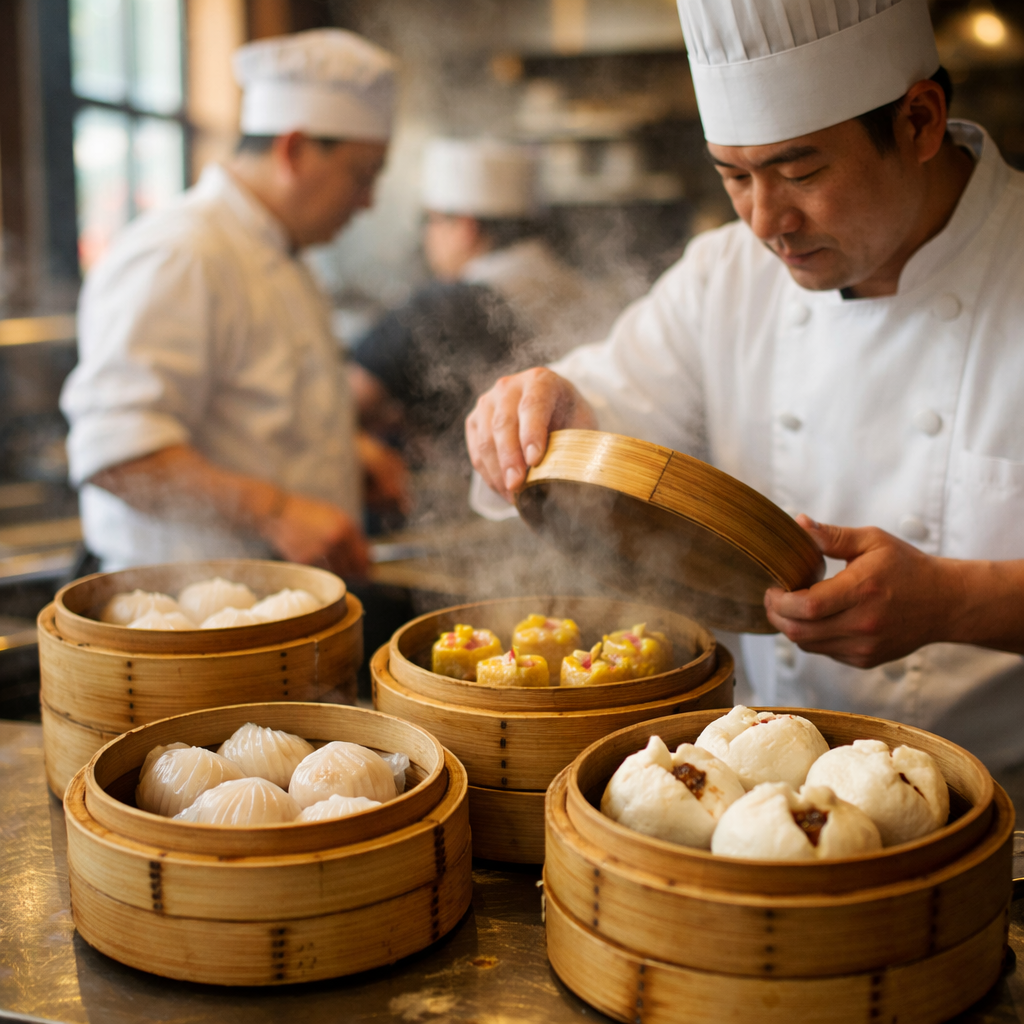
The chinese dim sum wholesale market offers diverse product formats tailored to different operational needs. Frozen dim sum dominates international trade due to its extended shelf life and logistical advantages. These products arrive ready-to-steam or ready-to-fry, preserving authentic flavors through flash-freezing technology that locks in freshness immediately after production.
Semi-prepared dim sum options provide flexibility for restaurants seeking to add their signature touches while maintaining efficiency. These products might include pre-formed but uncooked dumplings or par-cooked items requiring final preparation on-site. For retail chains targeting consumers, individually portioned ready-to-eat varieties offer convenience without compromising authenticity.
Manufacturers supplying food service operators benefit from bulk packaging formats, typically ranging from 10kg to 20kg cases designed for high-volume operations. Wholesalers and distributors, meanwhile, often require mixed-product pallets that allow them to serve diverse client bases without excessive inventory commitments. Importers must clearly define their target market and operational model before selecting product formats—a steamed bun designed for retail consumers differs fundamentally from one intended for hotel breakfast buffets.
Understanding these distinctions helps buyers communicate precise requirements to suppliers. For instance, a European restaurant chain might prioritize individually quick-frozen (IQF) dim sum that allows portion control, while a Middle Eastern distributor could focus on family-sized packages appealing to home consumption patterns.
Navigating Quality and Safety Standards
Quality assurance forms the cornerstone of successful dim sum wholesale sourcing. International buyers must verify that suppliers maintain certifications aligned with destination market requirements. HACCP certification demonstrates systematic food safety management throughout production. This science-based approach identifies potential hazards—biological, chemical, or physical—and establishes control measures at critical production stages.
GMP (Good Manufacturing Practice) certification validates that facilities follow stringent hygiene protocols, from ingredient storage to employee health monitoring. ISO 9001 certification indicates robust quality management systems ensuring consistent product standards across production batches. However, certifications alone don’t guarantee quality. Smart importers dig deeper.
They verify that cold chain protocols maintain products between -18°C and -22°C from production through international shipping. They confirm suppliers conduct regular third-party laboratory testing for microbiological contamination, heavy metals, and pesticide residues. Documentation should include detailed traceability systems allowing products to be tracked from raw material sourcing through final packaging.
Regulatory compliance varies significantly across markets. The European Union requires comprehensive ingredient declarations and allergen labeling in local languages. Middle Eastern markets demand halal certification from recognized authorities. North American buyers need suppliers familiar with FDA regulations and capable of providing nutritional analysis meeting specific format requirements.
Jade Premium’s deep expertise in international food regulations helps suppliers navigate these complex requirements, ensuring products arrive market-ready rather than delayed at customs. Our verification processes confirm that partner suppliers don’t just hold certifications but actively implement the quality systems these certifications represent.
Evaluating Supplier Credibility and Production Capabilities
The supplier evaluation process separates successful importers from those who encounter costly quality failures. Begin by verifying business legitimacy through official registration documents and export licenses. China’s General Administration of Customs (GACC) maintains registered exporters authorized for specific product categories—confirmation of registration provides foundational credibility.
Request detailed factory information including production capacity, quality control infrastructure, and client references. Reputable suppliers willingly provide contact information for existing international customers. Speaking directly with current buyers reveals insights no brochure can convey: Do shipments arrive on schedule? How does the supplier handle quality discrepancies? Does communication remain responsive during disputes?
Facility audits, whether conducted personally or through third-party inspection services, provide irreplaceable verification. Examine ingredient storage areas for proper temperature control and segregation between raw and finished products. Assess production lines for modern equipment capable of maintaining consistent standards at scale. Observe employee practices regarding hygiene, protective equipment, and adherence to documented procedures.
Sample testing represents your final verification before committing to bulk orders. Request samples matching your intended purchase specifications—including packaging format, product size, and any customization requirements. Conduct blind taste tests with your target customers. Does the flavor profile match authentic dim sum expectations? Compare texture after steaming or frying against traditional standards. Analyze nutritional content and ingredient lists for alignment with your market positioning.
Smart importers establish clear quality benchmarks during sampling, documenting specific characteristics they expect in production shipments. These might include wrapper thickness for dumplings, filling ratio for buns, or seasoning intensity for specific varieties. Written specifications prevent misunderstandings and provide objective standards for acceptance or rejection of delivered goods.
Mastering Packaging, Labeling, and Cold Chain Logistics
Effective packaging serves multiple functions beyond simply containing products. It must protect dim sum integrity throughout international shipping while communicating brand values and compliance information. Industrial-grade freezer-safe materials prevent freezer burn and maintain product separation. Inner packaging should facilitate easy handling for end users—whether restaurant staff or retail consumers.
Outer cartons require clear labeling with product information, lot codes, production dates, and expiration guidance. Smart importers specify labeling requirements upfront, ensuring compliance with destination market regulations before production begins. Multi-language labels serve diverse markets efficiently, though some jurisdictions require specific language primacy or font sizing.
Cold chain logistics demands meticulous planning from factory freezer to final destination. Chinese suppliers typically consolidate orders at dedicated cold storage facilities near major ports like Shanghai, Shenzhen, or Guangzhou—a critical consideration explored in depth in Chinese supply chain management. Container selection—whether full container loads (FCL) or less than container loads (LCL)—impacts cost structures and transit times significantly.
Temperature monitoring devices inside containers provide shipment verification, creating data records proving cold chain integrity throughout transit. This documentation proves essential when customs questions product safety or buyers need assurance regarding storage conditions. Transit insurance should explicitly cover perishable goods, with coverage amounts reflecting full product value plus landed costs.
Destination logistics require pre-clearance of cold storage facilities capable of receiving frozen shipments immediately upon arrival. Delays during customs clearance or ground transportation create temperature exposure risks that compromise product quality regardless of supplier diligence. Working with experienced freight forwarders familiar with perishable goods and destination port procedures minimizes these vulnerabilities.
Jade Premium’s integrated supply chain solutions coordinate every logistics stage, from export customs clearance in China through final delivery to buyer facilities. Our established partnerships with specialized cold chain carriers ensure products maintain optimal conditions throughout their journey.
Understanding Commercial Terms and Cost Structures
Wholesale pricing for chinese dim sum wholesale reflects multiple cost components beyond basic production expenses. Raw material costs fluctuate based on seasonal availability, particularly for ingredients like shrimp, pork, or specialty vegetables. Packaging expenses vary with customization levels—standard corrugated boxes cost significantly less than retail-ready packages with full-color printing.
Export logistics encompass documentation fees, customs clearance charges, inland transportation to Chinese ports, and international freight—challenges that cross-border food distribution specialists help navigate efficiently. FOB (Free On Board) pricing places responsibility for international shipping on buyers, while CIF (Cost, Insurance, and Freight) terms bundle these expenses into supplier quotations. Smart importers compare total landed costs rather than just unit prices, as seemingly lower FOB quotes can exceed CIF alternatives once buyers arrange their own logistics.
Payment terms significantly impact working capital requirements and risk distribution. Suppliers typically require deposits ranging from 30% to 50% before production, with balance due before shipment or upon arrival. Letter of credit arrangements provide security for both parties but add banking fees and documentation requirements. Buyers with established supplier relationships might negotiate net payment terms, though these typically require significant order volumes or trading history.
Volume discounts create economies of scale—20-foot containers generally offer better per-unit pricing than mixed LCL shipments, while 40-foot high-cube containers provide additional savings for high-volume buyers. However, importers must balance cost advantages against inventory carrying costs, warehouse capacity, and product turnover rates.
Currency fluctuations between Chinese yuan and buyer currencies introduce additional considerations. Some suppliers quote in USD to simplify international transactions, while others maintain CNY pricing requiring buyers to manage exchange rate exposure. For detailed strategies on managing these complexities, the U.S. International Trade Administration’s China guide provides comprehensive regulatory insights. Forward currency contracts can lock in favorable rates for planned shipments, reducing financial uncertainty.
Quality issues occasionally necessitate returns or replacements, making clear quality guarantee terms essential. Document procedures for reporting defects, supplier response timelines, and cost responsibility for return shipping or replacement products. Prevention remains more effective than remediation—rigorous quality verification before shipment avoids most disputes.
Quick Start Checklist for Dim Sum Importation
Efficient launch of dim sum sourcing operations requires systematic preparation. Begin by defining your target market segment—restaurants, retail chains, or food service—and product specifications matching their needs. Research destination market regulatory requirements including registration procedures, labeling standards, and import restrictions.
Identify potential suppliers through trade platforms, industry exhibitions, or specialized trade services like Jade Premium. Request comprehensive documentation including business licenses, export certifications, product specifications, and client references. Conduct due diligence verifying supplier credibility through background checks and customer interviews.
Arrange sample shipments mirroring intended purchase specifications. Test products thoroughly for flavor authenticity, quality consistency, and market fit. Verify all labeling and documentation meet destination requirements before committing to bulk orders. Establish clear quality standards in writing, including acceptance criteria and defect resolution procedures.
Develop logistics partnerships with freight forwarders experienced in frozen food transportation. Confirm cold storage availability at destination ports and final delivery locations. Arrange temperature monitoring and quality verification upon arrival. Implement inventory management systems tracking product lots, expiration dates, and rotation schedules.
Create market entry plans considering pricing strategies, competitive positioning, and customer education regarding authentic Chinese dim sum. Many international consumers lack familiarity with traditional varieties—providing background information enhances appreciation and drives trial purchases.
Jade Premium streamlines this entire process through our comprehensive trade services, from initial supplier identification through ongoing quality verification and logistics coordination. Our local presence across major Chinese production centers combined with deep international market knowledge eliminates the trial-and-error costs many importers face.
The Cultural Bridge: More Than Just Food Trade
Chinese dim sum represents centuries of culinary tradition reflecting regional diversity, seasonal ingredients, and communal dining values. Each variety tells a story—har gow (shrimp dumplings) with their translucent wrappers showcase Cantonese refinement, while xiaolongbao (soup dumplings) demonstrate Shanghai’s innovation in capturing rich broth within delicate skins.
Authentic dim sum connects global consumers with this cultural heritage, transforming meals into cross-cultural experiences. When restaurants serve genuinely authentic products, they’re not just feeding customers—they’re introducing them to traditions passed through generations of Chinese culinary masters.
This cultural dimension elevates dim sum beyond commodity status, creating opportunities for premium positioning and brand differentiation. Smart importers recognize that authenticity commands value, justifying quality investments that commodity-minded competitors avoid. They understand their role as cultural ambassadors, bringing not just products but traditions to new markets.
Jade Premium embraces this broader mission encapsulated in our commitment: “Bringing Authentic Chinese Cuisine to Global Tables.” We view each shipment as an opportunity to share Chinese culinary excellence while building trust between Eastern and Western food markets. Our expertise extends beyond transactions to include cultural context, helping international buyers understand the stories, traditions, and craftsmanship behind the products they import.
As global demand for authentic Chinese cuisine continues expanding, the opportunities for thoughtful importers multiply. Those who prioritize quality verification, cultural authenticity, and comprehensive supply chain management position themselves for sustainable success. The challenges are real—navigating international regulations, managing cold chain logistics, and verifying supplier credibility across language and cultural barriers.
Yet with experienced partners like Jade Premium, these challenges transform into competitive advantages. Our integrated approach combines deep Chinese market access with international trade expertise, providing importers the confidence to pursue authentic quality without excessive risk. We believe that every successful shipment strengthens the bridge between Chinese culinary traditions and global markets, fostering mutual understanding through the universal language of exceptional food.
For importers ready to bring authentic Chinese dim sum to their markets, the path forward begins with strategic partnerships built on shared values of quality, authenticity, and cultural respect. The rewards—loyal customers, sustainable margins, and the satisfaction of introducing timeless traditions to new audiences—make the journey worthwhile.