
- Defining Clean Label: More Than Just a Trend
- The Forces Driving Clean Label Demand in 2026
- Clean Label in Bakery: The Fastest-Growing Segment
- What to Look for in a Truly Clean Label Bakery Product
- How Clean Label Connects to the Broader Food Trends of 2026
- A Clean Label Swiss Roll Worth Knowing: Beryoocook Classic Original Flavor
- The Bottom Line: Clean Label Is the New Standard
The term “clean label” has moved from a niche marketing buzzword to a fundamental expectation among consumers worldwide. Whether you are an international food buyer scouting the next hit product for your shelves or a quality-conscious consumer choosing your afternoon snack, understanding clean label is essential. In this article, we explore what clean label truly means, why its momentum is stronger than ever, how it is transforming the bakery and snack segment, and what to look for when sourcing clean label products for global markets.
Defining Clean Label: More Than Just a Trend
Clean label does not have a single regulatory definition, yet the concept is remarkably consistent across markets. At its core, a clean label product is one made with simple, recognizable ingredients—free from artificial colors, synthetic preservatives, and chemical additives that consumers cannot pronounce or understand. The movement is built on three pillars: natural ingredients, simplicity, and transparency.
According to research published by the National Center for Biotechnology Information (NCBI), clean label products are characterized by ingredients that are “considered natural, harmless, and simple.” Consumers expect to flip a package over, read the ingredient list, and immediately recognize every item on it—eggs, flour, milk, cream, sugar—the staples they would find in their own kitchen.
This is not a fleeting preference. The global clean label foods market was valued at approximately USD 53 billion in 2025 and is projected to reach USD 86.58 billion by 2033, growing at a compound annual growth rate of 6.3%, according to Straits Research. The clean label ingredients market alone is expected to hit USD 68 billion by 2026, according to Polaris Market Research. These numbers tell a clear story: clean label is not a passing wave; it is a structural shift in how food is produced, marketed, and consumed.
The Forces Driving Clean Label Demand in 2026
Several converging forces have propelled clean label from a premium niche to a mainstream baseline expectation.
Consumer awareness around ultra-processed foods (UPFs) has reached new heights. High-profile publications, including studies in The Lancet, have linked UPFs to adverse health outcomes across multiple organs, sparking global debate and intensifying regulatory scrutiny. Governments are responding: the United States updated its dietary guidelines to emphasize “real food,” the European Union is advancing front-of-pack disclosure regulations, and major retailers such as Walmart announced the removal of eleven synthetic dyes and over thirty other artificial ingredients from their private brand foods. According to a Walmart survey, 62% of customers now demand greater ingredient transparency, and 54% actively read ingredient labels before purchasing.
Regulatory pressure continues to escalate. In 2025 and into 2026, FDA actions, EU labeling proposals, and global sugar taxes have pushed manufacturers toward cleaner formulations. The World Health Organization launched an initiative encouraging countries to raise taxes on sugar-sweetened beverages by at least 50% by 2035. Brands that fail to adapt risk both regulatory non-compliance and consumer abandonment.
Health-conscious eating has become a lifestyle, not a diet. The Kline + Company Food & Nutrition Trends 2026 report identifies “Clean Label and Natural” as a very high and rising priority trend for the year, with subtrends including simpler ingredients, the UPF debate, and sweetness reduction. Clean label is becoming, in Kline’s words, “a baseline expectation shaping product development, regulatory compliance, and brand strategy.”
Clean Label in Bakery: The Fastest-Growing Segment
The bakery and confectionery segment is currently the dominant application area for clean label ingredients, holding approximately 35% of the total market share according to Persistence Market Research. This is no surprise. Bakery products—cakes, breads, pastries, and snacks—are everyday indulgences, and consumers increasingly refuse to compromise between enjoyment and ingredient quality.
Historically, commercial bakery products have been associated with long ingredient lists full of emulsifiers, artificial flavors, preservatives, and hydrogenated fats. The clean label movement has upended this norm. Today’s consumers want a cake that tastes indulgent but is made the way a skilled baker would make it at home: with real eggs, real cream, real flour, and nothing unnecessary.
This shift presents a significant opportunity for international food buyers. Clean label bakery products that deliver on both taste and ingredient integrity command premium positioning, stronger consumer loyalty, and higher margins. For retailers building private label programs or curating imported product assortments, clean label bakery is a strategic category that aligns with every major consumer trend—health, transparency, simplicity, and indulgence.
What to Look for in a Truly Clean Label Bakery Product
Not all products that claim to be “clean” live up to the promise. As an informed buyer or consumer, here are the hallmarks of a genuinely clean label bakery product.
A short, recognizable ingredient list. The fewer the ingredients, the better—and every ingredient should be something a home baker would use. Eggs, flour, milk, cream, and sugar are immediately understood. Long chains of chemical names are not.
Real dairy, not substitutes. One of the most telling indicators of quality in bakery is the use of pure animal cream rather than vegetable oil-based alternatives, margarine, or hydrogenated fats. Pure animal cream delivers a richer, smoother mouthfeel and melts naturally on the palate—qualities that cannot be replicated by cheaper substitutes.
High egg content from quality sources. Eggs are the structural backbone of any great cake. Products that use a high proportion of pasteurized, non-antibiotic liquid egg demonstrate a commitment to both food safety and clean sourcing.
No artificial colors, flavors, or preservatives. A clean label product relies on the natural color, flavor, and aroma of its real ingredients rather than masking inferior quality with synthetic additives.
Transparency in sourcing and manufacturing. The best clean label brands are open about where their ingredients come from, how their products are made, and what certifications they hold—HACCP, ISO 22000, FDA registration, and other internationally recognized food safety standards.
How Clean Label Connects to the Broader Food Trends of 2026
Clean label does not exist in isolation. It intersects with virtually every other major trend shaping the food industry.
It connects directly to the holistic wellbeing trend, as consumers seeking to improve their healthspan naturally gravitate toward foods made with fewer, higher-quality ingredients. It aligns with the value for money trend, because consumers are willing to pay a premium for products they trust—research from Ingredion found that 78% of consumers would spend more on products with transparent, clean label packaging. It dovetails with sustainability, as simpler ingredient lists often mean shorter supply chains and reduced reliance on synthetic inputs. And it intersects with sensory appeal, since real ingredients—pure cream, fresh eggs, quality flour—deliver superior taste and texture that artificial formulations simply cannot match.
For food importers, distributors, and retailers, sourcing clean label products is therefore not merely a response to a single consumer demand. It is a strategic positioning decision that simultaneously addresses health, trust, quality, and commercial viability.
A Clean Label Swiss Roll Worth Knowing: Beryoocook Classic Original Flavor
For buyers seeking a concrete example of clean label principles applied to bakery, the Beryoocook Classic Original Flavor Swiss Roll Cake deserves attention.
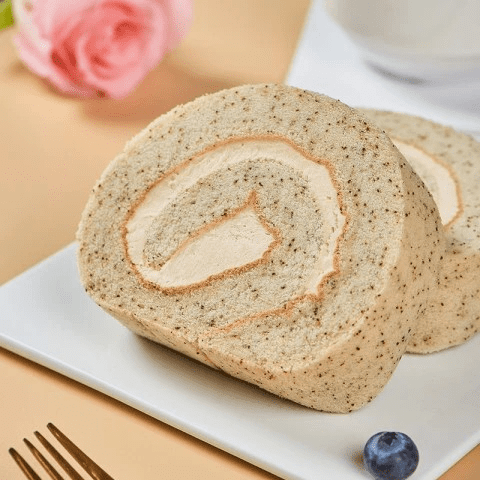
This product, sourced from Fujian Beryoocook Food Co., Ltd. and available through Jade Premium’s international trade platform, exemplifies what a modern clean label bakery item should be. The formulation centers on a handful of high-quality, recognizable ingredients. It contains over 37% high-quality pasteurized, non-antibiotic liquid egg—a remarkably high proportion that gives the sponge its soft, tender, and moist texture. The cream filling is made from pure animal cream, which melts instantly on the tongue and delivers a rich dairy flavor that is sweet but not cloying. The wheat flour is crafted to an exclusive formula that produces a fine texture with high elasticity and an optimal bubble ratio, resulting in a lighter, fluffier cake than the stiff, coarse alternatives commonly found on the market.
What makes this product particularly compelling for international buyers is how it achieves indulgent taste through ingredient quality rather than artificial enhancement. The egg aroma and milk fragrance come from the real eggs and real milk in the recipe, not from flavor additives. The result is a Swiss roll that feels homemade in its purity but is produced at commercial scale with full food safety compliance.
Jade Premium, the sourcing partner behind this product, works exclusively with manufacturers holding HACCP, ISO 22000, FDA, and IFS certifications. Every product undergoes factory audits, pre-shipment quality inspections, laboratory testing for microbiological safety, heavy metals, and pesticides, as well as allergen verification and nutritional validation. Full batch traceability from source to destination ensures that clean label claims are backed by rigorous documentation—not just marketing language.
For retailers and distributors across North America, Europe, the Middle East, and the Asia-Pacific region, the Beryoocook Swiss Roll represents a turnkey opportunity to add a premium, clean label bakery item to their portfolio. Jade Premium’s comprehensive trade services—from supplier verification and compliance management to logistics coordination and custom packaging—make international procurement straightforward, even for buyers new to sourcing from China.
The Bottom Line: Clean Label Is the New Standard
The clean label movement has matured. It is no longer a differentiator reserved for premium organic brands; it is rapidly becoming the minimum standard that consumers, retailers, and regulators expect from all food products. The bakery category, as the largest segment in the clean label ingredients market, sits at the epicenter of this transformation.
For international food buyers, the imperative is clear: source products that deliver on the clean label promise with verifiable ingredient quality, recognized certifications, and complete supply chain transparency. Products like the Beryoocook Classic Original Flavor Swiss Roll Cake—built on real eggs, pure animal cream, and quality flour without unnecessary additives—represent exactly the kind of clean label offering that earns consumer trust and drives category growth.
To explore this product and discover other clean label food options available for international trade, visit Jade Premium or view the Beryoocook Swiss Roll Cake product page directly.