
Walk into any major supermarket in London, New York, or Sydney today, and you’ll notice something remarkable: Chinese frozen foods are claiming more freezer space than ever before. Dumplings sit alongside traditional Western staples. Steamed bao buns nestle next to pizza and fish fingers. These aren’t just niche products for specialized Asian markets anymore—they’re mainstream choices flying off shelves at unprecedented rates.
The numbers tell an impressive story. China’s frozen food market has been growing at over 12% annually, while the Asia-Pacific frozen food market is projected to reach $115.05 billion by 2030. But here’s what makes this trend truly fascinating: it’s not just about numbers. It’s about how authentic Chinese flavors are finding their way into everyday meals across cultures, creating bridges between East and West through something as simple and universal as a dumpling.
International food importers and distributors are taking notice. They’re recognizing that Chinese frozen foods offer something special—the perfect combination of convenience, authentic taste, and cultural richness that modern consumers crave. When a busy family in Berlin can recreate the experience of a Shanghai dim sum breakfast in their kitchen, or when a food service operator in Toronto can serve authentic xiaolongbao to their customers, something magical happens. Food becomes more than sustenance; it becomes a story, a connection, a shared experience.
At Jade Premium, we’ve witnessed this transformation firsthand. Our work connecting authentic Chinese cuisine with global markets has shown us that success in this space isn’t just about moving products—it’s about preserving the cultural integrity and quality that make these foods special in the first place. As we position ourselves as bridges between Chinese culinary traditions and international tables, we’ve learned that every dumpling carries with it centuries of tradition, every bao bun tells a story of regional variations and family recipes passed down through generations.
The Product Categories Reshaping Global Freezer Aisles
The frozen Chinese food export market isn’t monolithic. It’s a rich tapestry of diverse products, each with its own appeal and market fit. Understanding these categories helps explain why international retail chain buyers and food service operators are increasingly dedicating shelf space to Chinese frozen offerings.
Dumplings lead the charge as the most recognizable category. From classic pork and cabbage jiaozi to delicate shrimp har gow, these bite-sized parcels represent comfort food across cultures. Their versatility makes them perfect for both retail and food service applications—they can be steamed, boiled, pan-fried, or even deep-fried, adapting to different culinary contexts while maintaining their essential character. The global market has shown particular enthusiasm for innovative fillings that blend traditional Chinese flavors with local preferences.
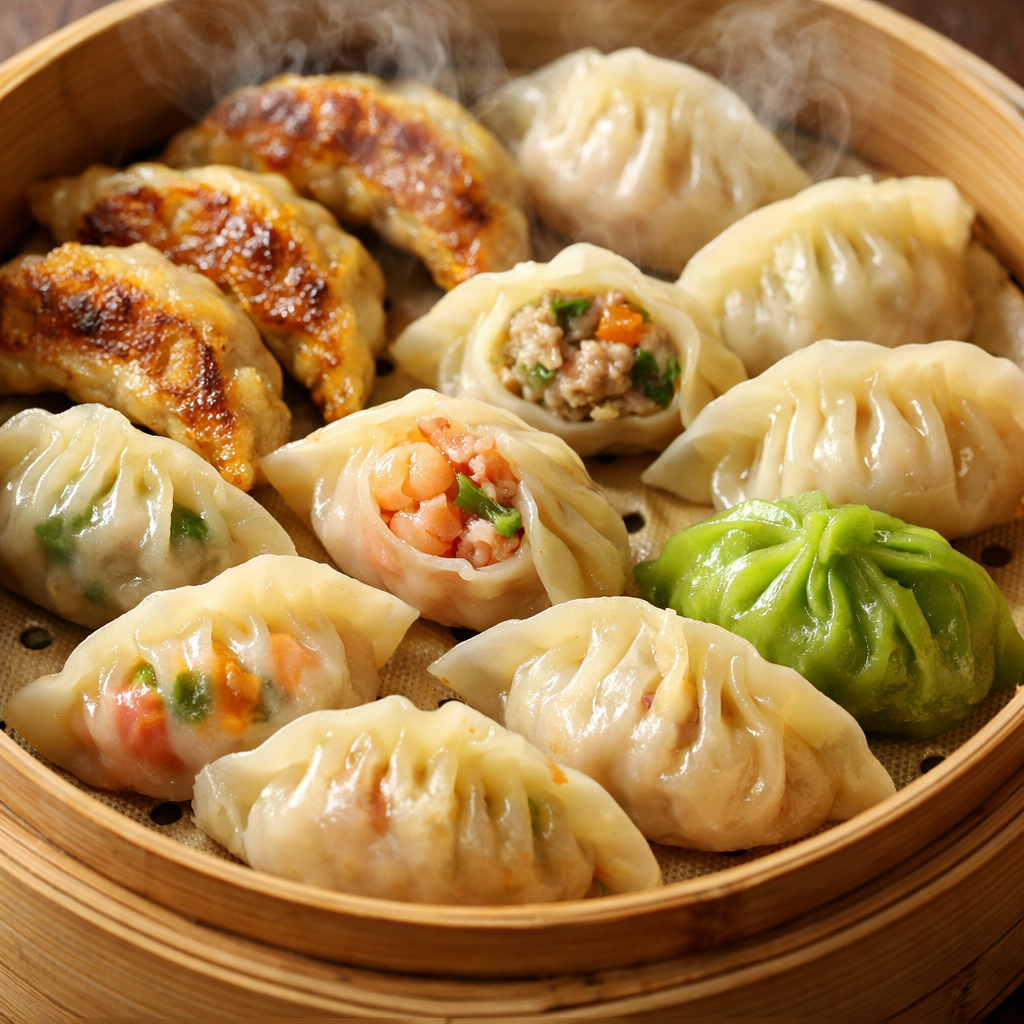
Bao buns have experienced explosive growth in international markets. These fluffy, steamed buns—whether the classic char siu (BBQ pork) filled bao or modern fusion varieties—offer something Western frozen foods often lack: a textural experience that feels handcrafted even after freezing. Food service operators particularly appreciate how bao buns can be quickly heated and served, providing customers with an authentic Asian street food experience without the complexity of making them from scratch.
Ready-to-cook dishes represent the next frontier. Think frozen mapo tofu kits, kung pao chicken components, or hot pot ingredient sets. These ready-to-cook Chinese meals cater to consumers who want authentic flavors but lack the time or expertise to source and prepare individual ingredients. They’re especially popular among younger international consumers who embrace food exploration but value convenience.
Noodles and wrappers form another crucial category. From hand-pulled noodle varieties to wonton and spring roll wrappers, these products enable home cooks and restaurants alike to create authentic Chinese dishes without mastering time-intensive techniques. The frozen format preserves the texture and quality that fresh preparations require.
Spring rolls and appetizers have found particular success in food service settings. Their finger-food format makes them ideal for Western dining contexts—appetizers, party foods, or quick snacks—while maintaining authentic Chinese flavors and preparation methods.
Frozen seafood and vegetable blends specifically designed for Chinese cooking styles round out the offerings. Pre-portioned stir-fry mixes, hot pot ingredient combinations, and specialty items like lotus root slices or bamboo shoots make authentic Chinese cooking accessible to international markets where fresh Asian vegetables may be hard to source.
What makes these categories successful isn’t just their inherent appeal—it’s the sophisticated supply chain management and quality control systems behind them. At Jade Premium, we’ve built our reputation on understanding that every step matters. From sourcing verification with premium Chinese producers to maintaining cold-chain integrity throughout international shipping, the infrastructure supporting these products is as important as the products themselves.
Our comprehensive approach to supplier qualification and audit processes ensures that the dumplings reaching a supermarket in Amsterdam maintain the same texture, flavor, and quality as those sold in Shanghai. This consistency isn’t accidental—it requires rigorous quality control protocols, regular supplier audits, and deep relationships with producers who understand that export markets demand both authenticity and reliability.
The Export-Readiness Framework: Where Compliance Meets Quality
Here’s an uncomfortable truth about international food trade: great products fail every day because they can’t navigate the complex regulatory landscape. The most delicious dumplings mean nothing if they can’t clear customs, and the most authentic bao buns won’t succeed if they can’t meet destination market safety standards.
The export-readiness framework for Chinese frozen foods encompasses three critical pillars: compliance with international food safety laws, proper certifications, and logistics readiness. Each pillar presents its own challenges and opportunities.
Regulatory compliance starts with understanding that every destination market has different requirements. European markets demand adherence to EU food safety regulations, which include specific standards for temperature control, labeling, and traceability. North American markets require compliance with FDA regulations and USDA standards for meat and seafood products. Middle Eastern markets often require halal certification. ASEAN regions have their own regulatory frameworks shaped by local food safety concerns and import policies.
The challenge isn’t just knowing these requirements—it’s implementing them consistently across diverse product categories and production facilities. Temperature control provides a perfect example. The global standard for frozen food storage is -18°C (0°F), and this temperature must be maintained consistently from production through transportation to final delivery. Any break in this cold chain compromises product quality and safety, potentially rendering an entire shipment unsellable.
At Jade Premium, we’ve developed comprehensive compliance know-how through years of facilitating international food trade. We understand that successful exports require more than just meeting minimum standards—they require building systems that maintain quality and safety as second nature. Our approach to compliance transformation helps Chinese producers understand not just what international markets require, but why these requirements exist and how they ultimately serve everyone’s interests.
Certification readiness forms the second pillar. Modern international buyers expect documentation proving food safety management systems, quality control protocols, and ethical production practices. This might include HACCP (Hazard Analysis Critical Control Points) certification, ISO 22000 food safety management certification, BRC (British Retail Consortium) certification for retail suppliers, or IFS (International Featured Standards) certification for European markets.
These certifications aren’t bureaucratic obstacles—they’re trust signals that help international trading companies and food importers make confident purchasing decisions. They demonstrate that a supplier understands professional food safety standards and has implemented systems to maintain them consistently.
Logistics readiness completes the framework. Even products that meet all regulatory requirements and carry proper certifications will fail if the logistics infrastructure can’t deliver them safely and efficiently. Frozen food logistics presents unique challenges: maintaining cold-chain integrity across long distances, managing port delays without product degradation, coordinating with customs officials, and ensuring proper storage at destination warehouses.
Successful frozen food exporters need relationships with specialized cold-chain logistics providers, understanding of international shipping documentation, and contingency plans for common disruptions. They need real-time visibility into shipment conditions and the ability to quickly address temperature excursions or delays.
Our integrated supply chain solutions address these challenges holistically. We don’t just connect buyers with products—we ensure that every element necessary for successful delivery is in place and functioning properly. This end-to-end management approach minimizes the risks that often derail cross-border food trade, giving both suppliers and buyers confidence in the outcome.
The traceability requirements emerging from regulations like the FDA’s FSMA 204 underscore why comprehensive systems matter. These regulations demand the ability to track products through every stage of the supply chain, enabling rapid identification and removal of potentially contaminated food from markets. Building traceability into operations from the start isn’t just good compliance practice—it’s fundamental to modern food safety.
Market Entry Strategies: Balancing Authenticity with Adaptation
Successfully bringing Chinese frozen foods into new international markets requires a delicate balance. Push too far toward adaptation and you lose the authenticity that makes these products special. Stay too rigid in traditional formats and you might miss opportunities to connect with local preferences.
The most successful market entry strategies recognize that adaptation and authenticity aren’t opposites—they’re complementary approaches that serve different needs within the same market.
Understanding regional taste preferences forms the foundation. Japanese consumers might prefer lighter, more delicate dumpling flavors compared to the robust, heavily seasoned options popular in some Western markets. European consumers often appreciate organic or natural ingredients more than certain Asian markets. Middle Eastern consumers require halal-compliant production processes. These aren’t just preferences to accommodate—they’re opportunities to showcase how Chinese culinary traditions can speak to universal desires for quality, flavor, and meaningful food experiences.
Real-world examples illuminate this principle. A Chinese frozen food producer entering the UK market might develop a line of bao buns with familiar Western protein options like roast chicken or beef brisket, while maintaining the authentic steaming techniques and bun texture that define good bao. This approach respects local taste preferences while educating consumers about authentic Chinese food formats.
Similarly, a dumpling producer targeting North American food service operators might offer portion sizes and packaging formats that align with Western restaurant operations, while refusing to compromise on the hand-folding techniques or filling quality that distinguish premium dumplings from mass-market alternatives.
Product positioning matters enormously. Are these products positioned as convenient weeknight meals, premium culinary experiences, or healthy alternatives to Western frozen options? The answer shapes everything from packaging design to pricing strategy to distribution channel selection.
We’ve seen Chinese frozen foods succeed through various positioning strategies. Some brands emphasize convenience—”authentic dim sum ready in minutes.” Others highlight cultural authenticity—”the same dumplings served in Beijing’s finest restaurants.” Still others focus on health and quality—”handmade with natural ingredients, no artificial preservatives.”
The most effective positioning usually combines multiple benefits while maintaining a clear primary message that resonates with target consumers. It acknowledges what international buyers are genuinely seeking: not just Chinese food, but food that happens to be Chinese and also meets their practical needs, quality expectations, and value requirements.
Partnership strategy often determines success or failure. The right distribution partners understand both the products they’re selling and the markets they’re serving. They can educate retail buyers about proper handling, suggest menu applications for food service customers, and provide feedback that helps producers refine their offerings for local markets.
At Jade Premium, our role extends beyond simple trading facilitation. We serve as cultural translators, helping international partners understand the significance and proper application of Chinese food products while helping Chinese producers understand international market dynamics and expectations. This bridge function enables smoother market entry because both sides of the transaction understand each other better.
We’ve learned that successful partnerships require transparency about capabilities and limitations. A Chinese producer might excel at making traditional pork dumplings but lack experience with halal production processes. An international distributor might have excellent supermarket relationships but limited food service connections. Acknowledging these realities upfront allows everyone to build complementary strengths rather than discovering mismatches after commitments are made.
Market education represents an often-overlooked element of successful entry strategies. International consumers may love Chinese food but not understand how to properly prepare frozen Chinese products at home. Food service operators might appreciate authentic Chinese offerings but need guidance on menu integration and customer education.
Smart producers and distributors invest in educational content—cooking instructions that go beyond basic heating directions, recipe suggestions that show how products can be used in both traditional and fusion applications, and cultural context that helps consumers appreciate what makes these products special. This educational approach builds both immediate sales and long-term brand loyalty.
The vision we pursue at Jade Premium aligns perfectly with these market entry principles. We’re not trying to make Chinese food less Chinese to suit international markets. We’re working to help international consumers appreciate authentic Chinese flavors by presenting them in ways that fit naturally into diverse lifestyles and culinary contexts. This approach respects both the cultural heritage of Chinese cuisine and the practical realities of international markets.
Building Bridges Through Frozen Food
The frozen food aisle might seem like an unlikely place for cultural exchange, but that’s exactly what’s happening as Chinese dumplings and bao buns claim space alongside traditional Western offerings. Every package represents a connection between Chinese producers and international consumers, between centuries-old culinary traditions and modern convenience-focused lifestyles.
The growth of Chinese frozen foods in global supermarkets tells a larger story about how food bridges cultures and creates understanding. When a family in Toronto serves Chinese dumplings for dinner, they’re not just eating—they’re participating in a culinary tradition that stretches back thousands of years. When a restaurant in London adds bao buns to their menu, they’re introducing their customers to flavors and textures that might inspire curiosity about Chinese culture more broadly.
This cultural exchange runs deeper than many realize. The act of preparing and eating food creates empathy and connection in ways that abstract cultural information cannot. Tasting authentic Chinese flavors, experiencing the textural delight of properly steamed bao, or sharing dumplings with family and friends—these experiences build understanding and appreciation at a visceral level.
At Jade Premium, we’ve always believed that food represents one of humanity’s most powerful languages. Our commitment to connecting authentic Chinese flavors with global consumers isn’t just business strategy—it’s a way of promoting cultural understanding and mutual respect. Every properly sourced dumpling, every quality-controlled shipment, every successful market entry contributes to a world where people understand and appreciate each other’s cultures through shared culinary experiences.
The path forward for Chinese frozen foods in international markets looks bright, but success requires maintaining the principles that have brought the industry this far: uncompromising quality standards, respect for culinary authenticity, professional supply chain management, and genuine partnership between producers and distributors.
For international trading companies seeking reliable partners for Chinese food exports, the opportunity has never been more promising. Consumer demand continues growing, distribution infrastructure improves steadily, and the regulatory landscape—while complex—is increasingly standardized across major markets.
For food service operators looking to differentiate their offerings with authentic Chinese ingredients, frozen products provide a practical entry point. They eliminate many of the sourcing and preparation challenges that once made authentic Chinese menu items difficult to execute consistently.
For retail chain buyers evaluating category expansion opportunities, Chinese frozen foods represent a rare combination of proven consumer demand, strong growth trajectories, and relatively underdeveloped market presence in many Western markets.
The key to capitalizing on these opportunities lies in working with partners who understand both sides of the equation—partners who appreciate the cultural significance and quality requirements of authentic Chinese food while also understanding international market dynamics, regulatory requirements, and logistics realities.
As we look toward the future, our vision remains clear: to deepen the integration of Chinese culinary excellence with global food markets while continuously improving service quality and building trust between Eastern and Western food industries. We’re not just moving products across borders—we’re sharing stories, preserving traditions, and creating connections that enrich everyone involved.
The frozen food revolution in global supermarkets is just beginning. The dumplings and bao flying off shelves today represent the leading edge of a much larger opportunity to share Chinese culinary heritage with the world. For those ready to participate in this exciting journey, the time to explore partnerships is now.
We invite international buyers, distributors, and food service operators to discover what quality-focused, culturally-respectful Chinese food trade can look like. Behind every frozen dumpling is a story worth telling, a tradition worth preserving, and a flavor worth sharing. At Jade Premium, we’re honored to help tell those stories and build those connections, one shipment at a time.