
Walk into any major supermarket today, and you’ll notice something different. Between the familiar pasta sauces and breakfast cereals, shelves now burst with kimchi, tahini, coconut aminos, and Sichuan hotpot bases. This isn’t a temporary trend or a niche corner expansion—it’s a fundamental transformation of how we shop for food.
The mainstreaming of ethnic foods represents one of the most significant shifts in retail food distribution in recent decades. What once required a special trip to specialty markets now sits comfortably in everyday shopping carts. This evolution stems from two powerful forces: demographic change and cultural curiosity. In North America alone, multicultural populations continue to grow, bringing their culinary traditions and preferences into the mainstream marketplace. Meanwhile, consumers who’ve never traveled beyond their home country are developing sophisticated palates through food media, celebrity chefs, and social platforms that celebrate global cuisines.
The numbers tell a compelling story. The global ethnic food market has been expanding rapidly in recent years, with estimates placing its value in the tens of billions of dollars in the mid-2020s and projected annual growth rates in the high single digits as demand for diverse cuisines rises worldwide. These aren’t just statistics—they represent millions of daily decisions by consumers choosing Korean gochujang over ketchup, or Chinese dumplings over frozen pizza.
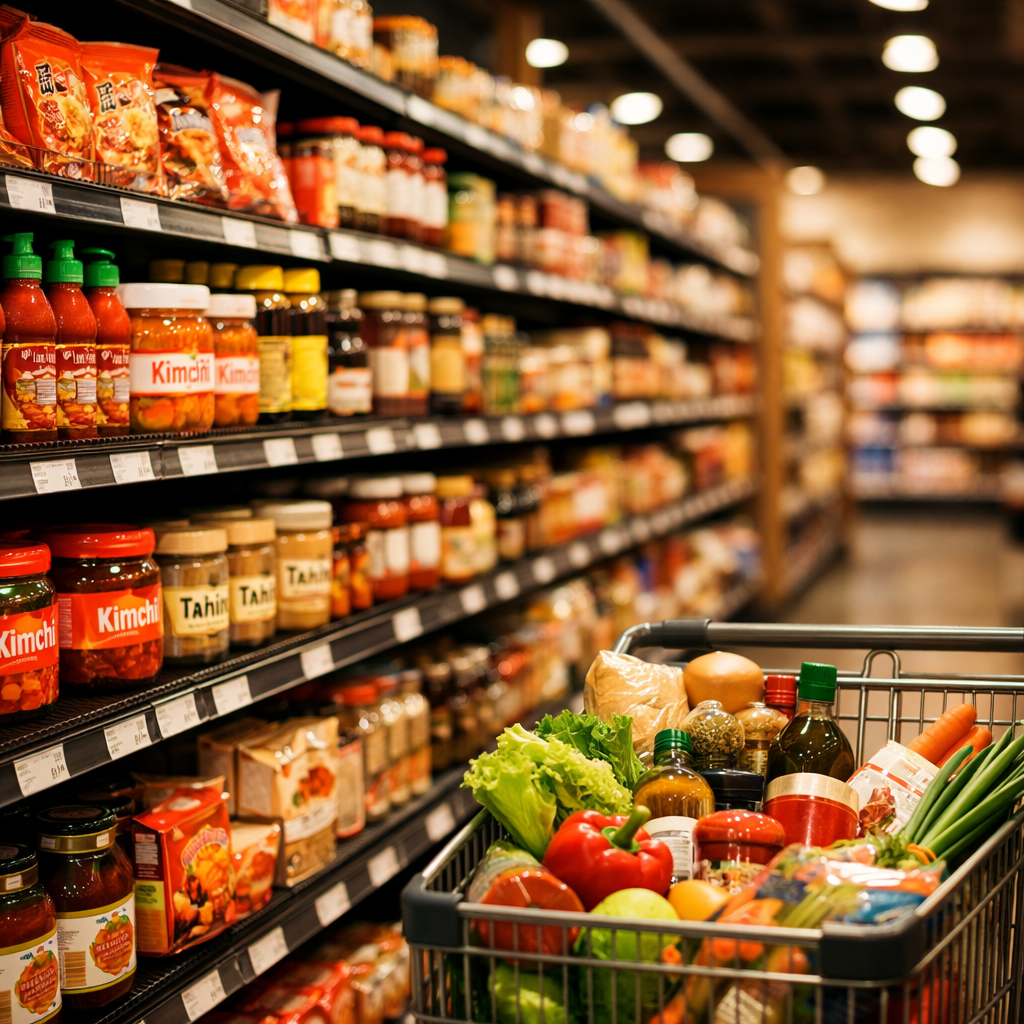
From specialty to mainstream: The transformation journey
Bringing ethnic foods from small specialty shops to mainstream supermarket shelves involves far more than simply placing products on different shelves. It requires a complete transformation—one that respects authenticity while meeting the operational demands of large-scale retail.
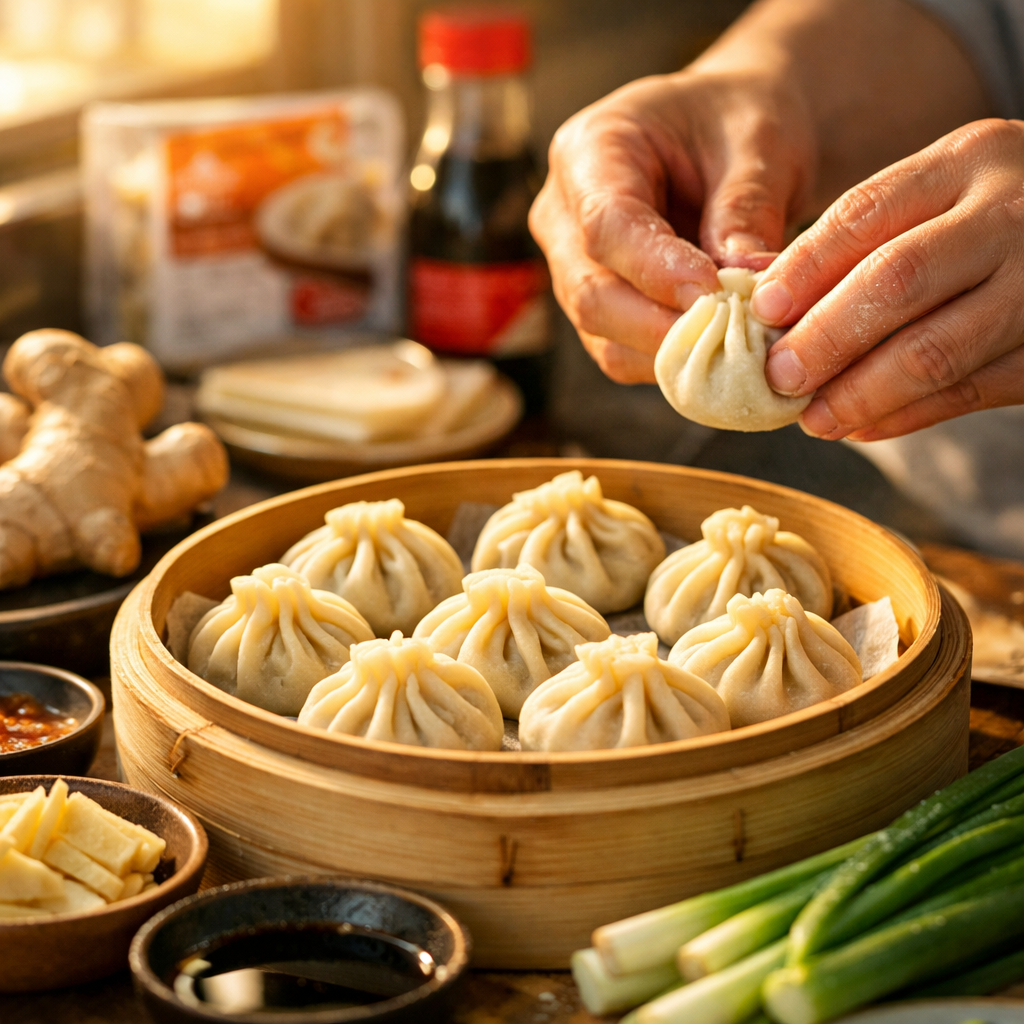
Product development plays a crucial first role. Many traditional ethnic foods were never designed for the long supply chains and shelf-life requirements of modern retail. A Chinese dim sum producer, for example, must adapt freezing techniques and packaging to ensure their xiaolongbao (soup dumplings) arrive intact and delicious thousands of miles from production. This doesn’t mean compromising authenticity—it means innovating preservation and packaging while maintaining the soul of the dish.
Regulatory compliance presents another complex layer. Each country maintains different food safety standards, labeling requirements, and import regulations. A hotpot sauce that’s perfectly legal in China might need reformulation to meet sodium limits in certain markets, or its packaging might require additional allergen warnings to satisfy local regulations. Companies like Jade Premium specialize in navigating these regulatory mazes, understanding both the letter of the law and the cultural nuances behind compliance requirements.
Consider the journey of a traditional Sichuan product entering Western markets. Beyond translating ingredients lists, suppliers must provide detailed nutritional information formatted to local standards, ensure halal or kosher certification if targeting specific communities, and often adjust spice levels or flavor profiles to introduce mainstream consumers gradually to unfamiliar tastes. This balancing act—maintaining authenticity while ensuring accessibility—defines successful ethnic food mainstreaming.
The development process also involves storytelling. Modern consumers don’t just want products; they want context. They want to understand the cultural significance of Lunar New Year dumplings, the regional variations of Chinese noodles, or the proper way to use black vinegar. Smart producers build this educational component into their packaging and marketing from the start, transforming products from exotic unknowns into approachable culinary adventures.
Distribution channels: Building bridges to broader audiences
The path from production to supermarket shelf follows a sophisticated network of distribution channels, each playing a specific role in the mainstreaming process. Understanding these channels reveals why some ethnic foods achieve widespread availability while others remain confined to specialty markets.
Specialty distributors traditionally served as the first bridge. These companies, often founded by immigrants or entrepreneurs with deep cultural connections, built relationships with ethnic food producers and initially served restaurants and small ethnic grocery stores. Their expertise in sourcing authentic products and understanding cultural nuances made them invaluable—but their scale limited mainstream penetration.
The breakthrough came when mainstream food distributors recognized the market potential. Major distribution companies began acquiring specialty distributors or developing dedicated ethnic food divisions. This shift brought ethnic products into the same logistics networks that move conventional groceries, dramatically improving availability and reducing costs through economies of scale.
Retail strategies evolved in parallel. Progressive supermarkets stopped segregating ethnic foods into isolated “international aisles” and began integrating them throughout the store. Asian sauces now appear in condiment sections, plantain chips sit alongside potato chips, and frozen dumplings share freezer space with traditional Western convenience foods. This integration signals acceptance—these aren’t foreign curiosities but regular groceries.
The omni-channel approach accelerated this mainstreaming. E-commerce platforms allowed ethnic food brands to reach consumers directly, building awareness and demand that pulled products into physical retail. When enough online customers in a region regularly order a specific product, local supermarkets take notice. Digital channels also provide valuable data on consumer preferences, helping retailers make smarter stocking decisions.
Co-packing partnerships represent another crucial distribution strategy. Smaller ethnic food producers often lack the production capacity for mainstream retail volumes. By partnering with established co-packers who can produce at scale while maintaining quality standards, these brands overcome the manufacturing barrier to mainstream distribution. A family recipe for Chinese dumpling sauce can become a national retail product through the right co-packing relationship.
Jade Premium exemplifies the modern distribution bridge—connecting authentic Chinese food producers with international retail buyers through comprehensive supply chain management. By handling everything from supplier verification to logistics optimization, such intermediaries reduce the friction that historically kept ethnic foods in specialty channels.
Market dynamics: Reading the signals of change
Multiple indicators confirm that ethnic food mainstreaming isn’t a bubble—it’s a structural market shift reshaping retail fundamentals. Understanding these dynamics helps explain why supermarket shelves continue evolving.
Consumer demographics drive the foundation. Immigration patterns have created large, economically influential communities seeking authentic foods from their heritage cuisines. In major metropolitan areas, these consumers represent substantial buying power. Their presence alone would justify ethnic food expansion, but the story doesn’t end there.
Cross-cultural adoption multiplies the impact. Research shows that mainstream consumers increasingly purchase ethnic foods—not occasionally, but regularly. An American family might serve Korean BBQ one night and Indian curry the next, thinking nothing of the cultural mixing that would have seemed exotic a generation ago. Social media fuels this experimentation by making global cuisines visible and approachable. When a viral TikTok video demonstrates making Chinese scallion pancakes, supermarkets nationwide see increased demand for the ingredients.
The halal food segment illustrates these dynamics powerfully. According to a North America Halal Food Market forecast, North America’s halal food market reached $100 billion in 2024 and is projected to grow to $226 billion by 2033—a 9.47% annual growth rate. This expansion reflects both Muslim population growth and increasing mainstream recognition of halal products as quality indicators. Many non-Muslim consumers now purchase halal meat, viewing the certification as a marker of careful production standards.
Health consciousness intersects with ethnic food trends. Many traditional ethnic cuisines align with modern nutritional preferences—plant-forward, minimally processed, rich in vegetables and whole grains. As consumers seek alternatives to heavily processed Western convenience foods, they discover that many ethnic staples offer both better nutrition and more interesting flavors. Chinese fermented foods, for instance, appeal to consumers interested in gut health and probiotics.
Price dynamics have shifted favorably. As production scales increase and distribution becomes more efficient, ethnic foods become more competitively priced. The premium that once separated ethnic products from conventional alternatives has narrowed significantly. When a package of frozen Chinese dumplings costs roughly the same as conventional frozen entrees while offering more interesting flavors, the choice becomes easy.
Restaurant influence creates a virtuous cycle. As ethnic restaurants proliferate and gain popularity, they create familiarity with flavors and dishes. Consumers who enjoy kung pao chicken or mapo tofu at restaurants begin seeking ingredients to recreate these dishes at home. This restaurant-to-retail pipeline has consistently predicted which ethnic foods will achieve mainstream success.
Strategic opportunities: Engaging with ethnic food markets
For global retailers seeking to capitalize on ethnic food mainstreaming, several strategic approaches have proven particularly effective. These aren’t theoretical concepts but practical strategies that leading retailers have successfully implemented.
Pilot programs allow low-risk experimentation. Rather than committing entire chains to new ethnic product lines, forward-thinking retailers test in demographically appropriate markets. A supermarket chain might introduce Chinese hotpot products in stores near Asian population centers, measuring sales velocity and gathering customer feedback before broader rollouts. These pilots provide valuable data while building institutional knowledge about marketing and merchandising ethnic products effectively.
Cross-merchandising creates discovery moments. Instead of isolating ethnic products, progressive retailers place them adjacent to familiar items in ways that suggest usage. Chinese dumpling wrappers appear near ground meat, suggesting homemade dumplings. Asian noodles sit near pasta sauce, inviting substitution. Hotpot broths appear in the soup aisle, normalized alongside chicken stock and beef broth. These placements don’t require customers to venture into unfamiliar territory—the products meet them where they already shop.
Storytelling through packaging and signage transforms products from mysterious to compelling. Effective retailers provide context through shelf tags explaining product origins, suggested uses, and cultural significance. QR codes link to video recipes or cultural background. This educational approach respects consumers’ desire to understand what they’re buying while reducing the intimidation factor that can prevent purchase.
Sampling programs accelerate adoption. Many consumers hesitate to purchase unfamiliar ethnic products because they don’t know how they’ll taste or how to use them. In-store sampling removes both barriers simultaneously. A customer who tastes Chinese Sichuan hotpot broth and receives a simple recipe card becomes a likely buyer. The upfront investment in sampling generates disproportionate returns through trial conversion.
Staff training shouldn’t be overlooked. When store employees understand ethnic products and can answer customer questions or make suggestions, it builds shopper confidence. Training doesn’t require making every employee an expert in global cuisines—basic knowledge about popular items, their uses, and flavor profiles suffices. This training also signals to diverse employees that their cultural knowledge is valued.
Partnership with cultural organizations creates community connections. Retailers who collaborate with cultural centers, ethnic media, or community organizations build trust and awareness within target demographics. A supermarket might sponsor a Lunar New Year celebration, introducing attendees to their Chinese food product selection. These partnerships provide marketing reach that conventional advertising cannot achieve.
Supplier diversification reduces risk and increases authenticity. Rather than relying on large, established brands that may offer Americanized versions of ethnic foods, smart retailers cultivate relationships with smaller, more authentic producers. Companies like Jade Premium serve as crucial intermediaries here, vetting suppliers and ensuring quality while providing access to genuinely authentic products that differentiate a retailer’s offerings.
Navigating challenges: Maintaining authenticity while scaling
Ethnic food mainstreaming inevitably involves tension between authenticity and accessibility. Successfully navigating this tension requires acknowledging genuine challenges while developing thoughtful solutions.
The authenticity dilemma presents itself immediately. Should a Chinese sauce producer reformulate to reduce saltiness for mainstream palates, or maintain traditional recipes that might seem too intense to unaccustomed consumers? There’s no universal answer, but successful approaches typically involve offering both authentic and adapted versions, clearly labeled. This respects both consumers seeking genuine cultural experiences and those preferring gentler introductions.
Supply chain complexity multiplies with international ethnic foods. Sourcing authentic ingredients from origin countries involves managing longer lead times, currency fluctuations, and geopolitical uncertainties. Natural disasters, trade disputes, or pandemic disruptions can interrupt supply. Mitigation strategies include diversifying suppliers across regions, maintaining higher safety stock for critical items, and developing relationships with intermediaries who have deep networks and can source alternatives when primary suppliers face issues.
Regulatory navigation grows more complex with ethnic foods. A single product might contain ingredients unfamiliar to regulators, requiring additional testing and documentation. Traditional preservation methods might not align with modern food safety frameworks, demanding reformulation. Import requirements vary across jurisdictions, creating compliance complexity for multi-market distribution. This is precisely where specialized trade facilitators prove invaluable—their expertise prevents costly delays and rejections.
Cultural sensitivity requires constant attention. Marketing ethnic foods to mainstream audiences risks cultural appropriation or misrepresentation. Imagery, language, and positioning must respect cultural origins while remaining accessible. Successful brands often involve members of the cultural community in marketing decisions, ensuring authentic representation. When Jade Premium connects Chinese food producers with international markets, this cultural fluency—understanding both Chinese culinary traditions and international market expectations—prevents missteps.
Price pressure threatens quality. As ethnic foods mainstream, retailers expect price points competitive with conventional alternatives. This pressure can tempt producers to cut corners, compromising the quality and authenticity that made products special. Resisting this pressure requires consumer education about why authentic ingredients justify premium pricing, and retailers willing to position ethnic foods as quality options rather than budget alternatives.
Education versus expectation management presents ongoing challenges. Some consumers approach ethnic foods expecting familiar flavors, then feel disappointed by authenticity. A Chinese century egg or fermented tofu might prove too adventurous for someone expecting mild flavors. Clear product descriptions, honest marketing, and appropriate placement can manage expectations while still encouraging trial.
Future horizons: The next chapter in ethnic food retail
The ethnic food mainstreaming story continues to unfold, with several emerging trends suggesting where this evolution heads next. Understanding these trajectories helps stakeholders position themselves for future opportunities.
Third-culture products represent an emerging category—foods that blend traditions from multiple cultures in new, creative ways. Think Chinese-Mexican fusion dumplings or Korean-Italian hybrid sauces. These products appeal particularly to younger, multicultural consumers who see nothing unusual about cultural mixing. This trend suggests that future supermarket shelves won’t just feature traditional ethnic foods but also innovative hybrids that reflect our increasingly interconnected world.
Premium positioning gains traction. As ethnic foods lose their “exotic” perception, producers and retailers increasingly position them based on quality rather than novelty. Just as mainstream categories have premium segments, ethnic foods develop hierarchies of everyday versus premium options. Chinese artisanal soy sauces aged in traditional methods command premium prices, comparable to craft vinegars or specialty oils.
Sustainability alignment creates new opportunities. Many traditional ethnic food production methods align beautifully with modern sustainability values—small-batch, traditional, minimally processed. Chinese fermentation techniques, nose-to-tail utilization, and seasonal eating all resonate with environmentally conscious consumers. Products marketed with these sustainability narratives find ready audiences among consumers who might not initially consider themselves interested in ethnic foods.
Ready-to-eat and ready-to-cook formats accelerate. While ingredient sales remain important, convenience-oriented formats grow fastest. Frozen Chinese dumplings, pre-made hotpot kits, and microwaveable ethnic meals appeal to time-pressed consumers seeking convenience without sacrificing interesting flavors. This format evolution makes ethnic cuisines accessible to consumers who might feel intimidated by cooking from scratch.
Geographic expansion continues. The ethnic food mainstreaming story thus far has been largely metropolitan, but it’s spreading to smaller markets and rural areas. As distribution networks mature and consumer awareness grows through digital media, residents of smaller towns gain access to products once available only in major cities. This geographic democratization represents significant untapped market potential.
Through all these changes, certain success factors remain constant. Quality cannot be compromised—the ethnic foods that achieve lasting mainstream success deliver genuine value, not just novelty. Cultural authenticity matters to core audiences while accessibility matters to mainstream adopters—successful products bridge this gap thoughtfully. And perhaps most importantly, the human connections behind products create meaning that pure transactions cannot match.
Jade Premium embodies this future—connecting authentic Chinese cuisine with international markets through expertise, relationships, and commitment to quality. We recognize that bringing Chinese food products to global tables isn’t merely logistics; it’s cultural exchange. Each Chinese dumpling wrapper, each bottle of aged rice vinegar, each package of hotpot seasoning carries generations of culinary wisdom. Our role is ensuring these products reach international consumers in ways that honor their origins while meeting modern retail demands.
The quiet reshaping of supermarket shelves reflects something larger than changing consumer preferences. It represents growing cultural understanding, appreciation for culinary diversity, and recognition that “ethnic” is simply another word for “traditional”—and traditional knowledge, whether Chinese, Mexican, Indian, or Italian, offers valuable alternatives to industrialized food systems. As these shelves continue evolving, they chart a course toward more interesting, more diverse, and ultimately more satisfying ways of eating. The future of food retail is global, and those positioned at the intersection of authentic products and professional distribution—like Jade Premium—will help write the next chapters of this transformation.