
The sizzle of a wok, the aroma of garlic and ginger, the perfect balance of sweet and savory—these are the sensory experiences that have made Chinese takeout a beloved dining choice across the globe. But what if those same flavors that draw customers to their favorite restaurants could be enjoyed at home with the same authenticity and convenience? This isn’t just wishful thinking; it’s a growing market opportunity that’s transforming how consumers experience Chinese cuisine.
The demand for authentic Chinese flavors in international retail markets has reached unprecedented levels, with market forecasts predicting USD 23.52 billion growth in the Chinese takeout segment alone between 2024 and 2029. From suburban grocery stores in North America to specialty food shops in Europe, consumers are increasingly seeking products that deliver restaurant-quality taste without the wait or the price tag. This shift represents more than just a food trend—it’s a cultural movement that reflects growing appreciation for Chinese culinary traditions and the desire to integrate these flavors into everyday home cooking.
At Jade Premium, we’ve witnessed this evolution firsthand. As a bridge connecting authentic Chinese cuisine with global markets, we understand that the journey from restaurant menu to retail shelf requires more than just packaging popular dishes. It demands a deep understanding of both the culinary heritage behind each recipe and the practical realities of international food trade. Our commitment to “Bringing Authentic Chinese Cuisine to Global Tables” means ensuring that every product maintains its cultural integrity while meeting the expectations of modern consumers.
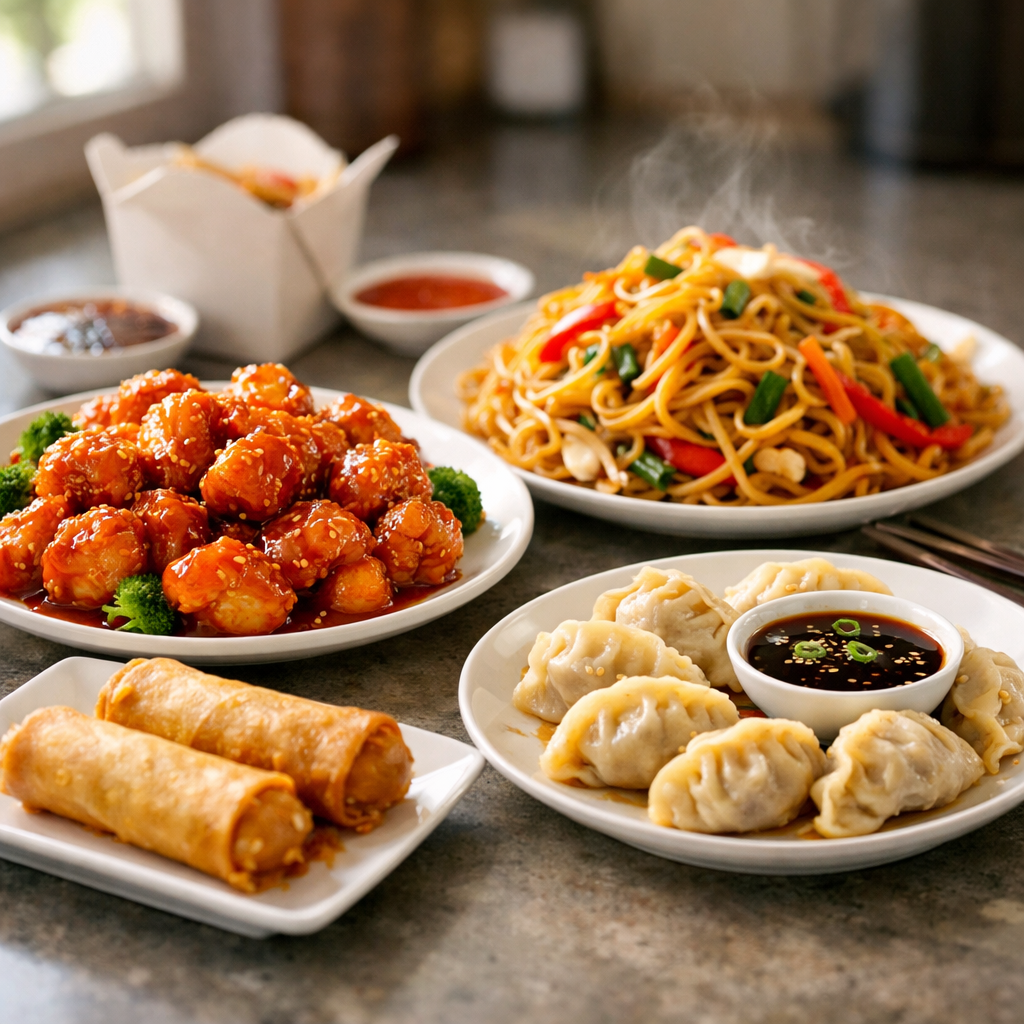
Reimagining Restaurant Favorites for Home Kitchens
The transformation of best Chinese takeout menu items into retail products begins with understanding what makes these dishes work in a commercial setting and how to preserve those qualities for home consumption. The challenge isn’t simply about recreating flavors—it’s about capturing the entire experience while adapting to the constraints of shelf-stable or frozen formats.
Shelf-stable sauces represent one of the most accessible entry points into this market. For comprehensive guidance on selecting authentic ingredients and suppliers, explore our professional guide to wholesale sourcing of authentic Chinese sauces. Think about the popularity of sweet and sour sauce, kung pao sauce, or black bean sauce in restaurants. These complex flavor profiles, traditionally prepared fresh in restaurant kitchens, can be preserved through careful formulation that maintains their aromatic intensity and balanced taste. The key is using high-quality ingredients and traditional preparation methods that honor the original recipes while ensuring stability and safety during storage and transportation.
Frozen entrees offer another compelling format, particularly for dishes where texture plays a crucial role. International buyers seeking to source these products should understand what international buyers really look for in Chinese prepared meals before placing orders. Orange chicken, beef and broccoli, or General Tso’s chicken can be prepared to restaurant standards, flash-frozen to lock in freshness, and packaged for convenient home preparation. The beauty of frozen formats lies in their ability to preserve not just flavor but also the textural elements that make these dishes memorable—the crispy coating on fried items, the tender bite of properly cooked proteins, the snap of fresh vegetables.
Ready-to-heat meals represent the pinnacle of convenience, catering to busy consumers who crave authenticity but lack the time for extensive meal preparation. These products walk a delicate line between convenience and quality. A truly successful ready-to-heat Chinese meal should deliver restaurant-caliber taste with minimal effort, requiring nothing more than a few minutes in the microwave or a quick reheat in a pan. The packaging technology and formulation expertise required to achieve this balance are sophisticated, but the payoff in customer satisfaction and repeat purchases is substantial.
Products with Proven Market Potential
When considering which takeout favorites to transform into retail products, market research and consumer behavior patterns provide valuable guidance. Understanding global ethnic food market size and high-growth categories helps identify the most promising opportunities. Chow mein, for instance, has demonstrated remarkable appeal across demographic groups, particularly among younger consumers who appreciate both its versatility and its Instagram-worthy presentation. The dish’s combination of noodles, vegetables, and protein in a savory sauce translates well to retail formats, whether as a frozen meal kit or a shelf-stable sauce paired with separately packaged noodles.
Asian appetizers represent another category with explosive growth potential. Spring rolls, pot stickers, crab rangoon, and bao buns have transcended their origins as restaurant starters to become standalone snack and meal options. These items appeal to consumers looking for quick bites, party foods, or components they can mix and match to create their own meals. The frozen format works particularly well for these products, as it preserves the textural contrast—crispy exteriors, tender fillings—that makes them so satisfying.
What makes these products particularly attractive from a retail perspective is their ability to serve multiple occasions. A package of frozen dumplings might be a quick weeknight dinner, an appetizer for a gathering, or a late-night snack. This versatility increases purchase frequency and builds brand loyalty as consumers discover different ways to incorporate these products into their routines.
However, success in this category demands unwavering attention to authenticity. Younger demographics, in particular, have become sophisticated consumers of Asian cuisine. They’ve eaten at authentic restaurants, traveled internationally, and educated themselves about different regional styles. They can tell the difference between a dumpling made with quality ingredients and traditional techniques and one that cuts corners. Flavor authenticity isn’t negotiable—it’s the foundation upon which all other product attributes must be built.
Equally important is texture stability. A spring roll that emerges from the oven soggy rather than crispy, or noodles that clump together or turn mushy after reheating, will quickly erode consumer trust. This is where expertise in food science and manufacturing processes becomes critical. Understanding how ingredients behave during freezing, storage, and reheating allows formulators to make adjustments that preserve the intended eating experience.
The Science of Preservation and Presentation
The journey from kitchen to shelf involves complex decisions about ingredients and packaging that directly impact product quality and consumer acceptance. According to USDA research on China’s pre-prepared food industry, the sector has evolved into a logistical powerhouse connecting agriculture, processing, and distribution. Preserving the aroma that makes Chinese cuisine so distinctive presents particular challenges. The fragrant notes of star anise, the pungency of fermented black beans, the heat of Sichuan peppercorns—these volatile compounds can dissipate or change during processing and storage. Selecting ingredients with stable aromatic profiles and using packaging that prevents flavor migration and oxidation are essential considerations.
Flavor preservation goes beyond aromatics to encompass the full taste profile of each dish. The umami depth of oyster sauce, the bright acidity of Chinese black vinegar, the subtle sweetness of Shaoxing wine—these elements must remain in balance throughout the product’s shelf life. Natural ingredients often perform better than artificial flavorings in maintaining this balance, though they may require more sophisticated handling and storage conditions.
Texture is perhaps the most challenging attribute to preserve. The tender-crisp bite of properly stir-fried vegetables, the slight chew of fresh noodles, the juicy tenderness of well-prepared proteins—these textural elements define the eating experience. Achieving them in a retail product requires understanding how different ingredients respond to freezing and reheating, and sometimes making strategic substitutions or preparation modifications that prioritize the final eating experience over strict adherence to traditional methods.
Clear, honest labeling has become non-negotiable in today’s marketplace. Consumers want to know exactly what they’re eating, from ingredient lists to nutritional information to allergen warnings. This transparency builds trust and demonstrates respect for the consumer’s right to make informed choices. For products crossing international borders, labeling must also comply with the regulations of each destination market, which can vary significantly in their requirements for language, nutritional formats, and disclosure thresholds.
Regulatory compliance extends beyond labeling to encompass food safety standards, import certifications, and documentation requirements. Our expertise in ready-to-eat Chinese food export regulations ensures smooth navigation of these complex requirements. Different markets have different rules about which ingredients are permitted, how products must be processed, and what testing and verification are required. At Jade Premium, our comprehensive compliance know-how ensures that products navigate these complex requirements smoothly, avoiding the costly delays and rejections that can derail less experienced exporters.
Building a Reliable Supply Chain
Manufacturing Chinese food products for international markets demands a supply chain that balances quality, consistency, and cost-effectiveness. For businesses considering production partnerships, understanding contract manufacturing food in China and its compliance requirements is essential. Sourcing high-quality ingredients is the first critical step. For authentic Chinese dishes, this often means working with specialized producers who understand traditional ingredients and preparation methods. The soy sauce that flavors a stir-fry sauce, the rice vinegar that brightens a dipping sauce, the dried mushrooms that add umami depth to a vegetarian entrée—each ingredient contributes to the final product’s authenticity and must meet strict quality standards.
Our extensive local network across major Chinese cities provides unparalleled access to premium ingredients and established manufacturers. This isn’t just about finding suppliers; it’s about building relationships with partners who share our commitment to quality and understand the specific requirements of international markets. These relationships enable us to verify supplier qualifications, conduct facility inspections, and ensure that every step of the production process meets the standards our customers expect.
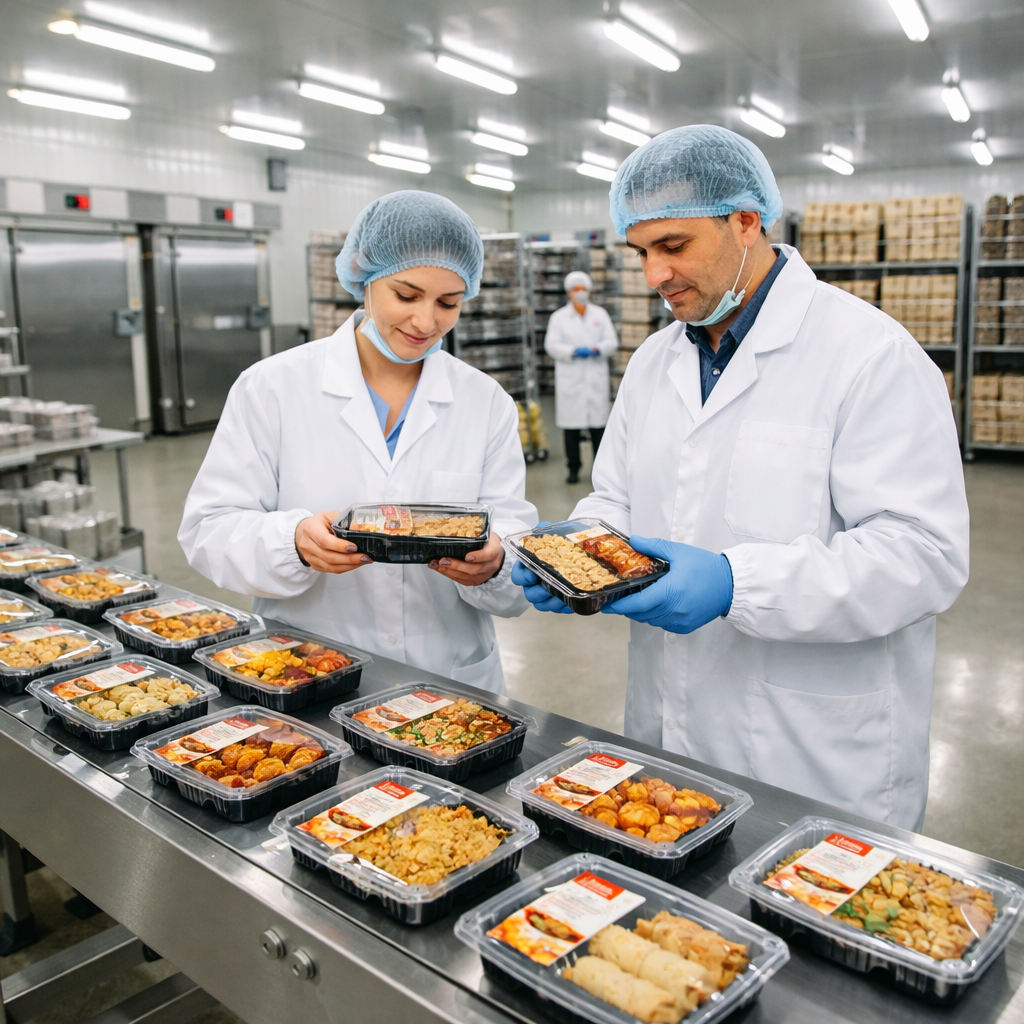
The cold chain represents another critical element in maintaining product quality. From the moment a product is manufactured until it reaches the consumer’s freezer, temperature control must be maintained without interruption. This requires sophisticated logistics planning, temperature-monitoring systems, and contingency plans for handling unexpected delays or equipment failures. Our integrated supply chain solutions include cold chain management as a core competency, ensuring that products arrive in optimal condition regardless of the distance or complexity of the journey.
Quality control can’t be an afterthought—it must be embedded throughout the production process. This means testing raw ingredients before they enter production, monitoring critical control points during manufacturing, conducting shelf-life studies to verify product stability, and performing final inspections before shipment. Learn more about the critical steps in conducting professional Chinese food supplier audits. Our end-to-end quality control approach minimizes risks and provides our partners with confidence that products will meet their specifications and satisfy their customers.
Understanding Today’s Consumer
Consumer behavior in the retail food market has evolved dramatically, driven by increased cultural awareness, health consciousness, and demand for transparency. Authenticity has emerged as a defining purchase criterion, particularly for ethnic and international foods. Consumers don’t just want products that taste vaguely Chinese—they want the real thing, prepared with traditional ingredients and methods that honor the dish’s cultural origins.
This desire for authenticity connects directly to a broader trend toward transparency in food production. Modern consumers want to know where their food comes from, how it’s made, and what’s in it. They’re reading labels, researching brands, and making purchase decisions based on values as much as taste. Products that can tell a compelling story about their origins, their ingredients, and the people behind them have a significant advantage in building consumer loyalty.
The “better-for-you” ingredient movement has also influenced Chinese food products in retail. Consumers increasingly seek options with cleaner ingredient lists, lower sodium content, absence of artificial preservatives, and inclusion of vegetables and whole grains. This doesn’t mean compromising on taste—it means being thoughtful about ingredient selection and formulation to deliver both flavor and nutritional value.
A successful retail strategy must address these consumer expectations while also considering practical market realities. Digital campaigns that educate consumers about Chinese culinary traditions, cooking techniques, and ingredient stories can build interest and credibility. Social media platforms offer opportunities to showcase products in authentic contexts, share recipes and serving suggestions, and engage directly with consumers who are passionate about food and cooking.
In-store tastings and demonstrations remain powerful tools for introducing new products and overcoming consumer hesitation about trying unfamiliar items. There’s no substitute for the sensory experience of tasting a product, seeing how it’s prepared, and asking questions of a knowledgeable brand representative. These face-to-face interactions build confidence and create memorable brand experiences that drive purchases.
Retail partnerships are equally important. Working with grocers who understand their customers’ interests in international foods and who are willing to invest in category education and promotion can significantly accelerate market acceptance. This might include dedicated shelf space that tells a brand story, recipe cards that inspire meal ideas, or cross-merchandising with complementary products that suggest complete meal solutions.
A Bridge Between Culinary Worlds
The transformation of best Chinese takeout menu items into retail success stories represents more than just a business opportunity—it’s an opportunity for cultural exchange and mutual understanding. Every package of dumplings, every jar of sauce, every frozen entrée carries with it centuries of culinary tradition, regional variations, and the stories of the people who perfected these recipes.
At Jade Premium, we see ourselves as more than facilitators of international food trade. We’re cultural ambassadors, helping Western consumers discover the depth and diversity of Chinese cuisine while supporting Chinese producers in reaching new markets. Our deep cultural and market expertise allows us to identify products with authentic appeal and global potential, then provide the support needed to transform that potential into retail reality.
Our commitment extends beyond individual transactions to building long-term partnerships that benefit everyone involved. For Chinese producers, this means access to international markets, guidance on meeting foreign standards and preferences, and logistical support that removes barriers to export success. For international retailers and importers, it means access to authentic products, reliable supply chains, and market intelligence that reduces risk and accelerates growth.
The philosophy that guides our work—bringing authentic Chinese cuisine to global tables—reflects our belief that food is one of the most powerful ways to build bridges between cultures. When a family in Toronto shares a meal of authentic Chinese dumplings, or when a restaurant in Berlin serves dishes made with traditional Chinese ingredients, they’re participating in a cultural exchange that fosters understanding and appreciation.
As we look toward the future of Chinese food in international retail markets, we see unlimited potential for innovation while staying true to tradition. New product formats, new flavor combinations, and new ways of telling the stories behind the food will continue to emerge. But at the core will always be a commitment to authenticity, quality, and the belief that great food has the power to bring people together across any distance or difference.
The journey from menu to market isn’t always easy, but for those willing to invest in quality, respect tradition, and build genuine partnerships, the rewards extend far beyond financial returns. They include the satisfaction of sharing cultural heritage, the pride of building businesses that matter, and the joy of knowing that somewhere in the world, someone is experiencing the authentic flavors of Chinese cuisine for the first time—and falling in love with a culinary tradition that has delighted palates for thousands of years.