
- What Makes a Sauce Actually "Authentic"?
- Certifications: More Acronyms Than Ingredients (And That's a Good Thing!)
- Navigating Sourcing Channels: Buffet or À La Carte?
- Vetting Suppliers: It's Like Dating, But With More Paperwork
- Quality Control: Becoming a Sauce Detective
- The Money Talk: Balancing Budgets While Juggling Bottles
- Logistics and Risk Management: Your Kitchen During Rush Hour
- Your Partner in This Flavorful Journey
Picture this: You’re standing in front of a massive warehouse shelf in Guangzhou, staring at 47 different varieties of chili sauce, each claiming to be “the authentic one.” The labels are a mix of Mandarin characters and questionable English translations that promise everything from “explosive mouth feeling” to “grandmother’s secret crying flavor.” Your phone translator app has given up, and you’re wondering if that business degree prepared you for this moment. Welcome to the wonderfully complex world of sourcing authentic Chinese sauces wholesale—where the journey is half linguistic adventure, half culinary treasure hunt, and entirely worth it when you get it right.
The allure of authentic Chinese sauces is undeniable. These aren’t just condiments; they’re liquid gold that can transform a mediocre dish into something people will drive across town for. From the deep umami punch of aged soy sauce to the numbing heat of Sichuan chili oil, these sauces carry centuries of culinary wisdom in every bottle. Much like sourcing authentic Chinese ingredients for your menu, finding genuine sauce suppliers requires understanding what true authenticity means beyond marketing claims. But here’s the catch: sourcing them wholesale without getting completely lost—both in translation and in a maze of suppliers, regulations, and quality concerns—requires more than just pointing at pictures and hoping for the best.
What Makes a Sauce Actually “Authentic”?
Let’s start with the million-dollar question: what does “authentic” even mean when we’re talking about Chinese sauces? It’s not just about slapping a dragon logo on a bottle and calling it a day. Authentic Chinese sauces are born from time-honored methods that would make your instant gratification-loving smartphone weep.
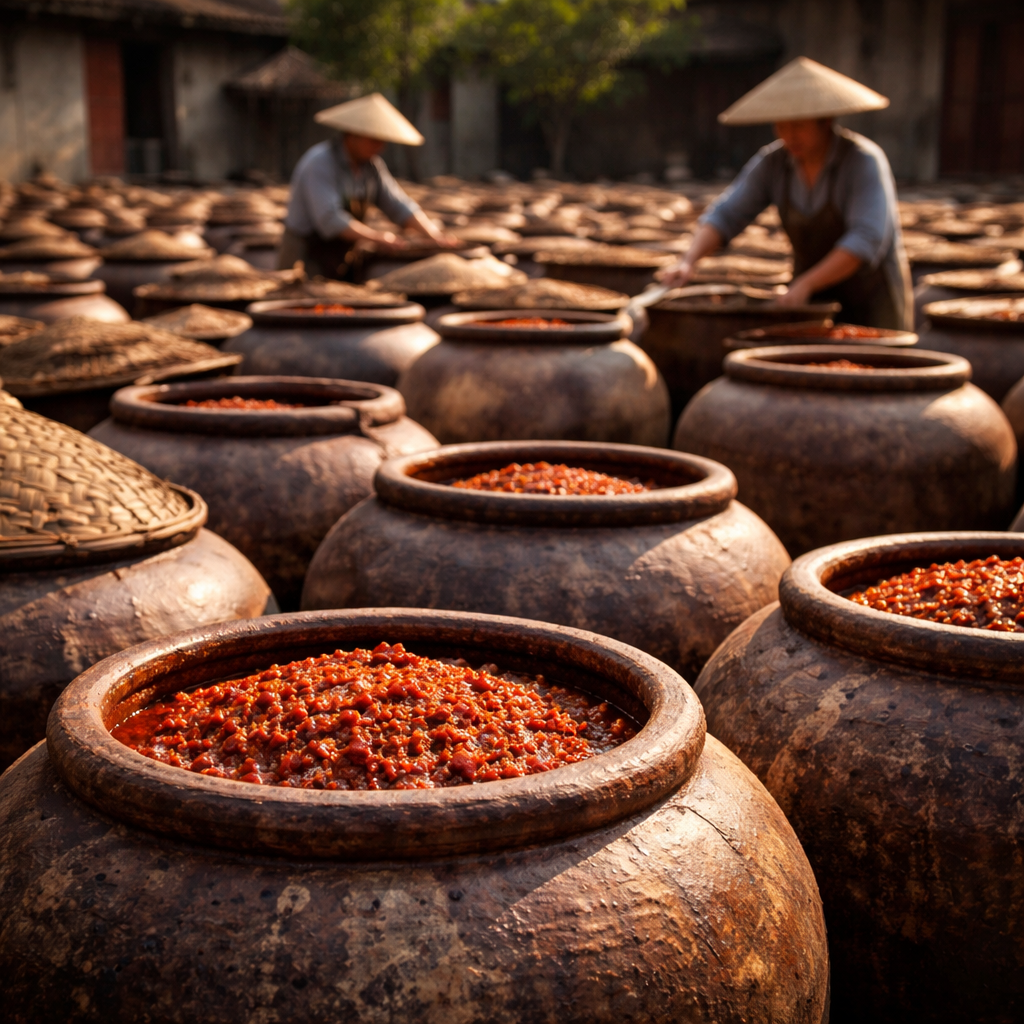
Take Pixian doubanjiang, the soul of Sichuan cuisine. Real Pixian doubanjiang isn’t made in a week—it’s fermented for at least three years in massive earthen jars under the sun. The process involves broad beans, chili peppers, salt, and patience. Lots and lots of patience. It’s like comparing a fine wine to grape juice; technically they start with similar ingredients, but that’s where the similarities end. The authentic stuff develops complex layers of flavor—salty, spicy, slightly sweet, and deeply savory—that a quick-made version can’t replicate, no matter how many artificial flavor enhancers it throws into the mix.
Or consider traditional soy sauce brewing, which follows methods dating back thousands of years. Authentic producers use whole soybeans and wheat, natural fermentation with koji mold, and aging that takes months. Compare this to chemically hydrolyzed versions that can be “ready” in days, and you’ll understand why authenticity matters. The authentic version tastes like depth and complexity; the shortcut version tastes like salt water with an attitude problem.
Authenticity isn’t just about following old recipes—it’s about respecting the story behind the sauce. This commitment to genuine quality mirrors the broader ethnic food market trends where buyers increasingly prioritize authenticity over cost savings. When you source authentic Zhenjiang vinegar, you’re not just buying a bottle of dark, slightly sweet vinegar; you’re buying a piece of Jiangsu province’s culinary heritage, where this vinegar has been perfected over generations. The authentic version uses glutinous rice and goes through a specific fermentation process that gives it that distinctive mellow sourness. It’s the difference between listening to a live orchestra and a MIDI file—technically both make music, but the experience is worlds apart.
Certifications: More Acronyms Than Ingredients (And That’s a Good Thing!)
Now, let’s talk about everyone’s favorite topic: paperwork! Specifically, certifications and regulations. I know, I know—reading about ISO standards and HACCP protocols sounds about as exciting as watching paint dry in slow motion. But here’s the thing: when it comes to importing food products across international borders, having more acronyms than actual ingredients on your supplier’s certificate wall is actually a beautiful sight.
Think of food safety certifications as the VIP passes of the wholesale sauce world. ISO 22000 isn’t just a random string of numbers and letters—it’s proof that your supplier takes food safety management seriously enough to have independent auditors crawling through their facilities. HACCP (Hazard Analysis and Critical Control Points) certification means they’ve identified every possible point where things could go wrong in their production process and put controls in place. It’s like having a paranoid perfectionist overseeing every step, which is exactly what you want when it comes to food safety.
For authentic Chinese sauces heading to international markets, you’ll want to see certifications that prove compliance with both Chinese standards and your destination country’s requirements. The China GACC (General Administration of Customs China) registration is non-negotiable for export. Depending on your target market, you might need FDA registration for the US, EU organic certification for Europe, or Halal certification for Middle Eastern markets.
Here’s where things get interesting: authentic producers who’ve earned these certifications have essentially proven they can maintain traditional production methods while meeting modern safety standards. It’s like finding a master chef who can cook a perfect century egg while also explaining the science behind the fermentation process and documenting every step for regulatory compliance. These suppliers have figured out how to honor tradition without cutting corners on safety—and that’s the sweet spot you’re looking for. Understanding contract manufacturing compliance requirements in China helps you evaluate whether suppliers truly meet international standards.
The beauty of working with properly certified suppliers is that they’ve already done the heavy lifting of ensuring their products can legally cross borders. They understand ingredient disclosure requirements, allergen labeling, and the approximately 47,000 other regulations that govern international food trade. This means fewer midnight panic attacks about your shipment being stuck at customs because someone forgot to mention the presence of soybeans on the label.
Navigating Sourcing Channels: Buffet or À La Carte?
Choosing how to source your authentic Chinese sauces is a bit like deciding between a buffet and an à la carte dining experience. Both can get you fed, but the experience, quality control, and level of customization are wildly different.
Going directly to manufacturers is the à la carte approach. You’re ordering straight from the kitchen, working with the people who actually make the sauce. The advantages? Better prices (no middleman markup), direct communication about customization options, and the ability to visit facilities and build relationships. The company behind those bottles becomes more than just a supplier—they become a partner in your success. However, this approach requires more legwork on your end. You’ll need to handle quality checks, navigate language barriers, and manage logistics yourself. It’s like planning a road trip versus hiring a tour guide—more work, but potentially more rewarding.
Then there’s working with established distributors and trading companies, your buffet option. These intermediaries have already done the hard work of vetting suppliers, managing logistics, and handling compliance. Companies like Jade Premium specialize in bridging the gap between authentic Chinese producers and international buyers. They’ve built relationships with premium manufacturers, understand both the source and destination markets, and can guide you through the cultural and logistical maze. The trade-off? Slightly higher prices in exchange for significantly reduced headaches and access to expertise that would take years to develop independently.
There’s also the hybrid approach—working with manufacturer-direct programs facilitated by trade service providers. This gives you some of the benefits of direct sourcing (transparency, relationship building) with the safety net of professional guidance. It’s like having a bilingual friend who’s also a food safety expert tag along on your sourcing trip—suddenly, those 47 varieties of chili sauce don’t seem quite so overwhelming.
For businesses just entering the Chinese sauce market, starting with a reputable trading partner often makes the most sense. Once you understand the landscape, your quality requirements, and your volume needs, you can decide whether direct manufacturer relationships make sense for your business model. Many successful importers work with experienced Chinese food distribution companies who’ve already established these critical supplier relationships and quality protocols.
Vetting Suppliers: It’s Like Dating, But With More Paperwork
Finding the right sauce supplier is remarkably similar to dating, except instead of checking if they like long walks on the beach, you’re verifying their food safety protocols and production capacity. And trust me, you want to be just as picky.
First date? Check their credentials. Would you trust someone who can’t produce a valid ID? Same goes for suppliers. Request business licenses, export licenses, and those precious certifications we discussed earlier. A legitimate supplier will have these ready faster than you can say “doubanjiang.” If they’re hemming and hawing about paperwork, that’s your cue to swipe left.
Due diligence is key—this is where you become a detective with a clipboard. Ask for production records, quality control documentation, and third-party lab test results. Authentic Chinese sauce producers who are serious about export markets will have detailed records of everything from raw material sources to fermentation times. They should be able to tell you not just what’s in the sauce, but where the chili peppers were grown, when the batch was fermented, and what the microbiological test results showed.
Here’s a pro move: ask about their backup plans. What happens if a key ingredient becomes scarce? How do they handle equipment failures? A supplier with contingency plans is like a partner who actually knows where the spare key is hidden—they’ve thought ahead about potential problems.
Don’t skip the factory visit if at all possible. Video calls work in a pinch, but nothing beats seeing the operation firsthand. Are fermentation jars actually outside aging under the sun, or are they suspiciously absent? Does the facility smell right? (Authentic fermented products have distinctive aromas that tell you real fermentation is happening.) Are workers following proper hygiene protocols? Your nose and eyes can catch things that paperwork might miss.
References matter too. Ask for contact information from current international clients. A supplier confident in their quality will happily connect you with buyers who can vouch for them. It’s like checking someone’s social media before agreeing to a second date—you’re just being smart. The importance of factory transparency in Chinese food sourcing cannot be overstated when building long-term supplier relationships.
Quality Control: Becoming a Sauce Detective
Once you’ve found a promising supplier, it’s time to channel your inner Sherlock Holmes and get serious about quality control. This is where things get deliciously detail-oriented.
Start with sample evaluation—and I don’t mean casually tasting something at a trade show and calling it good. Order multiple samples from different production batches. Real authentic Chinese sauces should show consistency across batches while maintaining their handcrafted character. You’re looking for consistent quality, not sterile uniformity. A properly fermented sauce might have slight natural variations in color or viscosity, but the core flavor profile should remain true.
Create a sensory evaluation protocol. Yes, I’m suggesting you become an official sauce taster, which is arguably the best job perk ever. Develop a systematic approach to evaluating color, aroma, texture, and taste. Does the chili oil have that distinctive red color from natural chilies, or does it look suspiciously day-glo? Does the soy sauce have complex umami depth, or does it just taste like salt? Your taste buds are quality control instruments—use them.
But don’t rely solely on sensory evaluation. Request third-party laboratory testing for each batch. This should include microbiological tests, heavy metal screening, pesticide residue analysis, and verification of nutritional claims. Think of it as a background check for your sauce—you’re making sure there are no nasty surprises hiding beneath the surface.
Documentation is your friend. Establish clear quality specifications in writing with your supplier. Detail acceptable ranges for everything from pH levels to salt content to color values. When both parties have agreed-upon benchmarks, it’s much easier to identify and address issues before they become problems. It’s like having a prenup, but for sauce—everyone knows what’s expected from the start.
Implement a pre-shipment inspection protocol. Before a container leaves China, have someone verify that what’s being shipped matches your quality specifications. This could be your own representative, a third-party inspection service, or your trading partner’s quality control team. Finding problems before shipment is infinitely cheaper and less stressful than discovering issues after 10,000 bottles arrive at your warehouse.
The Money Talk: Balancing Budgets While Juggling Bottles
Let’s address the elephant in the room—or rather, the price tag on the bottle. Sourcing authentic Chinese sauces wholesale requires financial savvy that would make your accountant proud, along with the balance of a circus performer juggling soy sauce bottles while riding a unicycle.
Understanding the real cost of authentic products is crucial. Yes, traditionally fermented Pixian doubanjiang costs more than the quick-made version. But here’s the thing: you’re not just paying for ingredients; you’re paying for time, expertise, and authenticity that your customers will taste. Cheap sauces might save money upfront, but they cost you in reputation when customers realize your “authentic” offerings taste like disappointment in a bottle.
Break down your total landed costs. The bottle price is just the beginning. Factor in international shipping, customs duties, import taxes, warehousing, quality control, potential currency fluctuations, and insurance. That $2 bottle might actually cost $5 by the time it reaches your shelf. Understanding these numbers prevents sticker shock and helps you price products appropriately for your market.
Negotiate smartly, not just aggressively. Volume discounts are standard in wholesale, but consider negotiating on other factors too: payment terms, exclusivity in your market, co-branding opportunities, or technical support. A good supplier relationship is worth more than squeezing out every last cent of discount. Remember, you’re building a partnership, not just making a transaction.
Plan for financial hiccups because they will happen. Maybe shipping costs suddenly spike. Perhaps exchange rates shift unfavorably. Your container gets delayed at customs for an extra week, incurring storage fees. Build a buffer into your budget—typically 10-15% cushion for unexpected costs. Smart inventory planning for food importers includes financial contingencies that protect against supply chain disruptions and market volatility. It’s like carrying an umbrella; you hope you won’t need it, but you’ll be grateful when the rain starts.
Consider the margin math carefully. Authentic products command premium prices, but only if customers understand and value that authenticity. Your marketing and education efforts become part of the cost equation. Can you effectively communicate why your traditionally fermented soy sauce is worth three times the price of the mass-produced version? If yes, those margins start looking very attractive. If no, you might need to reconsider your target market or education strategy.
Logistics and Risk Management: Your Kitchen During Rush Hour
Managing the logistics of importing authentic Chinese sauces is remarkably similar to running a commercial kitchen during dinner rush—there are a million moving parts, everything needs to happen in the right sequence, and one mistake can cascade into chaos. But with preparation and systems, it’s absolutely manageable.
Shipping logistics for sauces involve special considerations. These aren’t shelf-stable forever, and temperature fluctuations during transit can affect quality. Fermented products are living foods, and extreme temperatures can alter their character. Work with freight forwarders experienced in food products who understand temperature control requirements and can optimize shipping routes to minimize transit time.
Insurance isn’t optional—it’s essential. Marine cargo insurance protects against physical loss or damage during transit. Product liability insurance covers you if something goes wrong with the product itself. These policies might seem expensive until the one time you actually need them, at which point they’ll feel like the best money you’ve ever spent.
Diversify your supply chain where possible. Relying on a single supplier for critical products is risky. What if they have a production issue? What if there’s a natural disaster affecting their region? Having qualified backup suppliers doesn’t mean you’re being disloyal; it means you’re being smart. Think of it as having emergency contacts in your phone—you hope you never need them, but you’re glad they’re there.
Build buffer stock. This is especially important for products with longer production cycles, like traditionally fermented sauces. If your supplier needs three months for proper fermentation plus shipping time, you need to plan orders well in advance and maintain inventory that covers potential delays. Running out of your signature sauce is like a restaurant running out of rice—technically you could survive, but it’s embarrassing and costly.
Create contingency plans for common scenarios: port delays, customs issues, quality problems, supplier production delays, or sudden demand spikes. Having written protocols for these situations means you’re responding rather than panicking. When problems arise (and they will), you’ll be the calm professional with a plan, not the frantic buyer frantically making international calls at 3 AM. Proper export recall management protocols ensure you’re prepared for worst-case scenarios that can make or break international food businesses.
Your Partner in This Flavorful Journey
Navigating the complex world of authentic Chinese sauce sourcing doesn’t have to be a solo adventure. This is where Jade Premium’s philosophy comes into play—we believe in being more than just a middleman; we’re your partner in building a successful authentic food business.
Since 2015, Jade Premium has specialized in bridging the gap between authentic Chinese food producers and international markets. We’re not just moving products across borders; we’re transferring trust, quality, and cultural authenticity. Our presence in major Chinese cities means we have direct relationships with traditional producers—the ones still fermenting sauces in century-old earthen jars, not cutting corners with artificial accelerators.
Our approach is built on deep cultural and market expertise. We understand what makes a sauce authentically Chinese, and we also understand what international buyers need in terms of certifications, labeling, and quality assurance. We speak both languages—literally and figuratively—so nothing gets lost in translation. When a producer says their sauce is “traditionally fermented,” we know how to verify that claim and explain what it means for your business.
We’ve built an extensive local network across China, giving us unparalleled access to premium producers who meet international standards. Our team conducts factory visits, verifies certifications, manages quality control, and handles the complex logistics of international food trade. We’ve already done the detective work of vetting suppliers, so you don’t have to learn those expensive lessons yourself.
But beyond logistics and compliance, we share something deeper: a commitment to bringing authentic Chinese cuisine to global tables while maintaining the highest quality and safety standards. Every bottle we help you source carries not just great flavor, but also the story, heritage, and craftsmanship of Chinese culinary tradition. We believe that authentic food fosters understanding between cultures—one delicious bite at a time.
Your success is our success. When your customers taste the difference between authentic, traditionally produced Chinese sauces and mass-produced alternatives, they become believers. And believers become loyal customers who’ll seek out your products specifically because they know you don’t compromise on authenticity.
So here’s your invitation: take that first step toward sourcing authentic Chinese sauces with confidence. You don’t have to navigate this complex landscape alone. Partner with experts who’ve already mapped the territory, built the relationships, and learned from both successes and mistakes. Your journey to bringing authentic Chinese flavors to your market starts with a single decision—the decision to prioritize authenticity, quality, and partnership over shortcuts and compromises.
The world of authentic Chinese sauces is rich, complex, and absolutely worth exploring. Yes, there will be challenges—language barriers, regulatory hurdles, quality control diligence, and logistics puzzles. But with the right approach, the right partners, and the right commitment to authenticity, you’ll find that sourcing wholesale isn’t just possible—it’s profitable, rewarding, and surprisingly fun.
After all, you’re not just buying sauces. You’re bringing centuries of culinary wisdom to new audiences, building bridges between cultures, and offering your customers something genuinely special. And honestly, how many businesses can say their work involves making the world more delicious, one bottle at a time?