
Walk into any international supermarket today, and you’ll notice something interesting: familiar brands sitting alongside store-branded products that rival them in quality and appeal. This is the power of private label—a strategic approach that’s transforming how international food importers and distributors bring authentic Chinese cuisine to global consumers.
Private label Chinese food represents more than just repackaging existing products. It’s about creating unique offerings that reflect your brand’s identity while leveraging China’s manufacturing expertise. At its core, private label encompasses two distinct models: OEM (Original Equipment Manufacturer) and ODM (Original Design Manufacturer). In OEM arrangements, you provide complete product specifications and recipes to a manufacturer who produces according to your exact requirements. ODM partnerships offer more flexibility—manufacturers can propose existing formulas or collaborate on new product development, reducing your time-to-market while still maintaining brand exclusivity.
China’s position as a global hub for private label manufacturing isn’t accidental. The country has built extensive supplier networks spanning ingredients, packaging materials, and logistics infrastructure. Chinese manufacturers possess deep knowledge of traditional recipes and modern production techniques, making them uniquely positioned to deliver authentic products that meet international quality standards. With established export channels and experience navigating global compliance requirements, China offers international buyers a one-stop solution for private label Chinese food production.
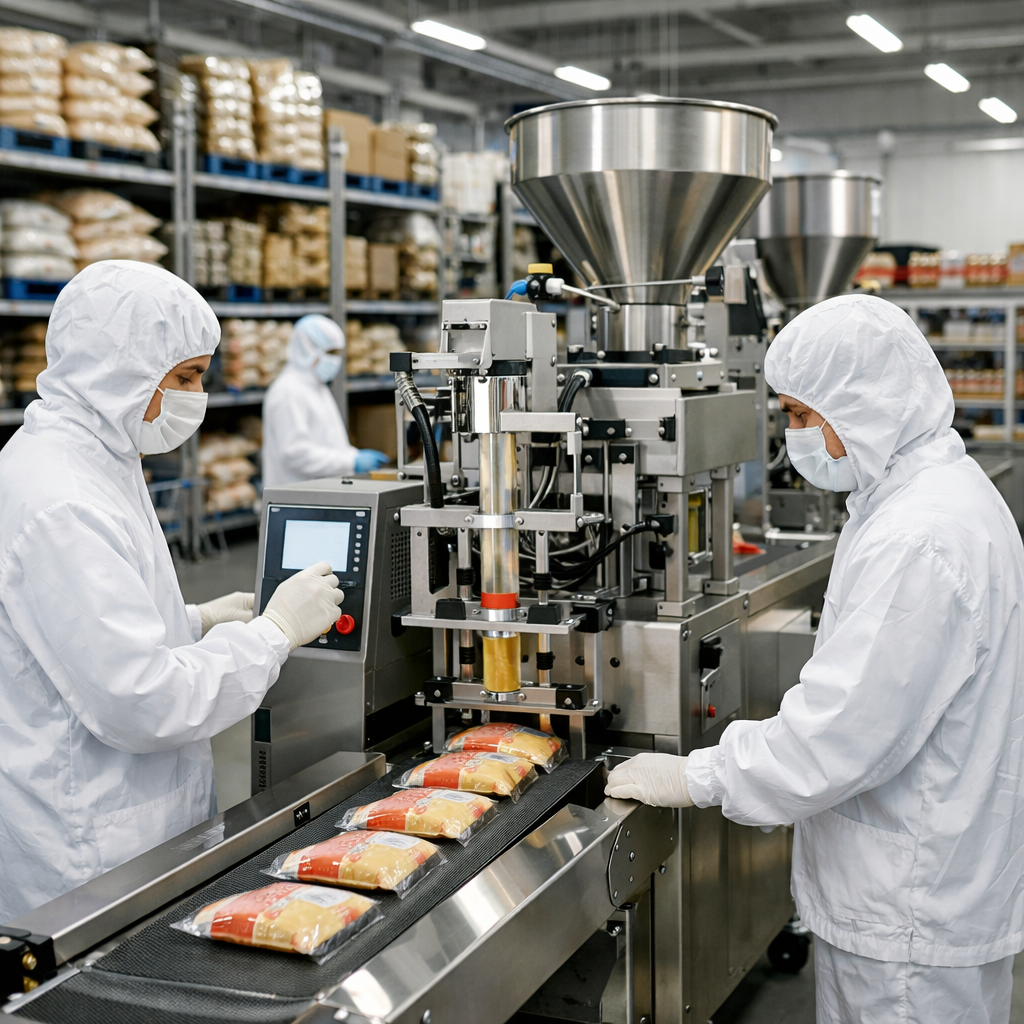
From Concept to Checkout: The Private Label Journey
Launching a private label Chinese food product requires careful orchestration across multiple stages. The journey begins with defining your product concept and target market. Understanding who will buy your product shapes every subsequent decision. Are you targeting health-conscious millennials seeking authentic Asian flavors? Or perhaps restaurant operators looking for convenient, authentic ingredients? Your answer determines recipe development, packaging design, and pricing strategy.
Creating detailed specifications comes next. This step demands precision. You’ll need to specify ingredient lists, nutritional profiles, shelf life requirements, and sensory attributes. For Chinese food products, authenticity matters—consumers increasingly recognize genuine flavors from simplified versions. Working with manufacturers who understand both traditional recipes and modern production scaling ensures your product delivers on its promise.
Selecting the right supplier requires due diligence beyond price comparisons. Visit facilities when possible. Review certifications like HACCP, ISO 22000, or BRC. Request product samples and conduct sensory evaluations. Ask about their export experience and existing international clients. A manufacturer’s track record with similar products reveals their capability to meet your standards consistently.
Packaging design bridges product quality and consumer perception. For private label Chinese food, packaging must accomplish multiple objectives: protect product integrity during international shipping, comply with labeling regulations across target markets, communicate authentic origins while appealing to local preferences, and reflect your brand positioning. Smart packaging choices balance these requirements without inflating costs unnecessarily.
Quality assurance cannot be an afterthought. Establish clear quality parameters before production begins. Conduct pre-production approvals of ingredients and packaging materials. Implement in-process monitoring during manufacturing runs. Perform final inspections before shipment. Third-party testing labs can verify compliance with food safety standards and nutritional claims, building buyer confidence and protecting your brand reputation.
Managing logistics requires understanding both Chinese export procedures and destination country import requirements. Work with freight forwarders experienced in food products—temperature control, customs documentation, and delivery timing all impact product quality and cost. Container optimization, insurance coverage, and contingency planning for delays protect your investment throughout the supply chain.
Finally, distributing to retail shelves demands relationship management and market knowledge. Different retail channels—from specialty Asian grocers to mainstream supermarket chains—have distinct requirements for product presentation, pricing, and promotional support. Understanding these expectations helps position your private label Chinese food for success.
The Players Behind Your Product
The private label supply chain involves multiple stakeholders, each contributing specialized expertise. Manufacturers form the foundation, transforming ingredients into finished products. Chinese food manufacturers range from large-scale operations producing millions of units monthly to smaller facilities specializing in traditional techniques. Their capabilities determine what’s feasible within your timeline and budget.
Brand owners—that’s you—drive product vision and market strategy. Your understanding of consumer needs, competitive positioning, and brand values guides decisions throughout development and launch. Success requires balancing creative ambition with practical constraints while staying responsive to market feedback.
Service providers like Jade Premium bridge the gap between brand owners and manufacturers. We handle supplier verification, negotiate contracts, manage quality control, navigate compliance requirements, and coordinate logistics. Our deep understanding of Chinese food production and international market demands helps you avoid costly mistakes while accelerating time-to-market. With offices across China’s major food production centers, we provide on-the-ground oversight that remote buyers cannot replicate.
Retailers ultimately connect your products with consumers. Their shelf space decisions reflect both product quality and strategic alignment. Building strong retailer relationships requires consistent quality, competitive pricing, and responsive support. Understanding their category strategies and promotional calendars helps you position products for maximum visibility.
Compliance challenges thread through every stage. Chinese food exports must satisfy both Chinese export regulations and destination country import requirements. Labeling demands vary significantly—ingredient declarations, allergen warnings, nutritional panels, and origin statements all require precise formatting. Different markets impose unique restrictions on additives, preservatives, and processing methods. Staying current with evolving regulations protects against costly shipment rejections or recalls. Professional trade service providers maintain compliance expertise across multiple markets, translating complex requirements into actionable production guidelines.
What’s on the Menu: Product Categories and Economics
Private label Chinese food spans diverse categories, each with distinct production considerations and market opportunities. Sauces and condiments—from soy sauce and oyster sauce to spicy chili oils and dumpling dipping sauces—represent high-volume opportunities with relatively straightforward production. Their long shelf life and versatile applications make them attractive entry points for private label programs.
Ready-to-eat meals cater to convenience-seeking consumers while showcasing authentic Chinese cuisine. Frozen dumplings, spring rolls, and bao buns require more complex production involving multiple processing steps and cold-chain logistics. However, their premium positioning often supports higher margins. Ready-to-cook meal kits bundle ingredients with recipes, offering authentic experiences for home cooks while simplifying complex preparations.
Snacks and specialty items create differentiation opportunities. Preserved plums, rice crackers, tea products, and traditional sweets appeal to both ethnic consumers seeking familiar flavors and adventurous eaters exploring new tastes. These categories often feature unique ingredients or traditional processing methods that resist commodity competition.
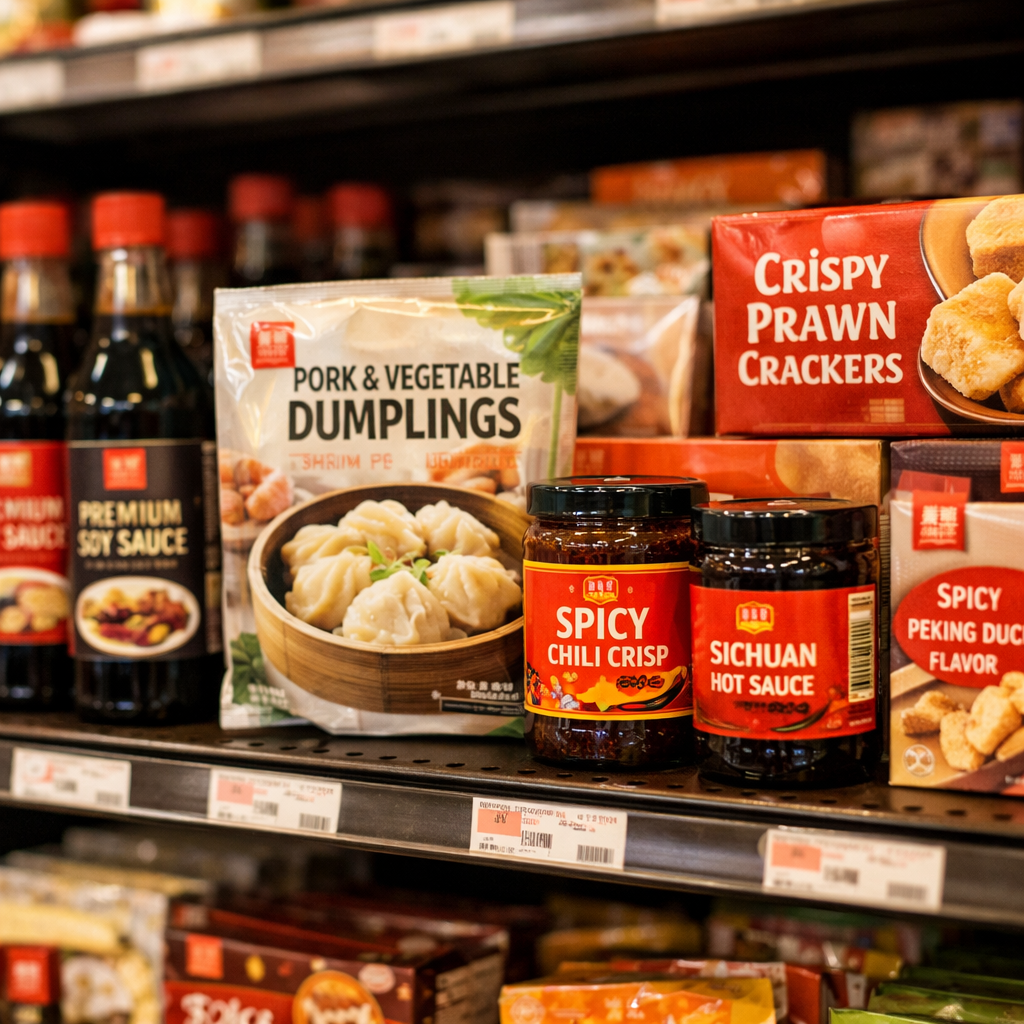
Understanding cost drivers helps you price competitively while maintaining profitability. Ingredient sourcing significantly impacts costs—premium ingredients command higher prices but justify premium positioning. Seasonal availability affects pricing and supply reliability. Packaging choices range from basic functional designs to elaborate presentations that communicate quality and authenticity. Production complexity scales with recipe intricacy—simple mixing operations cost less than multi-step cooking and assembly processes.
Minimum order quantities influence unit economics. Larger production runs reduce per-unit costs through better ingredient pricing and manufacturing efficiency. However, they require larger upfront investments and create inventory risk. Balancing order sizes against sales velocity prevents both stockouts and excess inventory.
Timelines from concept to delivery typically span 3-6 months for established product types, longer for innovative offerings. Recipe development and approval might require several weeks. Sampling and refinement add time but improve final product quality. Production scheduling depends on manufacturer capacity and your order size. International shipping adds 4-8 weeks depending on transportation mode and destination.
Weighing the Opportunities and Obstacles
Private label Chinese food offers compelling advantages for international food importers and distributors. Market entry speed surpasses developing in-house production capabilities—leveraging existing manufacturing infrastructure accelerates launch timelines. You can test market response quickly and adjust based on consumer feedback.
Quality consistency stems from professional manufacturing operations with established processes and quality systems. Experienced manufacturers understand ingredient handling, processing parameters, and packaging requirements that ensure every production run meets specifications. This consistency builds consumer trust and repeat purchases.
Branding control allows you to shape product positioning, visual identity, and messaging without compromise. Your private label becomes a unique asset that competitors cannot replicate, building customer loyalty and supporting premium pricing. As your brand gains recognition, it creates barriers to entry against new competitors.
However, challenges demand careful management. Intellectual property protection requires clear contractual agreements. Ensure your recipes, formulas, and product specifications remain confidential. Use non-disclosure agreements and limit information sharing to essential parties. Register trademarks in relevant markets before launch to prevent unauthorized use.
Supply chain management complexity increases with international operations. Communication across time zones and languages requires patience and clarity. Cultural differences in business practices and expectations need understanding and respect. Quality standards must be explicitly defined—assumptions lead to misunderstandings and disappointment.
Regulatory demands vary across markets and change over time. Different countries impose distinct requirements for ingredients, additives, labeling, and food safety certifications. Staying compliant requires continuous monitoring and adaptation. Working with experienced trade partners who maintain current regulatory knowledge helps navigate these complexities.
Mitigating these challenges starts with thorough supplier vetting. Visit facilities, review certifications, check references from existing international clients. Begin with smaller trial orders before committing to large production volumes. Establish clear quality agreements with defined acceptance criteria and inspection procedures. Build contingency plans for supply disruptions, quality issues, or regulatory changes.
Meeting Modern Consumer Expectations
Today’s consumers demand more than just good-tasting food. They seek transparency about product origins, ingredient sourcing, and production methods. Private label Chinese food must address these expectations directly. Clear labeling that tells your product’s story—where ingredients come from, how they’re processed, traditional methods preserved—builds authenticity and trust.
Sustainability concerns influence purchasing decisions increasingly. Consumers want to know that products respect environmental limits and social responsibility. Highlighting sustainable sourcing practices, eco-friendly packaging choices, and ethical manufacturing standards resonates with conscious consumers. China’s food industry has made significant strides in sustainability, from organic ingredient production to waste reduction initiatives.
Cultural diversity in food offerings reflects changing demographics and growing culinary curiosity. International consumers increasingly appreciate authentic flavors and traditional preparations rather than adapted versions. Private label programs that honor genuine Chinese culinary heritage while ensuring food safety and convenience appeal to both ethnic communities and adventurous mainstream consumers.
This philosophy aligns perfectly with Jade Premium’s mission. We believe in promoting natural, premium, and healthy products that celebrate Chinese culinary traditions. Our approach goes beyond mere transactions—we share the stories, cultural significance, and craftsmanship behind Chinese food exports. By connecting authentic Chinese cuisine with global markets, we help international buyers understand not just what they’re purchasing, but why these products matter culturally and gastronomically.
Our commitment to quality control and supply chain transparency ensures every product meets international standards while preserving authentic characteristics. We believe that Chinese cuisine’s rich heritage deserves professional representation in global markets, presented with integrity and pride.
Your Private Label Launch Checklist
Ready to launch your private label Chinese food product? Start with these essential steps:
Identify Your Target Market: Research consumer preferences, competitive landscapes, and market gaps in your target regions. Understand pricing expectations, preferred packaging formats, and distribution channels. This foundation guides all subsequent decisions.
Verify Manufacturer Capabilities: Don’t rely solely on promotional materials. Request facility certifications, quality system documentation, and existing client references. Learn more about supplier verification best practices. Ask about production capacity, equipment capabilities, and export experience. If possible, visit facilities to assess operations firsthand.
Create Detailed Product Specifications: Document every aspect of your product—ingredients with specifications and acceptable substitutions, processing methods and critical control points, packaging requirements and labeling content, shelf life and storage conditions, sensory attributes including appearance, aroma, taste, and texture.
Ensure Comprehensive Compliance: Identify all regulatory requirements for your target markets. Review ingredient restrictions, additive regulations, and processing method limitations. Understanding Chinese food export compliance helps prevent costly rejections. Verify labeling requirements including language, format, and mandatory declarations. Obtain necessary certifications such as HACCP, halal, kosher, or organic as applicable to your markets.
Plan Logistics and Distribution: Map your supply chain from factory to final destination. Select freight forwarders with food product experience. Understand customs procedures and documentation requirements. Plan warehousing and distribution to retail channels. Build contingency plans for delays or disruptions.
The journey from factory floor to global grocery aisles demands attention to detail, cultural understanding, and professional partnership. Private label Chinese food offers international buyers a pathway to unique product offerings that build brand equity and customer loyalty. With careful planning, quality focus, and experienced partners supporting your vision, your private label program can deliver authentic Chinese cuisine to consumers worldwide.
Whether you’re exploring private label opportunities for the first time or expanding existing programs, the key lies in balancing authenticity with market demands, quality with cost efficiency, and speed with sustainability. The result? Products that honor Chinese culinary heritage while meeting modern consumer expectations—bringing authentic Chinese cuisine to global tables, one carefully crafted product at a time.