
The email arrived on a Wednesday morning. A routine shipment of frozen chicken products had just cleared customs when the notification came through: voluntary recall initiated by the supplier. Within hours, what seemed like a manageable domestic issue in one country transformed into an international crisis involving distributors across three continents, thousands of retail locations, and potential legal liabilities that would take months to untangle. For the importer, the painful realization set in—they had learned about the contamination risk weeks after the products entered their supply chain, and by then, some items had already reached consumers’ plates.
This scenario plays out more frequently than industry professionals care to admit. According to recent data tracking global food safety trends, the first quarter of 2025 saw sharp increases in food recall international trade incidents across critical supply chains. From contaminated baby formula spanning multiple countries to tainted fruit causing thousands of illnesses worldwide, cross-border recalls have become one of the most challenging aspects of international food commerce. The complexity isn’t just about managing logistics—it’s about navigating different regulatory frameworks, communication barriers, and the harsh reality that information often travels slower than the products themselves.

Understanding Cross-Border Food Recalls
Cross-border food recalls occur when products distributed across international markets must be withdrawn due to safety concerns. Unlike domestic recalls, these incidents involve multiple regulatory agencies, different legal frameworks, and complex supply chains that can obscure the origin and extent of contamination.
Common triggers include undeclared allergens that weren’t properly labeled for all destination markets, microbial contamination like Salmonella or Listeria that develops during transport or storage, foreign material contamination ranging from plastic fragments to metal shavings, and chemical hazards including unauthorized additives or pesticide residues. In 2024, Denmark recalled popular Buldak noodles, Canada discovered paint contamination in flour, and Japan dealt with quality issues in sliced bread—each incident highlighting different vulnerabilities in international food supply chains.
The regulatory landscape governing these recalls centers primarily on the Food Safety Modernization Act (FSMA) in the United States, which fundamentally shifted responsibility upstream. Under FSMA, the Foreign Supplier Verification Program (FSVP) places explicit obligations on importers to verify that food imported into the United States meets the same safety standards as domestically produced food. The FSVP importer—defined as the U.S. owner or consignee of the food at the time of entry, or the U.S. agent or representative of the foreign owner—must conduct hazard analyses, evaluate and approve foreign suppliers, and implement ongoing verification activities.
The FDA and U.S. Customs and Border Protection (CBP) work together to enforce these requirements. Importers must ensure their customs brokers transmit accurate entry declarations, and failure to comply can result in products being refused entry, detained, or subject to mandatory recalls and compliance actions. The FDA maintains a public list of importers subject to FSVP regulations, increasing transparency but also accountability. When recalls occur, the FDA coordinates with international counterparts, but the speed and effectiveness of these communications vary significantly across different countries and regions.
The Challenges Importers Face
The fundamental challenge lies in the sheer complexity of global supply chains. A single imported food product might involve raw materials from multiple countries, processing in another location, packaging elsewhere, and distribution through various intermediaries before reaching the final market. Each handoff represents a potential point of failure and a gap in information flow.
Many importers conduct insufficient supplier verification, treating FSVP compliance as a checkbox exercise rather than a comprehensive risk management strategy. They may review documentation without truly understanding the supplier’s production processes, quality control measures, or track record. This superficial approach leaves them vulnerable when issues arise. One importer of dietary supplements learned this lesson when their foreign supplier’s facility received a warning letter from the FDA—something that would have been discovered through proper verification procedures months earlier.
Communication delays compound these problems. While products move rapidly through modern logistics networks, information about safety issues often crawls through bureaucratic channels, language barriers, and time zone differences. An importer might discover a contamination issue only after local health authorities in the destination country identify illnesses and trace them back through the supply chain—a process that can take weeks or even months.
The consequences of these “late learnings” extend far beyond the immediate recall costs. Financial impacts include the direct costs of retrieving and destroying products, potential legal liabilities from consumer illnesses, and lost revenue from disrupted sales channels. Regulatory consequences may involve increased inspection frequency, import alerts that delay future shipments, and potential exclusion from certain markets. Perhaps most damaging is the reputational harm—retailers lose confidence, consumers switch to competitors, and years of brand-building can evaporate overnight.
In 2022, Abbott Nutrition’s recall of Similac baby formula demonstrated how quickly a recall can escalate. What began as a quality concern at a single facility in Michigan triggered a nationwide shortage in the United States and affected international markets that relied on Abbott’s exports. Importers and distributors worldwide faced angry customers, empty shelves, and difficult questions about why they hadn’t identified potential risks earlier in their supply chain.
Proactive Measures for Importers
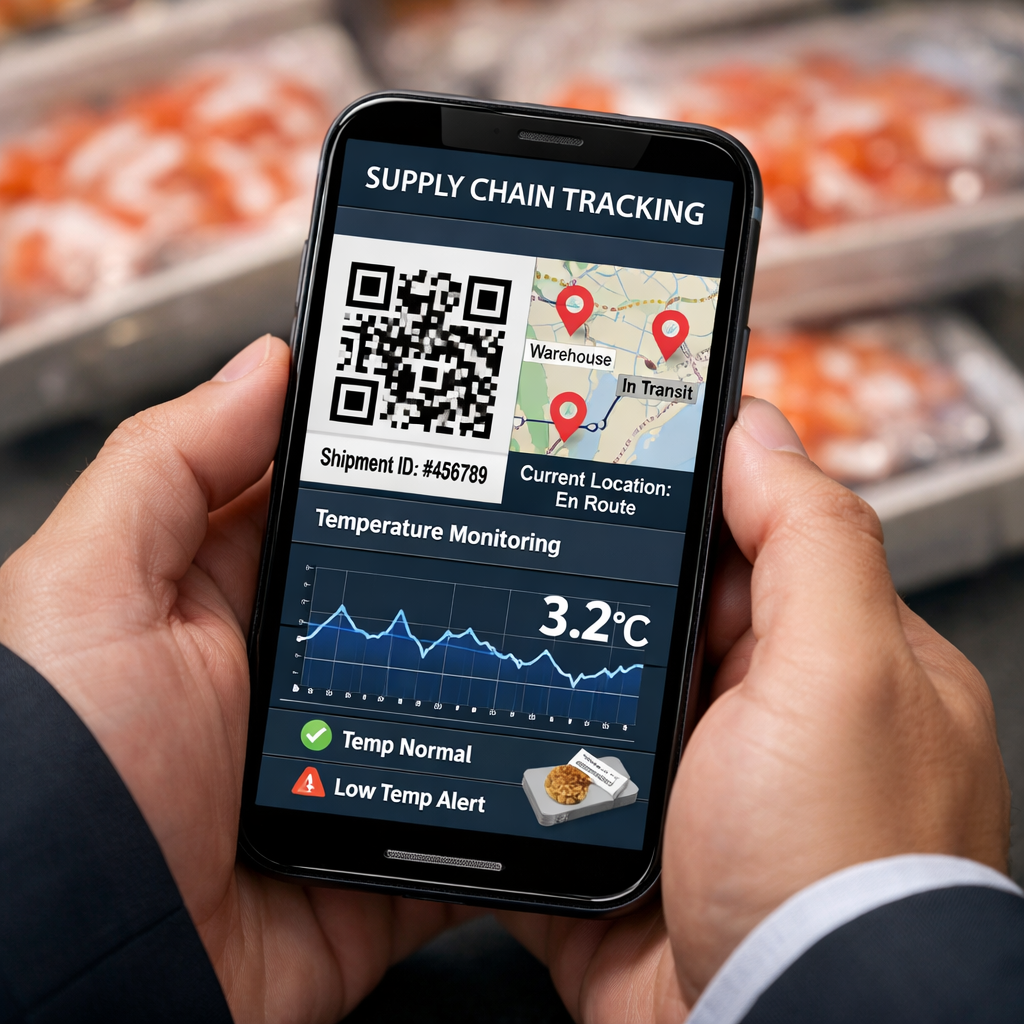
The key to managing cross-border food recall international trade risks lies in shifting from reactive crisis management to proactive prevention. This starts with establishing comprehensive traceability systems that track products from origin to final destination. Effective traceability means knowing not just who your direct supplier is, but understanding their entire production chain—where raw materials come from, how products are processed, and how they move through the distribution network.
Modern technology makes this increasingly feasible. Blockchain-based systems, IoT sensors, and digital supply chain platforms can provide real-time visibility into product movement and conditions. These tools allow importers to quickly identify affected batches, understand distribution patterns, and execute targeted recalls rather than broad, costly withdrawals. One European importer of Chinese seafood products implemented a QR code system that links each package to detailed production records, transportation logs, and quality test results—enabling them to trace any item back to its source within minutes rather than days.
Improving FSVP practices means going beyond minimum compliance requirements. Conduct thorough hazard analyses that consider not just the product itself but the entire supply chain context. Evaluate suppliers based on comprehensive criteria including facility inspections, third-party audits, historical performance data, and their own supplier management practices. Implement verification activities that include regular testing, document reviews, and on-site audits appropriate to the risk level of each product and supplier.
Importantly, this verification should be dynamic rather than static. A supplier who passes an initial audit may experience changes in ownership, production processes, or raw material sources that alter their risk profile. Continuous monitoring through periodic reassessments, alert systems for regulatory actions, and open communication channels helps importers stay informed about potential issues before they become crises.
Preparing for recall scenarios requires advance planning that most importers neglect. Develop detailed recall procedures that specify roles and responsibilities, communication protocols, and decision trees for different scenarios. Establish relationships with key stakeholders—regulatory authorities, legal advisors, public relations professionals, and logistics partners—before you need them. Run simulation exercises that test your team’s ability to execute recalls quickly and effectively.
Real-time alert systems represent another critical capability. Subscribe to FDA enforcement reports, international food safety databases like GlobalRecalls, and industry-specific monitoring services that aggregate recall information from multiple countries. These tools can provide early warning when suppliers face issues, even before formal recall notifications reach you. Some sophisticated importers use artificial intelligence to scan news sources, social media, and regulatory websites for potential signals of emerging food safety problems in their supply chains.
Data-sharing mechanisms between supply chain partners create collective intelligence that benefits everyone. When suppliers, importers, distributors, and retailers share information about test results, inspection findings, and near-miss incidents, the entire network becomes more resilient. This requires building trust and establishing clear protocols about confidentiality and liability, but the benefits far outweigh the coordination costs.
Building a Culture of Food Safety
At Jade Premium, we recognize that managing food recall international trade risks goes beyond compliance checklists and technology systems. It requires embedding food safety into the fundamental culture and operations of international trade partnerships. Our comprehensive approach to global premium food supply chain services reflects this philosophy.
With offices spanning Hong Kong, Shenzhen, Guangzhou, Shanghai, Chengdu, Wuhan, and Changsha, our extensive local network provides unparalleled access to high-quality Chinese food products while maintaining rigorous verification of supplier qualifications. We understand that authentic Chinese cuisine deserves to reach global tables not just with its flavors intact, but with absolute confidence in its safety. This means conducting thorough hazard analyses for every product category we handle—from premium meats and seafood to dim sum and hotpot ingredients—and implementing verification activities appropriate to each risk profile.
Our deep cultural and market expertise allows us to bridge the gap between Chinese production practices and international regulatory expectations. We help suppliers understand requirements like FSVP before products even leave China, and we work with international buyers to establish realistic verification protocols that account for cultural and operational differences. This proactive approach has helped our clients avoid the painful “late learnings” that plague many importers.
The integration of end-to-end quality control throughout our supply chain—from source verification through delivery—creates multiple checkpoints where potential issues can be identified and addressed. Our logistics optimization doesn’t just focus on speed and cost; it includes temperature monitoring, contamination prevention, and maintaining documentation integrity that supports rapid traceability if issues arise.
When we position ourselves as “a trusted curator and professional trade facilitator,” this means taking responsibility for the entire journey of food products across borders. It means being transparent about risks, honest about limitations, and committed to continuous improvement in food safety practices. Our vision of promoting mutually beneficial international food trade partnerships recognizes that trust—built through consistent safety performance—is the foundation of sustainable commerce.
Conclusion
Cross-border food recalls represent one of the most significant challenges in international trade, but they also offer important lessons about the need for proactive risk management. Importers who learn these lessons too late face financial losses, regulatory consequences, and reputational damage that can take years to overcome. Those who invest in comprehensive traceability systems, rigorous supplier verification, prepared recall procedures, and real-time monitoring capabilities position themselves to prevent many recalls and manage inevitable incidents with agility and professionalism.
The global food trade will continue growing more complex, with longer supply chains, more diverse products, and evolving consumer expectations. Success in this environment requires moving beyond transactional relationships to true partnerships built on shared commitment to food safety. It demands cultural understanding that bridges Eastern and Western approaches to quality control. And it necessitates transparency that allows information to flow as quickly as the products themselves.
At Jade Premium, our commitment to delivering safe, premium culinary experiences globally reflects our belief that exceptional food deserves exceptional care throughout its journey. By sharing the rich cultural heritage of Chinese cuisine internationally with uncompromising attention to safety, we aim to build trust and understanding between markets. The lessons from cross-border recalls remind us that this trust is earned through daily vigilance, not just claimed through marketing slogans.
For importers navigating these challenges, the question isn’t whether recalls will occur—they will. The question is whether you’ll learn about them early enough to protect your customers, your business, and the trust you’ve built in international markets. The time to prepare isn’t when the recall notification arrives. It’s today, through the systems you build, the partnerships you cultivate, and the culture of food safety you embed throughout your operations.