
- Building the Foundation: The Global Framework for Food Exports
- Navigating the American Market: FDA Requirements Demystified
- The European Union: Precision and Consumer Protection
- China's Export Gateway: GACC Requirements
- Common Pitfalls: Learning from Real Failures
- Building a Compliant Export Program: Practical Steps Forward
Every year, thousands of containers filled with premium Chinese food products arrive at international ports, only to face rejection. The reasons? Missing certifications, incorrect labeling, or incomplete documentation. For exporters who’ve invested months in production and logistics, these rejections represent devastating financial losses and damaged relationships with international buyers.
Understanding Chinese food export compliance isn’t just about ticking regulatory boxes. It’s about navigating a complex web of international requirements where a single oversight can send your entire shipment back home. For companies eager to share authentic Chinese cuisine with global markets, the stakes couldn’t be higher.
The challenge extends beyond simply knowing the rules. Different markets impose different requirements, and these regulations evolve constantly. For exporters navigating international food trade, staying current with regulatory changes is essential. What worked for your last shipment to Europe might not work today. What passes inspection in one U.S. port might face additional scrutiny in another. This regulatory landscape demands more than basic knowledge—it requires vigilance, preparation, and a systematic approach to compliance.

Building the Foundation: The Global Framework for Food Exports
Successful food exports begin long before your products reach the container. The foundation lies in establishing documented safety systems that meet international standards. This means implementing robust quality control measures, obtaining necessary certifications, and registering your facilities with regulators in both China and destination countries.
Your compliance framework starts with China’s General Administration of Customs (GACC), which requires exporters to register and maintain specific qualifications for different product categories. But registration with Chinese authorities is only the beginning. Each target market imposes its own registration requirements, creating a multi-layered compliance structure that exporters must navigate simultaneously.
The most effective approach combines proactive compliance measures with market-specific knowledge. Understanding how Chinese frozen foods reach global markets requires systematic compliance planning. This means understanding not just what documents you need, but why regulators require them and how they verify compliance. Jade Premium has observed that successful exporters treat compliance as an ongoing process, not a one-time checklist. They build relationships with regulatory bodies, stay informed about policy changes, and maintain flexible systems that can adapt to new requirements.
Market-specific regulations reflect each country’s unique food safety priorities and consumer protection standards. The United States emphasizes traceability and preventive controls. The European Union focuses on comprehensive documentation and precautionary principles. Understanding these philosophical differences helps exporters anticipate requirements and build compliance strategies that align with regulatory expectations.
Navigating the American Market: FDA Requirements Demystified
The United States represents one of the most lucrative yet demanding markets for Chinese food exports. The Food and Drug Administration (FDA) operates a sophisticated import screening system designed to protect American consumers from potential food safety risks. For exporters, this means meeting several critical requirements before your products even leave China.
Prior Notice stands as the first hurdle. Every food shipment destined for the United States must be electronically reported to FDA before arrival. This isn’t a simple notification—it requires detailed information about your product, its ingredients, manufacturing location, and intended use. Inaccurate or incomplete Prior Notice submissions trigger automatic detention, leaving your shipment stuck at the port while you scramble to provide corrections.
Facility registration represents another non-negotiable requirement. Any facility that manufactures, processes, packs, or holds food for U.S. consumption must register with FDA. This registration must be renewed biennially, and failure to maintain current registration can result in refused entry. Many Chinese exporters overlook this requirement, assuming that registration completed years ago remains valid indefinitely.
The Food Safety Modernization Act (FSMA) has transformed U.S. import requirements since its implementation. FSMA shifts the focus from responding to contamination to preventing it. For foreign suppliers, this means implementing hazard analysis and risk-based preventive controls that meet FDA standards. Your U.S. importers must verify that your facility complies with FSMA requirements, creating a shared responsibility for food safety.
Building a robust food safety plan under FSMA requires identifying potential hazards in your production process and implementing controls to prevent them. This includes monitoring critical control points, maintaining detailed records, and conducting regular internal audits. The FDA may request these documents during import screening, and incomplete or inconsistent records can trigger shipment detention.
Documentation accuracy cannot be overstated. Every certificate, invoice, and declaration must match your actual product precisely. A recent case involved a Chinese seafood exporter whose shipment was refused because their Certificate of Analysis listed slightly different moisture content than their commercial invoice. The discrepancy raised concerns about product authenticity, resulting in a costly shipment refusal.
The European Union: Precision and Consumer Protection
European Union import requirements reflect the region’s commitment to consumer protection and precautionary principles. For Chinese food exporters, entering the EU market demands meticulous attention to health certificates, labeling standards, and comprehensive documentation.
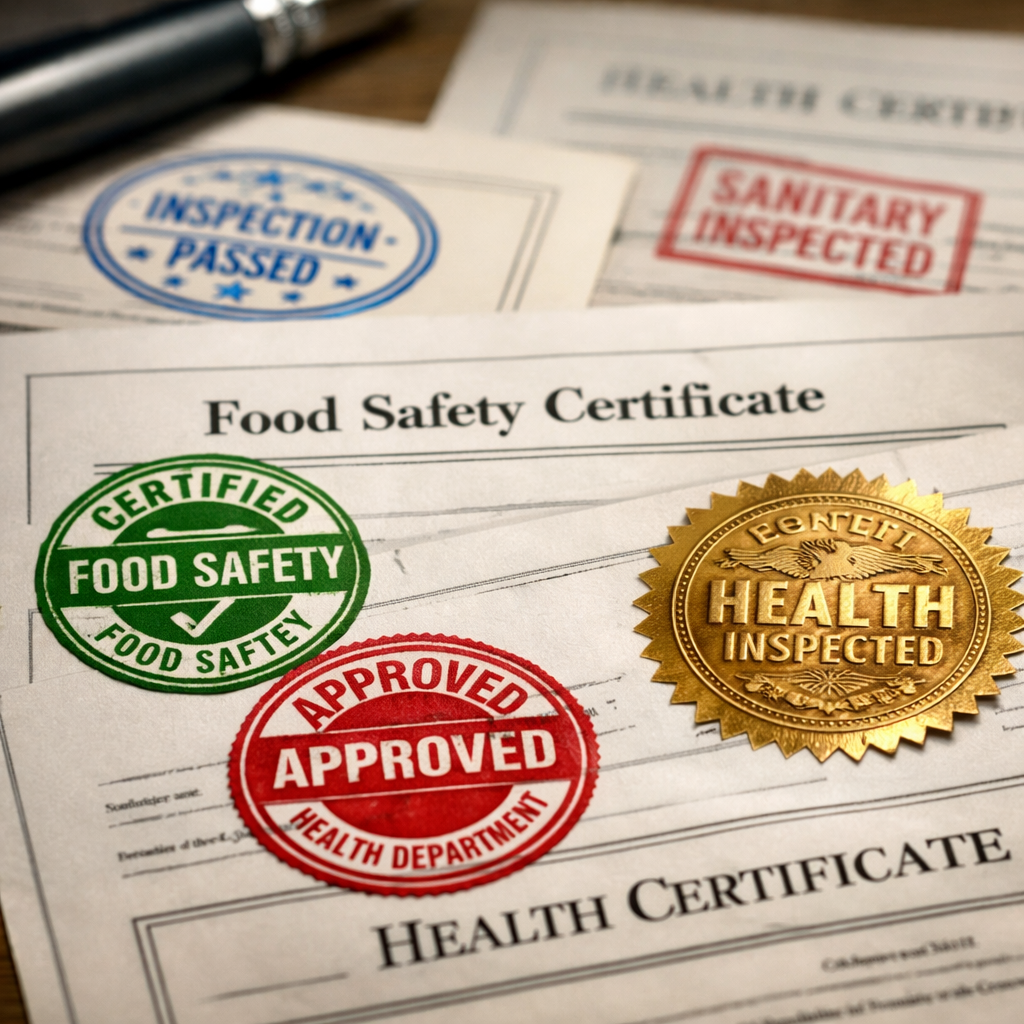
Health certificates issued by Chinese authorities must accompany most food products entering the EU. Similar to requirements for Chinese seafood exports, these certificates verify compliance with destination market standards. These certificates verify that products meet EU safety standards and originate from facilities approved for export to Europe. The challenge lies in understanding which specific certificate your product requires, as different food categories demand different documentation.
EU labeling requirements are notoriously strict. Labels must be in the language of the destination country, include specific allergen warnings, and provide detailed nutritional information in prescribed formats. Font sizes, placement, and even color contrast are regulated. Many Chinese exporters underestimate these requirements, designing labels that comply with Chinese standards but fail to meet EU specifications.
The EU’s approach to consumer protection extends beyond basic safety. Products must be authentic, properly described, and free from misleading claims. This means your traditional Chinese food products must be accurately represented, with any health claims substantiated by scientific evidence acceptable to EU authorities. Exaggerating benefits or using vague traditional medicine references can trigger entry denial.
Ensuring supplier compliance requires ongoing verification. If you source ingredients from multiple Chinese suppliers, each must meet EU standards. Your documentation must demonstrate this compliance through certificates, test results, and audit reports. The EU’s “precautionary principle” means that any doubt about safety can result in refused entry, making comprehensive supplier documentation essential.
China’s Export Gateway: GACC Requirements
While international requirements often dominate export planning, compliance begins at home with China’s General Administration of Customs. GACC’s registration and certification systems determine whether your products can legally leave China, making these requirements as critical as destination country regulations.
Obtaining health certificates from Chinese authorities verifies that your products meet China’s export standards. These certificates require facility inspections, product testing, and documented quality control systems. Different product categories require different certificates, and maintaining these certifications demands ongoing compliance with Chinese food safety regulations.
Product listings with GACC represent another essential step. Certain food categories, including meat products, dairy, and processed foods, must be specifically listed and approved for export to designated countries. This listing process can take months and requires comprehensive documentation about your production processes, ingredients, and quality control measures.
HS-CIQ coding accuracy directly impacts your export success. These codes determine which regulations apply to your products and what documentation customs requires. Using incorrect codes can result in shipments being blocked at Chinese ports or facing unexpected requirements upon arrival at destination countries. Jade Premium has observed that many compliance issues trace back to fundamental HS code errors that could have been prevented with proper classification expertise.
Keeping export registrations current requires systematic monitoring. GACC regularly updates requirements, adds new regulations, and modifies existing rules. Exporters must actively track these changes and adjust their compliance systems accordingly. What was acceptable six months ago might no longer meet current standards, making continuous monitoring essential for uninterrupted export operations.
Common Pitfalls: Learning from Real Failures
Export failures often follow predictable patterns. Understanding these common pitfalls helps exporters avoid costly mistakes that have trapped others.
Incorrect labeling represents the most frequent compliance failure. A Chinese dim sum manufacturer lost an entire shipment to Canada because their bilingual labels used simplified Chinese characters instead of traditional characters preferred by the Chinese-Canadian community, while their French translation contained grammatical errors that rendered allergen warnings unclear. The cost exceeded $200,000, not counting damaged relationships with Canadian buyers.
Missing certifications create another frequent trap. For exporters of specialty products like organic Chinese herbs, obtaining recognized certifications becomes even more critical. Many exporters assume that general food safety certificates suffice for all markets. In reality, specific products require specific certifications. Organic products need organic certification recognized by the destination country. Halal products require certificates from recognized Islamic authorities. Products making health claims need substantiating documentation that meets destination country standards.
Inadequate facility registration catches even experienced exporters off guard. A large Chinese beverage manufacturer discovered their FDA registration had expired when their shipment arrived at Los Angeles port. Despite years of successful exports, this single oversight resulted in shipment detention, emergency re-registration, and significant delays that strained relationships with American distributors.
Documentation inconsistencies trigger regulatory scrutiny. Small discrepancies between different documents—commercial invoices, packing lists, certificates of origin—raise red flags for customs officials. These inconsistencies suggest potential fraud, mislabeling, or safety issues, resulting in intensive inspections and possible shipment refusal.
The consequences of non-compliance extend beyond immediate shipment losses. Refused entries enter regulatory databases, subjecting future shipments to enhanced scrutiny. Repeated violations can result in automatic detention for all products from your facility, effectively barring you from that market. Rebuilding trust after compliance failures takes years and requires demonstrated commitment to regulatory adherence.
Building a Compliant Export Program: Practical Steps Forward
Creating a sustainable export compliance program requires systematic planning and ongoing commitment. The most successful exporters treat compliance as a competitive advantage, not a burden.
Implementing risk-based food safety programs forms the foundation. Robust supplier verification systems ensure your production partners maintain consistent quality standards. This means identifying potential hazards throughout your production process, establishing controls to prevent them, and monitoring these controls systematically. Document everything. Regulatory authorities want evidence that your safety systems function consistently, not just that they exist on paper.
Maintaining up-to-date registrations demands calendar-based monitoring systems. Create renewal reminders six months before expiration dates, allowing time to complete necessary inspections, testing, and paperwork. Track regulatory changes in all target markets, subscribing to official updates from FDA, EU authorities, and other relevant agencies.
Standardizing documentation prevents the inconsistencies that trigger regulatory scrutiny. Develop master templates for common documents, ensuring all shipments use consistent product descriptions, ingredient listings, and specifications. Train staff on documentation requirements, emphasizing that accuracy matters more than speed.
Fostering relationships with regulators transforms compliance from an adversarial process to a collaborative one. Attend industry meetings, participate in regulatory consultations, and communicate proactively when questions arise. Regulators appreciate exporters who demonstrate good faith efforts to comply, often providing guidance that prevents future problems.
At Jade Premium, we recognize that compliance excellence requires more than regulatory knowledge—it demands cultural understanding and systematic quality control. Our approach integrates the cultural richness of authentic Chinese cuisine with stringent international standards, ensuring that products reaching global tables represent the best of Chinese culinary traditions while meeting the highest safety standards.
Successfully navigating Chinese food export compliance transforms challenges into opportunities. Each requirement met, each certification obtained, and each shipment cleared builds credibility in international markets. This credibility becomes your most valuable asset, opening doors to premium market segments and establishing your reputation as a reliable partner for global food trade.
The path forward requires commitment, expertise, and systematic planning. By understanding regulatory requirements, implementing robust compliance systems, and maintaining vigilant oversight of your export operations, you can avoid the hidden traps that send shipments back home. Instead, your products will reach international consumers, sharing the authentic flavors and cultural heritage of Chinese cuisine with global audiences while building mutually beneficial trade relationships that endure.