
Picture this: An eager importer walks into a warehouse, chest puffed with confidence, ready to revolutionize breakfast tables across America with authentic Chinese morning delicacies. Fast forward three months, and they’re staring at containers of frozen dim sum that customs won’t release, baozi that taste like hockey pucks after thawing, and youtiao that could double as pool noodles. Welcome to the wild world of frozen Asian breakfast items wholesale, where good intentions meet cultural confusion faster than you can say “zǎo ān” (good morning).
The global appetite for Chinese breakfast foods has exploded in recent years, and it’s not hard to see why. These aren’t your average bagels and cereal. We’re talking about fluffy char siu bao oozing with sweet barbecue pork, delicate har gow shrimp dumplings that practically melt in your mouth, and crispy youtiao perfect for dunking into soy milk. The exotic appeal is undeniable—who wouldn’t want to wake up to a steaming basket of siu mai instead of another boring bowl of oatmeal?
But here’s where most importers stumble right out of the gate. They think importing frozen Asian breakfast items wholesale is just like importing any other frozen food. Spoiler alert: it’s not. The journey from a Shanghai kitchen to a Seattle supermarket is paved with cultural misunderstandings, regulatory nightmares, and quality control issues that would make even the most seasoned trader break out in a cold sweat. At Jade Premium, we’ve witnessed countless importers learn these lessons the hard way, treating their entry into Chinese breakfast foods like a casual stroll when it’s actually more like navigating a dumpling-shaped minefield.
The Gold Rush Nobody Saw Coming
The market potential for frozen Asian breakfast items wholesale isn’t just promising—it’s practically screaming “opportunity” through a megaphone. Asian Americans are actively seeking authentic morning foods that remind them of home, while adventurous foodies are increasingly willing to swap their pancakes for panfried baozi. The demand is there, sitting pretty and waiting to be served.
Here’s where the comedy of errors begins. We’ve seen importers confidently order containers of congee, only to market it as “Asian rice pudding” because they genuinely couldn’t tell the difference. Newsflash: congee is savory, often topped with century eggs and pork floss, while pudding is sweet. The customers who bought it expecting dessert were, shall we say, deeply disappointed. Then there’s the classic youtiao mix-up. These golden-fried dough sticks are about as similar to Spanish churros as a panda is to a grizzly bear—sure, they’re both bears, but that’s where the similarity ends. Youtiao is unsweetened, meant to be paired with soy milk or congee, while churros come dusted with cinnamon sugar. Mixing these up in your marketing materials? That’s a one-way ticket to customer confusion and returns.
One particularly memorable case involved an importer who ordered what they thought were “Chinese breakfast burritos.” They’d somehow confused jianbing (a savory crepe with egg, crispy crackers, and various fillings) with Mexican cuisine. The cultural leap required to make that mistake is Olympic-level impressive. The lesson? Understanding what you’re actually importing isn’t just helpful—it’s essential. At Jade Premium, our deep cultural expertise ensures that our partners know exactly what they’re bringing to market, complete with the cultural context that makes these products special.
When Regulations Become Your Worst Nightmare
Now, let’s talk about the elephant in the room—or should I say, the FDA inspector at the port. Importing frozen Asian breakfast items wholesale into markets like the United States, Canada, or the European Union means navigating a Byzantine maze of food safety regulations that make tax law look straightforward by comparison.
Here’s a fun fact that’s not actually fun at all: treating FDA regulations like an optional reading assignment will land your products in detention faster than a high school prankster. And unlike high school detention, this one costs you thousands of dollars per day in storage fees while your frozen goods slowly approach their expiration dates. We’ve seen importers who assumed Chinese food safety certifications would automatically satisfy Western requirements. They learned, to their horror, that assumptions and international food trade mix about as well as oil and water.
The FSMA (Food Safety Modernization Act) requires importers to verify that their foreign suppliers meet U.S. safety standards. This means you need documentation proving everything from facility hygiene to cold chain management. Missing a single certificate? Congratulations, your entire shipment might be refused entry. The regulations cover everything from proper labeling (nutrition facts, allergen warnings, ingredient lists in the local language) to shelf-life validation and pathogen testing.
Cultural fit adds another layer of complexity. Some traditional Chinese breakfast ingredients don’t translate well to Western regulatory frameworks. Take century eggs, for instance—these preserved delicacies are perfectly safe and beloved in China, but their unusual appearance and preservation method can raise red flags with inspectors unfamiliar with Asian food traditions. Or consider the use of lard in traditional baozi dough—while this creates authentic flavor and texture, it requires specific allergen labeling and may conflict with certain dietary expectations in your target market.
At Jade Premium, our comprehensive compliance know-how isn’t just a fancy phrase—it’s the difference between smooth market entry and watching your business dreams decompose in a refrigerated warehouse. We understand both the Chinese production standards and international regulatory requirements, ensuring every product meets the stringent quality standards demanded by global markets. Our expertise in navigating complex certifications means our partners can focus on selling rather than scrambling to satisfy bureaucrats.
The Product Portfolio: Where Dreams Meet Reality
Let’s get specific about the star players in the frozen Asian breakfast items wholesale game and how to avoid turning them into frozen failures.
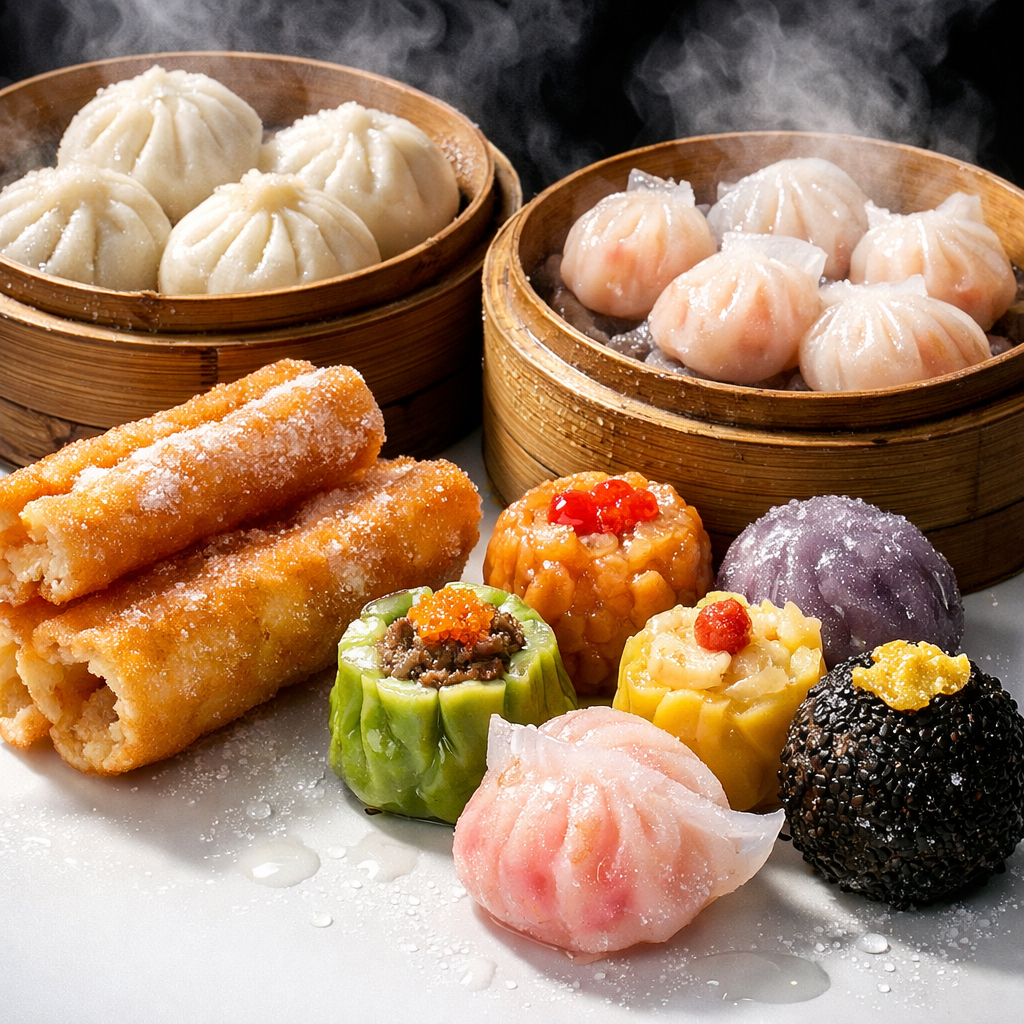
Baozi (Steamed Buns): These fluffy, cloud-like buns filled with everything from barbecue pork to red bean paste are breakfast champions in China. The rookie mistake? Assuming they’ll maintain their pillowy texture after freezing and reheating. Poor-quality baozi can turn into dense, rubbery shoeboxes that could probably withstand a nuclear blast. The secret lies in the dough formulation—it needs the right balance of flour, yeast, and fat to survive the freeze-thaw cycle. Your supplier should be using modified starches or specific additives designed for frozen applications. Also, those adorable pleats on top? They’re not just decorative—they indicate hand-crafted quality. Machine-made buns often lack the proper air pockets that create that signature fluffy texture.
Dim Sum Assortments: Here’s where variety becomes your best friend and worst enemy simultaneously. Har gow (shrimp dumplings), siu mai (pork and shrimp dumplings), char siu bao (barbecue pork buns), and lo mai gai (sticky rice wrapped in lotus leaf) offer customers a complete dim sum experience. The pitfall? Each item has different freezing requirements, cooking methods, and shelf lives. Mix them incorrectly in a single package, and you’ll end up with some items that are perfect while others are either overcooked mush or frozen in the middle. Smart importers work with suppliers who understand the science of frozen dim sum—proper blast freezing temperatures, individual wrapping methods, and clear cooking instructions that don’t require a PhD to decipher.
Youtiao (Chinese Fried Dough): These golden, crispy sticks are the Chinese breakfast equivalent of French toast—completely irreplaceable. The challenge with frozen youtiao? Maintaining that signature crispy exterior and airy interior after freezing. Poorly processed youtiao becomes soggy and dense, tasting more like cardboard than a breakfast delicacy. The solution involves flash-freezing immediately after frying and packaging with moisture-control technology. Your customers should be able to revive these in an oven or air fryer to near-fresh quality. If your supplier can’t explain their reheating science convincingly, run.
Congee and Rice Porridge: While congee seems simple—it’s basically rice cooked to a smooth, soup-like consistency—frozen versions face unique challenges. The texture can become gritty or separate during freezing, and the delicate flavors can be lost or altered. Quality frozen congee requires careful formulation, often with stabilizers to maintain the silky texture customers expect. Plus, authentic congee should come with proper topping options, from preserved vegetables to meat floss, not as a bland, one-note product.
The key insight? Each product category requires specific knowledge and quality standards. At Jade Premium, our extensive local network across major Chinese cities connects us with suppliers who’ve mastered the art and science of frozen Asian breakfast foods. We don’t just source products; we verify that each supplier understands the technical requirements for international distribution.
Packaging, Shelf Life, and the Cold Chain Catastrophe
Let’s talk about the unglamorous but absolutely crucial aspects that separate successful frozen Asian breakfast items wholesale operations from expensive disasters: packaging, shelf life, and cold chain management.
Packaging isn’t just about looking pretty on the shelf (though that helps). Your frozen baozi needs packaging that prevents freezer burn, maintains food safety, and survives the journey from a Chinese factory to an American grocery store. We’re talking about Modified Atmosphere Packaging (MAP), vacuum sealing, and materials that can handle extreme temperature fluctuations. Cheap packaging might save you a few cents per unit, but it’ll cost you when customers complain about frost-covered, tasteless dumplings.
Shelf life is where the math gets serious. Frozen Chinese breakfast items typically have a shelf life of 12-18 months when properly stored at -18°C (0°F) or below. But here’s the catch—that shelf life starts from production, not from when it arrives at your warehouse. Factor in manufacturing time, shipping duration, customs clearance, and distribution to retailers, and you might only have 8-10 months to sell products before they approach expiration. Running the numbers wrong here is like playing Jenga with your profit margins—one miscalculation and everything collapses.
Cold chain management is where tales of woe turn into hard-won wisdom. A broken cold chain is the nightmare scenario: your perfectly frozen dim sum thaws during transport, refreezes improperly, and arrives with compromised texture, safety, and shelf life. We’ve heard horror stories of containers sitting in hot ports because someone forgot to arrange refrigerated storage. The result? Thousands of dollars’ worth of inventory transformed into expensive, inedible waste.
This is where certifications become your prestigious awards for doing things right. HACCP (Hazard Analysis and Critical Control Points), GMP (Good Manufacturing Practices), and ISO 22000 aren’t just alphabet soup—they’re proof that your supplier takes food safety seriously. These certifications demonstrate that temperature monitoring, hygiene protocols, and quality control measures are baked into the production process. At Jade Premium, our stringent quality control and end-to-end supply chain management mean we monitor every step from factory floor to final destination. Our integrated logistics optimization minimizes cold chain risks, ensuring products maintain their quality throughout the journey.
Marketing Magic: Making Chinese Breakfast Sexier Than the Snooze Button
You’ve navigated the regulatory maze, secured quality products, and maintained an intact cold chain. Now comes the fun part: convincing customers that Chinese breakfast is more appealing than hitting the snooze button for an extra ten minutes of sleep.
The biggest mistake? Assuming the products will sell themselves. They won’t. Western consumers, by and large, don’t wake up craving baozi—not because they wouldn’t love it, but because they don’t know what they’re missing. Your job is educational as much as commercial.
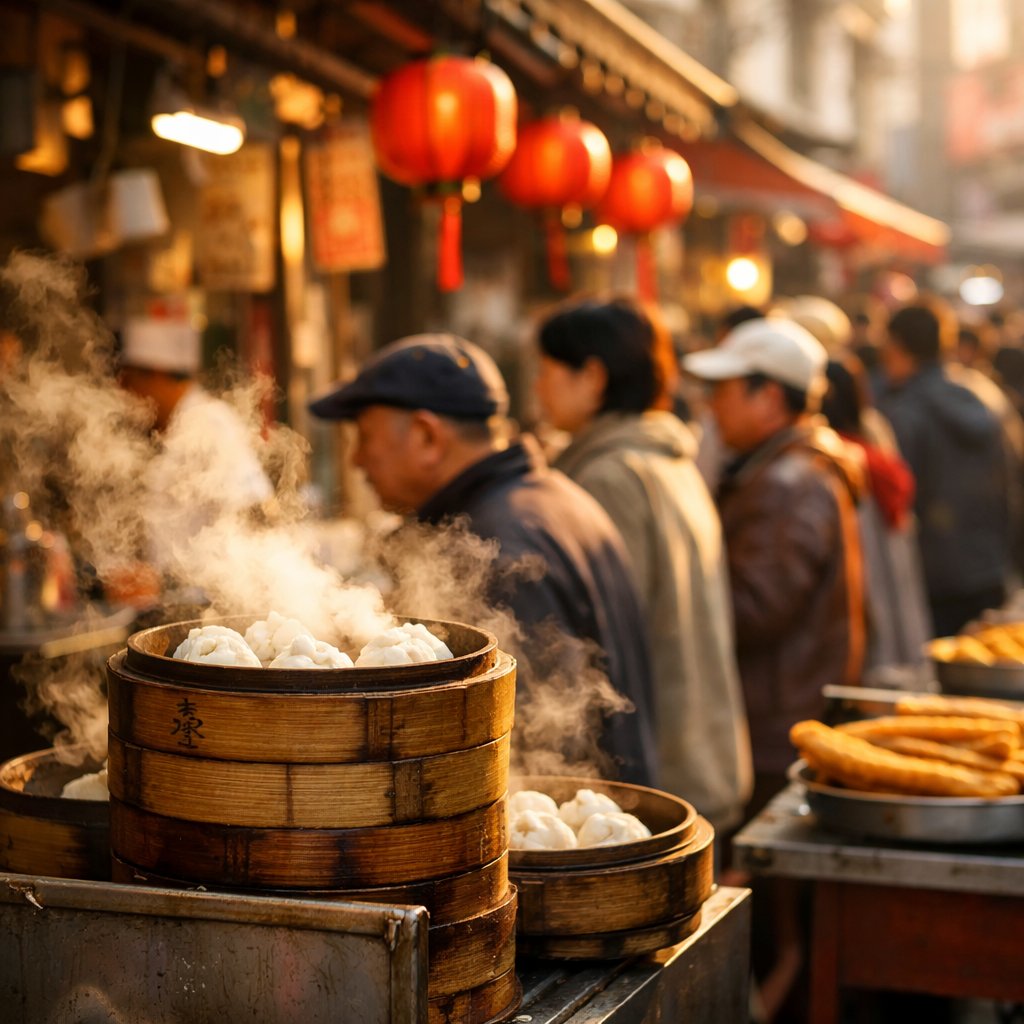
Cultural storytelling is your secret weapon. Don’t just sell “steamed pork buns”—sell the experience of a bustling Shanghai morning market, where locals queue for fresh baozi straight from bamboo steamers. Share the tradition of families gathering for dim sum on weekends, spending hours together over endless small plates and hot tea. Explain that youtiao dipped in soy milk is as fundamental to a Chinese breakfast as bacon and eggs are to an American one.
Position your products with specificity and authenticity. Instead of vague terms like “Asian dumplings,” use the proper names—har gow, siu mai, xiao long bao—and explain what makes each unique. Customers who feel educated rather than confused become loyal advocates. Include serving suggestions that bridge cultures: “Perfect for brunch gatherings” or “Elevate your breakfast sandwich game with fluffy char siu bao instead of regular buns.”
Social media content should showcase the convenience factor without undermining authenticity. Time-lapse videos of dumplings steaming to perfection, close-ups of baozi being pulled apart to reveal tender filling, and satisfied customers sharing their morning routines with Chinese breakfast create emotional connections. At Jade Premium, we understand that bringing authentic Chinese cuisine to global tables requires more than just logistics—it requires sharing the rich cultural heritage and stories behind each product.
Collaborate with food bloggers and influencers who appreciate authentic Asian cuisine. A credible endorsement from someone who understands the cultural context carries infinitely more weight than generic advertising. Partner with Asian grocery stores and specialty markets first to build credibility before approaching mainstream retailers.
Price positioning matters too. Chinese breakfast items should be positioned as premium convenience foods—higher quality and more interesting than mass-market frozen breakfast options, but accessible enough for regular purchase. The sweet spot is typically between premium and mid-market pricing, emphasizing the value of authentic, restaurant-quality food at home.
The Bottom Line on Not Screwing This Up
Importing frozen Asian breakfast items wholesale successfully requires a combination of cultural understanding, regulatory compliance, quality assurance, and smart marketing. The importers who fail are usually those who treat it like any other commodity transaction, ignoring the nuances that make Chinese breakfast foods special.
The winners? They’re the ones who recognize that behind every steamed bun and delicate dumpling is centuries of culinary tradition, specific technical requirements, and cultural significance worth preserving. They work with partners who understand both worlds—the authentic Chinese production side and the international market demands.
At Jade Premium, our vision goes beyond simple transactions. We’re deepening the integration of global premium food resources while building bridges between Eastern and Western culinary traditions. Our comprehensive trade services, from source-to-delivery procurement to brand internationalization support, mean you’re never navigating these choppy waters alone. We bring the market intelligence, compliance expertise, and cultural knowledge that transforms would-be disasters into successful market entries.
The frozen Asian breakfast items wholesale market is ripe with opportunity for those willing to do it right. Learn from others’ mistakes, partner with experienced trade facilitators, and remember: the goal isn’t just to import products—it’s to bring authentic Chinese cuisine to global tables in a way that honors both the tradition and the tastebuds.
Now, if you’ll excuse me, I have a sudden craving for some properly frozen, perfectly steamed char siu bao. Because some mornings, the snooze button just doesn’t cut it.