
- Understanding FSMA 204: The New Traceability Baseline
- The Rise of Certified Clusters: A New Sourcing Paradigm
- How FSMA 204 Facilitates the Cluster Advantage
- Implications for Small Factories: Adapt or Risk Obsolescence
- Practical Steps for Importers: Navigating the New Landscape
- Guidance for Suppliers: Positioning for Success
- The Broader Ecosystem Benefits
The global food trade is undergoing a fundamental transformation. As international food importers and distributors navigate an increasingly complex regulatory landscape, the FDA’s Food Safety Modernization Act Section 204 (FSMA 204) has emerged as a pivotal force reshaping sourcing strategies. This regulation isn’t just about paperwork—it’s fundamentally changing where importers choose to source their food products, how they evaluate suppliers, and what they demand from their vendor relationships.
For businesses serving diverse international markets across Europe, North America, the Middle East, and ASEAN regions, understanding these shifts is no longer optional. FSMA 204 represents a turning point where traceability transforms from a compliance checkbox into a strategic differentiator that influences every purchasing decision.
Understanding FSMA 204: The New Traceability Baseline
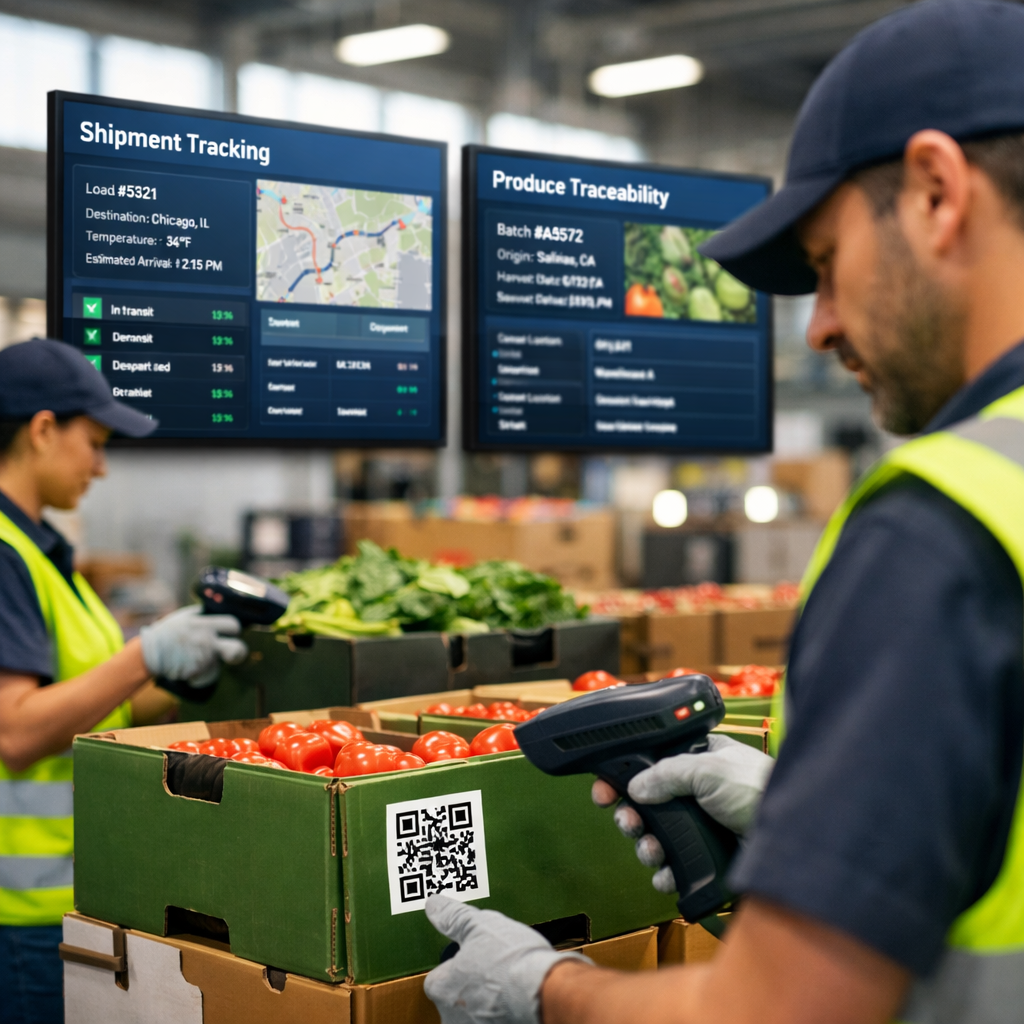
FSMA 204, formally known as the Food Traceability Rule, establishes enhanced traceability requirements for foods designated as high-risk on the FDA’s Food Traceability List. The rule aims to create a more transparent food supply chain, enabling faster identification and rapid removal of potentially contaminated food from the market.
At its core, FSMA 204 mandates three critical components that every importer must understand:
Structured Data Sharing: Gone are the days of informal communication and paper trails. The rule requires standardized, digital record-keeping that captures detailed information at each step of the supply chain. This means every entity handling high-risk foods must maintain and share structured data in a format that allows for seamless traceability from farm to fork.
Traceability Lot Codes (TLCs): Perhaps the most significant operational change, FSMA 204 introduces the concept of Traceability Lot Codes. These unique identifiers must be created at the point of origin and maintained throughout the supply chain, linking every package back to its source. For importers, this means working with suppliers who can generate, track, and communicate these codes effectively.
High-Risk Food Focus: The regulation specifically targets foods with a history of foodborne illness outbreaks or significant public health risk. This includes fresh-cut fruits and vegetables, certain cheeses, shell eggs, nut butters, fresh herbs, and various ready-to-eat products—many of which are staples in international food trade.
The objective is clear: when a food safety incident occurs, regulators and industry partners should be able to trace the product back to its source within hours, not days or weeks. For importers, this requirement fundamentally changes the criteria for vendor selection, pushing them toward suppliers who can demonstrate robust traceability systems from day one.
The Rise of Certified Clusters: A New Sourcing Paradigm
In response to FSMA 204’s demands, a clear pattern is emerging among successful international food importers: a strategic shift toward sourcing from certified clusters rather than individual suppliers. This approach represents more than a trend—it’s becoming increasingly favored by large importers and retail chains.
Increased Confidence in Traceability: Certified clusters operate under unified quality management systems where traceability protocols are standardized across all member facilities. When an importer sources from a cluster, they’re not betting on a single factory’s capability to implement complex tracking systems. Instead, they’re partnering with a network that has collectively invested in infrastructure, training, and technology to meet international traceability standards. This collective approach dramatically reduces the risk of traceability gaps that could result in compliance failures or food safety incidents.
Scalability Without Compromise: International food service operators and retail chain buyers often face a challenging dilemma: they need volume, but they also need consistency and safety. Individual suppliers may struggle to scale while maintaining traceability standards, leading to quality variations or compliance lapses during peak production periods. Certified clusters solve this problem by distributing production across multiple facilities that share common standards. If one facility reaches capacity, production can shift to another cluster member without compromising traceability or quality—a flexibility that’s invaluable for businesses serving global markets.
Enhanced Reliability: Supply chain disruptions have taught importers the value of resilience. Clusters provide built-in redundancy; if one facility faces operational challenges, others within the cluster can maintain supply continuity. This reliability extends beyond production capacity to include shared resources for compliance, quality control, and continuous improvement initiatives.
Streamlined Supplier Vetting: For international trading companies managing extensive supply bases, the vetting process is resource-intensive. Evaluating individual factories requires separate audits, documentation reviews, and capability assessments for each supplier. Certified clusters simplify this dramatically. When a cluster earns certification from recognized third-party organizations, it signals that every member facility meets rigorous standards for food safety, traceability, and quality management. This allows importers to expand their supplier network more efficiently while maintaining high standards.
How FSMA 204 Facilitates the Cluster Advantage
The specific requirements of FSMA 204 amplify the benefits of cluster sourcing in several ways that directly address the pain points international buyers face.
Standardized Data Architecture: One of the biggest challenges importers encounter under FSMA 204 is data integration. Receiving traceability information in different formats from different suppliers creates operational nightmares and increases the risk of errors. Clusters address this by implementing standardized data systems across all member facilities. Whether you’re sourcing from one location or ten within the cluster, the data comes in the same format, uses the same identifiers, and integrates seamlessly with your traceability systems. This standardization is particularly valuable for retail chain buyers who need to aggregate data from multiple sources for corporate compliance reporting.
Improved Risk Management: FSMA 204 requires maintaining traceability records for two years and being able to retrieve specific lot information within 24 hours. This places enormous pressure on suppliers to maintain organized, accessible records. Clusters typically employ centralized or cloud-based systems that meet these requirements across all facilities, reducing the risk that a single supplier’s poor record-keeping could expose your business to compliance violations. For food importers and distributors working across multiple jurisdictions with varying regulatory requirements, this consistency becomes a crucial risk mitigation strategy.
Extended Compliance Windows: The regulation’s implementation has faced delays and concerns about complexity, particularly for smaller operations. However, clusters have generally been better positioned to navigate these transitions. Their collective resources allow for earlier investment in compliance infrastructure, meaning they’re ready to meet requirements even as deadlines shift. For importers, this translates to supply stability—you’re not caught off-guard by suppliers who suddenly can’t meet new requirements when enforcement begins.
Technology Adoption: FSMA 204 essentially requires digital traceability systems; manual processes simply cannot deliver the speed and accuracy the rule demands. Certified clusters have been early adopters of blockchain technology, IoT sensors, and digital record-keeping platforms that enable real-time traceability data sharing. This technological sophistication benefits importers who increasingly need to provide transparency to their own customers, whether they’re restaurants showcasing ingredient provenance or retailers responding to consumer demands for supply chain visibility.

Implications for Small Factories: Adapt or Risk Obsolescence
While the cluster model offers clear advantages for importers, it presents significant challenges for smaller, independent factories that have historically been part of international food supply chains. The pressure to either join established clusters or independently achieve comparable traceability capabilities is intensifying.
The Joining Pressure: Many small facilities face a stark choice: invest heavily to meet FSMA 204 requirements independently or seek membership in certified clusters. Cluster membership offers advantages like shared compliance costs, access to established traceability systems, and the credibility boost of cluster certification. However, it also means adapting to cluster standards, sharing proprietary processes, and potentially losing some operational autonomy. For family-owned facilities with unique production methods—particularly those producing authentic Chinese ingredients with specialized techniques—this represents a difficult cultural and business decision.
Investment Requirements: Independent small factories pursuing FSMA 204 compliance face substantial capital investments. Digital traceability systems, staff training, record-keeping infrastructure, and certification audits require resources that may be prohibitive for operations with tight margins. Unlike clusters that spread these costs across multiple facilities, small factories bear the full burden alone.
Competitive Disadvantages: Even if small factories achieve technical compliance, they face a perception challenge. International buyers increasingly view cluster certification as a shorthand for reliability and sophistication. Small factories must work harder to demonstrate their capabilities, often requiring additional audits, references, and proof points that their larger cluster competitors don’t face. This dynamic is particularly challenging for operations producing specialized or culturally significant products that importers might otherwise prize for their authenticity.
Market Consolidation Risk: The practical effect of FSMA 204 may be accelerated consolidation in food manufacturing. Small facilities that cannot meet requirements may exit the market or be absorbed into larger operations, potentially reducing the diversity of products available to international buyers. This trend conflicts with the growing consumer interest in authentic, small-batch, and culturally significant foods—products often produced by the very facilities most challenged by new traceability requirements.
Practical Steps for Importers: Navigating the New Landscape
For international food importers, distributors, and trading companies, adapting to the FSMA 204 environment requires proactive strategy rather than reactive compliance. Here are concrete steps to ensure your vendor selection process aligns with the new reality:
Map Your Current Supply Base: Start with a comprehensive assessment of your existing suppliers against FSMA 204 requirements. Identify which products fall under the Food Traceability List and evaluate each supplier’s readiness. This mapping should consider not just current capability but trajectory—is the supplier actively preparing for compliance, or waiting until enforcement pressure increases?
Prioritize Cluster-Certified Sources: When onboarding new suppliers or replacing underperforming ones, give preference to certified clusters with demonstrated traceability systems. Look for clusters that have earned recognition from internationally respected certification bodies and can provide evidence of their digital traceability capabilities. This doesn’t mean abandoning all individual suppliers, but rather balancing your portfolio toward sources with built-in compliance advantages.
Demand Documentation and Testing: Regardless of supplier size or structure, require detailed documentation of traceability systems. Ask potential vendors to walk through their TLC generation process, demonstrate their digital record-keeping systems, and provide examples of how quickly they can retrieve specific lot information. Consider conducting supplier verification activities before finalizing agreements. Consider conducting mock trace-back exercises before finalizing supplier agreements—these reveal far more about true capability than reviewing documents alone.
Invest in Integration Technology: Your own systems must be capable of receiving, storing, and quickly retrieving traceability data from suppliers. Whether this means upgrading your ERP system, implementing specialized traceability software, or adopting blockchain-based platforms, the investment is essential. The cost of non-compliance—including potential recalls, legal liability, and reputational damage—far exceeds the cost of proper technology.
Build Partnerships, Not Just Transactions: The FSMA 204 environment rewards collaborative relationships over arm’s-length transactions. Work with your suppliers to understand their challenges, share best practices, and collectively problem-solve. For food service operators and retail buyers, this might mean longer-term contracts that justify supplier investments in traceability infrastructure. For trading companies, it might mean supporting smaller suppliers through the compliance process rather than immediately switching to larger alternatives.
Guidance for Suppliers: Positioning for Success
For manufacturers and processors—particularly those in China serving international markets—FSMA 204 presents both challenge and opportunity. Suppliers who proactively address traceability requirements can differentiate themselves in an increasingly competitive global marketplace.
Assess Readiness Honestly: Conduct a gap analysis between your current capabilities and FSMA 204 requirements. This assessment should cover technology infrastructure, staff training, record-keeping processes, and integration with upstream suppliers and downstream customers. Understanding where you stand is the first step toward meaningful improvement.
Invest in Digital Traceability: Manual or paper-based systems will not suffice under FSMA 204. Prioritize investment in digital platforms that can generate TLCs, maintain searchable records, and share data electronically with supply chain partners. Cloud-based solutions offer scalability and accessibility advantages, particularly for facilities serving international customers in multiple time zones.
Seek Third-Party Verification: Certification from recognized third-party auditors provides credibility that self-certification cannot match. Consider pursuing cluster membership if it aligns with your business model, or invest in independent certifications that demonstrate traceability capability. These credentials increasingly influence buyer decisions, particularly among risk-averse international importers.
Communicate Capability Proactively: Don’t wait for buyers to ask about your FSMA 204 readiness. Proactively share information about your traceability systems, provide case studies or demonstrations, and position compliance as a competitive advantage rather than a regulatory burden. This is particularly important for suppliers of authentic Chinese food products, where traceability can actually enhance rather than diminish the cultural and quality story you’re telling.
The Broader Ecosystem Benefits
While much of the FSMA 204 conversation focuses on compliance burdens, the cluster approach and enhanced traceability ultimately benefit the entire food trade ecosystem in ways that align with core values of quality, safety, and cultural preservation.
Enhanced Product Safety: The fundamental goal of FSMA 204—faster identification and removal of contaminated food—protects public health. When foodborne illness incidents occur, robust traceability systems minimize exposure, reduce illness, and save lives. For companies committed to delivering safe culinary experiences to global consumers, this is not just regulatory compliance but mission fulfillment.
Greater Transparency: Today’s consumers, whether in North America, Europe, or Asia, increasingly want to know where their food comes from, how it was produced, and what journey it took to reach them. The traceability infrastructure required by FSMA 204 enables this transparency, allowing importers and retailers to tell more complete, more compelling stories about the products they sell. For authentic Chinese food products, this transparency can actually enhance market appeal by connecting consumers to the cultural heritage, traditional production methods, and regional origins that make these products special.
Improved Efficiency: While implementation requires investment, digital traceability systems ultimately streamline operations. They reduce time spent searching for records, simplify recall processes when necessary, and provide data that can inform better inventory management, quality control, and supplier performance evaluation. These efficiencies benefit everyone in the supply chain, from producers to end consumers.
Trust Building: Perhaps most importantly, robust traceability builds trust—between suppliers and buyers, between brands and consumers, and between regulatory bodies and the food industry. For companies bridging Eastern and Western food markets, trust is the foundation of successful international trade. FSMA 204, despite its challenges, creates infrastructure that supports trust at scale.
At Jade Premium, we recognize that navigating these regulatory changes while maintaining the authenticity, quality, and cultural significance of Chinese food exports requires expertise, local knowledge, and deep supply chain integration. Our presence across major Chinese production centers positions us to identify suppliers—whether independent facilities or cluster members—who can meet both international traceability requirements and the high standards our customers expect. We view FSMA 204 not as an obstacle but as an opportunity to elevate the entire Chinese food export industry, demonstrating that authentic products and world-class safety standards go hand in hand.
The shift toward cluster sourcing and enhanced traceability represents more than regulatory compliance—it’s a maturation of global food trade that ultimately serves everyone who cares about food safety, quality, and the rich culinary traditions that connect cultures across borders.