
- Understanding HS Codes: More Than Just Numbers
- The Misclassification Trap: Why It's So Common
- Getting Classification Right: A Systematic Approach
- Tariffs, Costs, and Compliance: The Complete Picture
- Common Mistakes and How to Avoid Them
- Quick-Reference Guidelines for HS Code Success
- Conclusion: Classification as Competitive Advantage
Every year, thousands of Chinese food exporters lose millions in unexpected costs, penalties, and delayed shipments. The culprit? A seemingly simple six-to-thirteen-digit code that many consider a mere formality. Yet this code—the Harmonized System (HS) code—holds the power to make or break your profit margins, determine whether your goods clear customs smoothly, or sit in expensive storage limbo while authorities investigate discrepancies.
The reality is stark: a large majority of exporters underestimate the financial impact of incorrect HS code classification. They treat it as a checkbox exercise rather than a strategic decision that directly affects their bottom line. When you’re shipping authentic Chinese cuisine products to global tables—from premium dim sum to artisanal sauces—getting this classification wrong doesn’t just mean paying a few extra dollars. It triggers a cascade of hidden costs that can erode your competitive edge and damage relationships with international buyers.
Understanding HS Codes: More Than Just Numbers
The Harmonized System code serves as the universal language of international trade. Developed by the World Customs Organization, these codes classify over 5,000 product groups, each identified by a six-digit code recognized globally. For Chinese food exporters, however, the story doesn’t end at six digits.
China’s Customs Commodity HS Code (CCCHS) system extends this foundation to thirteen digits, creating unprecedented granularity in product classification. While the first six digits align with international standards, the additional seven digits drill down into specifications that matter deeply for Chinese exports—processing methods, ingredient compositions, packaging types, and intended uses.
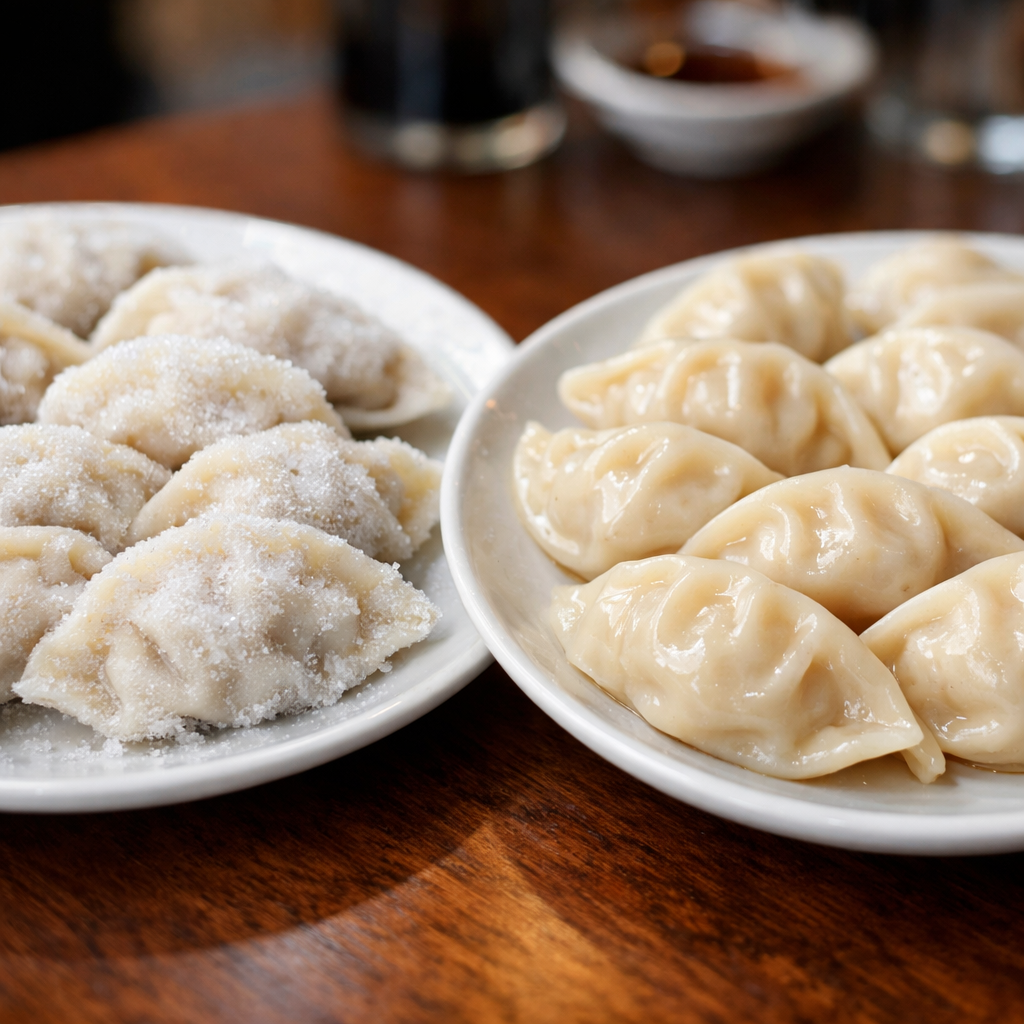
This granularity exists for good reason. Consider two seemingly similar products: frozen dumplings and refrigerated dumplings. To the untrained eye, they’re both dumplings. But in the CCCHS system, they occupy entirely different classifications with different duty rates, import requirements, and compliance standards. The frozen variety might fall under Chapter 19 (preparations of cereals) or Chapter 16 (preparations of meat), depending on the primary ingredient, while the preservation method adds another layer of classification complexity.
The implications ripple through every aspect of your export operation. HS codes determine the duty rates your international buyers pay, which directly affects your product’s competitiveness in foreign markets. Understanding Chinese food export compliance requirements is essential to avoid costly classification errors. They dictate which certifications and documentation you need, influencing your preparation timeline and costs. They even determine whether your products qualify for preferential trade agreements that could significantly reduce tariff burdens.
The Misclassification Trap: Why It’s So Common
Processed food products represent one of the trickiest categories for accurate classification. Unlike raw commodities with straightforward characteristics, processed Chinese foods often combine multiple ingredients, undergo complex preparation methods, and serve diverse culinary purposes. A single product—say, a premium hot pot sauce—might contain meat extracts, vegetable oils, spices, and preservatives, each potentially pulling the classification in different directions.
The General Rules for Interpretation (GRI) of the Harmonized System attempt to provide clarity, but their application requires careful analysis. GRI 3, which addresses products containing multiple materials, stipulates that classification should be based on the “essential character” of the product. But what constitutes essential character? Is it the ingredient by weight, by value, or by function? Different customs authorities might interpret this differently, creating uncertainty for exporters who operate across multiple markets.
This ambiguity creates fertile ground for costly mistakes. Many exporters, lacking deep expertise in tariff classification, make educated guesses or simply reuse codes they’ve successfully used before. Some rely on outdated classifications, unaware that the World Customs Organization updates the HS nomenclature every five years, with the most recent changes implemented in 2022.
When misclassification occurs, the financial consequences multiply quickly. First come the direct costs: paying corrected duties, often with retroactive duties and penalties that can reach double-digit percentages of shipment value, depending on the jurisdiction and enforcement posture. These are among the costly mistakes importing Chinese food that can derail your entire operation. But these visible penalties represent just the tip of the iceberg.
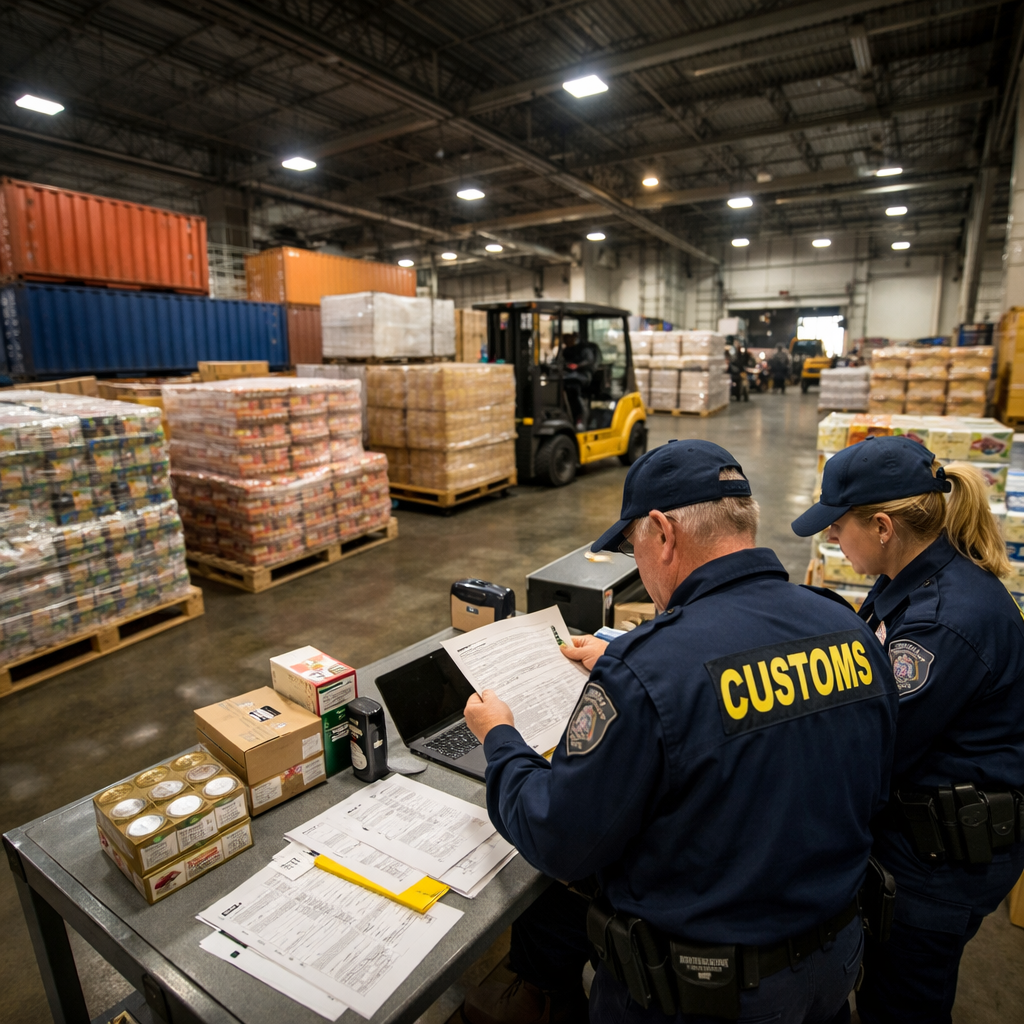
Consider the hidden costs that accumulate when goods are flagged for examination due to classification discrepancies. Your shipment sits in customs storage, accruing demurrage fees that can reach hundreds of dollars per day. Your international buyer faces delayed delivery to their customers, potentially losing sales opportunities and damaging their confidence in your reliability. You might need to pay for expedited re-inspection or hire customs brokers to resolve the issue, adding thousands in professional fees.
Perhaps most damaging, you lose access to trade benefits you might have legitimately claimed. Many countries offer preferential tariff rates for certain Chinese food products under bilateral or multilateral trade agreements. Misclassification can disqualify you from these benefits, forcing your buyers to pay standard duty rates that make your products less competitive compared to correctly classified competitors.
Getting Classification Right: A Systematic Approach
Accurate HS code classification requires a methodical process that begins long before you prepare shipping documents. The foundation is a comprehensive product profile that documents every relevant characteristic: complete ingredient lists with percentages by weight, detailed processing methods, packaging specifications, intended end-use, and any relevant quality certifications.
This documentation serves multiple purposes. It provides the analytical foundation for determining the correct code, creates a defensible record should customs authorities question your classification, and ensures consistency across shipments and markets. Proper supplier verification processes should include detailed product specifications that support accurate classification. When Jade Premium works with Chinese food producers to bring authentic cuisine to global tables, this detailed profiling is non-negotiable—it’s the difference between smooth market entry and costly delays.
With your product profile in hand, consult China’s official tariff schedule maintained by the General Administration of Customs. Don’t rely solely on third-party tools or previous classifications; these official schedules include chapter notes, section notes, and explanatory notes that provide crucial context for distinguishing between similar categories. These notes often contain the specific guidance needed to resolve ambiguous cases.
Cross-reference your proposed classification across multiple sources. Check the World Customs Organization’s Explanatory Notes to the Harmonized System, which provide detailed guidance on how to interpret the codes. Review classification rulings from your target markets—many customs authorities publish databases of binding rulings on specific products that can guide your analysis. The U.S. Customs and Border Protection’s Customs Rulings Online Search System (CROSS) and the European Union’s database (EBTI) are invaluable resources.
Don’t hesitate to seek advance rulings from customs authorities in your key export markets. While this process requires time and detailed documentation, it provides legal certainty that protects you from future penalties. An advance ruling binds the customs authority to accept your classification, giving both you and your buyers confidence that shipments will clear smoothly.
Finally, establish a periodic review process. Schedule annual reviews of your product classifications, especially when ingredient suppliers change, processing methods evolve, or new products launch. Major HS nomenclature updates occur every five years, but individual countries may implement interim changes that affect specific product categories. Staying current prevents the accumulation of classification drift that leads to eventual enforcement actions.
Tariffs, Costs, and Compliance: The Complete Picture
Understanding your HS code is only the beginning of managing the true cost of Chinese food exports. Each code links to a complex web of tariffs, special duties, and regulatory requirements that vary significantly across markets.
Most-Favored-Nation (MFN) tariff rates represent the baseline duties that apply in the absence of preferential agreements. For Chinese food exports, these rates can range from zero for certain raw ingredients to over 20% for processed products, depending on the destination market and product category. But relying solely on MFN rates misses opportunities and underestimates risks.
Regional trade agreements offer preferential rates that substantially reduce duty burdens. China’s participation in the Regional Comprehensive Economic Partnership (RCEP) creates favorable conditions for exports to ASEAN countries, Japan, South Korea, Australia, and New Zealand. Understanding which of your products qualify under RCEP rules of origin—and maintaining the documentation to prove it—can provide significant competitive advantages.
Conversely, special duties and trade remedies can dramatically increase costs for specific products. Anti-dumping duties, countervailing duties, and safeguard measures target products deemed to unfairly compete with domestic industries. These measures change frequently in response to trade disputes and political considerations. In recent years, fluctuating tariffs between major trading partners have created uncertainty for Chinese exporters, with some product categories facing sudden duty increases of 25% to 45%.
Beyond tariffs, compliance with food safety standards imposes additional requirements tied to HS codes. Certain classifications trigger mandatory inspections, special labeling requirements, or pre-approval processes from food safety authorities in destination markets. International buyers must understand how China food export standards compare to international requirements to ensure proper classification and compliance. Products containing meat or dairy might require certificates from China’s inspection and quarantine authorities confirming disease-free status. Organic certifications, allergen declarations, and nutritional labeling must meet local standards, with non-compliance risking shipment rejection.
The documentation burden grows with complexity. Each shipment requires commercial invoices, packing lists, bills of lading, and certificates of origin—all with HS codes that must match precisely across all documents. Discrepancies between documents can trigger investigations even when your classification is correct. Maintaining meticulous records isn’t just good practice; it’s essential protection against challenges that could otherwise result in penalties exceeding your profit margin.
Common Mistakes and How to Avoid Them
Even experienced exporters fall into recurring traps when classifying Chinese food products. Perhaps the most prevalent mistake is code reuse across different markets without verification. The fact that customs in one country accepted your classification doesn’t guarantee others will agree. National variations in HS interpretation, especially at the tenth digit and beyond, create meaningful differences in how similar products are classified.
Another frequent error is failing to update classifications when product formulations change. That minor ingredient substitution your supplier made to reduce costs? It might have shifted your product from one HS classification to another with significantly different duty rates and import requirements. This highlights why GACC export registration verification is critical—it ensures suppliers maintain documented production standards. Continuous communication with suppliers and periodic re-evaluation of classifications prevents these silent shifts from becoming expensive surprises.
Many exporters also misunderstand the relationship between HS codes and product marketing descriptions. The commercial name you use to sell your product has no bearing on its correct classification. “Gourmet artisanal dumpling sauce” might sound premium, but customs classification depends on objective characteristics—ingredients, processing, and packaging—not marketing language. This disconnect leads exporters to choose codes that align with their brand positioning rather than the product’s actual attributes.
Neglecting the chapter notes and section notes in tariff schedules represents another costly oversight. These notes contain crucial exclusions and definitions that override what might seem like the obvious classification. For example, Chapter 21 notes specify that certain food preparations belong in that chapter even when they contain meat or vegetables that would typically be classified elsewhere. Missing these specifications leads to incorrect classifications that seem reasonable but violate the official rules.
Quick-Reference Guidelines for HS Code Success
Create a classification checklist that you apply consistently to every product: identify the primary ingredient by weight and value, determine the processing level, document the packaging type, specify the intended use, and note any special characteristics like organic certification or geographical indication status. This systematic approach prevents overlooking factors that influence classification.
Maintain a classification library that documents the reasoning behind each code assignment. Include references to specific tariff schedule sections, notes, and ruling databases that support your decision. This library serves as institutional knowledge that survives personnel changes and provides rapid reference when expanding to new markets or launching similar products.
Invest in relationships with customs professionals who specialize in food products. Licensed customs brokers with food industry expertise can review your classifications, identify potential issues before they become problems, and provide market-specific guidance that generic classification tools miss. Their fees are minor compared to the penalties and delays they help you avoid.
Leverage available verification tools while understanding their limitations. Online HS code lookup databases and automated classification software provide helpful starting points but should never be your sole authority. Always verify against official tariff schedules and consider consulting experts for high-value shipments or complex products where misclassification carries substantial risk.
Conclusion: Classification as Competitive Advantage
The hidden cost trap of HS code misclassification isn’t inevitable—it’s avoidable through systematic attention to detail and recognition that classification is a strategic function, not administrative overhead. Every dollar you invest in getting classification right returns multiples by avoiding penalties, preventing delays, accessing preferential tariffs, and building buyer confidence in your reliability.
For Chinese food exporters committed to bringing authentic cuisine to global tables, accurate HS/CCCHS classification embodies the same principles that define quality in the products themselves: attention to detail, respect for standards, and commitment to excellence. Just as you wouldn’t compromise on ingredient quality or food safety, you can’t afford to treat tariff classification casually.
At Jade Premium, we understand that successful international food trade requires more than sourcing premium products—it demands expertise in navigating the complex regulatory landscape that governs cross-border commerce. Our approach bridges Eastern culinary traditions with Western market requirements, ensuring that authentic Chinese foods reach international buyers smoothly and cost-effectively. This bridge extends beyond products to include the compliance knowledge, documentation support, and classification expertise that transform international trade from a minefield of hidden costs into a reliable path for growth.
The 90% of exporters who underestimate HS code classification will continue facing unexpected costs and competitive disadvantages. The question is whether you’ll join the 10% who recognize that mastering this critical detail creates sustainable competitive advantages in the increasingly complex world of global food trade.