
- Understanding China's Fruit Harvest Windows
- The Certification Foundation: Building Market Access
- Navigating the Phytosanitary Maze
- Cold Chain Logistics: The Make-or-Break Factor
- Incoterms Strategy: Allocating Costs and Risks
- Risk Management Through Diversification
- Your Seasonal Planning Action Steps
- Your Partner in China's Fruit Export Calendar
Every year, thousands of international buyers watch helplessly as their China fruit orders arrive too late, too early, or too damaged to sell. The culprit? Poor seasonal food export planning. While most buyers focus on negotiating prices and selecting suppliers, the real game-changer lies in understanding the hidden calendar that governs China’s fruit export industry—a complex interplay of harvest windows, market demand peaks, and logistical realities that can make or break your deal.
The difference between a profitable fruit import season and a costly disaster often comes down to timing. When you align your orders with China’s distinct growing seasons and synchronize them with your target market’s buying windows, you unlock better quality, competitive prices, and consistent supply. Miss this alignment, and you’ll face spoilage, price volatility, and disappointed customers.
Understanding China’s Fruit Harvest Windows
China’s vast geography creates a patchwork of microclimates and growing regions, each with its own harvest calendar. While this diversity offers year-round opportunities, it also demands strategic planning. Citrus fruits from Guangxi and Fujian provinces typically reach peak harvest from October through February, making them ideal for winter holiday markets in Europe and North America. Meanwhile, cherries from Shandong and Liaoning provinces have an extremely narrow window—just three to four weeks in May and June—creating intense competition among international buyers.

The challenge intensifies when you consider how these harvest periods interact with global demand cycles. Chinese pomelos, for instance, enter their procurement season in August, but exports peak in the months leading up to Lunar New Year in January or February when these fruits symbolize prosperity and good fortune. If you’re targeting Chinese diaspora communities or Asian specialty retailers, your procurement timing must account for this cultural calendar, not just the growing season.
Understanding regional variations is equally crucial. Northern China’s apple harvests occur primarily in September and October, while southern provinces may produce multiple fruit crops throughout the year. This geographic spread offers diversification opportunities but requires buyers to maintain relationships with suppliers across different regions and manage varying quality standards and certifications.
Beyond harvest timing, you must synchronize with your own market’s buying windows. Holiday spikes create predictable demand surges—strawberries before Valentine’s Day, stone fruits during summer holidays, and citrus during winter months. Promotional periods in major retailers also create artificial demand peaks that savvy buyers can leverage. Missing these windows means competing in oversupplied markets with compressed margins.
At Jade Premium, we’ve seen international buyers transform their import results by mapping China’s harvest calendar against their market demand cycles. One European importer shifted their pomelo orders to align with both the Chinese New Year celebrations and their own winter promotion schedules, resulting in significantly higher seasonal sales and lower inventory pressure.
The Certification Foundation: Building Market Access
Before any fruit leaves China, the certification groundwork must be solid. GlobalG.A.P. certification has become the de facto standard for accessing European and North American retail chains, yet many Chinese fruit suppliers still operate without it. This certification verifies that farming practices meet international standards for food safety, environmental sustainability, and worker welfare—concerns that have become non-negotiable for major retailers.
For overseas buyers, GlobalG.A.P. certification serves multiple purposes beyond simple compliance. It reduces your due diligence burden by providing third-party verification of growing practices. It minimizes the risk of costly rejections at destination ports due to pesticide residues or contamination issues. Most importantly, it opens doors to premium retail channels that require supplier certification as a prerequisite for doing business.
However, certification timing matters enormously. Chinese growers typically undergo GlobalG.A.P. audits during their growing season, and the certification process can take several months. If you’re planning to source from a new supplier region, you need to verify their certification status at least six months before your intended shipment date. Waiting until harvest season to discover certification gaps can derail your entire export plan.
The certification landscape varies by fruit type and destination market. While GlobalG.A.P. dominates in Europe, other markets may prioritize different standards. Japanese importers often require additional certifications focused on traceability and specific pesticide protocols. Middle Eastern markets may have particular requirements around handling and storage conditions. Understanding these nuances and ensuring your Chinese suppliers possess the right certifications for your target markets is fundamental to seasonal food export planning.
Navigating the Phytosanitary Maze
Every fruit shipment crossing international borders requires phytosanitary certificates—official documents issued by China’s national plant protection organization confirming that products are free from harmful pests and diseases. While this sounds straightforward, the reality involves complex protocols that differ dramatically across importing countries.
The phytosanitary certificate process begins long before harvest. Chinese authorities must inspect orchards, verify pest control measures, and approve packing facilities. For some destinations, additional requirements apply: certain fruits must come from registered orchards, undergo cold treatment during transport, or be inspected at specific intervals. Australia and New Zealand maintain particularly stringent biosecurity protocols, requiring extensive documentation and often limiting fruit imports to specific seasons when pest risks are minimized.
For international buyers, phytosanitary planning should start during your supplier selection process, not during order fulfillment. Verify that your chosen supplier’s orchards and packing facilities are registered for export to your destination country. Confirm that previous shipments cleared customs without phytosanitary issues. Request copies of recent phytosanitary certificates to understand the documentation standards.
Seasonal considerations add another layer of complexity. Some importing countries adjust their phytosanitary requirements based on pest activity seasons. For example, fruit fly concerns may trigger additional fumigation requirements during warmer months. Understanding these seasonal regulatory shifts and building them into your procurement calendar prevents last-minute compliance scrambles that can delay shipments and damage product quality.
The European Union’s ePhyto system—electronic phytosanitary certificates—has modernized this process somewhat, reducing paperwork delays and improving traceability. However, China’s adoption of ePhyto remains uneven across different ports and fruit types. As an overseas buyer, you need to understand which of your export routes support digital certification and build appropriate buffer time for paper-based processes where necessary.
Cold Chain Logistics: The Make-or-Break Factor
The finest fruit from China’s best orchards becomes worthless if it arrives damaged, overripe, or spoiled. Cold chain integrity—maintaining optimal temperatures throughout the journey from farm to foreign market—is where seasonal food export planning succeeds or fails. Yet this remains one of the most consistently problematic aspects of fruit exports from China.
The cold chain challenge begins immediately after harvest. Many Chinese fruit-growing regions lack adequate cold storage facilities near production areas, forcing freshly picked fruit to travel several hours before entering temperature-controlled environments. This initial warm period accelerates ripening and shortens shelf life. For highly perishable fruits like cherries or berries, even a few hours of temperature exposure can subtract days from retail shelf life.
Transport logistics compound these challenges. China’s peak shipping season from August through October coincides with harvest periods for many fruits, creating container shortages and port congestion. When your fruit containers sit on docks waiting for vessel space, maintaining cold chain integrity becomes exponentially harder. Smart buyers build these seasonal logistics constraints into their planning, sometimes accepting slightly higher freight costs during shoulder seasons to ensure faster, more reliable shipping.
Best practices in cold chain management require collaboration across multiple parties. Work with Chinese suppliers who own or have contracts with modern cold storage facilities. Verify their pre-cooling procedures—fruit should reach shipping temperature within hours of harvest. Request detailed information about their cold chain monitoring systems; modern operations use IoT sensors that track temperature throughout transport, providing real-time alerts if conditions drift from optimal ranges.
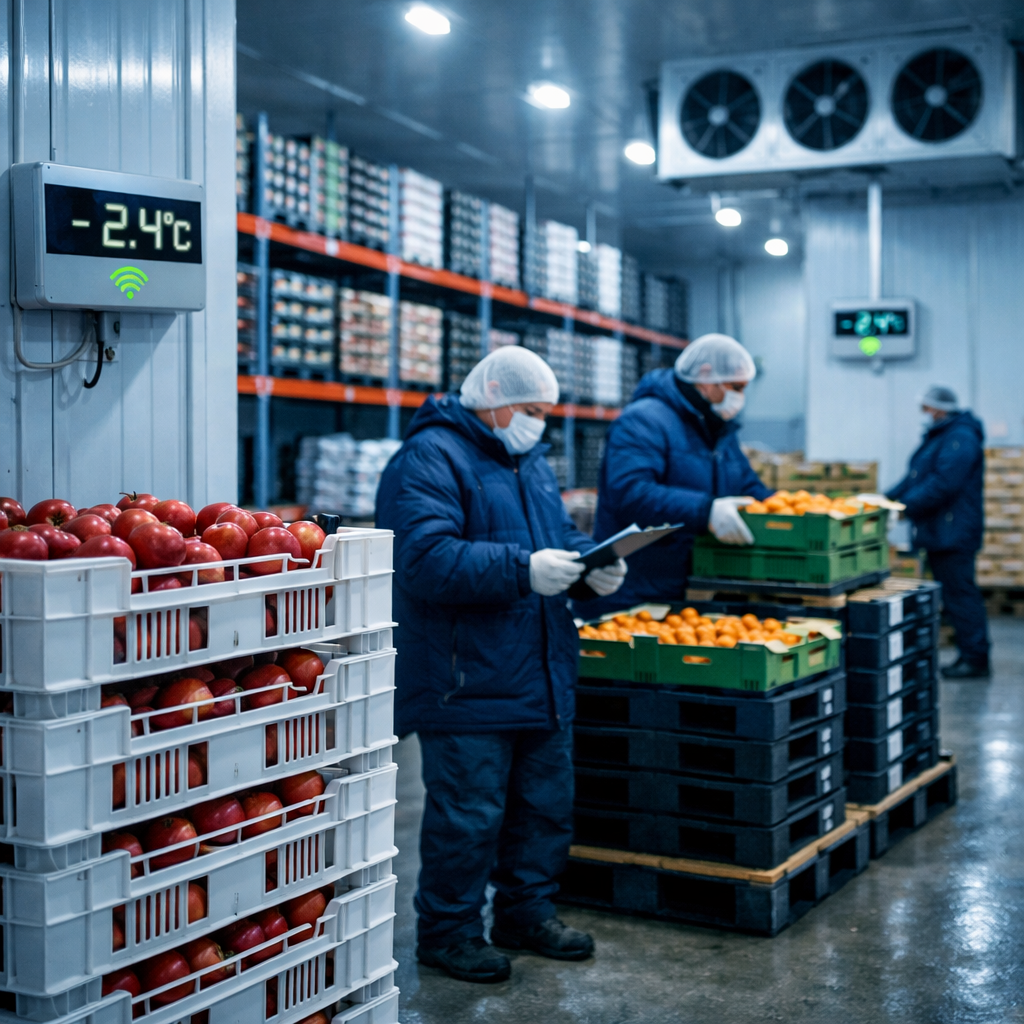
The choice of shipping route and method also impacts cold chain success. Air freight maintains tighter temperature control but costs significantly more, making it viable only for premium products or urgent deliveries. Sea freight is economical for larger volumes but requires careful attention to container specifications, including controlled atmosphere (CA) technology that regulates oxygen and carbon dioxide levels to further extend shelf life.
At Jade Premium, we’ve developed partnerships with logistics providers who specialize in fresh fruit transport from China. These relationships prove invaluable during peak seasons when general freight forwarders may treat your temperature-sensitive cargo like any other container. The right logistics partner understands that your pomelos or lychees represent not just a shipment, but your reputation in your home market.
Incoterms Strategy: Allocating Costs and Risks
The International Commercial Terms (Incoterms) you select for your China fruit purchases define far more than just who pays which costs. They allocate responsibility for quality control, insurance coverage, and risk management at each stage of the supply chain—decisions that directly impact your seasonal planning success.
Many new importers default to FOB (Free on Board) terms, where the Chinese supplier’s responsibility ends when fruit is loaded onto the vessel. While this offers cost transparency, it places all shipping risks and logistics coordination on the buyer. For overseas buyers without deep expertise in Chinese export procedures or established relationships with reliable freight forwarders, FOB terms can create vulnerability during high-volume seasonal periods when shipping capacity becomes scarce.
CIF (Cost, Insurance, and Freight) terms shift logistics responsibility to the supplier, who arranges and pays for transport to your destination port. This can simplify your operations, particularly for smaller buyers or those new to China sourcing. However, you sacrifice control over carrier selection and shipping timing—critical factors during seasonal peaks when you need guaranteed vessel space and predictable delivery schedules.
More sophisticated buyers increasingly use DDP (Delivered Duty Paid) terms for seasonal fruit imports, where the Chinese supplier manages the entire logistics chain, including customs clearance at destination. This approach maximizes convenience and shifts risk, but it requires suppliers with genuine international logistics capabilities—a rarity among Chinese fruit exporters who typically focus on production rather than global distribution.
The optimal Incoterms strategy often varies by season and market conditions. During off-peak shipping periods, FOB terms may offer the best combination of cost control and logistics flexibility. As peak season approaches and container availability tightens, switching to CIF terms ensures your supplier has locked in shipping capacity. For critical holiday deliveries where timing is everything, the premium cost of DDP terms may be justified by the risk reduction and delivery certainty they provide.
Risk Management Through Diversification
Relying on a single Chinese fruit supplier or growing region creates dangerous vulnerabilities in seasonal food export planning. Weather events, pest outbreaks, regulatory changes, or quality issues can instantly disrupt your supply, and these risks intensify during peak seasonal demand when alternative sources become scarce.
Effective diversification operates on multiple levels. Geographic diversification means sourcing from suppliers in different Chinese provinces, reducing weather-related risks. If frost damages cherry crops in Shandong, having backup suppliers in Liaoning provides continuity. Product diversification—working with suppliers who grow multiple fruit varieties—creates flexibility to shift your procurement focus if one crop faces challenges.
Supplier relationship diversification balances primary partnerships with qualified backup sources. Maintain close relationships with two or three primary suppliers who understand your quality standards and delivery requirements. Simultaneously, cultivate relationships with secondary suppliers who receive smaller, regular orders to keep those connections active. When unexpected disruptions hit your primary suppliers, these backup relationships can save your season.
However, diversification must be strategic, not scattered. Each additional supplier relationship requires investment in auditing, communication, and quality monitoring. Spreading your orders too thinly across too many suppliers can dilute your buying power and complicate logistics coordination. The goal is strategic redundancy, not operational complexity.
Quality consistency and traceability form the foundation of successful supplier diversification. Document quality specifications clearly and verify that all suppliers in your network can meet them. Implement traceability systems that allow you to track fruit back to specific orchards, enabling quick problem identification if quality issues arise. This traceability becomes crucial if food safety problems require product recalls—knowing exactly which batches came from which suppliers protects your reputation and limits financial exposure.
Your Seasonal Planning Action Steps
Successful seasonal food export planning from China requires systematic preparation well before harvest seasons arrive. Start by mapping harvest windows for your target fruits against your market’s demand calendar. Identify the optimal procurement periods where Chinese supply peaks intersect with your market’s buying windows, allowing for transit time and shelf life requirements.
Next, audit your potential suppliers’ certification status and regulatory compliance. Verify GlobalG.A.P. certification, phytosanitary compliance history, and registration status for your destination market. Address any gaps at least six months before planned shipments—certification processes and facility registrations take time, and rushing them increases costs and reduces success likelihood.
Build relationships with specialized cold chain logistics partners who understand fresh fruit transport from China. Discuss capacity reservations for peak shipping periods, review their temperature monitoring capabilities, and establish clear communication protocols for exception management. The relationships you build during off-season planning pay dividends when seasonal demand peaks create logistics pressure.
Select Incoterms that align with your capabilities and risk tolerance, adjusting your approach based on seasonal conditions. Negotiate with suppliers to build flexibility into your agreements, allowing term modifications as market conditions change. Document these agreements clearly to prevent disputes during high-pressure seasonal periods.
Finally, develop contingency plans for likely disruptions. Identify backup suppliers, alternative shipping routes, and flexible delivery options that activate if primary plans encounter problems. Test these contingency plans with small trial shipments during off-peak periods, ensuring they work before you need them urgently.
Your Partner in China’s Fruit Export Calendar
At Jade Premium, we’ve spent years decoding the hidden calendar that governs China’s fruit export industry. Our offices across China’s major fruit-growing regions provide ground-level intelligence about harvest conditions, supplier capabilities, and emerging quality issues long before they impact your shipments. We understand that successful fruit imports require more than transactions—they demand strategic planning, deep market knowledge, and reliable execution.
Our comprehensive supply chain services cover every aspect of seasonal food export planning, from supplier verification and certification management to cold chain coordination and customs facilitation. We help international buyers navigate the complexity of China’s fruit export landscape, transforming the hidden calendar from a source of risk into a competitive advantage.
Whether you’re planning to source Chinese citrus for winter holidays, cherries for spring markets, or pomelos for Lunar New Year celebrations, the seasonal planning decisions you make today determine your market success tomorrow. The hidden calendar continues turning, with or without your preparation. The question is whether you’ll harness its rhythms or become its victim.
Contact Jade Premium to discuss how we can optimize your China fruit export planning, ensuring that when harvest seasons arrive, you’re positioned for success rather than scrambling for solutions.