
The global food landscape is undergoing a profound transformation, and wholesale Asian foods sit at the heart of this change. What was once a niche market serving primarily ethnic communities has evolved into a mainstream phenomenon reshaping how international consumers eat, shop, and experience culture through cuisine. Distributors who once focused narrowly on serving Asian diaspora communities now find themselves managing complex networks that bridge continents, supply chains, and culinary traditions.
This transformation goes far beyond simple commerce. Every container of soy sauce, bag of jasmine rice, or package of frozen dumplings represents a cultural exchange—a tangible connection between Eastern culinary heritage and Western dining tables. Distributors have become more than logistics coordinators; they’re cultural ambassadors introducing international markets to the depth and diversity of Asian cuisine. When a European restaurant features authentic Sichuan peppercorns or an American family prepares homemade pho using the right rice noodles, it’s the wholesale distributor who made that cultural moment possible.
The numbers tell a compelling story. North America’s Asian food market has experienced significant demand growth, while Europe represents approximately 30% of global market share, according to industry estimates. industry data suggests sales of Asian foods are climbing at 3.6% annually, significantly outpacing the broader grocery sector. Asian grocers are consistently outperforming traditional U.S. grocery retailers, demonstrating that consumer appetite for these products extends well beyond ethnic enclaves into mainstream shopping habits.
The Strategic Reckoning: Why Now?
Smart distributors are reassessing their product categories right now because the market dynamics have fundamentally shifted. The question is no longer whether to expand Asian food offerings, but how to do so strategically in an increasingly complex global trade environment.
Supply chain resilience has become paramount. The pandemic exposed vulnerabilities in international food networks, and distributors learned painful lessons about over-reliance on single suppliers or limited sourcing regions. Understanding the hidden risks in Chinese supply chains has become essential for building resilient operations. Today’s successful distributors are building diversified supplier networks across multiple countries and provinces within Asia. They’re establishing relationships with producers in Thailand, Vietnam, China, Japan, Korea, and beyond—not just for variety, but for operational stability.
The breadth of SKU offerings presents both opportunity and challenge. Asian cuisine isn’t monolithic; it encompasses dozens of distinct culinary traditions, each with hundreds of essential ingredients. Distributors must decide which categories to emphasize: Do you stock fifteen varieties of soy sauce to serve discerning chefs, or focus on high-volume staples for retail chains? These decisions directly impact warehouse space, inventory costs, and ultimately profitability.
Cross-border logistics has grown exponentially more complex. Tariffs, regulatory changes, and shifting trade policies mean that a product category profitable today might become unviable tomorrow. Smart distributors are developing flexible logistics strategies that can pivot quickly when market conditions change. They’re investing in digital infrastructure to track inventory in real-time across multiple warehouses and jurisdictions.
One particularly compelling opportunity is private-label development. As Asian foods move mainstream, retailers want exclusive products that differentiate their offerings. Distributors who can work directly with Asian manufacturers to develop custom formulations and packaging are capturing significant margin improvements while building lasting retail partnerships.
Digital platform leverage has become non-negotiable. The democratization of wholesale purchasing through B2B e-commerce platforms means distributors must invest heavily in online infrastructure. Companies like premium Chinese food distributors demonstrate how digital capabilities combined with traditional expertise create competitive advantages. Restaurants, small retailers, and even individual consumers now expect to browse catalogs, check real-time inventory, and place orders digitally. Distributors without robust digital capabilities are losing ground to more tech-savvy competitors.
Core Categories That Define the Market
Understanding the fundamental product categories is essential for any distributor operating in wholesale Asian foods. These categories form the backbone of Asian cuisine and represent the highest-volume, most consistent revenue streams.
Grains and noodles anchor virtually every Asian cuisine. Rice alone encompasses dozens of varieties—jasmine, basmati, short-grain sushi rice, glutinous rice, and specialty colored varieties. Each serves specific culinary purposes and appeals to different customer segments. Noodles present equal complexity: wheat noodles, rice noodles, soba, udon, vermicelli, and instant varieties each occupy distinct market niches. Distributors must maintain sufficient variety to meet authentic cooking needs while avoiding inventory bloat.
Condiments and sauces represent the flavor foundation of Asian cooking. Soy sauce, fish sauce, oyster sauce, hoisin, sriracha, gochujang, miso paste, and curry pastes are just the beginning. These products typically offer excellent shelf stability and strong margins, making them attractive from an inventory management perspective. However, authenticity matters deeply to knowledgeable customers, requiring distributors to source genuine products rather than Western-market adaptations.
Frozen items have become increasingly important as consumer demand for convenience grows. Frozen dumplings, spring rolls, bao buns, and prepared dim sum items bridge the gap between restaurant-quality dishes and home preparation. The cold chain requirements add complexity and cost, but frozen products often command premium pricing and strong customer loyalty.
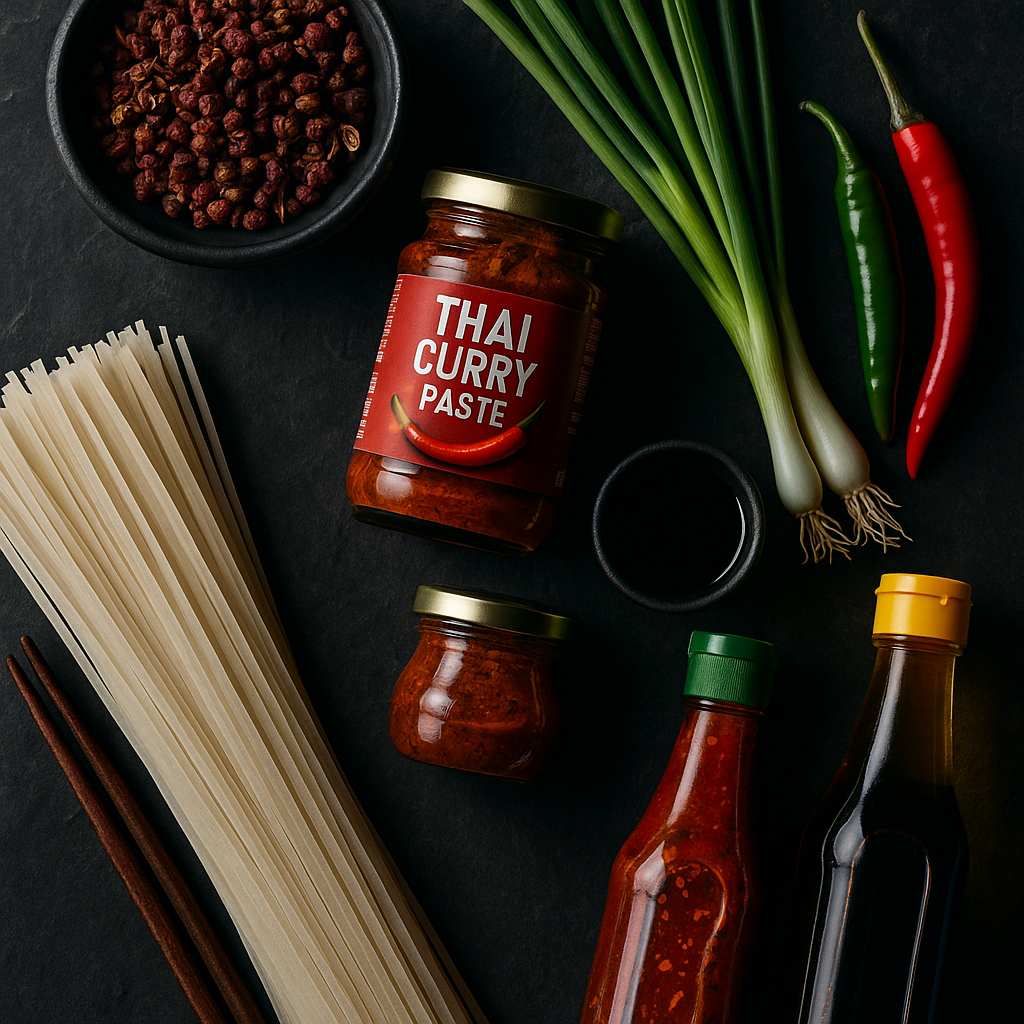
International markets are showing particular hunger for authentic ingredients. European chefs seeking genuine Sichuan peppercorns, North American home cooks wanting proper Thai curry paste, and Middle Eastern restaurants requiring halal-certified Asian ingredients all represent growing segments. This authenticity demand affects category planning profoundly—distributors must resist the temptation to substitute similar Western products and instead invest in sourcing truly authentic items, even when more challenging.
Business Models That Work
Successful Asian food distributors typically operate across multiple business models, each serving distinct market segments with different requirements.
The direct import to wholesale model remains foundational. Distributors establish relationships with Asian manufacturers, handle importation and customs clearance, then sell to retailers, restaurants, and other wholesalers. This model offers maximum control over product quality and authenticity but requires significant capital for inventory and expertise in international trade regulations.
Foodservice distribution serves restaurants, hotels, catering companies, and institutional kitchens. This segment demands larger package sizes, just-in-time delivery capabilities, and often requires specialized products not found in retail channels. The margins can be tighter, but volumes are typically higher and relationships more stable than retail partnerships.
Online retail channels have exploded in importance. Some distributors now sell directly to consumers through e-commerce platforms, effectively cutting out the retail middleman. This model requires different infrastructure—smaller packaging, consumer-friendly branding, individual order fulfillment—but offers access to customers previously unreachable.
Notable players demonstrate these models in action. Companies like 99 Ranch Market have built extensive retail networks serving both Asian communities and mainstream shoppers. Regional distributors often specialize in serving specific cuisine types—focusing exclusively on Japanese products, Korean ingredients, or Southeast Asian goods—allowing them to develop deep expertise and supplier relationships in their niche.
Sourcing and Quality: The Foundation of Trust
Nothing matters more to distributor success than sourcing strategies and quality assurance measures. In an industry where authenticity and safety are paramount, these practices separate sustainable businesses from those that fail.
Building diversified supplier networks protects against disruption while ensuring product availability. Learn systematic due diligence protocols for Asian food supplier selection to build resilient partnerships. Smart distributors maintain relationships with multiple producers for key products, ideally across different geographic regions. When one supplier faces production issues or regulatory problems, alternatives are already vetted and ready. This redundancy costs more upfront but pays dividends when supply chain disruptions occur.
Quality assurance begins at the source. Leading distributors conduct regular factory audits of their Asian suppliers, verifying production conditions, ingredient sourcing, and manufacturing processes. They don’t simply trust certifications; they build direct relationships with producers and understand their operations intimately. This knowledge allows distributors to speak authoritatively about product quality to their own customers.
Compliance with regulatory requirements is non-negotiable. Every product must meet the food safety standards of its destination market. For distributors serving the U.S., this means understanding FDA requirements for food labeling, USDA regulations for meat and poultry products, and state-specific requirements that vary by jurisdiction. For those serving Europe, EU regulations present their own complexity.
The most sophisticated distributors implement traceability systems that track products from origin through the entire supply chain to final delivery. When questions arise about a specific lot, they can identify the source, production date, and distribution path within hours. This capability protects the business when recalls occur and builds confidence with quality-conscious retail partners.
Navigating the Regulatory Maze
Regulatory challenges present perhaps the greatest barrier to success in wholesale Asian foods, particularly in the U.S. market where FDA and USDA requirements are stringent and constantly evolving.
Common pitfalls devastate unprepared distributors. Labeling errors alone cause millions in customs detentions and shipment delays annually—not because products are unsafe, but because nutritional panels don’t meet exact formatting requirements or allergen warnings use incorrect wording. Understanding Chinese manufacturing compliance and export documentation requirements prevents these costly mistakes. Products containing meat or poultry require USDA approval before importation, a process that can take months if not planned properly. Chinese manufacturers exporting to the U.S. must register their facilities with the U.S. FDA, and missing or expired registrations stop shipments at customs.
Best practice solutions begin with education. Successful distributors invest in regulatory expertise, either hiring compliance specialists or partnering with customs brokers who understand food import requirements intimately. They build compliance checks into their supplier vetting process, refusing to work with manufacturers who can’t demonstrate regulatory understanding.
Pre-shipment verification prevents costly surprises. Before containers leave Asian ports, distributors verify that labeling meets destination market requirements, necessary certifications are current, and documentation is complete and accurate. This upfront effort costs time but prevents shipments sitting in customs facing storage fees while scrambling to correct problems.
The regulatory landscape is also shifting toward greater transparency. China’s General Administration of Customs (GACC) continues to refine food import regulations, reflecting a broader global trend toward stricter documentation, traceability, and compliance requirements. Distributors who stay current with these changes can capitalize on new opportunities as regulations evolve.
Customer Segments Driving Growth
Understanding who’s buying wholesale Asian foods and why reveals where growth opportunities lie and how distributors should focus their category development efforts.
Retail chains represent the largest volume segment. Major supermarket chains across North America, Europe, and the Middle East are expanding Asian food sections in response to consumer demand. These buyers need consistent supply, competitive pricing, and products that appeal to mainstream shoppers, not just ethnic cuisine enthusiasts. They prefer established brands and require extensive product information for their own labeling and marketing.
Foodservice sectors offer higher margins and more specialized needs. Independent restaurants, hotel chains, and catering companies want authentic ingredients but also value reliability and flexibility. A restaurant that builds a menu around specific products needs absolute confidence those items will remain available. Smart distributors develop deep relationships with key foodservice accounts, effectively becoming partners in menu development.
Online consumers are changing the game entirely. Direct-to-consumer e-commerce in Asian foods is growing rapidly, driven by cooking enthusiasts who want authentic ingredients for home preparation. These customers will pay premium prices for hard-to-find items and appreciate educational content—recipes, preparation guides, cultural background—that helps them use products successfully.
Innovation within these segments continues accelerating. Retailers are experimenting with prepared food sections featuring fresh sushi, poke bowls, and other Asian-inspired ready-to-eat items. Foodservice operators are incorporating Asian ingredients into fusion cuisine, creating demand for traditional products in non-traditional applications. Online platforms enable niche products with small but passionate followings to find their market.
Practical Category Management
Moving from theory to practice, distributors need concrete frameworks for category analysis and assortment planning that balance market opportunity with operational reality.
Start by segmenting your catalog into tiers. Staple items—basic soy sauce, jasmine rice, standard noodle varieties—must always be in stock. These aren’t high-margin products, but they drive traffic and enable customers to consolidate orders. Out-of-stocks on staples damage customer relationships disproportionately.
Trending products deserve dedicated attention and flexible inventory management. Southeast Asian cuisine is currently experiencing strong growth, with items like Thai curry pastes and essential Thai ingredients seeing increased demand beyond traditional ethnic markets. Korean products, driven by K-pop cultural influence, are surging globally. Distributors should allocate purchasing budget to test promising trends, knowing some will fail but successful ones can drive significant revenue growth.
Specialty items serve niche markets but often command premium margins. Rare regional ingredients, artisanal products from small producers, and ultra-authentic items for discriminating chefs fall into this category. These require smaller inventory quantities but allow distributors to differentiate their offerings and build expertise reputation.
Margin analysis must consider total delivered cost, not just purchase price. A product with attractive wholesale pricing becomes unprofitable when you factor in refrigerated storage requirements, higher damage rates, or slower turnover requiring markdown risk. Similarly, reliable supply sources matter as much as price—suppliers who consistently deliver on time and in specification reduce your operational costs even if their pricing isn’t the lowest.
Data-driven assortment planning separates sophisticated distributors from those relying on intuition. Track turn rates by SKU, analyze which products customers order together, and identify complementary items that encourage larger basket sizes. Modern warehouse management systems make this analysis straightforward, but it requires disciplined execution.
Conclusion: The Bridge Between Culinary Worlds
The wholesale Asian foods market stands at a fascinating intersection of culture, commerce, and culinary evolution. Smart distributors are rethinking their product categories because the opportunity has never been greater, but neither have the complexities and challenges.
Success requires more than logistics capabilities or supplier relationships, though both are essential. It demands cultural understanding—recognizing that every product represents traditions spanning generations and cuisines refined over centuries. It requires quality commitment that goes beyond regulatory compliance to genuine care about what reaches customers’ tables. It needs business agility that can adapt quickly to market shifts while maintaining the consistency customers depend upon.
This is precisely the philosophy that guides companies like Jade Premium in bridging Eastern and Western culinary worlds. By combining deep knowledge of authentic Chinese food production with comprehensive understanding of international market requirements, the company exemplifies how modern food trade should operate. It’s not simply about moving products across borders; it’s about connecting cultures, building trust, and ensuring that the richness of Asian culinary traditions reaches global audiences with integrity intact.
The distributors who will thrive in coming years are those who see themselves not just as middlemen, but as custodians of culinary heritage and enablers of cultural exchange. They invest in understanding the stories behind their products, build relationships with producers who share their quality values, and serve customers with expertise that extends far beyond order fulfillment.
The wholesale Asian foods market is evolving rapidly, and smart distributors are evolving with it—not just reacting to change, but actively shaping how Asian cuisine integrates into global food culture. For those willing to invest in deep expertise, cultural understanding, and operational excellence, the opportunities are extraordinary. The question isn’t whether to participate in this transformation, but how thoughtfully and strategically to build your position within it.