
Every year, international food traders lose millions of dollars to a problem they often don’t see coming: halal certification non-compliance. A mislabeled sauce here, a questionable ingredient there, and suddenly an entire shipment sits rejected at customs. The financial damage extends far beyond the immediate loss—reputation suffers, market access narrows, and long-term partnerships crumble.
For traders operating in the global food market, understanding halal certification isn’t just about religious observance. It’s about accessing over 1.8 billion Muslim consumers worldwide and meeting the stringent requirements that protect both faith-based dietary laws and consumer safety. Halal certification ensures that every element of a food product—from raw ingredients to processing methods and handling procedures—adheres to Islamic dietary principles. When traders overlook the nuances of proper categorization and compliance, they risk not only financial penalties but also permanent damage to their market position.
The stakes are particularly high because halal compliance touches every stage of the supply chain. It’s not enough for the final product to be halal; the entire journey from farm to table must meet Islamic standards. This includes how animals are slaughtered, which ingredients are combined, how processing equipment is cleaned, and even how products are stored and transported. A single point of contamination or non-compliance can compromise an entire product line.

Understanding Core Halal Product Categories
The diversity of halal-certified products spans virtually every corner of the food industry, but certain categories demand especially careful attention. Each category presents unique compliance challenges that traders must navigate to avoid costly mistakes.
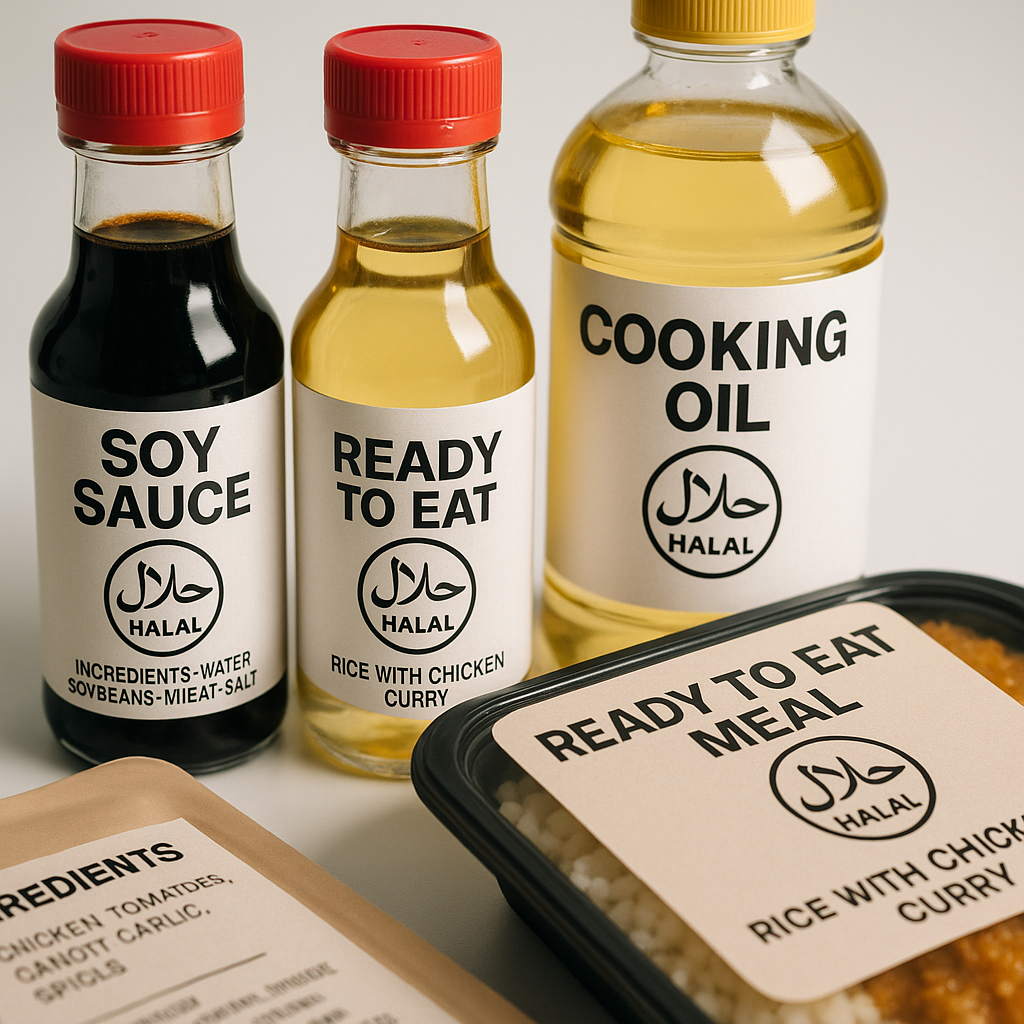
Sauces and Condiments represent one of the most complex categories for halal certification. A typical soy sauce or chili paste might contain dozens of ingredients, and each component must be verified as halal. The challenge intensifies with fermented products, where the fermentation process itself requires scrutiny. Many traditional fermentation methods involve alcohol or alcohol-producing yeasts, which immediately disqualifies them from halal status. Even seemingly innocent ingredients like natural flavoring or food coloring can derive from non-halal sources. Traders must ensure that every supplier provides detailed ingredient breakdowns and valid halal certificates for each component.
Cooking Oils and Fats might appear straightforward, but they harbor hidden compliance risks. While vegetable oils typically qualify as halal, processing methods can introduce problems. If oil is processed using equipment that previously handled animal fats from non-halal sources, cross-contamination occurs. Palm oil, a staple in Asian cooking, generally meets halal standards, but the processing aids and anti-foaming agents used during refining must be verified. Some oils contain vitamin additives derived from animal sources, requiring careful documentation of their origin.
Beverages present another minefield for traders. Beyond the obvious prohibition of alcohol, beverages can contain problematic ingredients like gelatin-based clarifying agents, animal-derived colorings such as carmine from insects, or flavorings extracted using alcohol. Even fruit juices require certification because processing methods and added ingredients might introduce non-halal elements. Energy drinks and functional beverages often contain amino acids or enzymes that could derive from non-halal animal sources.
Ready-to-Eat Meals and Processed Foods combine multiple compliance challenges in a single product. A frozen dumpling, for instance, requires halal verification for the meat filling, the seasoning blend, the wrapper dough and its additives, the cooking oil used in preparation, and even the packaging materials. Cross-contamination risks multiply in facilities producing both halal and non-halal items. Without proper segregation, equipment cleaning protocols, and production scheduling, maintaining halal integrity becomes nearly impossible.
Proper labeling serves as the first line of defense against compliance failures. A halal certification mark must be clearly visible and traceable to an accredited certifying body. The label should specify which certifying organization issued the approval and provide a certification number for verification. Beyond the certification mark, ingredient lists must be transparent and accurate. Vague terms like “natural flavoring” or “processing aids” raise red flags for both certification auditors and informed consumers.
When labels meet these standards, they build trust with buyers and end consumers alike. They signal that a trader has invested in thorough compliance procedures and prioritizes transparency. This trust translates directly into market access and premium positioning—two factors that dramatically impact profitability in competitive international markets.
Practical Steps for Classification and Compliance
Establishing a robust product classification system begins with creating a comprehensive product taxonomy. This isn’t merely an administrative exercise—it’s a strategic framework that determines how efficiently your business can manage halal compliance across diverse product lines. Start by categorizing products according to their primary ingredients and processing complexity. Group similar items together: all soy-based sauces in one category, all meat products in another, all beverages in a third. Within each major category, create subcategories based on risk factors.
For example, within meat products, separate items by animal type (beef, lamb, poultry, seafood), processing method (fresh, frozen, dried, cured), and added ingredients (plain, marinated, seasoned). This hierarchical structure allows you to identify which products require the most intensive scrutiny and which present lower compliance risks. Seafood generally qualifies as halal by default, but seafood products containing added seasonings or sauces require the same rigorous verification as any other processed food.
Once your taxonomy is established, the critical work of supplier vetting begins. Every supplier in your network must provide valid halal certificates from recognized certification bodies. However, not all certificates carry equal weight. Different countries and regions recognize different certifying organizations, so traders must understand which certifications their target markets accept. A certificate valid in Malaysia might not satisfy requirements in Saudi Arabia or the United Arab Emirates. Research the specific certifying bodies recognized in your destination markets before finalizing supplier agreements.
During the vetting process, dig deeper than the certificate itself. Request complete ingredient disclosure for every product you plan to source. Ask suppliers to identify each ingredient’s source and provide halal certificates for ingredients derived from animal products. This includes seemingly minor components like emulsifiers, enzymes, and processing aids. Many compliance failures occur because traders assumed that small-percentage ingredients didn’t require verification.
Implement a standardized supplier questionnaire that addresses specific halal concerns. Ask about production facility practices: Do they manufacture non-halal products on the same lines? What cleaning protocols separate halal and non-halal production runs? How do they prevent cross-contamination during storage and transportation? What training do their employees receive regarding halal requirements? Suppliers who can provide detailed, documented answers demonstrate serious commitment to halal compliance.
Cross-contamination control represents one of the most overlooked aspects of halal compliance, yet it’s a leading cause of certification failures and market rejections. Contamination can occur at multiple points: during raw material storage, production processing, packaging, or transportation. Develop clear protocols for each stage. In storage areas, segregate halal products from non-halal items using physical barriers or dedicated storage rooms. Establish color-coding systems for equipment and containers used exclusively for halal products.
Production facilities must maintain rigorous cleaning procedures between production runs. When the same equipment processes both halal and non-halal items, Islamic law requires thorough cleansing before halal production begins. This typically involves washing with water seven times, with one wash including purifying agents. Document these cleaning procedures and retain records to demonstrate compliance during audits.
Transportation and logistics present often-ignored contamination risks. A container previously used for transporting pork products can contaminate a subsequent halal shipment even if it appears clean. Work with logistics partners who understand halal requirements and maintain dedicated halal transport when possible. When dedicated transport isn’t feasible, require thorough cleaning verification before loading halal products.
Traceability forms the backbone of effective halal compliance management. Every product must be traceable back to its source, with documentation proving halal status at each stage. Implement a traceability system that captures supplier certificates, ingredient declarations, production records, storage logs, and shipping documentation. Modern digital systems can automate much of this record-keeping, reducing human error while providing instant access during audits or investigations.
Staff training completes the compliance framework. Employees at every level need to understand halal requirements and their role in maintaining compliance. Production workers must know proper handling procedures. Purchasing staff need to understand what documentation to request from suppliers. Warehouse personnel should recognize cross-contamination risks. Even administrative staff who handle labeling and documentation play crucial roles in maintaining compliance. Regular training sessions, reinforced by written procedures and periodic audits, ensure that halal awareness permeates your entire organization.
Implementation Tips and Best Practices
Moving from understanding to action requires a systematic approach that balances thoroughness with practical business operations. Conducting regular supplier audits stands as one of the most effective practices for maintaining long-term compliance. Beyond simply reviewing certificates annually, schedule on-site visits to key suppliers. These visits reveal information that paperwork alone cannot provide. You’ll observe actual production conditions, equipment cleanliness, storage practices, and employee knowledge—all factors that impact your products’ halal integrity.
During supplier audits, pay special attention to suppliers who manufacture both halal and non-halal products. These mixed facilities present the highest contamination risks. Observe their production scheduling: Do they dedicate specific days or shifts exclusively to halal production? Check their cleaning procedures: Are they documented, followed consistently, and verified? Examine their ingredient receiving processes: How do they ensure incoming materials match the halal specifications they’ve provided to you? Suppliers who welcome these audits and demonstrate transparent operations deserve your continued partnership. Those who resist scrutiny or cannot document their procedures should trigger immediate concern.
Developing a “halal-ready” packaging strategy prevents last-minute compliance surprises. Packaging materials themselves must meet halal standards—adhesives, inks, and coatings cannot contain alcohol or animal-derived ingredients from non-halal sources. But packaging strategy extends beyond materials to information display. Your packaging design should accommodate the certification mark prominently while maintaining brand aesthetics. Include clear ingredient listings that leave no room for ambiguity. Many traders discover too late that their packaging design doesn’t properly display required halal information, forcing expensive redesigns and production delays.
Consider creating packaging templates that standardize halal information placement across your product lines. This consistency helps consumers quickly identify certified products while streamlining your own compliance verification. Include space for batch coding and traceability information, which increasingly important for both regulatory compliance and consumer confidence. Some markets require QR codes or other digital identifiers that allow consumers to verify a product’s halal status online—build this capability into your packaging design from the start.
Aligning with regional and national halal standards requires understanding that halal certification isn’t globally uniform. Different countries maintain different standards and recognize different certifying bodies. The Malaysian halal standard (JAKIM) is widely respected but may not satisfy requirements in Middle Eastern markets that prefer Gulf Cooperation Council (GCC) standards. Indonesian regulations differ from both Malaysian and Middle Eastern requirements. Before entering a new market, research its specific halal requirements and ensure your certifications and practices align.
This alignment often requires working with multiple certifying bodies or choosing certification organizations with broad international recognition. While this approach increases initial costs, it provides greater market flexibility and reduces the risk of costly product rejections. Some traders make the mistake of obtaining the cheapest available certification without researching whether their target markets will recognize it. This penny-wise, pound-foolish approach inevitably leads to greater expenses when products get rejected and need recertification.
At Jade Premium, we recognize that navigating these complex requirements represents a significant challenge for traders focused on building their core business. Our comprehensive trade services specifically address these halal compliance challenges through our deep understanding of both Chinese food production practices and international market requirements. Our team facilitates supplier qualification verification, ensuring that your Chinese food sources meet the exact halal standards your target markets require. We don’t simply check for certificates—we verify production practices, assess contamination risks, and confirm that documentation will withstand scrutiny in your destination markets.
Our presence across major Chinese cities—Hong Kong, Shenzhen, Guangzhou, Shanghai, Chengdu, Wuhan, and Changsha—allows us to conduct on-site supplier assessments and maintain ongoing quality oversight. This localized approach ensures that the authentic Chinese food products you source truly meet halal standards, not just on paper but in actual practice. We understand the cultural and linguistic nuances that can complicate cross-border verification, bridging gaps that often lead to compliance failures.
Beyond supplier management, our integrated supply chain solutions address the end-to-end compliance journey. From initial sourcing through logistics optimization to final delivery, we implement controls that maintain halal integrity at every stage. Our expertise in Chinese food exports means we know which products present the highest compliance risks and how to mitigate them. We’ve helped numerous international buyers navigate the complexity of sourcing Chinese sauces, oils, ready meals, and other products while maintaining strict halal compliance—saving them from the costly mistakes that plague less-prepared traders.
Building Long-Term Success Through Robust Classification
Traders who invest in establishing comprehensive product classification systems reap benefits that extend far beyond halal compliance alone. A well-structured classification framework provides reliable sourcing by creating clear specifications that suppliers must meet. When everyone operates from the same detailed product definitions and compliance requirements, miscommunication decreases and consistency increases. Your suppliers know exactly what you expect, and you can confidently verify that incoming products meet those expectations.
Transparent labeling flows naturally from good classification systems. When you’ve thoroughly analyzed each product category’s ingredients, processing methods, and compliance requirements, creating accurate labels becomes straightforward rather than guesswork. This transparency builds consumer confidence, which translates into brand loyalty and premium pricing opportunities. In markets where halal consumers have been disappointed by products falsely claiming certification, genuinely compliant products with clear documentation command significant advantages.
Enhanced market access represents perhaps the most valuable outcome of robust classification and compliance systems. Markets with strict halal requirements—such as Saudi Arabia, the UAE, Malaysia, and Indonesia—offer tremendous opportunities but also maintain rigorous entry standards. Traders who can demonstrate thorough compliance systems gain access to these lucrative markets while competitors struggle with rejections and delays. The investment in proper classification and verification pays for itself many times over through expanded market reach and sustained market presence.
At Jade Premium, our philosophy centers on bridging authentic Chinese cuisine with global markets through trust, transparency, and deep expertise. We believe that Chinese food exports deserve recognition for their quality, cultural significance, and innovation—but this recognition requires meeting international standards with excellence. Halal certification represents one critical aspect of this broader mission to bring authentic Chinese cuisine to global tables with full compliance and consumer confidence.
Our commitment extends beyond transactions to building understanding. We help international buyers appreciate the cultural heritage and culinary traditions behind Chinese products while ensuring those products meet the religious, safety, and quality standards their markets demand. This dual focus—honoring authenticity while ensuring compliance—defines our approach to international food trade.
The hidden compliance risks in halal certification need not cost traders millions. With proper product classification, rigorous supplier verification, comprehensive contamination controls, and expert support, these risks become manageable elements of a successful international food business. The traders who thrive in halal markets are those who recognize that compliance isn’t an obstacle but rather an opportunity to demonstrate professionalism, build trust, and access growing markets with confidence.
Whether you’re sourcing Chinese sauces for Middle Eastern distributors, supplying ready meals to Southeast Asian markets, or introducing authentic Chinese ingredients to European halal consumers, the principles remain constant: thorough classification, verified compliance, transparent documentation, and commitment to excellence at every stage. These principles, combined with expert support from partners who understand both the source markets and destination requirements, create the foundation for sustainable success in the dynamic world of international halal food trade.