
Opening a hotpot restaurant requires more than just passion for the cuisine—it demands meticulous planning, particularly when it comes to your ingredients list. A comprehensive hotpot ingredients specification serves as the backbone of your operation, ensuring consistency in every bowl, maintaining quality standards, and ultimately delivering the customer satisfaction that keeps diners coming back. Without this foundational document, restaurants face inconsistent flavor profiles, unpredictable food costs, and potential safety compliance issues that can derail even the most promising venture.
Understanding Base Broths: The Foundation of Every Hotpot Experience
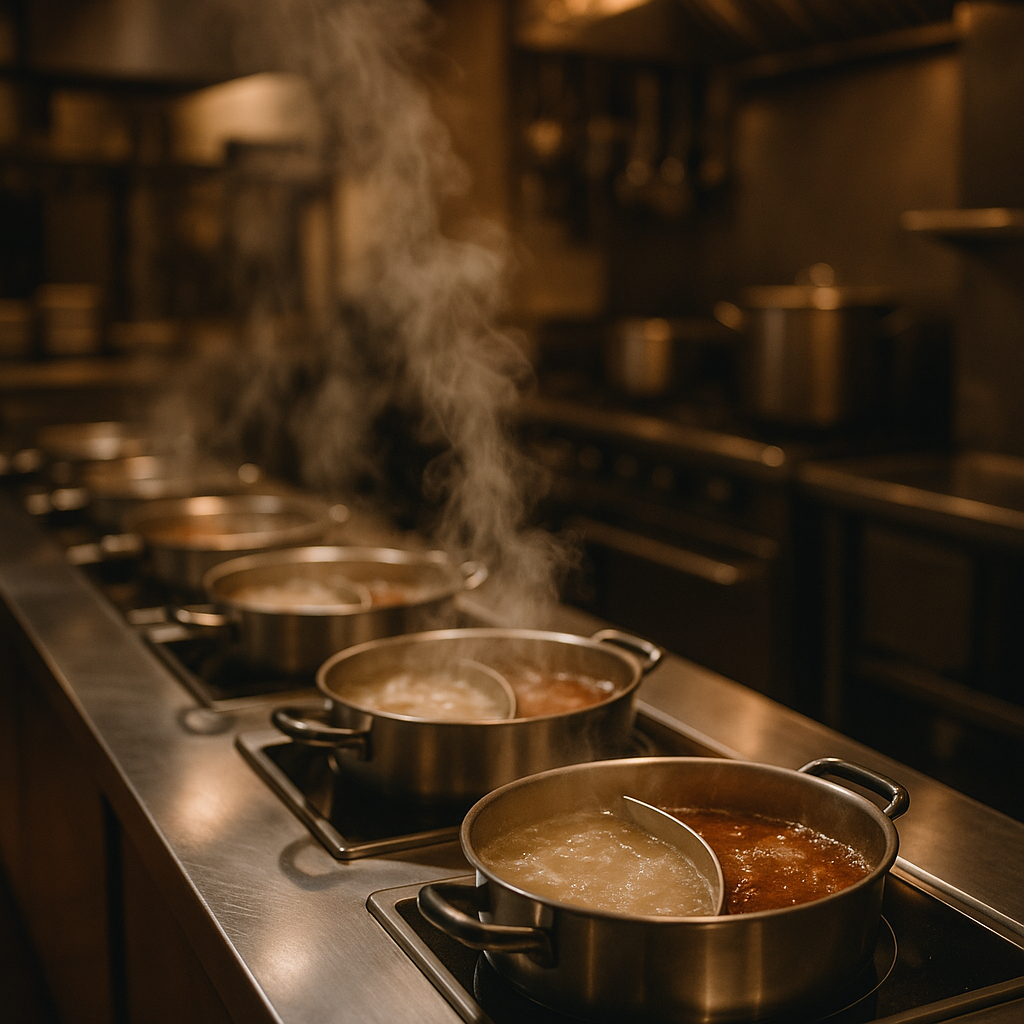
Your hotpot base broth is where every dining experience begins, making it arguably your most critical ingredient decision. The market offers numerous options—from traditional Sichuan spicy bases to mild chicken and seafood varieties—but the key lies in understanding exactly what specifications matter for restaurant operations.
When selecting commercial hotpot bases, focus on the dilution ratio first. Most quality bases recommend ratios between 1:3 and 1:5 (base to water), which directly impacts both flavor intensity and cost management. Document these ratios precisely in your specifications, as consistency here determines whether your signature broth tastes the same on Tuesday as it does on Saturday night.
Packaging requirements deserve equal attention. Commercial bases should come in sealed, food-grade containers with clear production dates, batch numbers, and storage instructions. As the purchaser, your legal responsibility is to exercise due diligence. You must obtain and verify certificates of compliance or batch-specific test reports from your suppliers, proving the products meet local food safety standards. For high-risk ingredients or new suppliers, periodic third-party testing is a prudent verification step. Ensuring your suppliers can provide this documentation is the non-negotiable standard that protects your customers and your business reputation.
The ingredient transparency on your base packaging matters tremendously. Look for clear labeling that lists all components, especially potential allergens like shellfish extracts or MSG. If you’re sourcing from international suppliers, verify that all labels meet your local language and disclosure requirements. At Jade Premium, we’ve seen countless restaurant owners struggle with compliance issues simply because they didn’t verify packaging standards before their opening day.
Protein Selections: Quality Marks and Portion Control
Protein ingredients represent both your highest food cost and your greatest opportunity to impress diners. Your specifications here must balance quality, consistency, and operational efficiency.
For beef selections, specify the exact cuts you’ll offer—popular choices include ribeye slices, beef tongue, and tripe. Document your required thickness (typically 2-3mm for quick cooking), marbling standards, and portion weights. A standard beef plate in hotpot restaurants ranges from 150-200 grams, pre-sliced and arranged for immediate service. Insist on vacuum-sealed packaging with visible quality marks indicating grade, origin, and processing date.
Lamb requires similar attention to detail. Specify whether you’re using shoulder, leg, or rib cuts, and note that lamb for hotpot should be sliced against the grain to ensure tenderness. Quality lamb maintains its pink color in packaging and shouldn’t have excessive liquid or ice crystals—signs of poor freezing practices or age.
Seafood proteins introduce additional complexity due to shorter shelf lives. Your specifications should detail acceptable species (distinguishing between farmed and wild-caught where relevant), size grades for shrimp, and freshness indicators. For processed seafood items like fish balls or surimi products, document the minimum seafood content percentage and any texture additives used. These products must clearly disclose allergen information and ingredient lists that meet international labeling standards.

Processed meats like luncheon meat, spam, and various sausages have become hotpot staples. Specify sodium levels, preservative types, and acceptable artificial colorings. While these items offer convenience and longer shelf life, quality matters—cheap processed meats can turn rubbery or release excessive oil during cooking, degrading your broth quality.
Vegetables and Mushrooms: Preparation and Storage Considerations
The vegetable and mushroom selection in hotpot dining provides textural variety and nutritional balance. However, these ingredients present unique challenges in prep work and inventory management.
Leafy vegetables like bok choy, spinach, and watercress require specifications for size, freshness indicators, and pre-washing requirements. Consider whether you’ll source whole vegetables for in-house prep or pre-cut options. While whole vegetables offer better shelf life, pre-cut varieties reduce labor costs—a trade-off worth documenting in your operational plan.
Root vegetables such as potato, sweet potato, and lotus root need clear guidelines on slice thickness and blanching procedures. Many experienced operators blanch harder vegetables for 2-3 minutes before service, ensuring they’ll cook thoroughly in the hotpot without requiring excessive time that frustrates diners. Document these prep methods in your specifications to maintain consistency across kitchen shifts.
Mushroom varieties—enoki, shiitake, king oyster, and wood ear—each have distinct texture profiles and cooking requirements. Specify package sizes that align with your portion control system. Fresh mushrooms should show no signs of sliminess or dark spots, while dried mushrooms need clear rehydration instructions and storage protocols to prevent moisture absorption and spoilage.
Frozen vegetable options deserve consideration for items used in high volumes. Quality frozen corn, edamame, and pumpkin can offer cost savings and reduce waste compared to fresh alternatives. Your specifications should address acceptable ice crystal formation, packaging integrity, and thawing procedures that preserve texture and food safety.
Tofu and Plant-Based Proteins: Texture Retention Matters
Tofu products range from silken varieties that disintegrate easily to firm pressed tofu that holds its shape through vigorous boiling. Your specifications must clearly define which textures you’ll offer and how they’ll be presented.
Firm tofu should maintain its structure after 5-10 minutes in boiling broth—test samples from potential suppliers under actual service conditions. Specify package sizes, pressing methods (if applicable), and whether you’ll serve plain or pre-seasoned varieties. Tofu skin and tofu puffs require documentation of oil content and frying standards, as lower quality versions can release excessive oil into your broth.
Plant-based protein alternatives are increasingly popular. If you’re incorporating products like plant-based meat slices or vegetable-based balls, specify minimum protein content, binding agents used, and importantly, comprehensive allergen disclosures. Many plant proteins contain soy, wheat, or nut derivatives that require clear communication to customers with dietary restrictions.
Storage requirements for tofu products vary significantly. Fresh tofu needs refrigeration and frequent rotation, while frozen and dried varieties offer longer shelf life but require different prep procedures. Document storage temperatures, shelf life expectations, and visual indicators of spoilage for your kitchen staff.
Carbohydrates and Dumplings: Timing and Portion Control
Noodles, dumplings, and other carbohydrates add substance to hotpot meals while offering opportunities for upselling and portion management. Your specifications here should focus on cooking times and consistency.
Fresh noodles—including udon, rice noodles, and sweet potato glass noodles—need clear cooking time guidelines. Document whether they require pre-cooking or go directly into the pot, and specify the ideal broth temperature for each variety. Overcooking ruins texture, while undercooking creates an unpleasant dining experience, making these timing specifications crucial for kitchen training.
Frozen dumplings have become hotpot essentials, but quality varies dramatically between suppliers. Specify minimum filling ratios (meat or vegetable content versus wrapper), acceptable wrapper thickness, and cooking time from frozen. Premium dumplings should maintain wrapper integrity without breaking apart during the recommended cooking duration. Test multiple brands under your actual service conditions before finalizing specifications.
Rice cakes, fish cakes, and other specialty items require documentation of ingredient composition, texture standards, and portion weights. These items often serve as signature dishes, so maintaining consistency directly impacts your brand reputation. Specify whether you’ll purchase pre-portioned items or cut larger blocks in-house—each approach has implications for food cost and labor management.
Sauces, Dips, and Aromatics: Service Station Standards
The sauce bar often defines the hotpot dining experience, giving customers control over their flavor profile. Your specifications for this area must address food safety, variety, and presentation standards.
Core sauce ingredients include sesame paste, soy sauce varieties, chili oil, vinegar, and aromatics like minced garlic, scallions, and cilantro. Specify portion container sizes that balance customer generosity with cost control—smaller sauce cups encourage multiple trips but reduce waste compared to large bowls.
Cross-contamination controls require particular attention at sauce stations. Specify individual serving utensils for each sauce, protocols for refreshing stations during service, and temperature requirements for items that need refrigeration. Document cleaning schedules and staff training requirements for maintaining station hygiene during peak hours.
Packaging for bulk sauce ingredients should emphasize food safety and ease of use. Large format containers reduce packaging waste but require careful rotation systems to prevent spoilage. Your specifications should address portion control pumps or ladles that maintain consistency while controlling costs.
Packaging and Labeling: Meeting International Standards
Every ingredient specification must include comprehensive packaging and labeling requirements that satisfy regulatory compliance and operational needs. This attention to detail separates professional restaurant operations from amateur ventures.
Document required information on all packages: portion weights in both metric and imperial measurements where applicable, complete ingredient lists in order of predominance, and clear allergen declarations. Specify acceptable package materials that maintain product integrity during storage and transport—vacuum sealing for proteins, moisture-resistant packaging for dried goods, and appropriate temperature controls for frozen items.
Batch numbers and production dates aren’t optional—they’re essential for traceability in case of recalls or quality issues. Your specifications should require visible, permanent marking systems that withstand typical storage conditions. This documentation protects your business and demonstrates your commitment to food safety standards.
For imported ingredients, verify that all labeling meets local language requirements and nutritional disclosure standards. Many jurisdictions require specific wording for country of origin, processing methods, and storage instructions. At Jade Premium, our experience facilitating international food trade has taught us that packaging compliance issues cause more operational delays than any other factor for new restaurants.
Food Safety and Quality Assurance Protocols
Quality assurance begins with supplier selection and extends through every stage of your operation. Your ingredients specification should establish clear benchmarks that enable consistent evaluation and risk management.
Require suppliers to provide relevant certifications—HACCP, ISO, or regional equivalents depending on your location. These certifications demonstrate systematic approaches to food safety that protect your business from contamination risks. Document expected shelf life for each ingredient category and establish visual, olfactory, and temperature checks for receiving procedures.
Traceability protocols become critical when issues arise. Specify that suppliers must be able to trace products back to their source within a defined timeframe. This capability enables rapid response to potential contamination or quality concerns, minimizing risk to customers and your reputation.
Temperature controls require precise documentation. Specify acceptable temperature ranges for receiving frozen goods (typically -18°C or below), refrigerated items (0-4°C), and ambient storage areas. Document procedures for temperature monitoring and response protocols when items arrive outside acceptable ranges.
Procurement and Operations Considerations
Beyond ingredient specifications themselves, successful restaurant operations require systematic approaches to supplier evaluation, inventory planning, and regulatory compliance.
Supplier evaluation should assess more than just price. Consider delivery reliability, order flexibility, quality consistency, and communication responsiveness. At Jade Premium, we’ve built our reputation on understanding that restaurant operators need suppliers who partner in their success, not just vendors who fulfill orders. Specify your expectations for lead times, minimum order quantities, and return procedures for substandard products.
Inventory planning directly impacts cash flow and waste management. Use your opening projections to establish par levels for each ingredient category, accounting for shelf life limitations and ordering lead times. Consider supplier storage services for items you’ll use in large quantities over time, reducing your on-site storage requirements.
Regulatory compliance varies by jurisdiction but typically includes business licensing, health permits, import documentation for international products, and potentially alcohol licensing if you’re serving alcoholic beverages. Verify that your ingredient suppliers can provide documentation supporting your licensing applications, particularly for imported or specialty items.
Building Your Core Ingredient Specification Checklist
As you approach opening day, compile your ingredient specifications into a practical working document that guides procurement, training, and quality control. This checklist should include:
Essential specifications for each ingredient category with approved brands and suppliers, documented pricing with update dates for budget accuracy, storage requirements and shelf life expectations, and preparation procedures that maintain consistency across kitchen staff. Include visual references—photos of properly portioned plates, acceptable color ranges for proteins, and examples of quality standards—that make your expectations concrete rather than subjective.
Schedule regular specification reviews, ideally quarterly for the first year. As you gain operational experience, you’ll identify ingredients that underperform or opportunities to upgrade quality. This living document approach ensures your specifications evolve with your restaurant rather than becoming outdated constraints.
Your comprehensive hotpot ingredients list represents more than a purchasing guide—it’s the foundation for delivering consistent, high-quality dining experiences that build customer loyalty and positive word-of-mouth. By investing time before opening day to establish these specifications, you’re setting your restaurant up for long-term success in an increasingly competitive market. The attention to detail in sourcing authentic, quality ingredients, backed by proper documentation and food safety protocols, demonstrates the professionalism that distinguishes thriving restaurants from those that struggle to maintain standards as they scale.