
The aroma of authentic Sichuan hotpot in a London restaurant, the taste of hand-pulled noodles in a New York bistro, the delicate balance of dim sum served fresh in Sydney—these culinary experiences exist because of an intricate network that few diners ever see. Behind every plate of authentic Asian cuisine enjoyed around the world stands a sophisticated distribution system that connects Chinese producers with international markets. As global appetite for Asian flavors continues to surge, Chinese food distribution companies have emerged as essential bridges between Asia’s rich culinary heritage and dinner tables across continents.
The numbers tell a compelling story. According to Market Research Future (cited in KerryDigest), the global Asian food market reached $154.8 billion in 2023 and is projected to soar to $269.9 billion by 2032. This explosive growth reflects more than just changing taste preferences—it represents a fundamental shift in how the world eats. Industry insights suggest that approximately two in three consumers now express openness to trying global cuisines, with Asian flavors leading this culinary revolution. For businesses like Jade Premium, this presents both opportunity and responsibility: the chance to share China’s authentic food culture while maintaining the integrity and quality that define true Chinese cuisine.

The Complex Value Chain Behind Every Dish
When a restaurant in Paris orders ingredients for authentic mapo tofu, what seems like a simple transaction actually involves a sophisticated value chain spanning thousands of miles. Chinese food distribution companies orchestrate multiple moving parts simultaneously—sourcing from verified producers, managing cold chain logistics across borders, ensuring regulatory compliance in different markets, and adapting products to meet international standards without compromising authenticity.
The sourcing phase alone requires deep expertise. Distribution companies must identify producers who not only deliver quality but also understand international market requirements. This is where authentic sourcing practices and quality verification become critical differentiators. A beef supplier in Inner Mongolia might produce excellent products, but can they meet Australian biosecurity standards or European traceability requirements? This is where companies with extensive local networks make the difference. Jade Premium, for instance, maintains offices across major Chinese cities—from Hong Kong and Shenzhen to Chengdu and Wuhan—enabling direct relationships with premium producers and real-time quality verification.
Quality control extends far beyond initial sourcing. Temperature-sensitive products like seafood or fresh produce require unbroken cold chain management from Chinese ports to international warehouses. Proper cold chain logistics prevent costly product losses and ensure food safety across continents. A single break in this chain can compromise product safety and quality. Distribution companies invest heavily in logistics infrastructure, partnering with specialized carriers and establishing regional distribution centers that serve as quality checkpoints and rapid response hubs.
Market adaptation represents another critical function. Chinese food products often need modification to meet local regulations—different labeling requirements, ingredient disclosures, or allergen warnings. Understanding Chinese export regulations and compliance requirements is essential for successful market entry. Yet these adaptations must never dilute the product’s authentic character. This delicate balance requires cultural fluency in both Eastern production practices and Western consumer expectations, a capability that distinguishes professional distributors from simple import-export operations.
Building Global Reach Through Strategic Architecture
The business architecture of successful Chinese food distributors reflects careful strategic planning. Unlike traditional importers who simply buy and resell, modern distribution companies build comprehensive ecosystems that create value at every stage.
Regional distribution centers form the backbone of this architecture. A distributor might maintain warehouses in Los Angeles, Rotterdam, and Dubai—each serving as a gateway to their respective regions. These centers stock popular items for quick fulfillment while also serving as consolidation points for specialty orders. When a restaurant chain in Germany needs specific Chinese sauces, the Rotterdam center can fulfill the order within days rather than weeks of shipping from China.
Partnership networks amplify this reach. Successful distributors cultivate relationships with local wholesalers, specialty retailers, and food service operators who understand their markets intimately. A Chinese distribution company entering South America might partner with established Latin American food distributors who already have relationships with restaurants and retailers. These partnerships allow rapid market penetration while maintaining quality standards through shared protocols and training.
Technology integration has become increasingly central to operational excellence. Modern distribution companies deploy sophisticated food traceability systems that track products from Chinese factories to international customers in real-time. When a shipment of frozen dumplings leaves Guangzhou, restaurants in Toronto can track its journey and plan their menus accordingly. This transparency builds trust and enables better planning across the entire supply chain.
Riding the Wave of Global Market Dynamics
Several powerful forces are propelling the growth of Chinese food distribution worldwide. The most obvious is demographic change—Asian populations in Western countries continue to grow, creating built-in demand for authentic ingredients. But equally significant is the mainstream adoption of Asian cuisines. Chinese food culture represents centuries of culinary philosophy that increasingly resonates with global diners. Thai cuisine has achieved broad adoption among Western consumers, with regional cuisine segments showing strong growth in recent years. While Korean flavors have surged in popularity, driven partly by cultural phenomena like K-pop and Korean dramas.
The fusion food trend creates additional opportunities. Chefs worldwide are experimenting with Asian ingredients in unexpected contexts—Korean tacos in Mexico City, Sichuan pepper in Italian pasta, laksa-flavored chicken in Australia. This culinary creativity expands the market beyond traditional Asian restaurants to mainstream dining establishments seeking distinctive flavors. Distribution companies that can supply specialty ingredients reliably gain significant competitive advantages.
Technology has democratized access to international foods. E-commerce platforms enable direct-to-consumer sales of Asian ingredients, while social media exposes millions to new dishes and cooking techniques. When a food blogger shares a recipe for authentic Lanzhou beef noodles, viewers worldwide search for the right wheat flour and spices. Distribution companies that adapt to this fragmented, digital-first demand can capture new market segments.
Health consciousness among consumers also drives growth. Asian culinary traditions emphasize fresh vegetables, lean proteins, and balanced flavors—attributes that align with contemporary health trends. Chinese teas, fermented foods like kimchi, and plant-based proteins like tofu appeal to consumers seeking both flavor and wellness. Distribution companies that can articulate these health benefits while maintaining authentic preparation methods tap into multiple consumer motivations simultaneously.
Leading Players Shaping the Industry
The Chinese food distribution landscape features several notable players who have mastered the art of bridging East and West. Wismettac Asian Foods, formerly Nishimoto Trading, has built a comprehensive network across North America, importing and distributing authentic Asian foods to restaurants and retailers. Their success stems from understanding that different market segments require different approaches—what works for a Chinatown grocery differs from what a suburban supermarket needs.
Rhee Bros, a major player in the United States, demonstrates how family heritage and market knowledge create competitive advantages. Founded by Korean immigrants, the company has expanded beyond Korean foods to become a comprehensive Asian food distributor. Their willingness to invest in customer education—teaching retailers how to merchandise Asian products and helping restaurants develop authentic menus—creates loyalty that transcends price competition.
What distinguishes successful distributors is their commitment to cultural authenticity. They don’t merely ship products; they share the stories, traditions, and proper usage of ingredients. When Jade Premium introduces a new Chinese product to international markets, we provide context—the regional origin, traditional preparation methods, and cultural significance. This approach transforms transactions into cultural exchanges, building deeper connections between producers and consumers.
Emerging Opportunities and Strategic Trends
The future of Chinese food distribution lies in several emerging trends that forward-thinking companies are already embracing. Localized product offerings represent one significant opportunity. Rather than offering identical product lines globally, distributors are customizing selections for regional preferences. The Asian ingredients popular in European markets differ from those demanded in Middle Eastern countries, which differ again from North American preferences.
Private label growth offers another avenue for expansion. Retailers increasingly seek exclusive products that differentiate them from competitors. Distribution companies with strong sourcing capabilities can develop private label lines that meet specific market needs—perhaps organic Chinese sauces for European health food stores or halal-certified dim sum for Middle Eastern markets. These exclusive products create recurring revenue streams and deeper retailer partnerships.
E-commerce expansion accelerates market penetration. During the pandemic, online grocery sales surged, and many consumers have maintained these habits. Distribution companies that build robust e-commerce capabilities—whether through partnerships with platforms like Amazon or proprietary online stores—can reach customers directly while gathering valuable data about preferences and consumption patterns.
Sustainability and traceability have evolved from nice-to-have features to essential requirements. Consumers want to know where their food comes from, how it was produced, and whether production methods align with their values. Companies like Jade Premium that maintain direct relationships with Chinese producers can provide detailed traceability information, building trust in markets increasingly skeptical of complex supply chains.
Navigating Challenges in a Complex Industry
The path to successful Chinese food distribution is not without obstacles. Regulatory compliance represents perhaps the most significant challenge. Different countries maintain varying food safety standards, import restrictions, and labeling requirements. Navigating export logistics and documentation requirements prevents costly delays and rejections. A product approved for sale in the United States might face additional hurdles in the European Union or Australia. Distribution companies must maintain expertise across multiple regulatory frameworks while helping Chinese producers understand and meet these requirements.
Cold chain reliability poses constant operational challenges. Fresh and frozen products require uninterrupted refrigeration from Chinese factories through ocean freight, customs clearance, regional distribution, and final delivery. Any breakdown—a refrigeration unit failure, port delays, or transportation disruptions—can result in significant product losses. Successful distributors invest in redundant systems, real-time monitoring, and contingency plans that minimize these risks.
Competition intensifies as the market grows. New entrants see the expanding Asian food market as attractive, leading to price pressure and margin compression. Distribution companies differentiate themselves through service quality, product selection, and reliability rather than competing solely on price. Successful operators understand that rigorous quality standards build long-term trust with international buyers. This requires continuous investment in relationships, infrastructure, and expertise—investments that not all competitors can sustain.
Cultural misunderstandings can derail even well-intentioned efforts. Western buyers might not understand why certain Chinese products are seasonal or why specific preparation methods matter. Chinese producers might not grasp why Western regulations prohibit certain ingredients or require specific documentation. Distribution companies serve as cultural translators, helping each side understand the other’s constraints and priorities.
Delivering Authentic Experiences Worldwide
The true measure of Chinese food distribution companies extends beyond tonnage shipped or revenue generated. It lies in the authentic culinary experiences they enable—the family in Berlin discovering the comfort of genuine xiaolongbao, the restaurant in Dubai serving hotpot that would satisfy diners in Chongqing, the supermarket shopper in Toronto finding the exact rice noodles their grandmother used.
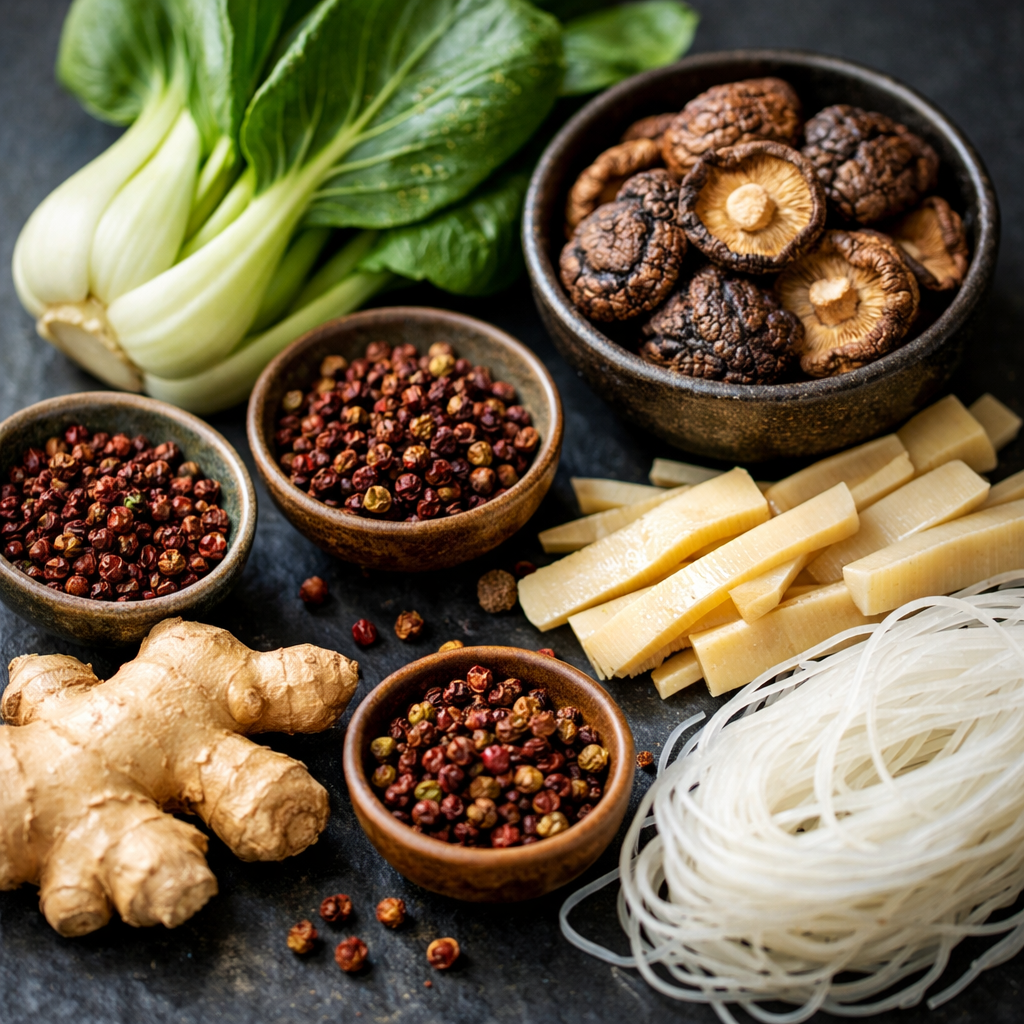
Companies like Jade Premium approach this responsibility with reverence for both the food culture we represent and the markets we serve. Our philosophy centers on authenticity, quality, and cultural integrity. When we source products from China, we verify not just food safety standards but also production authenticity—ensuring that Sichuan peppercorns actually come from Sichuan, that traditional preparation methods are followed, and that the final product honestly represents Chinese culinary heritage.
This commitment shapes every aspect of our operations. Our quality control processes incorporate both scientific testing and sensory evaluation by people who understand authentic Chinese flavors. Our logistics planning prioritizes product integrity over cost savings. And our customer education efforts help international buyers appreciate the cultural context behind products, fostering deeper appreciation rather than superficial consumption.
The global food distribution industry stands at an exciting inflection point. As international appetite for Chinese cuisine continues growing, the companies that succeed will be those that honor the cultural heritage they represent while meeting the exacting standards of international markets. They will serve not merely as logistics providers but as cultural ambassadors, building bridges that connect Asia’s rich culinary traditions with the world’s increasingly adventurous palates.
Every shipment represents more than commercial transaction—it carries the knowledge of Chinese farmers, the skill of Chinese food artisans, and the heritage of Chinese culinary traditions. When these products reach international tables with their quality and authenticity intact, they accomplish something profound: they build understanding and appreciation between cultures, one meal at a time. That is the true value Chinese food distribution companies provide—bridging not just geographical distances but cultural divides, bringing authentic Chinese cuisine to global tables while maintaining the integrity that makes these foods worth sharing in the first place.