
The culinary landscape is shifting beneath our feet. As we approach 2026, ethnic food trends are no longer niche curiosities—they’re becoming the mainstream. From heritage grains like teff finding their way into neighborhood cafes to miso appearing in unexpected dishes, the world is experiencing a flavor revolution that’s reshaping how we think about authentic cuisine.
For international food importers and distributors, this isn’t just another trend report to file away. It’s a roadmap to the future of food commerce. Consumers are craving genuine connections to global flavors, seeking out ingredients with rich backstories, and demanding convenience without compromising authenticity. The question isn’t whether ethnic foods will dominate 2026—it’s whether your supply chain is ready to meet this unprecedented demand.
Heritage Ingredients Take Center Stage
Walk into any progressive restaurant today, and you’ll likely encounter ingredients that were virtually unknown to Western audiences just five years ago. Teff, the ancient Ethiopian grain, now appears in everything from pancakes to energy bars. Miso, once confined to Japanese cuisine, has become a secret weapon for adding depth to vegetables, desserts, and even cocktails. Gochujang, yuzu, pandan, and countless other heritage ingredients are making the leap from ethnic aisles to mainstream menus.
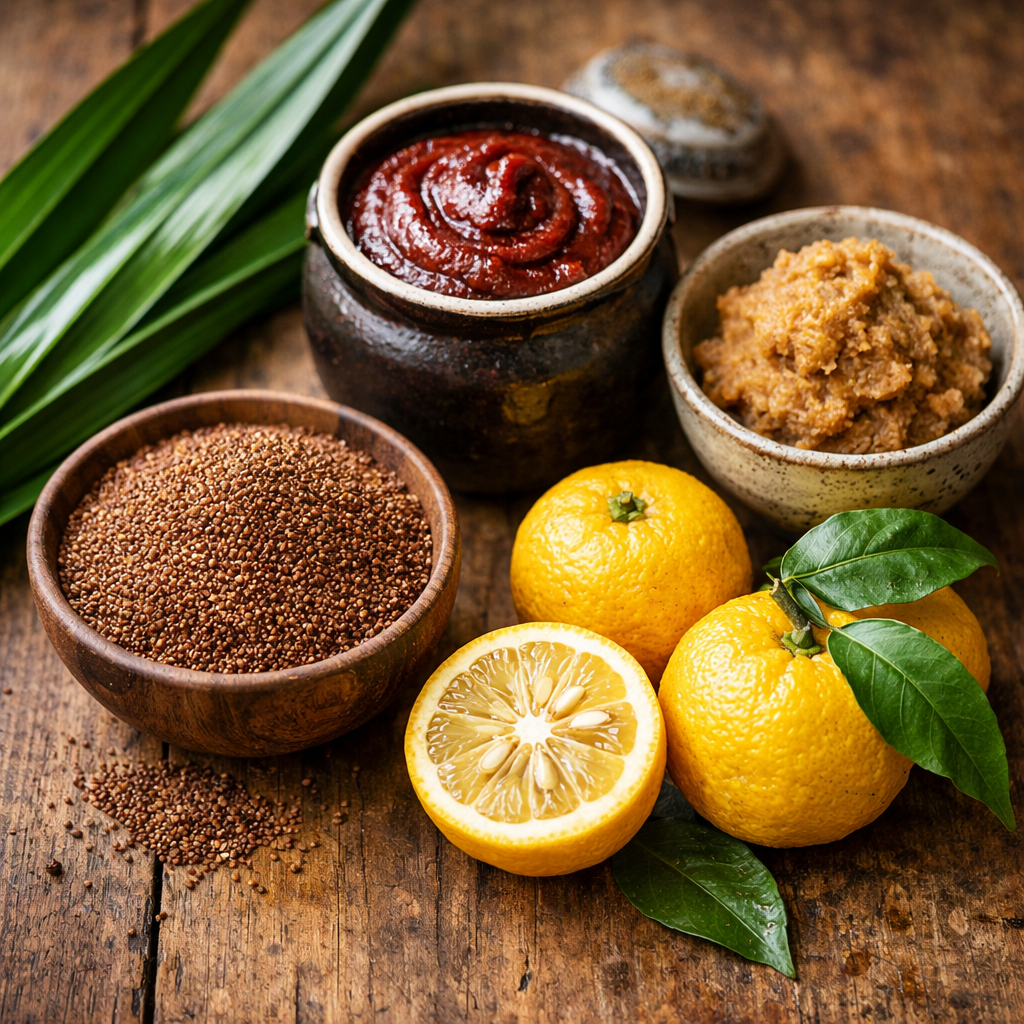
This shift represents more than culinary curiosity—it signals a fundamental change in how consumers relate to food. According to recent market research, ready-to-eat ethnic meals now account for 66% of ethnic food demand in the USA, driven by consumers who want authentic experiences without the intimidation factor of unfamiliar cooking techniques.
For international food importers, this trend creates both opportunity and obligation. The opportunity lies in expanding product portfolios beyond traditional offerings. The obligation? Ensuring that “authentic” actually means authentic. Consumers can spot the difference between genuine heritage ingredients and watered-down approximations, and their loyalty depends on your commitment to the real thing.
Building a diverse supplier network becomes essential. At Jade Premium, we’ve learned that authenticity starts at the source. Our offices across China—from Shenzhen to Chengdu, Shanghai to Wuhan—allow us to maintain direct relationships with producers who’ve been perfecting their craft for generations. This isn’t about finding the cheapest supplier; it’s about finding the right partner who understands that heritage ingredients carry cultural weight.
Quality control takes on new dimensions when dealing with heritage products. Traceability isn’t just a buzzword—it’s the foundation of trust. Can you verify that your Sichuan peppercorns actually come from Sichuan? Can you trace your fermented black beans back to traditional production methods? These details matter because your customers care, and increasingly, regulations require it.
The Convenience Paradox: Authentic Flavors, Modern Lifestyles
Here’s the paradox driving ethnic food trends in 2026: consumers want authentic, complex flavors, but they also want them now. The solution? Ready-to-eat formats that don’t compromise on bold ethnic taste profiles.
Time-pressed consumers are revolutionizing the ethnic food market by demanding restaurant-quality experiences at home. They’re not interested in spending hours learning traditional cooking techniques, but they absolutely want the payoff of those techniques. This creates a massive opportunity for importers who can bridge the gap between authentic preparation and modern convenience.
Think beyond simple reheating instructions. The most successful ethnic food products in 2026 will be those that maintain integrity while fitting seamlessly into busy lifestyles. Korean fried chicken that crisps up perfectly in an air fryer. Dim sum that steams restaurant-quality in minutes. Hotpot ingredients portioned for solo dining. These aren’t compromises—they’re innovations that respect both tradition and reality.
Packaging optimization becomes critical in this equation. The right packaging preserves authentic flavors while clearly communicating usage. We’ve seen how confusion kills sales—a consumer who doesn’t know how to prepare your product won’t buy it twice. Clear, visual usage guides printed directly on packaging can transform an intimidating purchase into a confident one.
Consider portion sizes carefully. The rise of single-person households and small families means bulk packaging often ends up as waste. Smaller, more frequent purchases feel less risky to consumers experimenting with new flavors. And for importers, smaller pack sizes mean more SKUs on shelves—more visibility, more trial opportunities.
Storage requirements matter too. Frozen ethnic foods are experiencing a renaissance, but only when they deliver on quality after thawing. Partner with suppliers who understand that freezing is a preservation technique, not an excuse for lower standards. Your reputation depends on the experience when your customer finally sits down to eat.
Authenticity and Provenance: The New Currency
In 2026, origin stories aren’t marketing fluff—they’re essential product features. Consumers want to know not just what they’re eating, but who grew it, where it came from, and how traditional methods were honored in its production. This demand for transparency is reshaping international food trade from the ground up.
The “heritage beauty” movement in skincare, which celebrates ancestral knowledge and ingredients passed down through generations, offers valuable lessons for food importers. Just as consumers gravitate toward beauty products with clear lineages and traditional wisdom, they’re seeking foods with authentic cultural roots and verifiable provenance.
Implementing transparent supply chains requires investment, but it pays dividends in consumer trust. Document every step from farm to container. Photograph your supplier relationships. Share the stories of the families and communities behind your products. At Jade Premium, we’ve built our reputation on this transparency—our deep relationships with Chinese producers aren’t just business connections, they’re partnerships that honor culinary heritage while meeting international standards.
Ethical sourcing is no longer optional. Consumers, particularly younger demographics, are voting with their wallets for brands that demonstrate genuine respect for producers and communities. Fair trade certifications, sustainable farming practices, and community development initiatives aren’t just nice-to-haves—they’re competitive advantages.
Pursue relevant certifications strategically. Organic, non-GMO, halal, kosher—understand which certifications matter most to your target markets and invest accordingly. But remember: certifications are starting points, not destinations. The most trusted brands go beyond minimum requirements, building relationships that elevate entire supply chains.
Consider cultural consultation as part of your sourcing process. Are you representing a cuisine and culture accurately? Are you working with people who actually come from that culinary tradition? Cultural authenticity isn’t something you can fake in 2026—consumers are too informed, and social media holds brands accountable too quickly.
Health Meets Heritage: Functional Benefits of Ethnic Foods
The intersection of ethnic foods and functional nutrition is creating explosive growth opportunities. Consumers are discovering that many heritage ingredients offer exactly the health benefits they’ve been seeking—high fiber content, fermentation benefits, plant-based proteins, and natural probiotics.
Fiber is emerging as the new protein in nutrition discussions, and many ethnic ingredients naturally deliver. Teff contains more fiber than quinoa. Traditional Chinese black rice offers nutritional density that puts white rice to shame. Korean fermented vegetables provide gut health benefits that align perfectly with microbiome research. These aren’t just foods—they’re functional ingredients that happen to taste incredible.
For importers, this creates a beautiful alignment: what’s authentic is also what’s healthy. You’re not compromising nutrition for flavor or vice versa. But you must communicate these benefits effectively while staying compliant with health claim regulations.
Evaluate high-fiber grains and legumes from diverse origins. Ancient grains from China, India, Ethiopia, and Peru offer nutritional profiles that modern breeding has often diminished in commercial crops. Partner with suppliers who can provide detailed nutritional analysis—consumers want numbers, not vague promises.
Fermentation deserves special attention. From Chinese doubanjiang to Korean kimchi, Japanese natto to Indian dosa batter, fermented foods span global cuisines and offer proven probiotic benefits. The science backing fermented foods has never been stronger, and consumer awareness has never been higher. This is your moment to position fermented ethnic ingredients not as acquired tastes but as functional superfoods.
Plant-based options within ethnic cuisines offer another growth vector. Chinese Buddhist cuisine, with its centuries-old tradition of sophisticated vegetable preparations, provides endless inspiration. Indian dal and paneer dishes, Middle Eastern falafel and hummus—plant-based eating has deep roots in global traditions. You’re not following a trend; you’re honoring ancient wisdom.
Ensure regulatory compliance for any health claims. Different markets have different standards for what you can say about nutritional benefits. Work with regulatory experts who understand both your origin market and your destination markets. The cost of non-compliance far exceeds the investment in getting it right.
The Social Experience: More Than Just Taste
Flavor adoption in 2026 isn’t happening in isolation—it’s driven by social and experiential factors that make ethnic foods shareable, Instagrammable, and conversation-worthy. The most successful ethnic food products won’t just taste good; they’ll create moments worth talking about.
Develop engaging narratives around your products. Every ingredient has a story—the grandmother who perfected the recipe, the region where it’s been grown for centuries, the festival where it’s traditionally served. These narratives transform transactions into connections. At Jade Premium, we’ve seen how sharing the cultural significance behind Chinese ingredients helps international buyers understand not just what they’re purchasing, but why it matters.
Educational content supports both retailers and consumers. Create recipe cards that go beyond basic preparation to explain cultural context. Develop video content showing traditional uses alongside modern applications. Partner with chefs and influencers who can authentically represent the cuisine—emphasis on authentically. Consumers can spot cultural appropriation and appreciate genuine cultural exchange.
Consider products with interactive or storytelling elements built in. QR codes on packaging that link to videos of traditional preparation methods. Augmented reality experiences that transport consumers to the ingredient’s origin. Multi-course meal kits that guide diners through a regional culinary journey. These experiences create emotional connections that drive loyalty and word-of-mouth marketing.
The “travel through taste” concept is particularly powerful for ethnic foods. With international travel still complicated and expensive, consumers are using food as a passport. Position your products as affordable, accessible ways to experience authentic global flavors. Retailers are increasingly organizing ethnic aisles around this concept—not just as foreign food sections, but as curated culinary destinations.
Social media strategy matters more than ever. User-generated content showing real people enjoying your products in their homes is worth more than any professional ad campaign. Make your products photogenic—think about colors, textures, and plating potential. Encourage sharing through hashtags, contests, and community building.
Action Steps for Importers in 2026
The ethnic food revolution isn’t coming—it’s here. Success requires immediate, strategic action:
Map Top Heritage Ingredients Identify which heritage ingredients align with both your market’s readiness and your sourcing capabilities. Don’t try to chase every trend; focus on ingredients where you can deliver genuine authenticity and consistent quality. Research which regional Chinese ingredients, for example, are gaining traction but remain underserved in your market.
Conduct Market Testing Before committing to large orders, test products with small focus groups. Understand not just whether people like the flavors, but whether they understand how to use the product. Gather feedback on packaging clarity, portion sizes, and price points. Use this intelligence to refine your offerings before full-scale launch.
Develop Ready-to-Eat Concepts Work with manufacturers to create convenience formats that maintain authentic flavors. This might mean investing in better freezing technology, developing shelf-stable versions of traditionally fresh products, or creating meal kits that demystify complex cuisines. The key is convenience without compromise.
Ensure Compliance Labeling requirements vary by market and are constantly evolving. Invest in regulatory expertise for every market you serve. Verify that nutritional information is accurate, allergen warnings are clear, and any cultural or health claims can be substantiated. Non-compliance can destroy years of brand-building in days.
Build Producer Relationships The most sustainable competitive advantage comes from direct, long-term relationships with quality producers. Visit production facilities. Understand their capabilities and constraints. Build partnerships, not just purchase orders. These relationships will be your buffer when market conditions tighten.
Create Educational Resources Don’t assume consumers know how to use your products. Develop comprehensive usage guides, recipe collections, and cultural context materials. Make these resources available online, on packaging, and through retail partners. Education drives trial, and trial drives adoption.
Leverage Expert Partners Navigating cross-border food trade requires expertise in sourcing, compliance, logistics, and market intelligence. Consider partnering with companies that specialize in bridging cultural and regulatory gaps. At Jade Premium, our comprehensive understanding of both Chinese food production and international market demands allows us to guide importers through complexity, ensuring that authentic Chinese ingredients reach global markets efficiently and compliantly.
The ethnic food trends of 2026 represent more than market opportunity—they reflect a fundamental shift in how global consumers relate to food, culture, and authenticity. The flavors that were once “ethnic” are becoming simply “food,” as mainstream audiences embrace the complexity and heritage that immigrant communities have always known and valued. as mainstream audiences embrace the complexity and heritage that immigrant communities have always known and valued.
Are you ready for this flavor revolution? The ingredients are available. The consumer demand exists. The only question is whether your supply chain, your partnerships, and your commitment to authenticity match the moment. The time to act isn’t next year—it’s now, while the market is still defining itself and early movers can establish themselves as trusted authorities.
From heritage ingredients to your menu, the path forward requires cultural respect, supply chain excellence, and genuine commitment to bringing authentic flavors to new audiences. Those who understand that this revolution is about more than just profit—it’s about connection, preservation, and celebration of global culinary heritage—will be the ones who thrive.