
Picture this: It’s a Wednesday evening. You’ve just gotten home from work, exhausted, craving something delicious and satisfying. The thought of ordering takeout crosses your mind, but you want something better—something that tastes like it came from an authentic Chinese restaurant, yet takes less time than scrolling through delivery apps. This is exactly where ready to cook Chinese meals are transforming how people around the world experience one of the planet’s most beloved cuisines.
Chinese food has captivated global palates for generations, but the gap between restaurant-quality dishes and what people could realistically make at home has always been wide. Traditional Chinese cooking requires specific ingredients, precise techniques, and often hours of preparation. For most busy families and individuals, recreating those complex, layered flavors seemed impossible—until now. Ready to cook Chinese meals are changing this narrative entirely, offering genuine authenticity packaged with modern convenience. In just 90 seconds, someone in London, New York, or Dubai can enjoy kung pao chicken or mapo tofu that tastes remarkably close to what they’d find in Shanghai or Chengdu. These products aren’t just convenient—they’re cultural ambassadors, bringing the richness of Chinese culinary traditions directly into homes worldwide.
The Evolution of Ready to Cook Formats
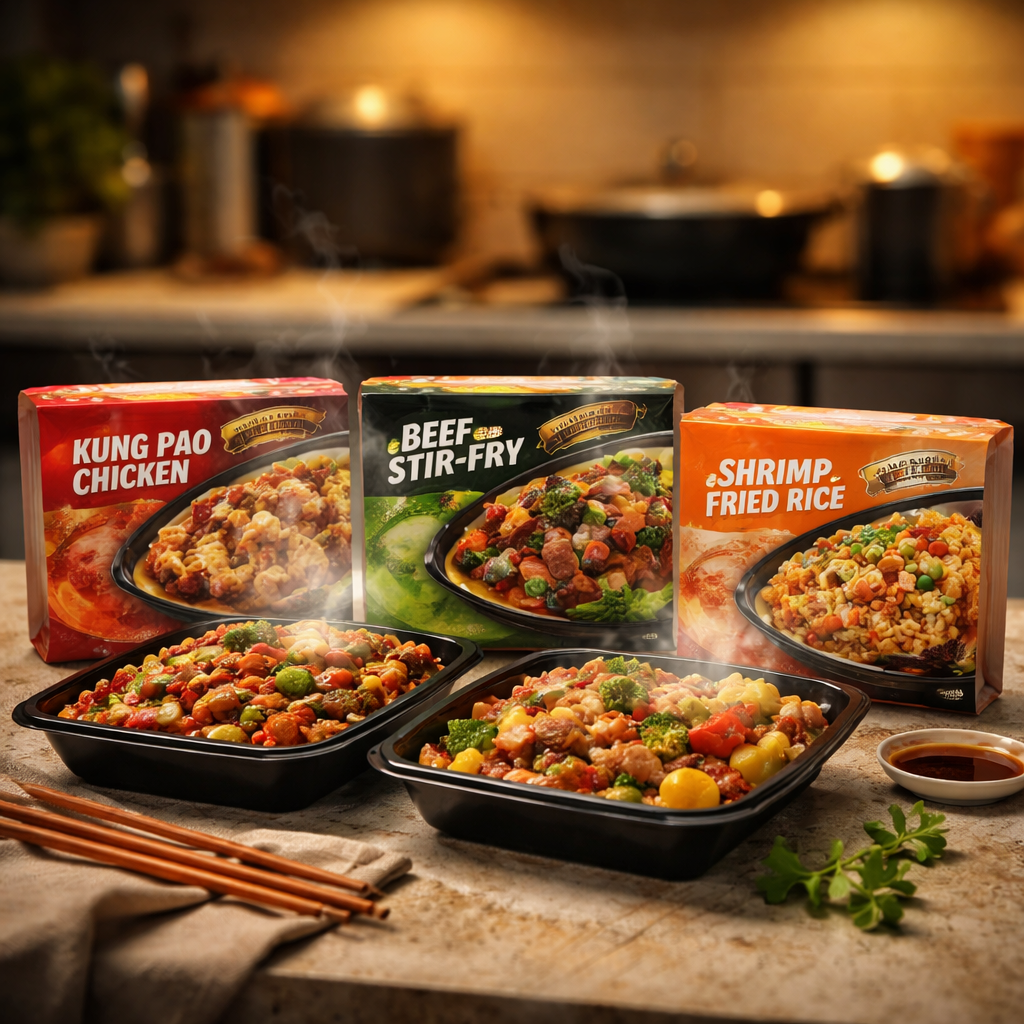
The ready to cook Chinese meals market has evolved far beyond simple frozen dinners. Today’s offerings span multiple formats, each designed to meet specific consumer needs and occasions. Fully cooked entrée kits represent the ultimate in convenience—complete dishes featuring protein, vegetables, and sauce that require only heating. A consumer can go from freezer to table in minutes, enjoying dishes like sweet and sour pork or beef with broccoli without any preparation beyond following simple heating instructions.
Meal kits offer a slightly different experience, providing pre-portioned ingredients with easy-to-follow cooking steps. These kits strike a balance between convenience and engagement, allowing home cooks to feel involved in the process while eliminating the challenges of sourcing specialty ingredients or measuring complex spice combinations. Someone wanting to make authentic dan dan noodles doesn’t need to hunt down Sichuan peppercorns or figure out the right ratio of sesame paste to chili oil—everything arrives precisely measured and ready to combine.
Ready-to-heat sauces represent another crucial category, particularly appealing to consumers who want flexibility in their cooking. These authentic sauce bases—from classic black bean and garlic to spicy Hunan-style preparations—allow people to incorporate their own protein and vegetable choices while ensuring the flavor profile remains genuinely Chinese. A foodservice operator can use these sauces to quickly expand their menu offerings, while a home cook can create restaurant-quality stir-fries using whatever ingredients they have on hand.
Each format serves distinct market segments. Retail consumers often gravitate toward complete entrée kits for weeknight dinners, while meal kits appeal to those who enjoy cooking but want guidance and convenience. Foodservice operators—from casual dining restaurants to hotel chains—increasingly rely on these products to offer authentic Chinese dishes without requiring specialized kitchen staff or extensive preparation time. The accessibility these formats provide has democratized Chinese cooking, making it available to anyone regardless of their culinary expertise or access to specialty markets.
The Soul of Authenticity: Ingredients and Regional Profiles
When we talk about ready to cook Chinese meals, authenticity isn’t just a marketing buzzword—it’s the foundation of everything. At Jade Premium, we understand that authentic Chinese cuisine begins with core ingredients that have defined this culinary tradition for centuries. Ginger, garlic, and scallions form the aromatic trinity of Chinese cooking, providing the foundational flavors that distinguish genuine dishes from pale imitations. Fresh ginger brings its signature warmth and subtle spiciness, garlic adds depth and pungency, while scallions contribute both sharpness when raw and sweetness when cooked.
Beyond these essentials, soy sauce quality determines whether a dish tastes flat or possesses that rich, umami complexity characteristic of great Chinese food. Premium soy sauce, naturally fermented and aged, provides layers of flavor that cheap alternatives simply cannot replicate. Similarly, sesame oil must be toasted and pure to deliver its distinctive nutty aroma, while rice wine adds subtle sweetness and helps tenderize proteins while balancing other flavors.
Chinese cuisine isn’t monolithic—it’s a tapestry of regional traditions, each with distinct flavor profiles and cooking techniques. Cantonese cuisine emphasizes freshness and subtle flavors, often featuring delicate steaming techniques and light sauces that enhance rather than mask ingredients. Sichuan cuisine brings bold, complex heat through its famous málà (numbing and spicy) flavor combination, achieved through Sichuan peppercorns and chili peppers. Hunan cuisine offers a different kind of heat—pure, straightforward spiciness balanced with sour notes. Shanghai-style cooking tends toward sweeter, more delicate flavors with emphasis on braising techniques.
Creating ready to cook Chinese meals that honor these regional distinctions requires deep knowledge and careful formulation. A mapo tofu kit must capture Sichuan’s characteristic tingling heat and rich, savory depth. A Cantonese-style steamed fish sauce needs to taste clean and fresh, letting the natural sweetness of quality ingredients shine through. This commitment to regional authenticity ensures that consumers experience genuine Chinese culinary diversity, not a homogenized version that flattens these important distinctions.
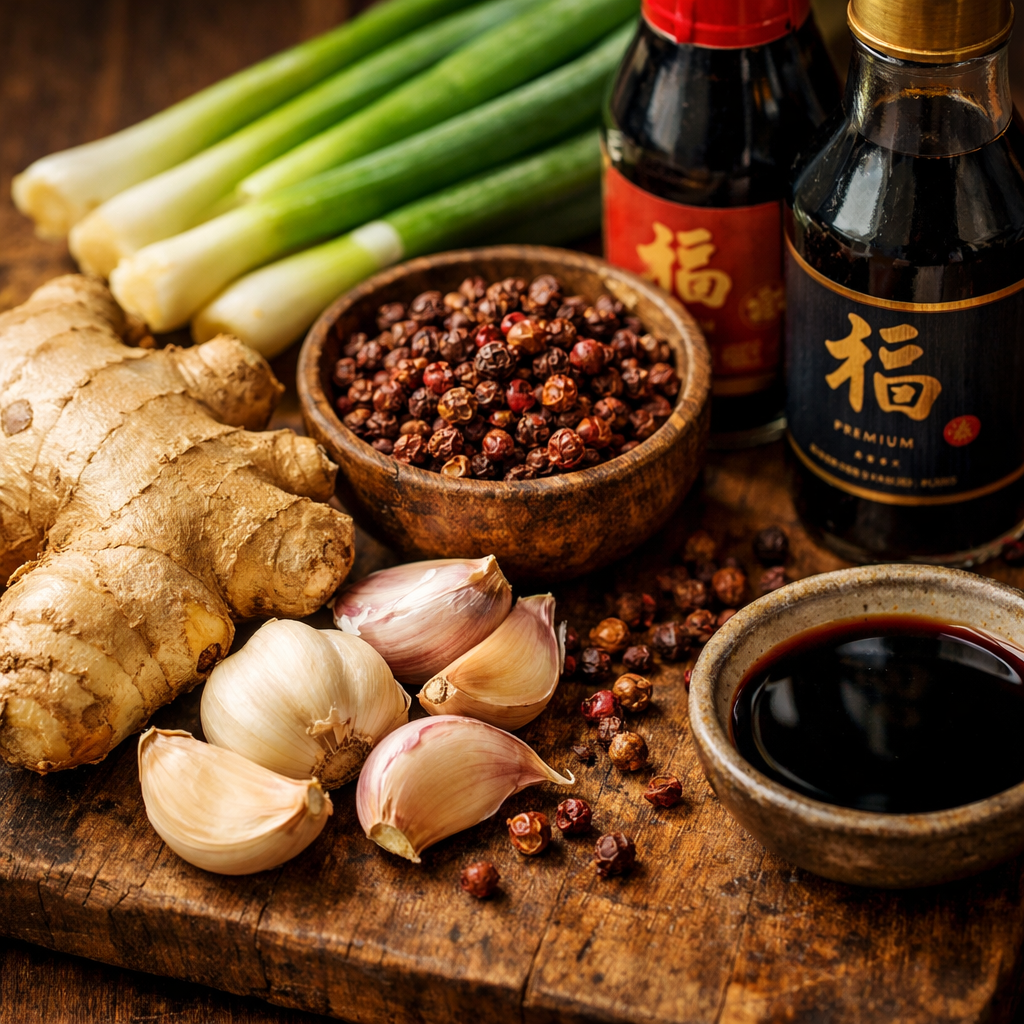
At Jade Premium, our extensive network across China’s major culinary regions allows us to source ingredients from their places of origin—Sichuan peppercorns from Sichuan, premium soy sauce from traditional production centers, and specialty items from specific provinces known for quality. This geographic authenticity translates directly into flavor authenticity, creating products that Chinese diaspora communities recognize as genuine and that newcomers to Chinese cuisine experience as revelatory.
Behind the Scenes: Production and Supply Chain Excellence
Creating ready to cook Chinese meals that deliver consistent quality across international markets involves complex production and supply chain considerations that most consumers never see but absolutely depend on. Co-packing arrangements represent one crucial element—partnering with certified manufacturers who possess both the technical capability to produce these products at scale and the cultural knowledge to maintain authentic flavors. Not every food production facility can properly handle the nuances of Chinese cooking techniques or the specific ingredient combinations that create authentic dishes.
Cold-chain management becomes absolutely critical when dealing with ready to cook Chinese meals containing proteins and vegetables that must maintain freshness from production through transportation to retail shelves or foodservice kitchens. Temperature fluctuations during transit can compromise texture, flavor, and safety. Jade Premium’s robust cold-chain infrastructure ensures products maintain optimal conditions throughout their journey—from factory freezers through international shipping, customs clearance, and final delivery. This unbroken cold chain preserves the quality that makes these products worth purchasing in the first place.
Compliance represents another layer of complexity that demands expertise and attention. Different markets impose varying food safety standards, labeling requirements, and import regulations. Products destined for European markets must meet EU food safety standards, while those entering North American markets face USDA and FDA requirements. Middle Eastern markets may have specific halal certification needs, while ASEAN countries each maintain their own regulatory frameworks. Navigating this regulatory maze requires deep knowledge and established relationships with certification bodies and customs authorities.
Quality control extends beyond just meeting minimum standards—it means consistently delivering products that taste right, have proper texture, and provide the experience consumers expect. This involves rigorous testing at multiple points: raw ingredient verification, in-process quality checks during production, finished product testing, and periodic market sampling to ensure products maintain quality throughout their shelf life. When a restaurant in Singapore opens a package of ready to cook Chinese meals for their lunch service, or a family in Germany prepares dinner, they should experience the same authentic flavors and quality every single time.
Jade Premium’s established presence across China’s major cities—from Hong Kong and Shenzhen to Shanghai, Chengdu, Wuhan, and Changsha—provides unique advantages in managing these production and supply chain complexities. Our local teams maintain direct relationships with production facilities, conduct regular quality audits, and can quickly address any issues that arise. This localized approach combined with our international trade expertise creates a seamless bridge between Chinese production capabilities and global market demands.
Meeting Market Demand: The Convenience Revolution
Consumer behavior has shifted dramatically in recent years, driven by increasingly busy lifestyles and growing appreciation for international cuisines. People want restaurant-quality experiences at home, but they don’t want to spend hours shopping for specialty ingredients or mastering complex cooking techniques. Ready to cook Chinese meals perfectly address this desire, offering minimal-effort pathways to authentic, delicious food.
Market research consistently shows growing demand for convenient, authentic Asian meals across global markets. In North America, consumers increasingly seek alternatives to traditional takeout that offer better quality and more control over ingredients. European markets show similar trends, with particular interest in exploring regional Chinese cuisines beyond the Cantonese dishes that have traditionally dominated. Middle Eastern consumers, with their appreciation for bold flavors and family-style dining, find Chinese cuisine’s communal eating traditions naturally appealing. ASEAN markets, while geographically close to China, show strong demand for authentic Chinese regional specialties that might not be readily available locally.
This demand extends beyond retail into foodservice sectors. Restaurant operators face constant pressure to expand menus while managing labor costs and kitchen complexity. Ready to cook Chinese meals allow them to offer authentic Chinese dishes without hiring specialized Chinese chefs or maintaining extensive ingredient inventories. A hotel restaurant can add a Chinese section to their menu with confidence that every dish will taste consistent and authentic. Catering companies can suddenly offer Chinese options for events without the logistical headaches previously required.
Innovative packaging plays a crucial role in meeting these market needs. Modern packaging must do more than just contain food—it must preserve quality, provide clear heating instructions in multiple languages, and appeal visually on retail shelves. Portion sizing needs consideration too: single-serve options for solo diners, family-size packages for households, and bulk formats for foodservice operators. Some products now feature QR codes linking to preparation videos, recipe suggestions, or information about the dish’s cultural significance, adding educational value that enriches the dining experience.
Marketing strategies for ready to cook Chinese meals must balance convenience messaging with authenticity credentials. Consumers want to know these products will save them time, but they also care deeply about genuine flavors and quality ingredients. Jade Premium’s approach emphasizes our direct connections to Chinese culinary traditions, our sourcing from premium production facilities across China, and our commitment to maintaining authentic regional flavor profiles—all while highlighting the practical convenience these products deliver.
Practical Insights: Implementing Success
For brands considering entering the ready to cook Chinese meals space, several operational considerations determine success or failure. Channel selection represents the first critical decision. Retail distribution through supermarket chains offers broad consumer reach but requires sophisticated packaging, clear shelf-life management, and often promotional support. Foodservice distribution focuses on restaurants, hotels, and catering operations, demanding different packaging formats, larger quantities, and often more flexible customization options. Many successful brands pursue dual-channel strategies, but this requires careful planning to avoid channel conflict while optimizing products for each market segment.
Product scalability deserves careful attention. Initial offerings might focus on a few popular dishes—perhaps kung pao chicken, sweet and sour pork, and beef with broccoli—before expanding to more diverse or regional-specific options. Starting too broad risks quality inconsistencies and supply chain complications, while starting too narrow might miss market opportunities. The right approach involves understanding target market preferences through research and testing, then expanding systematically as operations mature.
Quality consistency becomes increasingly challenging as production scales. What works perfectly in small batches can develop problems at industrial scale. Ingredient sourcing must remain reliable as volumes increase—can suppliers consistently deliver the required quality and quantities? Production processes need proper documentation and staff training to ensure every batch meets standards. Distribution networks must expand without compromising cold-chain integrity. These operational challenges require both planning and ongoing management attention.
Marketing alignment with consumer expectations critically impacts market success. Messaging must resonate with target audiences while accurately representing what products deliver. Over-promising creates disappointed customers and negative reviews, while under-communicating value leaves potential sales unrealized. Effective marketing for ready to cook Chinese meals typically emphasizes three core messages: authentic flavor from genuine Chinese culinary traditions, remarkable convenience that fits modern lifestyles, and consistent quality from every package. Visual marketing—photographs and videos showing the actual prepared dishes—helps consumers understand what they’re buying and builds confidence in product quality.
Partnership selection matters enormously. Working with an experienced trade facilitator like Jade Premium provides crucial advantages: established relationships with certified Chinese production facilities, deep understanding of international food regulations and compliance requirements, proven cold-chain logistics capabilities, and market intelligence about consumer preferences across different regions. These partnerships reduce risk, accelerate time-to-market, and increase the probability of sustainable success.
The Future of Chinese Cuisine in Global Markets
Ready to cook Chinese meals represent more than just convenient dinner options—they’re vehicles for cultural exchange and culinary education. Each package carries not only food but also stories, traditions, and the accumulated wisdom of Chinese culinary arts developed over millennia. When a family in Berlin prepares mapo tofu from a ready to cook kit, they’re not just eating dinner; they’re experiencing a taste of Sichuan culture, learning about málà flavor profiles, and potentially developing deeper appreciation for Chinese cuisine’s complexity and regional diversity.
This cultural dimension aligns perfectly with Jade Premium’s vision of deepening global understanding of Chinese culinary traditions. By making authentic Chinese cooking accessible worldwide, these products help break down the barriers of unfamiliarity that sometimes limit people’s engagement with Chinese cuisine beyond a few common dishes. Someone who discovers they love the complex flavors of Hunan-style dishes through a ready to cook meal might then seek out authentic Hunan restaurants, research Chinese cooking techniques, or even travel to China to experience these flavors at their source.
The market for ready to cook Chinese meals will continue expanding as more consumers discover their benefits and as production capabilities advance. New technologies may enable even better flavor preservation, extended shelf life without sacrificing quality, or more sustainable packaging solutions. Product lines will likely expand to include more regional specialties, dietary-specific options like low-sodium or vegetarian versions, and increasingly customizable components that let consumers tailor dishes to their preferences.
For international food importers, distributors, retail buyers, and foodservice operators, ready to cook Chinese meals represent significant opportunities. Consumer demand continues growing, competition remains relatively manageable in many markets, and the products themselves offer strong margins when positioned correctly. The key to success lies in partnering with suppliers who genuinely understand both Chinese culinary authenticity and international market requirements—companies like Jade Premium that bridge these worlds effectively.
If you’re considering adding ready to cook Chinese meals to your product lineup, now represents an excellent entry point. The market has matured enough to prove concept viability while remaining open enough for new entrants to establish positions. Consumer awareness continues building, and distribution infrastructure has developed sufficiently to support reliable supply chains. Most importantly, the fundamental consumer desire for convenient, authentic, delicious food shows no signs of diminishing.
At Jade Premium, we’re committed to supporting partners who want to bring authentic Chinese culinary experiences to global markets. Our comprehensive understanding of Chinese food production, combined with our international trade expertise and robust supply chain infrastructure, makes us ideal collaborators for brands seeking success in this dynamic market. We don’t just supply products—we share knowledge, provide market insights, and work alongside our partners to ensure sustainable success.
Ready to cook Chinese meals in 90 seconds aren’t just about speed—they’re about bringing people together around tables, introducing them to flavors they might never otherwise experience, and building bridges between cultures through the universal language of delicious food. As these products continue reaching more homes and restaurants worldwide, they’re quietly but powerfully expanding global appreciation for Chinese cuisine’s richness and diversity. That’s a future worth cooking for.