
When a shipping container of premium Chinese dumplings arrived at a European port last winter, the temperature logs showed a brief spike to 2°C above the required threshold during transit. The importer faced a difficult decision: accept the shipment and risk customer complaints, or reject it entirely. They chose rejection. The financial loss? Over $180,000 in spoiled product, plus damaged relationships with retail partners who had already promoted the product launch.
This scenario plays out more frequently than most international buyers realize. In the complex world of China food export cold chain requirements, temperature control isn’t just about keeping products frozen or chilled—it’s about protecting entire business relationships, brand reputations, and market opportunities. A single temperature slip can trigger a cascade of consequences that extend far beyond the immediate product loss.
China has become the world’s second-largest food exporter, with cold chain logistics demand reaching 192 million tons in the first half of 2024 alone, representing a 4.35% year-on-year increase. Understanding Chinese food export compliance requirements has become essential for international buyers navigating this rapidly expanding market. This explosive growth reflects the global appetite for authentic Chinese cuisine—from handmade dim sum to specialty hotpot ingredients—but it also underscores the critical importance of maintaining cold chain integrity throughout the export journey. For international food importers, distributors, and retail buyers, understanding these requirements isn’t optional; it’s the foundation of successful partnerships with Chinese suppliers.
The stakes are particularly high for perishable goods. Unlike shelf-stable products, frozen dumplings, fresh seafood, or chilled meat products have zero margin for error. A temperature deviation during ocean freight, a delay at customs, or inadequate storage at a distribution center can transform premium ingredients into unsalable waste. But the true cost extends beyond the immediate financial hit. Failed shipments erode trust between exporters and importers, complicate future customs clearances, and can even result in blacklisting by regulatory authorities. For businesses building their reputation on delivering authentic Chinese culinary experiences to global consumers, these risks are existential.
Understanding China’s Export Framework: More Than Just Paperwork
The Chinese government has established comprehensive regulations governing food exports, with the General Administration of Customs of China (GACC) serving as the primary regulatory authority. The Chinese food safety regulatory framework—including GACC’s registration of facilities—provides a baseline assurance of production and handling practices. Understanding whether your Chinese supplier is correctly registered and audited gives overseas buyers confidence that products meet basic safety and traceability expectations. Chinese exporters must similarly ensure their facilities meet international standards and maintain proper documentation for outbound shipments.
GACC registration serves as more than a bureaucratic hurdle. It functions as a quality assurance mechanism that protects both Chinese exporters and international buyers. Buyers should also implement comprehensive supplier verification processes to ensure facility compliance beyond basic registration. Registered facilities undergo regular audits to verify compliance with food safety standards, proper temperature control systems, and traceability protocols. This registration process ensures that every link in the supply chain—from production to storage to transportation—meets rigorous safety criteria.
For cold chain products specifically, documentation requirements become even more stringent. Each shipment must include detailed temperature logs, batch-level tracking information, health certificates, and origin verification. The labeling standards are equally precise, requiring clear indication of storage temperature requirements, production dates, and shelf life in formats compliant with both Chinese export regulations and the destination country’s import rules.
Here’s where compliance directly impacts your bottom line: proper documentation dramatically speeds up customs clearance. Many importers discover too late that labeling mistakes trigger costly delays and rejections. When temperature-sensitive goods sit at port awaiting inspection, every hour counts. Shipments with complete, accurate paperwork move through customs in days rather than weeks. Those with documentation errors face delays that can turn premium frozen products into expensive waste. One international trading company executive shared that after implementing a comprehensive pre-shipment documentation review process, their average customs clearance time for Chinese frozen food imports dropped from 12 days to just 4 days—a difference that transformed their ability to maintain product quality.
Consider the case of a Guangzhou-based dim sum manufacturer seeking to export to North American markets. Beyond GACC registration, they needed to ensure their facility met FDA standards, obtain proper export licenses, and establish temperature monitoring systems that could provide real-time data to overseas buyers. The initial investment in compliance infrastructure was significant, but it opened doors to partnerships with major retail chains who valued the transparency and reliability this level of compliance demonstrated.
Building Resilience: Practical Strategies for Cold Chain Success
Maintaining cold chain integrity across thousands of miles and multiple handling points requires more than good intentions—it demands systematic approaches backed by technology and rigorous protocols. The most successful international food importers implement several key strategies that minimize risk while maximizing product quality.
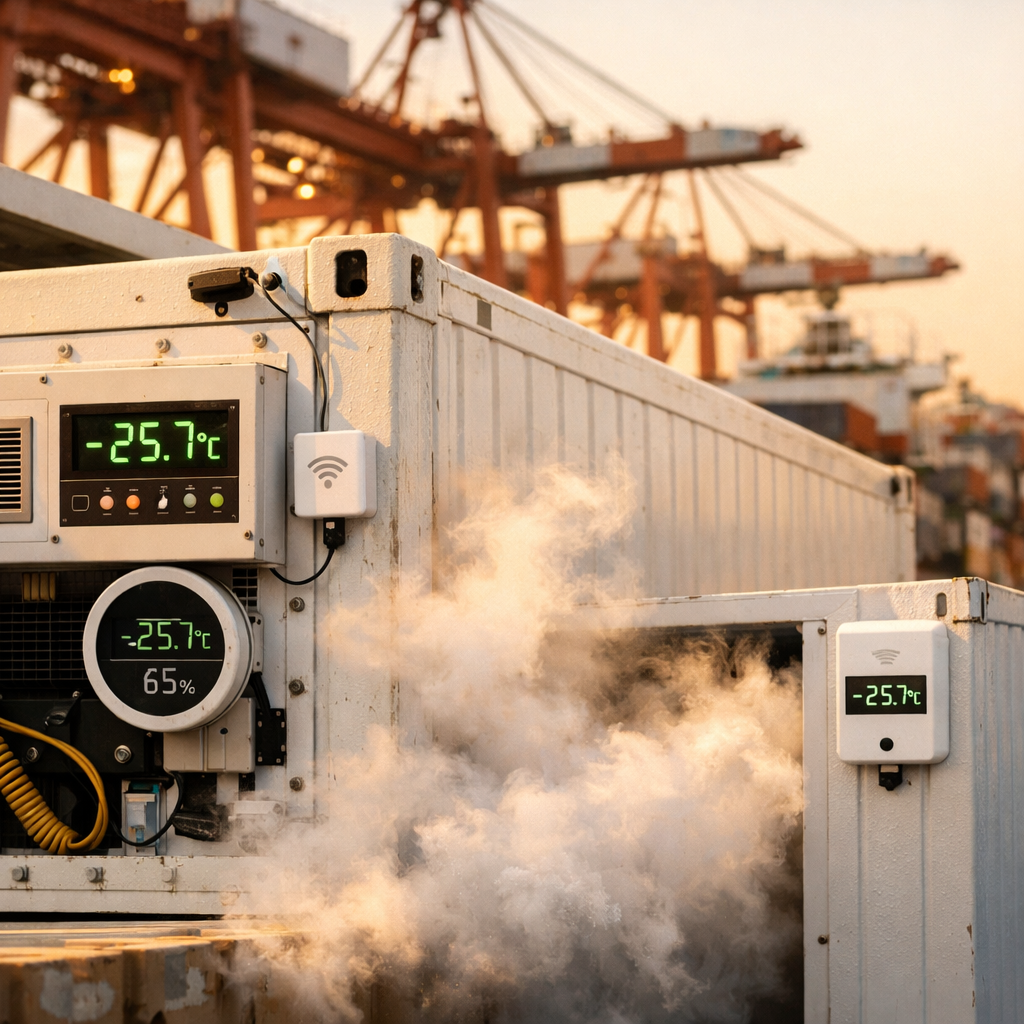
Real-time temperature monitoring has become the industry standard for cold chain management. For comprehensive guidance on maintaining temperature integrity throughout the supply chain, refer to cold chain logistics compliance best practices. Modern IoT sensors placed inside shipping containers provide continuous temperature readings transmitted via satellite or cellular networks. These systems don’t just record data—they trigger immediate alerts when temperature deviations occur, allowing logistics teams to intervene before minor issues become major losses. One European importer of Chinese frozen seafood reported that after implementing geofenced temperature alerts, they reduced spoilage incidents by 73% in a single year. The system automatically notified both the shipping company and the receiving warehouse whenever containers approached problematic temperature ranges, enabling rapid response.
But technology alone isn’t enough. Traceability through batch-level tracking creates accountability at every stage. The new global traceability standards coming into effect before 2026 make comprehensive tracking systems mandatory rather than optional. Each batch of exported food products should have a unique identifier that tracks its journey from production facility through storage, transportation, and final delivery. This level of granularity serves multiple purposes: it helps identify exactly where problems occur when temperature deviations happen, enables targeted recalls if necessary, and provides transparent documentation for regulatory authorities.
Temperature mapping represents another critical strategy that too many businesses overlook. This involves conducting thorough assessments of storage facilities and transport vehicles to identify potential cold spots or warm zones where temperature distribution may be uneven. A refrigerated warehouse might maintain an overall temperature of -18°C, but certain areas near loading docks or away from cooling units could experience variations. By mapping these patterns, facility managers can optimize product placement and storage strategies to ensure consistent temperature maintenance.
Smart packaging solutions complement facility-level controls. Phase-change materials, vacuum-insulated panels, and data-logging packaging systems provide additional protection layers for high-value shipments. These technologies are particularly valuable for long-haul ocean freight, where products might spend three to four weeks in transit. Some advanced packaging systems incorporate time-temperature indicators that provide visual confirmation of temperature stability throughout the journey—giving receiving parties immediate confidence in product quality or clear evidence if problems occurred.
Partnership selection might be the most underestimated factor in cold chain success. Not all logistics providers offer the same capabilities for temperature-sensitive goods. The most reliable partners maintain their own refrigerated warehouses at key ports, operate modern reefer container fleets with backup power systems, and have established protocols for handling customs documentation efficiently. When evaluating potential logistics partners, ask specific questions: How often do they calibrate their temperature monitoring equipment? What backup systems exist if primary refrigeration fails? Can they provide references from other clients importing similar products?
Regular auditing and performance tracking create continuous improvement cycles. Establish clear Key Performance Indicators (KPIs) around temperature maintenance, on-time delivery, and documentation accuracy. Review these metrics quarterly with your Chinese suppliers and logistics partners, identifying patterns and implementing corrective actions. This data-driven approach transforms cold chain management from reactive problem-solving to proactive risk prevention.
Common pitfalls deserve special attention. Documentation errors remain the leading cause of customs delays for food imports. Understanding the top mistakes importers make when sourcing Chinese food can help you avoid these costly errors before they happen. Missing health certificates, incorrect product codes, or mislabeled temperature requirements can stall shipments for days. Create detailed checklists for every shipment type and conduct pre-shipment reviews with your Chinese suppliers to catch errors before products leave port. Equipment failures, while less frequent, carry devastating consequences. Ensure your logistics contracts specify regular maintenance schedules for refrigeration units and establish clear liability frameworks for temperature control failures.
The human element matters too. Training programs for warehouse staff, truck drivers, and customs brokers who handle your products should emphasize the critical nature of temperature control. A driver who understands that opening a refrigerated container door for an extended period during loading can compromise an entire shipment is far more likely to follow proper protocols. Some importers have found success creating simple visual guides—translated into multiple languages—that illustrate proper handling procedures for their specific products.

Jade Premium’s Commitment: Bridging Quality and Culture Across Borders
These cold chain challenges and compliance requirements might seem daunting, but they represent something much more meaningful than regulatory obstacles. They reflect a fundamental commitment to delivering authentic, safe, and high-quality Chinese cuisine to global consumers—a philosophy that sits at the heart of Jade Premium’s approach to international food trade.
Since our establishment in 2015, Jade Premium has built our reputation on understanding that successful food exports require more than efficient logistics. They require deep cultural knowledge, unwavering quality standards, and genuine partnerships that bridge Eastern and Western markets. Our network of offices across Hong Kong, Shenzhen, Guangzhou, Shanghai, Chengdu, Wuhan, and Changsha isn’t just about geographical coverage—it’s about maintaining direct relationships with premium Chinese food producers who share our commitment to excellence.
When we source handmade dumplings from a family-run facility in Shanghai or specialty hotpot ingredients from Chongqing, we’re not just checking boxes on a compliance form. We’re sharing stories of culinary craftsmanship, preserving traditional recipes that have been perfected over generations, and helping international consumers discover the incredible diversity of authentic Chinese cuisine. This cultural dimension transforms cold chain management from a technical requirement into a mission of preservation—because every perfectly maintained temperature log represents flavors and traditions successfully delivered across continents.
Our comprehensive quality control processes reflect this holistic understanding. We conduct supplier qualification verification that goes beyond regulatory compliance to assess production practices, ingredient sourcing, and cultural authenticity. Our customized procurement planning considers not just product specifications but the cultural significance and traditional preparation methods that make Chinese cuisine unique. When we help transform products for international market compliance, we do so with deep respect for their cultural origins, ensuring that meeting Western food safety standards doesn’t compromise authenticity.
The cold chain infrastructure we’ve helped develop with our partners demonstrates this commitment in action. Real-time monitoring systems that track temperature from Guangzhou processing facilities to Melbourne supermarket shelves. Batch-level traceability that allows us to tell customers exactly which farm supplied the vegetables in their frozen dim sum. Logistics optimization that minimizes time in transit while maximizing freshness—because we understand that the texture of a properly frozen soup dumpling matters as much to the end consumer as it does to the chef who created it.
For international food importers, retail chain buyers, and food service operators seeking reliable Chinese food export partners, this comprehensive approach makes a tangible difference. You’re not just receiving shipments that meet technical specifications—you’re gaining access to centuries of culinary tradition backed by modern supply chain excellence. You’re partnering with a team that can navigate the complexities of GACC registration, explain the cultural context behind product ingredients, and ensure that every container arrives at the exact temperature required to preserve both food safety and culinary quality.
Our vision of deepening global premium food resource integration while promoting mutually beneficial international trade partnerships manifests in every temperature-controlled shipment. We recognize that when a European restaurant chain adds authentic Chinese soup dumplings to their menu, they’re making a significant business investment. Our role is ensuring that investment succeeds—not just through the first delivery, but through consistent, reliable supply chain performance that builds customer loyalty and drives repeat business.
The bridge we’re building between Eastern and Western food markets rests on twin pillars: uncompromising quality standards and genuine cultural understanding. We know that maintaining cold chain integrity isn’t just about preventing product loss—it’s about respecting the ingredients, honoring the traditions, and delivering the culinary experiences that bring people together across cultures. Every properly maintained shipment represents trust earned, relationships deepened, and the promise of authentic Chinese cuisine successfully shared with global consumers.
The Real Cost of Cold Chain Failure—And the Value of Getting It Right
As China’s cold storage capacity grows by 8% annually and refrigerated truck sales triple thanks to new energy policies, the infrastructure supporting food exports continues to evolve and improve. But technology and infrastructure only succeed when backed by commitment, expertise, and partnerships built on shared values.
That container of dumplings rejected at the European port? It represents more than $180,000 in direct losses. It represents broken promises to retail partners, disappointed consumers who never got to experience authentic Chinese cuisine, and a setback in building the cultural bridges that global food trade makes possible. These are the true costs of cold chain failure—costs measured not just in currency but in lost opportunities and diminished trust.
Conversely, when cold chain requirements are met with excellence, the rewards extend far beyond successful deliveries. They include restaurants confidently featuring authentic Chinese specialties on their menus, consumers discovering new favorite dishes, and the gradual deepening of cultural appreciation that comes from sharing food traditions across borders. They include business relationships that grow stronger with each successful shipment, market opportunities that expand as trust builds, and the satisfaction of knowing that quality and authenticity reach their destination intact.
The path forward requires partnership with experts who understand both the technical requirements and the cultural significance of Chinese food exports. It demands infrastructure that meets international standards while respecting traditional practices. And it requires an unwavering commitment to quality at every link in the supply chain—from the moment ingredients are sourced to the instant they reach consumers’ tables.
In the complex world of international food trade, temperature control is never just about degrees on a thermometer. It’s about the preservation of quality, the honoring of tradition, and the successful delivery of authentic experiences across continents. For businesses committed to bringing genuine Chinese cuisine to global markets, mastering cold chain requirements isn’t an operational challenge to be managed—it’s the foundation upon which lasting success is built.