
- Understanding China’s Spring Harvest Rhythm and Export Windows
- Building Reliable Spring Produce Supplier Networks Across China
- Synchronizing China’s Spring Harvest Supply with Global Demand
- Ensuring Quality, Safety, and Compliance for Chinese Spring Produce
- Bridging Cultures Through Seasonal Excellence
- The Future of Seasonal Sourcing from China
Spring in China brings a distinctive range of premium seasonal produce that global buyers increasingly seek. Fresh bamboo shoots, Chinese broccoli (gai lan), pea shoots, chives, shepherd’s purse, and early-season mushrooms mark the arrival of the spring harvest across major growing regions such as Yunnan, Fujian, Shandong, and Sichuan.
These ingredients are deeply rooted in Chinese culinary traditions yet increasingly featured in international retail and foodservice channels. From fresh pea shoots used in premium restaurant menus to bamboo shoots prepared for retail-ready packaging, China’s spring vegetables provide both authenticity and commercial opportunity for global importers.
Understanding China’s Spring Harvest Rhythm and Export Windows
The beauty of spring seasonal produce sourcing lies in its alignment with nature’s harvest cycles across China’s diverse growing regions. When vegetables are harvested at peak season—from bamboo shoots in Zhejiang to tender pea shoots in Yunnan—they require fewer artificial interventions, less long-term storage, and minimal preservation.
For international buyers, sourcing directly during China’s natural spring harvest window means accessing produce at its highest flavor intensity and nutritional value. Freshly harvested Chinese spring vegetables, rapidly pre-cooled and exported through optimized cold-chain logistics, deliver a level of taste and texture that cannot be replicated by long-stored or off-season alternatives.
This peak-season sourcing approach not only enhances menu quality but also reduces storage costs and quality degradation risks for importers, distributors, and foodservice operators. In competitive global markets where freshness and authenticity drive customer loyalty, aligning procurement with China’s natural spring harvest calendar becomes a strategic advantage rather than a simple purchasing decision.
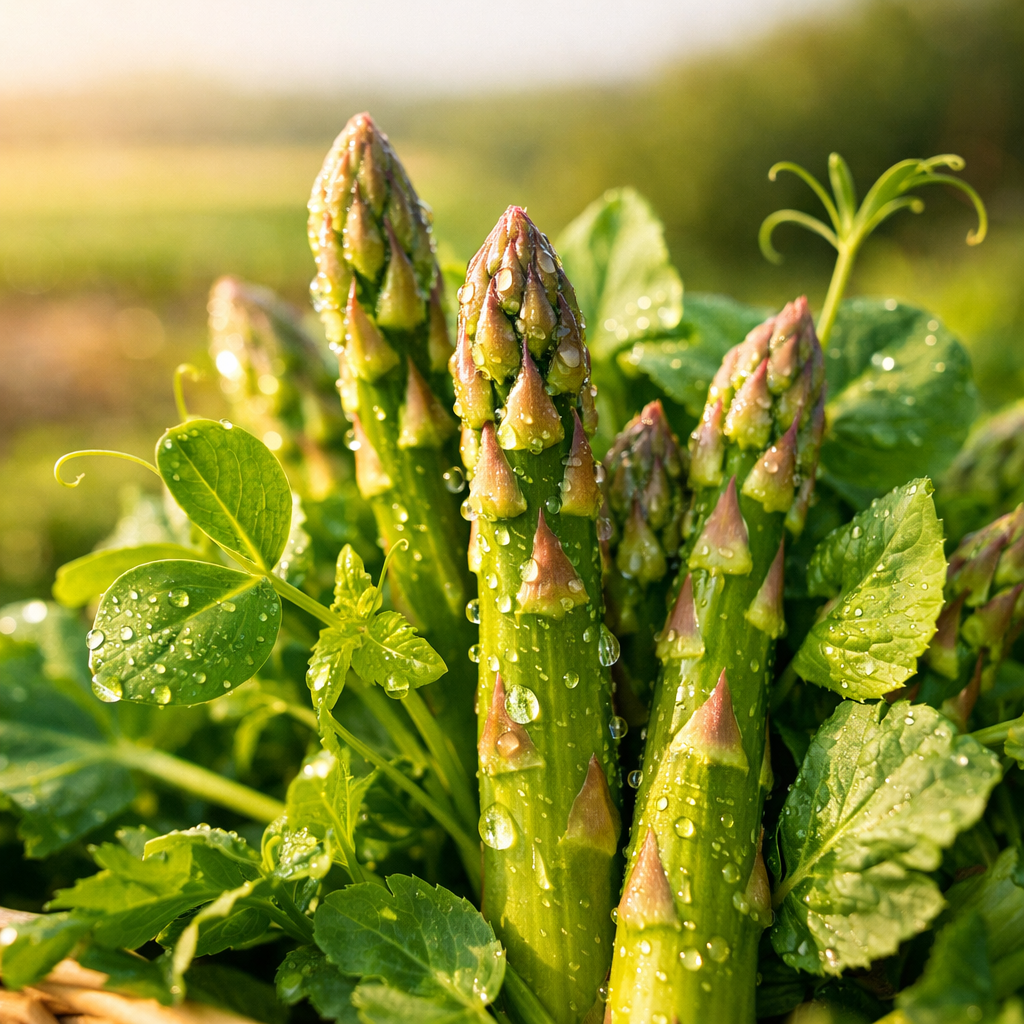
Local and regional sourcing during spring offers compelling advantages beyond taste. Transportation emissions drop dramatically when produce travels hundreds rather than thousands of miles. A restaurant in Tokyo sourcing spring greens from regional growers in neighboring prefectures reduces its carbon footprint while supporting local agricultural communities. For international trading companies building sustainable supply chains, these environmental credentials increasingly matter to conscious consumers and corporate buyers alike.
Consider the economics: spring vegetables grown in-season require less irrigation, fewer pesticides, and reduced heating costs compared to off-season greenhouse production. These efficiencies often translate into competitive pricing for importers and distributors. When combined with superior flavor and nutritional content, seasonal sourcing becomes not just an environmental choice but a smart business strategy.
Building Reliable Spring Produce Supplier Networks Across China
Successful spring seasonal produce sourcing depends on cultivating diverse supplier relationships across multiple growing regions. Weather remains agriculture’s unpredictable variable—a late frost in one region can devastate asparagus crops overnight, while heavy rains might delay pea harvests elsewhere. Smart importers spread risk by developing partnerships with growers across different microclimates and geographical zones.
Jade Premium’s sourcing network across China’s key agricultural regions allows international buyers to access premium spring produce at peak harvest. From fresh bamboo shoots in Zhejiang and Fujian to tender pea shoots from Yunnan’s highland farms and chives from Shandong, our regional presence enables flexible sourcing aligned with seasonal availability.
When weather conditions affect harvests in one province, our multi-region supplier network allows rapid adjustments without compromising quality or delivery timelines. This geographic diversification ensures stable supply of China’s most sought-after spring vegetables for global retail and foodservice markets.
Building strong grower relationships requires more than transactional purchasing. Understanding a farmer’s cultivation practices, soil health programs, and harvest techniques provides insights that spreadsheets cannot capture. These quality-focused relationships mirror principles found in organic Chinese food sourcing, where verification extends far beyond certification. A grower who hand-harvests asparagus at the optimal diameter, who rotates crops to maintain soil vitality, and who invests in post-harvest cooling demonstrates commitment to quality that resonates through the entire supply chain.
For food service operators and retail buyers, these relationships provide valuable transparency. Knowing that your spring greens come from farms practicing sustainable agriculture, treating workers fairly, and maintaining food safety protocols builds brand integrity. Consumers increasingly want these stories—the human connections and ethical practices behind their food choices. International food importers who can provide this narrative depth differentiate themselves in crowded markets.
The partnership approach also enables customization. Need asparagus cut to specific lengths for a hotel chain’s plating specifications? Require pea shoots harvested at a precise tenderness for a restaurant group’s spring menu? Strong supplier relationships make these accommodations possible. This flexibility transforms commodity purchasing into strategic sourcing that delivers competitive advantages.
Synchronizing China’s Spring Harvest Supply with Global Demand
Crop calendars serve as essential planning tools for spring seasonal produce sourcing. These detailed schedules map when specific varieties reach peak harvest across different regions, allowing importers and distributors to anticipate availability and plan accordingly. An experienced buyer knows that California asparagus peaks in March and April, while Washington state’s harvest runs slightly later. This knowledge enables strategic purchasing that captures optimal quality windows.
Demand forecasting during spring requires balancing historical patterns with emerging trends. Restaurant groups planning spring menus typically finalize concepts months in advance, creating predictable demand for certain vegetables. However, food trends evolve rapidly—social media can suddenly popularize previously niche ingredients like pea tendrils or wild asparagus, creating unexpected demand surges.
Advanced forecasting combines historical sales data with market intelligence and customer communication. A distributor serving multiple restaurant chains maintains ongoing dialogue about menu development, allowing them to adjust procurement plans before demand materializes. This proactive approach prevents the scramble of last-minute sourcing, which often compromises quality and inflates costs.
Logistics optimization becomes critical when dealing with highly perishable spring produce. Asparagus can lose half its sugar content within 24 hours of harvest without proper cooling. Tender pea shoots wilt quickly under poor handling. Cold chain maintenance—the uninterrupted refrigeration from field to final destination—determines whether premium produce arrives in pristine condition or as expensive compost.
Jade Premium’s integrated supply chain solutions address these challenges through strategic logistics planning. We coordinate harvest timing with transportation schedules, ensuring freshly cut vegetables move immediately into temperature-controlled environments. Our partnerships with specialized carriers provide access to refrigerated containers and expedited customs clearance for time-sensitive shipments. These climate-resilient logistics practices help maintain product integrity throughout the supply chain. These operational details might seem mundane, but they determine whether international buyers receive products that meet premium standards.
Flexible transportation options provide additional resilience. Air freight delivers ultra-fresh produce to distant markets within hours, commanding premium prices that justify higher shipping costs. Sea freight offers economical options for larger volumes when timing allows. The ability to shift between transportation modes based on crop availability, market conditions, and customer priorities demonstrates the sophistication modern food trade demands.

Ensuring Quality, Safety, and Compliance for Chinese Spring Produce
Perishable spring produce presents unique quality control challenges. Unlike shelf-stable products, fresh vegetables cannot hide defects—wilting, discoloration, or texture degradation immediately signals problems. This unforgiving nature requires rigorous quality protocols throughout the supply chain.
Traceability systems form the foundation of effective quality management. Every case of asparagus, every container of spring greens should be traceable back to specific fields and harvest dates. This comprehensive traceability has become essential for meeting evolving international standards. When quality issues arise, this traceability enables rapid problem identification and corrective action. For international food importers serving multiple markets, traceability also satisfies increasingly stringent regulatory requirements across different jurisdictions.
HACCP (Hazard Analysis and Critical Control Points) standards provide systematic frameworks for identifying and controlling food safety risks. For spring produce, critical control points typically include field sanitation, wash water quality, temperature control during packing and transportation, and proper storage at distribution centers. Growers and suppliers demonstrating robust HACCP implementation earn trust with international buyers who cannot personally inspect every harvest.
Safety considerations extend beyond microbial contamination. Pesticide residue testing, heavy metal screening, and allergen management all factor into comprehensive quality programs. Understanding these requirements helps avoid the common mistakes importing Chinese food that delay shipments. European markets particularly emphasize pesticide residue limits, while North American buyers focus heavily on food safety modernization protocols. Understanding these regional regulatory differences and ensuring compliance protects brand reputation and market access.
Sustainability considerations increasingly influence quality standards. Water usage, soil conservation practices, and biodiversity preservation now factor into procurement decisions alongside traditional quality metrics. Progressive retailers and food service operators recognize that long-term supply chain sustainability requires environmental stewardship. They actively seek suppliers demonstrating commitment to regenerative agriculture and ecosystem health.
Independent third-party certifications provide credible verification of quality and sustainability claims. Organic certifications, GlobalGAP standards, and Fair Trade designations offer buyers confidence that products meet verified standards. For Chinese food exports entering international markets, these certifications often determine market access and competitive positioning.
Bridging Cultures Through Seasonal Excellence
Spring seasonal produce sourcing ultimately transcends logistics and commerce—it connects cultures through shared appreciation of fresh, natural foods. When international buyers discover premium Chinese spring vegetables like tender Chinese broccoli, fresh bamboo shoots, or delicate pea shoots, they access authentic ingredients that elevate culinary experiences and introduce new flavors to global palates.
Jade Premium’s philosophy of bringing authentic Chinese cuisine to global tables embraces this cultural exchange. We recognize that food tells stories—about seasons, places, agricultural traditions, and the skilled hands that nurture crops from seed to harvest. Our commitment to natural, premium, and healthy products reflects understanding that quality begins in fields, not marketing departments.
Our comprehensive trade services support international food importers navigating the complexities of cross-border produce trade. From supplier verification to export compliance management, we handle the details that determine success. From supplier qualification verification to compliance transformation, we manage details that determine success or failure in fresh produce sourcing. Our deep cultural and market expertise allows us to identify authentic Chinese spring vegetables with genuine global appeal while ensuring they meet international quality standards and regulatory requirements.
For retail chain buyers across Europe, North America, the Middle East, and ASEAN markets, our extensive local network provides access to premium spring produce that differentiates their offerings. We don’t simply facilitate transactions—we deliver market intelligence about culinary traditions, preparation techniques, and consumer trends that help buyers merchandise products effectively and educate consumers about new ingredients.
Food service operators benefit from our end-to-end quality control and logistics optimization. When chefs plan spring menus featuring authentic Chinese vegetables or fusion concepts combining Eastern and Western ingredients, they need reliable partners who understand both culinary requirements and supply chain realities. Our integrated approach ensures that creative vision translates into executed dishes that delight guests.
The Future of Seasonal Sourcing from China
As climate patterns shift and consumer preferences evolve, spring seasonal produce sourcing will continue adapting. Technology enables better forecasting, improved traceability, and enhanced cold chain monitoring. Growing awareness of food system sustainability drives demand for locally adapted crops and reduced food miles. International food trade partnerships increasingly emphasize mutually beneficial relationships that support agricultural communities while delivering exceptional products to global consumers.
The hidden strategy behind fresh spring greens on tables worldwide combines agricultural expertise, logistical precision, quality commitment, and cultural appreciation. It requires understanding seasonal rhythms, building resilient supplier networks, optimizing complex supply chains, and maintaining unwavering quality standards. Most importantly, it demands respect for the farmers, distributors, and countless hands that make each meal possible.
When you bite into crisp spring asparagus or taste the sweet pop of fresh peas, you’re experiencing the culmination of this sophisticated system. Behind that simple pleasure lies a global network of expertise, relationships, and commitment to excellence—the true strategy delivering nature’s seasonal bounty to your table.