
- Heritage as Product and Narrative
- The Logistics That Preserve Authenticity
- Navigating the Regulatory Landscape
- Packaging and Labeling with Cultural Respect
- Quality Control and Risk Management in Practice
- Real-World Pathways to Global Tables
- Market Opportunities and Contemporary Challenges
- Bridging Worlds, Building Trust
When you bite into a perfectly steamed dumpling at a restaurant in London or savor the delicate layers of a scallion pancake in Sydney, you’re experiencing more than just food. You’re tasting centuries of culinary tradition, carried across oceans through carefully orchestrated supply chains. Chinese traditional foods export has evolved into a sophisticated bridge connecting modern dining tables to ancient kitchens, bringing authentic flavors that have sustained generations to international markets hungry for genuine cultural experiences.
The appeal of authentic Chinese cuisine in global markets isn’t simply about exotic flavors or trending foods. It represents something deeper—a connection to heritage, craftsmanship, and time-honored techniques that industrial food production cannot replicate. As consumers worldwide become more discerning about food origins and authenticity, the demand for traditional Chinese foods has surged. International food importers and distributors recognize that these products carry stories as valuable as the ingredients themselves, stories that resonate with retail chain buyers from Europe to North America, the Middle East to ASEAN regions.
Heritage as Product and Narrative
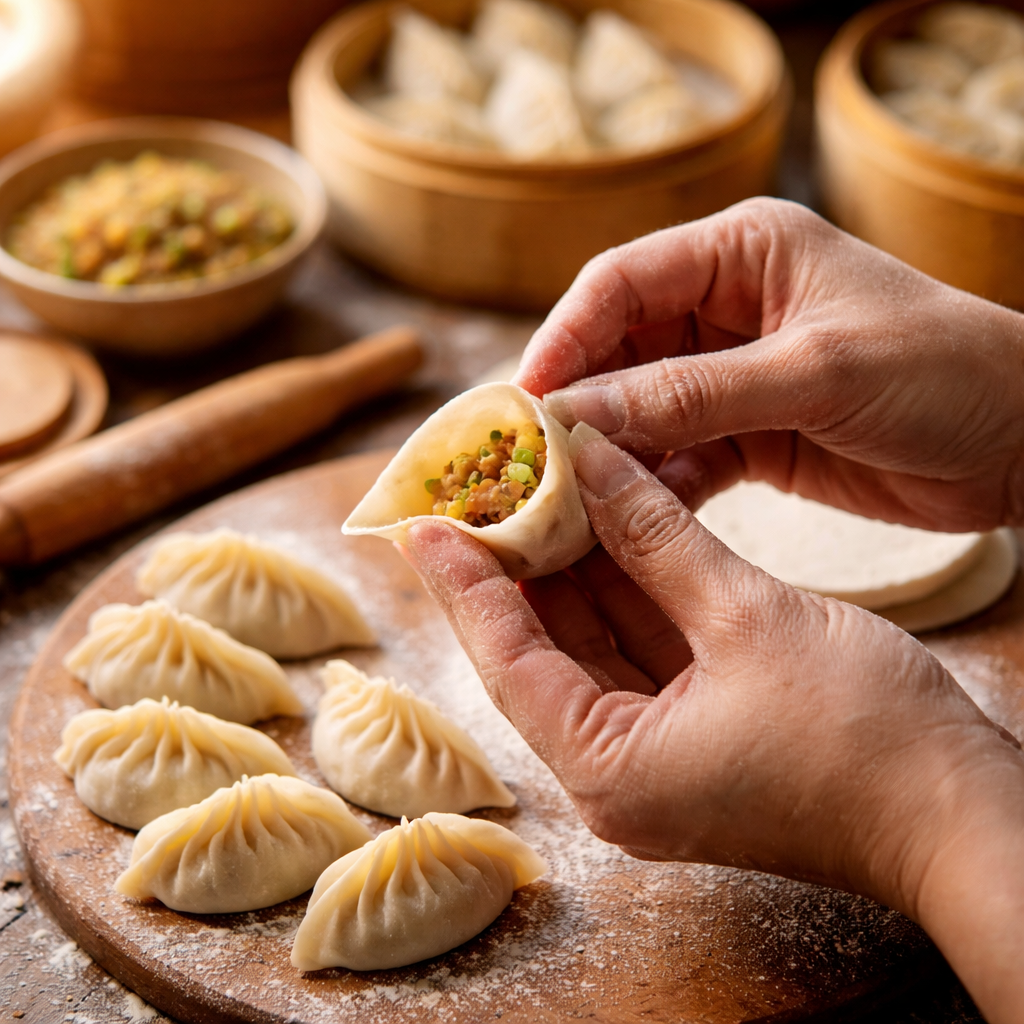
In the world of Chinese traditional foods export, heritage functions as both the product itself and the narrative that sells it. Every dumpling wrapper folded by experienced hands, every sauce blended according to recipes passed through families, every preservation technique refined over dynasties—these aren’t just production methods. They’re living cultural artifacts that international buyers increasingly seek.
Origin stories matter profoundly in today’s marketplace. When a food service operator in Dubai sources Sichuan peppercorns, they’re not just buying a spice. They’re purchasing the legacy of ancient trade routes, the specificity of terroir, and the expertise of farmers who understand how altitude and climate affect flavor profiles. This narrative dimension transforms commodity products into premium offerings.
Branding Chinese traditional foods for global markets requires walking a delicate line. The packaging must communicate authenticity while meeting international aesthetic standards. Labels need to tell the heritage story without overwhelming the product presentation. Jade Premium understands this balance intimately, positioning itself as a curator that highlights the quality, cultural significance, and innovation behind Chinese food exports. Our approach recognizes that successful branding doesn’t dilute tradition to fit foreign markets—it educates those markets about why tradition matters.
Consumer perception shifts dramatically when they understand the “why” behind a product. A hand-pulled noodle becomes more appealing when buyers know it represents a technique requiring years to master. A fermented bean paste gains depth when its months-long aging process is explained. This education builds not just sales but lasting relationships between Eastern producers and Western consumers.
The Logistics That Preserve Authenticity
Behind every authentic Chinese dumpling reaching a restaurant kitchen in Toronto lies an intricate logistics network. The export of traditional Chinese foods demands supply chain excellence that few industries can match. These are perishable products, often handcrafted in small batches, requiring temperature precision from the moment they’re produced until they reach the end consumer.
Cold chain systems form the backbone of this preservation effort. A batch of fresh wontons leaving a facility in Shanghai must maintain consistent temperatures through warehousing, international shipping, customs clearance, and final delivery. Any temperature fluctuation can compromise not just safety but the texture, flavor, and authenticity that define these products. The cold chain isn’t merely about refrigeration—it’s about protecting culinary heritage in transit.
Jade Premium’s comprehensive approach to supply chain management recognizes these challenges. With offices strategically positioned across seven major Chinese cities including Hong Kong, Shenzhen, Guangzhou, Shanghai, Chengdu, Wuhan, and Changsha, we’ve built a localized operations network that understands regional production nuances. A soup dumpling from Shanghai requires different handling than a rice noodle from Guangzhou. Our extensive local network ensures that logistics solutions respect these distinctions.
Quality preservation begins at the source. Supplier qualification verification ensures that traditional food producers meet not just safety standards but maintain the authenticity that makes their products valuable. Customized procurement planning addresses the unique challenges each product category presents. Logistics optimization considers routes, timing, and handling procedures that minimize risk while maximizing freshness. This integrated supply chain solution transforms potential complexity into manageable, reliable processes.
Navigating the Regulatory Landscape
The regulatory environment surrounding Chinese traditional foods export presents both challenges and opportunities. Domestically, producers must meet China’s food safety standards and export certifications. Internationally, each destination market imposes its own requirements—from ingredient restrictions to labeling mandates, testing protocols to documentation standards.
Compliance isn’t merely bureaucratic obstacle navigation. It’s a trust-building exercise that protects cultural integrity while ensuring market access. When traditional Chinese foods meet stringent international standards, they gain credibility. Import regulations that initially seem burdensome actually create competitive advantages for exporters who master them.
Consider the European Union’s detailed requirements for food imports. Their regulations specify everything from maximum pesticide residues to traceability documentation. For traditional Chinese food exporters, meeting these standards requires understanding both the letter of the law and the spirit behind it. Jade Premium’s comprehensive compliance know-how stems from years navigating these complex waters. We recognize that successful export operations don’t fight regulations—they embrace them as opportunities to demonstrate quality.
The United States presents different regulatory challenges, with FDA oversight and USDA involvement for certain products. Middle Eastern markets have specific halal certification requirements. Each region’s rules reflect their priorities and concerns. Our expertise in international food regulations, certification requirements, and quality standards ensures that traditional Chinese foods can enter diverse markets smoothly, building buyer confidence through demonstrated compliance.
Packaging and Labeling with Cultural Respect
The packaging of Chinese traditional foods for export walks a fascinating tightrope between cultural authenticity and regulatory necessity. Labels must tell the heritage story while meeting detailed disclosure requirements. They need to attract international retail chain buyers while remaining true to the product’s origins.
Multilingual labeling represents more than translation. It’s about communicating nuance across languages. How do you explain the concept of “wok hei”—that ineffable breath of the wok—in English? How do you convey the regional specificity of different dumpling styles? Effective packaging acknowledges these challenges while finding creative solutions.
Allergen declarations, nutritional information, ingredient lists—these regulatory requirements occupy label space that designers might prefer to use for heritage narratives. Yet skilled packaging strategies integrate both seamlessly. A well-designed label might feature traditional calligraphy alongside modern nutritional panels, connecting visual heritage with contemporary transparency.
Jade Premium’s approach to packaging and labeling reflects our broader philosophy: that quality and cultural integrity aren’t compromised by international standards—they’re enhanced through thoughtful adaptation. We work with producers to develop packaging that respects their cultural narratives while meeting the practical needs of international distributors and retail buyers. The result is packaging that educates, attracts, and complies simultaneously.
Quality Control and Risk Management in Practice
Pre-shipment quality checks for traditional Chinese foods require specialized knowledge. A frozen dumpling batch needs inspection not just for food safety but for wrapper thickness, filling consistency, and authenticity markers that distinguish handmade from industrial products. Visual inspection catches issues that lab tests might miss. Experienced inspectors recognize when a product doesn’t meet the standard that its heritage demands.
Third-party inspections provide crucial verification for international buyers. When a trading company in North America receives certification from recognized inspection agencies, their confidence grows. These independent verifications supplement internal quality control, creating multiple layers of assurance. Documentation readiness—having certificates, test results, and traceability records immediately available—prevents delays and demonstrates professionalism.
Risk management in Chinese traditional foods export extends beyond quality control. It encompasses everything from supplier reliability to geopolitical considerations, weather impacts on harvest to currency fluctuations affecting pricing. Jade Premium’s risk management practices identify potential issues before they become problems, developing contingency plans that keep supply chains resilient.
Real-World Pathways to Global Tables
Consider the journey of traditional Shanghainese soup dumplings reaching restaurants in Melbourne. The process begins with identifying producers who maintain authentic techniques—wrapping skills passed through generations, broth recipes refined over decades. These small-scale artisans often lack export experience, requiring partnership with facilitators who understand both culinary heritage and international trade mechanics.
Quality verification starts at the production facility. Inspectors assess ingredient sourcing, production hygiene, and most importantly, the authenticity that makes these dumplings special. Samples undergo testing for safety and quality markers. Packaging development balances temperature requirements with visual appeal. Documentation preparation ensures customs readiness.
Transportation planning considers timing carefully. Soup dumplings frozen at peak freshness must reach Australian restaurants while maintaining quality. Cold chain logistics coordinate temperature control across multiple handoffs—from producer to consolidation warehouse, through international shipping, customs clearance, and final distribution. Each step receives monitoring and verification.
Upon arrival, restaurant operators receive products that taste remarkably similar to those served in Shanghai’s finest dumpling houses. This successful partnership demonstrates how transparency and careful management preserve culinary heritage across vast distances. The restaurants can truthfully market authentic Shanghainese cuisine because the entire supply chain protected that authenticity.
Market Opportunities and Contemporary Challenges
Growing international interest in premium authentic foods creates significant opportunities for Chinese traditional foods export. Consumers worldwide increasingly seek genuine cultural experiences through food. They’re willing to pay premium prices for products that deliver authenticity, heritage, and quality. This trend particularly affects European and North American markets, where sophisticated food cultures appreciate the craftsmanship behind traditional Chinese cuisine.
However, challenges persist. Stringent import controls in developed markets require substantial compliance investments. Complex regulations vary by country and even by product category, creating confusion for smaller producers. Competition from industrialized versions of traditional foods threatens to dilute market perceptions. Some buyers prioritize price over authenticity, creating pressure to compromise quality.
The solution lies not in lowering standards but in education and partnership. When international buyers understand the value proposition—that authentic traditional foods command premium pricing precisely because of their heritage and quality—they become advocates rather than price negotiators. Jade Premium positions itself to facilitate this understanding, bridging cultural gaps through market intelligence that helps both producers and buyers appreciate what makes these products special.
Emerging markets present exciting opportunities. Middle Eastern interest in diverse culinary experiences grows steadily. ASEAN regions with ethnic Chinese populations seek authentic products from ancestral homelands. These markets often have simpler regulatory environments than Western nations while still demanding quality and authenticity.
Bridging Worlds, Building Trust
The export of Chinese traditional foods represents more than commercial trade. It’s cultural exchange, heritage preservation, and connection-building across continents. Every successfully exported product carries ancient kitchen wisdom to modern tables, maintaining relevance for culinary traditions that might otherwise fade.
Jade Premium’s role as facilitator in this ecosystem reflects our core philosophy. Since our establishment in 2015, we’ve committed to being the bridge that connects authentic Chinese cuisine with global markets. Our vision extends beyond transactions to creating mutually beneficial international food trade partnerships that respect heritage while embracing innovation.
Our comprehensive global procurement system with localized operations ensures that we understand both the producers creating these traditional foods and the international markets eager to receive them. This dual perspective proves essential. We speak the language of small-scale artisans maintaining century-old techniques and the language of international trading companies requiring documentation precision. We navigate the cultural significance that Chinese producers attach to their heritage foods and the practical concerns that retail chain buyers prioritize.
By ensuring safe, high-quality Chinese foods remain accessible worldwide, we participate in a larger mission. We’re helping preserve culinary heritage that might otherwise disappear under pressure from industrialization. We’re educating international consumers about the depth and sophistication of Chinese food culture beyond the simplified versions they might know. We’re creating economic opportunities for traditional producers who might struggle to access global markets independently.
The connection between your table and ancient kitchens isn’t accidental. It’s the result of careful stewardship by everyone involved in the supply chain—from producers maintaining traditional methods to logistics providers protecting product integrity, from compliance specialists navigating regulations to facilitators like Jade Premium coordinating the entire complex process. This connection enriches global food culture while sustaining traditions that have fed billions across millennia.
When you next enjoy authentic Chinese traditional foods, remember the journey they’ve made. Behind that meal lies expertise, dedication, and a commitment to bringing ancient kitchen wisdom to contemporary diners worldwide.