
- The Certification Landscape: Your First Line of Defense
- Traceability: The Backbone of Trust
- Sustainability: From Buzzword to Business Imperative
- Labor and Human Rights: The Non-Negotiables
- Consumer Trends Driving Ethical Sourcing Demands
- Opportunities and Challenges: The Path Forward
- Your Partner in Ethical Sourcing from China
The global food trade landscape is shifting. International buyers sourcing from China are no longer asking just “Can you deliver?” They’re asking “Can you prove it’s ethically sourced?” This isn’t merely about checking compliance boxes—it’s about protecting your brand reputation, meeting consumer expectations, and building supply chains that stand up to scrutiny in an increasingly transparent marketplace.
For overseas importers, retailers, and food service operators, ethical sourcing from China has become a strategic imperative. Your customers in Europe, North America, and beyond are demanding to know the full story behind their food—from farm practices and worker treatment to environmental impact and traceability. As someone evaluating Chinese suppliers for your next order, understanding what ethical sourcing truly means in the Chinese context can mean the difference between a partnership that enhances your brand and one that creates reputational nightmares.
The Certification Landscape: Your First Line of Defense
When you’re sitting across from a potential Chinese food supplier—whether virtually or in their Guangzhou office—the conversation about certifications matters more than ever. But not all certifications carry equal weight, and understanding which ones truly signal ethical practices is crucial for your due diligence.
China’s Green Food certification represents one of the most comprehensive domestic standards. Established to bridge the gap between conventional and organic production, Green Food certification requires suppliers to demonstrate reduced pesticide use, controlled fertilizer application, and adherence to specific environmental protection measures. For international buyers, this certification indicates a supplier has undergone third-party verification of their production methods—a critical assurance when you’re thousands of miles from the source.
China Organic Certification takes these requirements further. Since China significantly tightened its organic product certification rules, suppliers must now maintain more rigorous traceability systems and comply with stricter inspection protocols. The new regulations mandate that all organic sales certificates be uploaded to a national information system, creating a digital trail you can verify. When evaluating Chinese organic suppliers, ask to see their certification documentation and verify it against the national database. This isn’t just good practice—it’s essential protection against fraudulent claims that could devastate your brand credibility.
GLOBALG.A.P. certification deserves special attention from international buyers. Recognized across European markets and increasingly valued globally, this certification demonstrates that Chinese suppliers meet internationally recognized standards for good agricultural practices. A supplier holding valid GLOBALG.A.P. certification has proven their commitment to food safety, environmental sustainability, and worker welfare through independent third-party audits. For retailers serving European markets, this certification often becomes non-negotiable.
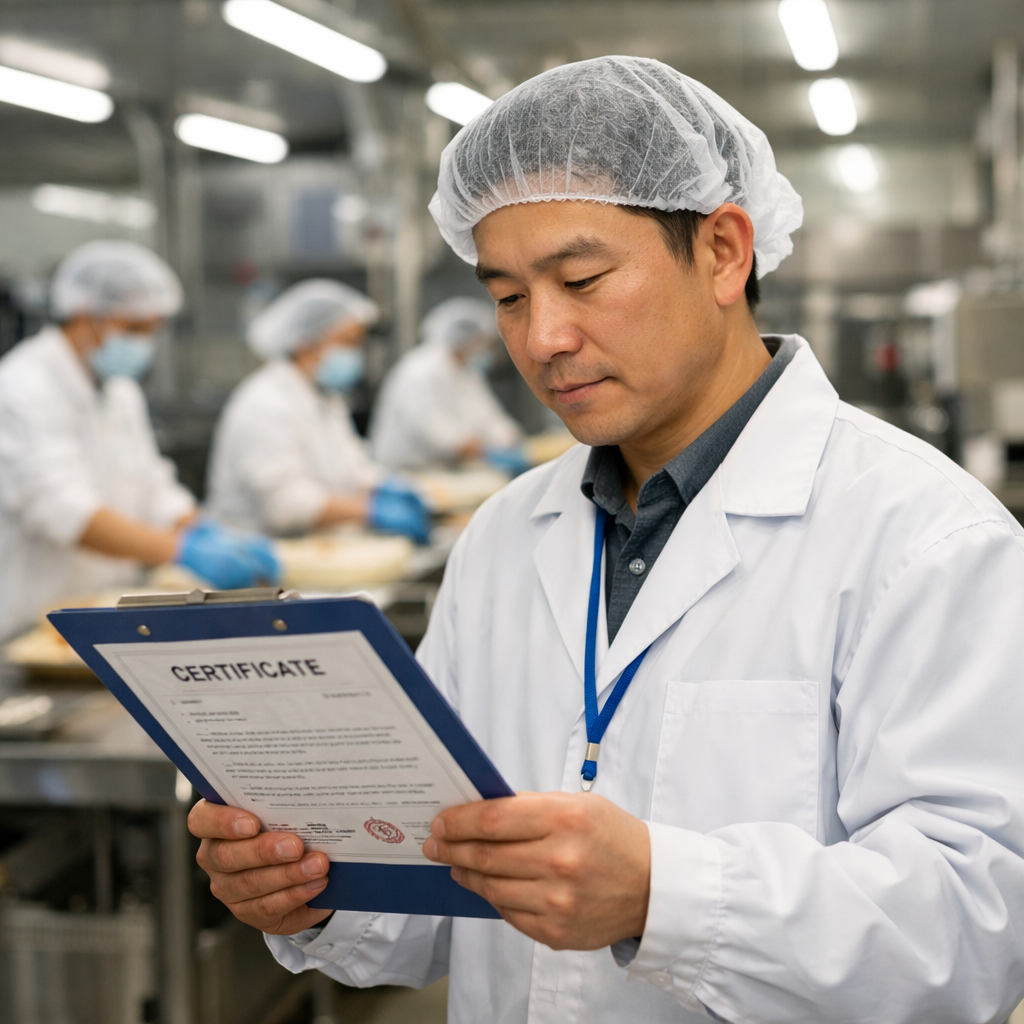
But here’s what many international buyers miss: certification alone doesn’t tell the whole story. During your supplier evaluation, dig deeper. Request audit reports, visit facilities when possible, and verify that certifications are current and cover the specific products you’re sourcing. A certificate on the wall means little if the practices on the ground don’t align.
Traceability: The Backbone of Trust
Imagine receiving a contamination alert about a product you imported six months ago. Can your Chinese supplier trace the affected batch back to its source within hours? Can they identify exactly which farms provided the raw materials, which production lines processed them, and which distribution channels received them? This isn’t a hypothetical scenario—it’s a reality that forward-thinking international buyers prepare for before problems arise.
China has invested heavily in food traceability systems, particularly following high-profile food safety incidents that shook consumer confidence domestically and internationally. The country has been expanding digital traceability requirements across key food categories, particularly for higher-risk products. For you as an international buyer, this infrastructure creates unprecedented visibility—if you know how to access and interpret it.
When evaluating Chinese food suppliers, request detailed documentation on their traceability capabilities. A robust system should track products from raw material sourcing through production, packaging, and distribution. Your supplier should be able to provide lot codes that connect to specific production dates, source farms, and quality testing results. This information isn’t just about crisis management—it’s about building consumer trust and demonstrating accountability throughout your supply chain.
Chinese food processors and distributors now face legal obligations to monitor and report food waste, creating data trails that extend beyond food safety into sustainability metrics. For international buyers focused on environmental, social, and governance (ESG) criteria, this regulatory framework provides valuable information about supplier efficiency and resource management.
Smart buyers integrate traceability requirements into purchase agreements. Specify response timeframes for traceability inquiries, require regular testing and documentation, and establish protocols for handling non-conformances. These aren’t burdensome demands—they’re standard practice for suppliers serving sophisticated international markets.
Sustainability: From Buzzword to Business Imperative
Walk into any major food retail environment in London, Sydney, or Toronto, and you’ll see sustainability claims front and center. Your customers aren’t just interested in sustainability—they’re making purchasing decisions based on it. This reality makes understanding sustainability initiatives within Chinese food production essential for maintaining competitive advantage.
China’s approach to food industry sustainability has evolved dramatically. The Anti-Food Waste Law represents more than symbolic legislation—it establishes monitoring and punishment mechanisms specifically targeting food service and retail sectors. Chinese suppliers serving international markets increasingly recognize that waste reduction directly impacts their competitiveness and profitability.
Packaging optimization has become a particular focus area. Chinese food exporters are investing in sustainable packaging solutions, from compostable food containers made from cornstarch and sugarcane fiber to biodegradable cutlery and paper-based alternatives to plastic. When evaluating suppliers, ask specific questions about their packaging strategies. Can they provide alternatives to conventional plastic packaging? Do they optimize packaging sizes to reduce material use and shipping weights? These considerations directly impact your logistics costs and brand positioning.
Resource efficiency extends beyond packaging to core production processes. Chinese food processors are implementing water recycling systems, energy-efficient equipment, and waste valorization programs that convert production byproducts into value-added outputs. A supplier investing in these initiatives demonstrates long-term thinking and operational sophistication—qualities that translate into reliable partnerships.
For international buyers, China’s digital implementation plan for the food sector signals significant opportunities. The plan emphasizes technology adoption across supply chains, creating transparency that benefits overseas buyers seeking verified sustainability credentials. Suppliers embracing digital solutions can provide real-time data on resource consumption, waste generation, and environmental metrics—information that supports your own sustainability reporting requirements.
Labor and Human Rights: The Non-Negotiables
No topic in China sourcing generates more international scrutiny than labor practices and human rights. For international buyers, this scrutiny creates both risks and responsibilities. Understanding how to evaluate and verify labor practices isn’t optional—it’s fundamental to protecting your brand and meeting legal obligations in your home markets.
Global attention on specific production regions has intensified compliance requirements. The example of Xinjiang’s tomato paste production, which accounts for over 70% of China’s tomato paste exports, illustrates how sourcing decisions in one category can create ripple effects across entire supply chains. International buyers must now demonstrate not just compliance with Chinese labor laws but alignment with international human rights standards.
Due diligence starts with transparent supplier relationships. Request documentation of labor practices, including employment contracts, wage payment records, and working condition assessments. Reputable Chinese suppliers serving international markets increasingly expect these requests and maintain documentation specifically for overseas buyers. Resistance to providing this information should raise immediate concerns.
Third-party social audits provide independent verification of labor practices. Standards like SMETA (Sedex Members Ethical Trade Audit) and SA8000 offer frameworks for assessing worker rights, health and safety conditions, and fair labor practices. When selecting Chinese suppliers, prioritize those willing to undergo independent social audits and share results transparently.
The reputational risks of labor rights violations extend beyond immediate supplier relationships. International buyers face legal requirements in many jurisdictions to demonstrate due diligence across supply chains. The UK Modern Slavery Act, California Transparency in Supply Chains Act, and similar legislation in Australia and Europe create legal obligations to investigate and report on labor practices. Failure to conduct adequate due diligence can result in legal liability, consumer boycotts, and permanent brand damage.
Practical steps include mapping your entire supply chain beyond first-tier suppliers, conducting announced and unannounced audits, and establishing clear remediation protocols for identified issues. These measures protect your business while contributing to improved labor practices across Chinese food production.

Consumer Trends Driving Ethical Sourcing Demands
Understanding why ethical sourcing matters requires understanding your end consumers. Global consumer behavior has shifted fundamentally, particularly among younger demographics who prioritize values alignment in purchasing decisions. These trends aren’t temporary—they’re reshaping food retail and service worldwide.
Sustainability and ethical sourcing now influence brand trust and purchasing decisions across markets. Consumers in developed economies increasingly seek transparency about product origins, production methods, and supply chain ethics. For Chinese food exports, this creates both challenges and opportunities. The challenge lies in overcoming persistent quality and safety perceptions; the opportunity lies in demonstrating that Chinese producers can meet and exceed international ethical standards.
Certifications serve as trust signals in crowded marketplaces. When consumers encounter organic certification, fair trade verification, or sustainability claims, these markers influence purchasing decisions at the point of sale. For international buyers, investing in certified suppliers isn’t just about compliance—it’s about competitive positioning and brand differentiation.
Market research consistently shows willingness to pay premium prices for ethically sourced products. This creates opportunities for international buyers partnering with Chinese suppliers who invest in certifications, traceability, and sustainability initiatives. The premium pricing potential justifies higher supplier costs when you can effectively communicate ethical sourcing credentials to end consumers.
Social media and digital platforms have amplified consumer scrutiny of supply chains. A single Instagram post or TikTok video highlighting questionable practices can reach millions within hours. For international buyers, this reality makes ethical sourcing verification essential risk management. Your Chinese suppliers’ practices are your practices in the eyes of consumers—choose accordingly.
Opportunities and Challenges: The Path Forward
The ethical sourcing landscape presents both opportunities and challenges for international buyers and Chinese exporters alike. Understanding both sides helps you navigate relationships more effectively and identify suppliers positioned for long-term success.
Access to premium markets represents the primary opportunity for ethically certified Chinese suppliers. European retailers, North American specialty food stores, and international food service operators increasingly require verified ethical sourcing credentials. Chinese suppliers holding credible certifications and demonstrating robust traceability gain preferential access to these lucrative markets. As an international buyer, partnering with such suppliers positions your business advantageously against competitors relying on conventional sourcing.
However, managing complex supply chains presents ongoing challenges. Chinese food production often involves multiple tiers of suppliers—from raw material producers to processors, packagers, and distributors. Ensuring ethical practices across all tiers requires systematic oversight and clear accountability mechanisms. Your role as an international buyer includes establishing expectations that extend throughout the supply chain, not just to your direct supplier.
Cost considerations inevitably arise in ethical sourcing discussions. Certifications require investment; traceability systems need resources; ethical labor practices may increase costs compared to minimum compliance approaches. Yet experienced international buyers recognize these costs as investments rather than expenses, particularly when considering comprehensive compliance frameworks. The cost of a supply chain failure—product recalls, legal liability, brand damage—far exceeds the premium paid for verified ethical sourcing.
Practical recommendations for stakeholders include prioritizing suppliers with multiple recognized certifications, implementing regular third-party audits, and maintaining open communication channels for addressing concerns. Technology adoption should be embraced rather than feared—digital traceability systems and real-time monitoring create transparency that benefits all parties.
For Chinese exporters, the message is clear: investment in ethical sourcing credentials opens international market opportunities. For international buyers, the message is equally clear: due diligence in supplier selection and ongoing verification protects your business and strengthens your competitive position.
Your Partner in Ethical Sourcing from China
At Jade Premium, we understand that ethical sourcing isn’t just about compliance—it’s about building trust, protecting brands, and creating sustainable business relationships. Since our establishment in 2015, we’ve positioned ourselves as a bridge between authentic Chinese food production and global markets, recognizing that ethical sourcing forms the foundation of this bridge.
Our comprehensive approach to supplier verification extends beyond basic compliance checks. With offices strategically located across China’s major food production regions—from Guangzhou and Shanghai to Chengdu and Wuhan—we maintain direct relationships with certified producers and conduct ongoing assessments of their ethical practices. This local presence allows us to verify certifications, inspect facilities, and monitor labor practices in ways distant international buyers simply cannot achieve independently.
We recognize that every international buyer faces unique ethical sourcing requirements based on their markets, product categories, and brand values. Our services adapt to these specific needs, whether you require organic certification verification, sustainability metrics documentation, or comprehensive labor practice audits. We don’t just connect you with suppliers—we ensure those suppliers meet your ethical standards before introductions occur.
The complexity of China’s regulatory landscape, certification systems, and supply chain structures can overwhelm even experienced international buyers. Our expertise navigates this complexity on your behalf, translating Chinese standards into internationally recognized frameworks and ensuring your sourcing decisions align with both Chinese regulations and international expectations.
By partnering with Jade Premium, you gain more than a sourcing agent—you gain a trusted ally committed to ethical practices, transparent operations, and premium quality assurance. We share your commitment to bringing authentic Chinese cuisine to global tables through supply chains you can defend with confidence. In an era where ethical sourcing defines competitive advantage, let us help you source smarter, safer, and more sustainably from China.
The future of international food trade belongs to buyers and suppliers who embrace ethical sourcing not as a burden but as an opportunity. Your next order from China can represent more than a transaction—it can represent a partnership built on shared values, verified practices, and mutual success. The question isn’t whether you can afford to prioritize ethical sourcing. The question is whether you can afford not to.