
The landscape of global fine dining is experiencing a remarkable transformation. What was once dominated by European classics and Japanese precision now increasingly features premium Chinese ingredients that challenge conventional perceptions. International chefs are discovering that China produces far more than affordable staples—the country has emerged as a source for luxury items including world-class caviar, premium pantry essentials, and meticulously crafted specialty ingredients that rival the finest products from any culinary tradition.
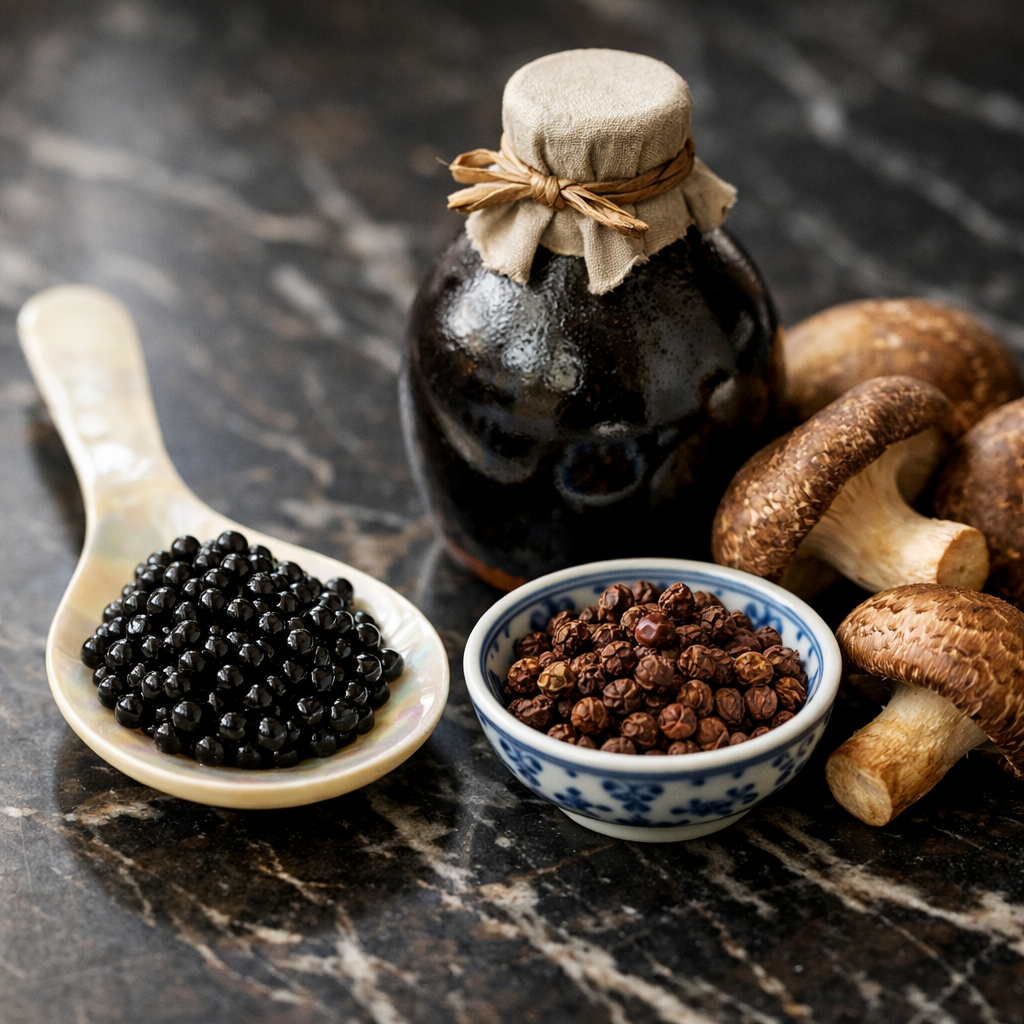
This shift reflects a broader evolution in how the global culinary community views Chinese food culture. For decades, Chinese cuisine was primarily associated with affordability and accessibility. Today, discerning chefs and restaurateurs recognize China’s capacity to produce ingredients of exceptional quality, backed by centuries of refinement and increasingly sophisticated production standards. Premium Sichuan peppercorns with verifiable provenance, artisanal soy sauces aged in traditional methods, sustainably farmed caviar from pristine waters, and specialty mushrooms cultivated with meticulous attention—these ingredients are redefining what “Chinese” means on fine dining menus worldwide.
Yet sourcing these premium ingredients presents unique challenges. Authenticity matters deeply. The difference between mass-produced condiments and artisanal versions created using traditional methods is profound, affecting not just flavor but the entire dining experience. Traceability becomes essential when building trust with guests who increasingly want to know the story behind what they’re eating. Understanding supplier qualification verification processes helps ensure the authenticity and safety of premium ingredients. For international buyers seeking to incorporate genuine Chinese luxury ingredients into their offerings, understanding where and how to source becomes as important as the culinary application itself.
Navigating the Sourcing Landscape: Your Primary Channels
Successfully sourcing premium Chinese ingredients requires understanding the distinct channels available and matching them to your specific operational needs. Each pathway offers different advantages depending on your scale, menu requirements, and relationship-building capacity.
Online specialty retailers have democratized access to authentic Chinese ingredients for international buyers. Platforms specifically curating premium Asian products now offer everything from rare spice varieties to specialty condiments, often with detailed provenance information. These channels work particularly well for chefs exploring new ingredients or smaller operations testing menu concepts before committing to larger volume purchases. The key advantage lies in accessibility—you can trial products without establishing direct relationships. However, consistency can vary, and truly premium items may still require more direct sourcing relationships.
Direct-from-producer partnerships represent the gold standard for fine dining establishments committed to specific high-end Chinese ingredients. This model particularly suits operations featuring signature dishes built around particular products—a caviar program highlighting Chinese sturgeon, for example, or a dim sum menu showcasing specific regional flour varieties. Direct relationships provide unmatched transparency into production methods, quality control processes, and seasonal availability. You gain the ability to customize specifications and secure consistent supply. The challenge lies in the complexity of establishing these relationships across language barriers, cultural differences, and international trade regulations. Successful partnerships often require expertise in cross-cultural business negotiation to bridge Eastern and Western business practices.
Professional distributors specializing in premium Asian products offer perhaps the most practical middle path for most international fine dining establishments. These partners bridge the gap between Chinese producers and global buyers, providing curated selection, quality vetting, and logistical support. The right distributor brings invaluable market intelligence—understanding which producers consistently deliver excellence, which seasonal variations to expect, and how to navigate the complexities of cross-border food trade. They handle compliance requirements, manage quality control, and provide the cultural expertise necessary to distinguish truly premium products from convincing imitations.
When evaluating any sourcing channel, international buyers should prioritize partners who demonstrate deep knowledge of Chinese food culture and production standards. This expertise becomes particularly critical when navigating ethical food sourcing requirements that global markets increasingly demand. The best relationships transcend simple transactions—they’re built on genuine understanding of both the ingredient’s cultural significance and the buyer’s quality expectations. This matters profoundly when sourcing premium Chinese products, where authenticity and provenance directly impact the dining experience you’re creating for your guests.
The Evolution of Chinese Luxury Ingredients in Global Dining
The integration of premium Chinese ingredients into Western fine dining concepts reveals fascinating market shifts and emerging opportunities for forward-thinking restaurateurs. Understanding these trends helps international buyers position themselves advantageously as the market continues evolving.
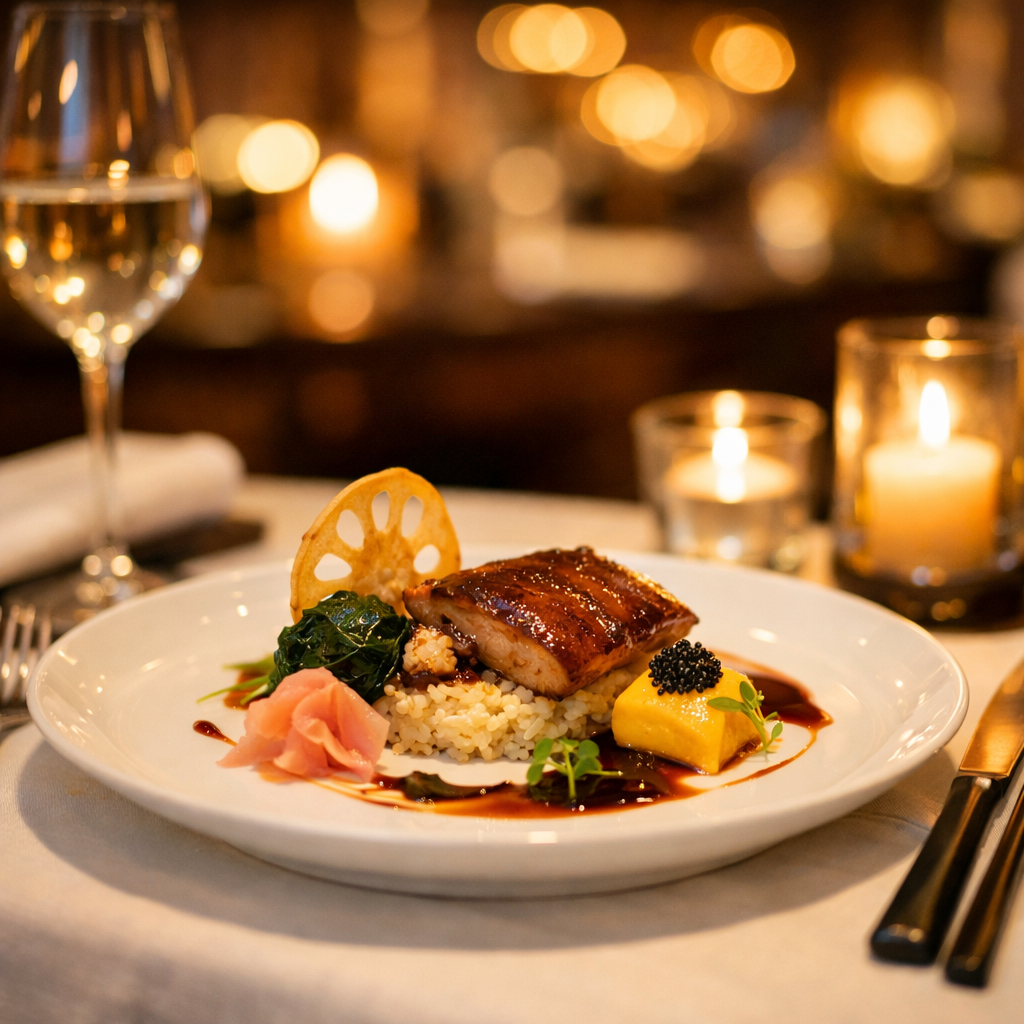
Chinese caviar exemplifies this transformation dramatically. China now produces approximately 60% of the world’s caviar, with operations in pristine environments like Qiandao Lake applying rigorous quality standards that rival traditional European sources. Progressive chefs initially approached Chinese caviar with skepticism, but blind tastings have repeatedly demonstrated that top-tier Chinese sturgeon products match the complexity and refinement of established producers. Restaurants featuring Chinese caviar programs report guest intrigue—the provenance story itself becomes a conversation point, challenging preconceptions while delivering genuine luxury quality.
The caviar story reflects a broader pattern playing out across premium pantry categories. Artisanal soy sauces produced using centuries-old fermentation techniques are finding placement in Michelin-starred kitchens, valued for their complexity and depth. Premium Sichuan peppercorns with verifiable single-origin provenance are becoming essential in contemporary cuisine beyond Chinese restaurants, appreciated for their unique numbing sensation and citrus notes. Specialty mushrooms including rare varieties cultivated with exacting precision are appearing on tasting menus as luxury ingredients in their own right.
This evolution creates opportunities for international buyers willing to invest in education—both their own and their guests’. The most successful implementations pair exceptional product quality with compelling storytelling. When diners understand that the caviar they’re enjoying comes from sustainable aquaculture in mountain spring waters, or that the soy sauce was aged for three years in ceramic crocks using traditional koji fermentation, it transforms their experience. The ingredient becomes more than just a component—it represents the intersection of ancient Chinese culinary wisdom and modern quality standards.
Critically, these trends are reshaping global perceptions of Chinese cuisine itself. By featuring premium Chinese ingredients in non-Chinese dining contexts—a French chef using artisanal Chinese vinegar in a classic preparation, for instance—restaurants help legitimize the sophistication of Chinese food culture. This benefits the entire industry by expanding the market for authentic, quality-focused Chinese products rather than perpetuating the affordability-focused perception that has historically limited the category. Such efforts align with broader movements toward organic food sourcing from China that meet international quality expectations.
Evaluating Suppliers: What International Buyers Must Know
For international buyers accustomed to European supply chain transparency or Japanese attention to detail, navigating Chinese premium ingredient sourcing requires specific expertise. The right evaluation criteria protect your quality standards while building relationships that support long-term success.
Provenance verification forms the essential foundation. Premium ingredients derive their value partly from origin story and production methods. When evaluating Chinese suppliers or distributors, demand specific information about where products originate and how they’re made. Artisanal soy sauce should come with details about the brewery, aging process, and ingredient sourcing. Caviar should include information about the specific aquaculture facility, water source, and sturgeon species. This information isn’t just marketing—it’s the basis for the authentic quality your fine dining program requires. Suppliers who cannot or will not provide detailed provenance should raise immediate concerns. Implementing robust quality control systems ensures that premium ingredients meet international safety and authenticity standards consistently.
Quality signals and certifications provide objective verification, though they require cultural understanding to interpret correctly. International certifications like HACCP or organic designations offer familiar validation. However, also familiarize yourself with Chinese quality standards and premium designations that may not have direct Western equivalents but signal genuine excellence to Chinese consumers. Geographic indications for specific regional products, traditional production method certifications, and recognition from Chinese culinary authorities all provide meaningful quality assurance when properly understood.
Consistency and reliability matter immensely in fine dining operations where menu reputations depend on predictable excellence. Evaluate potential suppliers’ capacity to deliver consistent quality across multiple shipments, not just impressive initial samples. Request references from other international buyers. Understand seasonal variations that affect availability—some premium ingredients may simply not be available year-round, and honest suppliers will communicate these limitations upfront rather than substituting inferior alternatives. The best supplier relationships acknowledge that natural product variations occur while maintaining overall excellence.
Ethical sourcing considerations increasingly influence purchasing decisions across premium food categories. For Chinese ingredients, this includes environmental sustainability, traditional producer support, and fair trade practices. Quality distributors can articulate how they ensure producers receive appropriate compensation, how environmental impacts are minimized, and how traditional production methods are preserved rather than industrialized. These considerations align with broader fine dining industry values while ensuring the long-term availability of the premium products your program depends on. Understanding ethical sourcing requirements protects both your brand reputation and supply chain sustainability.
Building relationships with trusted distributors who specialize in Chinese premium products often provides the most effective evaluation shortcut. Rather than individually vetting every producer, you leverage the distributor’s existing expertise and established relationships. The key lies in thoroughly vetting the distributor themselves—understanding their selection criteria, visiting their operations if possible, and ensuring their quality philosophy aligns with your standards. The right distributor functions as an extension of your culinary team, proactively identifying exceptional products and managing quality control on your behalf.
Finally, implement systematic tasting programs before committing to significant purchases. Sample products in the actual applications you envision—if you’re planning a signature dish featuring premium Sichuan peppercorns, taste them in that context rather than isolation. Include multiple team members in evaluation, as different palates may detect quality variations. Document your assessments to build institutional knowledge about which suppliers consistently deliver and which products genuinely justify premium pricing through superior quality.
Your Practical Three-Step Action Plan
Moving from interest to implementation requires systematic approach. International buyers can successfully integrate premium Chinese ingredients by following this structured process designed to minimize risk while maximizing quality outcomes.
Step One: Define Your Core Premium Lineup
Begin by identifying 3-5 premium Chinese ingredients that authentically enhance your concept rather than existing as novelty additions. This focus prevents the common mistake of scattering attention across too many products, which dilutes both your sourcing efforts and menu impact. Consider ingredients that either solve existing sourcing challenges—perhaps premium Chinese mushrooms offer better quality-to-cost ratio than European varieties—or enable distinctive signature applications that differentiate your restaurant in your market.
Evaluate each potential ingredient against your operational reality. Premium soy sauce might transform multiple menu applications with minimal training required. Chinese caviar could anchor a dedicated program requiring staff education and guest communication. Specialty Sichuan peppercorns might enable a signature spice blend that becomes synonymous with your cuisine. The right choices align with your culinary vision while fitting your operational capacity and market positioning.
Research each selected ingredient thoroughly before beginning supplier outreach. Understand traditional production methods, key quality indicators, seasonal availability patterns, and appropriate applications in both Chinese and Western culinary contexts. This foundation enables productive supplier conversations and helps you distinguish genuine expertise from sales pitches. It also prepares you to educate your team and guests effectively once you’ve secured supply.
Step Two: Identify and Vet Trusted Suppliers
With your priority ingredients defined, systematically identify potential suppliers using multiple pathways. Start with professional networks—other chefs, industry associations, and culinary publications focused on Asian cuisine. Online research provides initial leads, but prioritize suppliers with verifiable track records serving international fine dining establishments. Look for partners demonstrating genuine expertise in Chinese food culture, not just logistics capabilities.
Request detailed information packages from promising suppliers covering provenance, quality control processes, certifications, pricing structures, minimum order requirements, and shipping logistics. Evaluate responsiveness and communication quality during this initial phase—suppliers who struggle to provide clear, timely information at this stage will likely prove challenging partners long-term. Consider conducting a thorough compliance gap assessment to identify potential regulatory or quality issues before committing to partnerships.
Narrow your options to two or three finalists for each priority ingredient category. For particularly critical items or large commitments, consider engaging a trade service specialist with deep Chinese market expertise. These professionals provide invaluable support in supplier verification, negotiation, compliance navigation, and quality control establishment. The investment in professional support typically prevents costly mistakes while accelerating the relationship-building process.
Step Three: Validate Through Structured Tasting Programs
Never commit to significant purchases based solely on supplier claims or sample quality. Implementing systematic batch testing protocols ensures that commercial shipments match the quality of initial samples. Implement formal tasting programs comparing products from your finalist suppliers in actual menu applications. Structure these evaluations systematically—use consistent preparation methods, blind evaluations when possible, and clear assessment criteria aligned with your quality standards.
Include diverse perspectives in tasting panels. Your executive chef’s opinion matters most, but input from sous chefs, sommeliers, and front-of-house leaders provides valuable insights. Different team members may notice quality dimensions others miss, and early involvement builds buy-in for eventual implementation.
Test products under realistic operational conditions. If an ingredient will be used in high-volume service, evaluate how it performs when prepared by different cooks on busy nights. If storage stability matters, assess how quality holds over time at your facility. These practical tests reveal issues that controlled tastings might miss.
Based on tasting results and overall supplier evaluation, select your partners and begin with conservative initial orders. Even after thorough vetting, start small to verify that first commercial shipments match sample quality, that logistics function smoothly, and that the supplier relationship delivers as promised. Success with initial orders builds confidence for expanding the partnership.
The Jade Premium Advantage: Your Partner in Bridging Culinary Worlds
Navigating the complexities of premium Chinese ingredient sourcing requires more than logistics capabilities—it demands deep cultural expertise, established producer relationships, and genuine commitment to quality excellence. This is precisely where Jade Premium distinguishes itself in serving international fine dining establishments seeking authentic Chinese ingredients.
Since our establishment in 2015, Jade Premium has built comprehensive networks spanning major Chinese production regions through strategic offices in Hong Kong, Shenzhen, Guangzhou, Shanghai, Chengdu, Wuhan, and Changsha. This localized presence provides unmatched access to premium producers while ensuring rigorous quality verification at the source. We don’t simply broker transactions—we curate selections based on profound understanding of both traditional Chinese food culture and international quality expectations.
Our commitment to natural, premium, and healthy products aligns perfectly with fine dining values. We recognize that truly exceptional ingredients require no artificial enhancement—their quality speaks through authentic production methods and careful handling. This philosophy guides every producer relationship we establish and every product we recommend to international buyers.
For fine dining establishments, we offer end-to-end support that transforms complex international sourcing into seamless partnerships. Our services encompass supplier qualification verification, customized procurement planning that aligns with your specific menu vision, cross-cultural business negotiation support that bridges Eastern and Western expectations, product compliance transformation ensuring smooth import processes, and comprehensive quality control protecting your reputation.
Beyond logistics, we provide the market intelligence and cultural expertise that elevate ingredient sourcing into strategic advantage. We help international buyers understand the stories behind premium Chinese ingredients—the centuries of tradition, the modern innovation, and the passionate producers dedicated to excellence. This knowledge empowers you to educate your teams and guests, transforming premium Chinese ingredients from exotic curiosities into celebrated components of your culinary identity.
We view our role as trusted partners in your success, not merely suppliers. Whether you’re exploring initial integration of premium Chinese ingredients or expanding an established program, Jade Premium brings the deep Chinese market expertise, international trade proficiency, and quality commitment that fine dining demands. Together, we’re not just sourcing ingredients—we’re building bridges between culinary traditions and creating exceptional dining experiences that honor authentic quality from farm to table.
The global fine dining landscape continues evolving, and premium Chinese ingredients represent both immediate opportunity and long-term strategic advantage for forward-thinking restaurateurs. With the right sourcing partners, you can confidently integrate these exceptional products into your offerings, delighting guests while expanding perceptions of what Chinese culinary culture contributes to the world’s finest tables. The journey begins with that first carefully sourced ingredient—and with partners who understand both where you’re starting and where you aspire to go.