
- The Regional Diversity That Makes Every Product Unique
- Turning Heritage Into Brand Value: Practical Strategies for International Buyers
- Making History Engaging: Content Ideas That Connect Past and Present
- Measuring What Matters: How Heritage Storytelling Impacts Your Bottom Line
- Your Heritage Advantage Starts Now
When you’re scanning shelves in a European supermarket or reviewing supplier catalogs in your Chicago office, Chinese food products might look like commodities competing on price. But here’s what most international buyers miss: behind every jar of chili sauce, every pack of dumplings, and every bottle of soy sauce lies centuries of culinary evolution that could transform how your customers perceive and value these products.
Chinese traditional food history isn’t just interesting cultural trivia—it’s a powerful branding asset that can help you differentiate products through private label strategies, justify premium positioning, and build lasting connections with your end consumers. As someone sourcing from China, understanding and leveraging this heritage isn’t about becoming a history scholar. It’s about recognizing that the stories behind these foods can become your competitive advantage in markets where consumers increasingly care about authenticity, provenance, and cultural meaning.
Think about it: when you buy Italian olive oil or French wine, you’re not just buying a liquid in a bottle. You’re buying Tuscany’s hillsides, Bordeaux’s centuries-old vineyards, and the generations of families who perfected their craft. Chinese food deserves the same narrative power, and as the buyer bringing these products to international markets, you’re perfectly positioned to tell these stories. At Jade Premium, we’ve seen firsthand how international buyers who understand and communicate Chinese food heritage create stronger brands, command better margins, and build more loyal customer bases than those who treat these products as generic imports.
The Regional Diversity That Makes Every Product Unique
China isn’t one cuisine—it’s dozens of distinct culinary traditions shaped by dramatically different landscapes, climates, and historical influences. This regional diversity is your secret weapon because it means every product category you source can have multiple authentic expressions, each with its own compelling story.
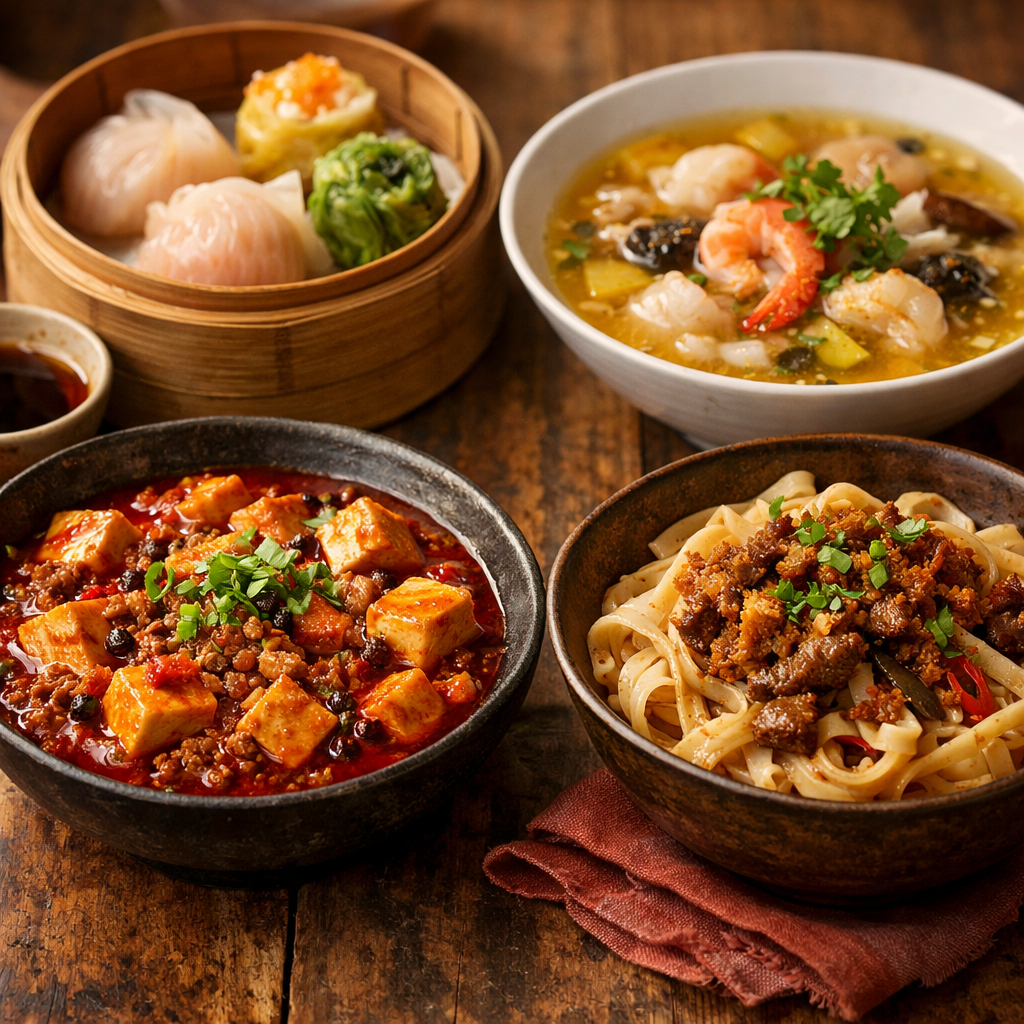
Take Sichuan cuisine, born in China’s humid southwestern basin. The famous málà (numbing-spicy) flavor that defines Sichuan peppercorns and chili oils wasn’t just a taste preference—it evolved as a practical response to a damp climate where spices helped preserve food and stimulate appetites in humid weather. When you source Sichuan hotpot base or chili crisp oil, you’re not just buying spicy condiments. You’re connecting your customers to a thousand-year-old culinary philosophy that turned geographical challenges into one of the world’s most distinctive and beloved flavor profiles.
Contrast that with Cantonese cuisine from China’s subtropical southern coast. Here, proximity to the sea and a warmer climate fostered a “let the ingredients speak” philosophy. Cantonese dim sum—those delicate dumplings and buns your restaurant clients love—reflects centuries of refinement where texture, freshness, and subtle seasoning mattered more than bold spices. The paper-thin dumpling wrappers that seem so simple? They represent generations of technique passed down through families who understood that restraint and precision could be just as impressive as complexity.
Move north to Shandong, and you encounter China’s oldest documented regional cuisine, with roots stretching back over 2,500 years. The emphasis on seafood, clear broths, and quick stir-frying techniques here influenced imperial court cooking and eventually shaped what many Westerners think of as “classic” Chinese food. When you source products from this region, you’re tapping into techniques that fed emperors and shaped an entire nation’s culinary identity.
Head west to Shaanxi, home of the ancient Silk Road city of Xi’an, and you’ll find foods shaped by centuries of cultural exchange between China and Central Asia. The hand-pulled noodles and lamb dishes popular here reflect this East-meets-West heritage. Every bowl of biángbiáng noodles or pack of cumin lamb seasoning tells a story of merchants, travelers, and cultural fusion that your customers will find fascinating.
This regional diversity means that as an international buyer, you can curate product offerings that tell distinct stories. A Sichuan chili oil isn’t competing with a Cantonese oyster sauce—they’re complementary chapters in a larger narrative about Chinese culinary sophistication. Understanding these regional differences helps you educate your retailers, train your restaurant clients, and give your end consumers reasons to buy multiple products rather than choosing one “Chinese sauce” and calling it done.
Turning Heritage Into Brand Value: Practical Strategies for International Buyers
Understanding Chinese food history is valuable, but the real question is: how do you translate this knowledge into brand equity and sales? Here’s where strategy meets execution, and where international buyers can create significant competitive advantages.
Build Narrative Pillars Around Authenticity: Start by identifying the core heritage story behind your product categories. Work with your Chinese suppliers—or better yet, with sourcing partners who implement quality control systems and understand both the Chinese production context and international market needs—to document the authentic background. For a Shaoxing cooking wine, that might mean tracing its 2,500-year fermentation heritage. For a specific dumpling variety, it could involve explaining the regional festival traditions where families gather to make them together.
But here’s the critical part: this isn’t about writing a history essay on your packaging. It’s about distilling heritage into compelling, concise brand messaging. “Made using 2,500-year-old fermentation techniques” is powerful. “This wine style originated during China’s Spring and Autumn Period when…” is too much. Your job is to give retail partners and consumers just enough heritage to create emotional connection and perceived value, not to overwhelm them with details.
Leverage Visual Language That Communicates Heritage: The aesthetic presentation of your products should reflect their cultural roots without feeling like a museum piece. This is where many international buyers either go too modern (losing the heritage connection) or too traditional (feeling dated to Western consumers). The sweet spot is contemporary design that incorporates authentic cultural elements.
Consider packaging that uses traditional Chinese color combinations with modern minimalist layouts. Include region-specific visual motifs—Sichuan’s ancient patterns, Cantonese ceramic styles, or Silk Road-inspired geometric designs. These visual cues subconsciously communicate authenticity and quality to consumers who may not read every word on your packaging but will feel the difference between a product that respects its heritage and one that’s just slapped together.
Use Ingredient Provenance as a Heritage Story: Specific Chinese ingredients have fascinating origin stories that resonate with modern consumers’ interest in food provenance. Sichuan peppercorns from specific mountain regions, century eggs using traditional alkaline clay methods, or black vinegar aged in earthenware jars—these aren’t just production details, they’re brand differentiators.
Document your supply chain’s connection to these traditional production methods. Can you trace your chili oil to family producers in Sichuan who still hand-roast chilies? Does your dumpling wrapper supplier use techniques passed down through generations? These connections don’t just add marketing value—they often correlate with superior product quality, giving you both a story to tell and a better product to sell.
Collaborate With Cultural Experts: Don’t guess at heritage stories. Partner with Chinese food historians, regional cuisine experts, or cultural consultants who can ensure your heritage messaging is accurate and respectful. This isn’t just about avoiding embarrassing mistakes—it’s about ensuring your brand builds genuine trust with Chinese diaspora communities who can spot inauthentic representation immediately and with Western consumers who increasingly value cultural competence in the brands they support.
This collaboration can take many forms. For larger product lines, consider hiring a Chinese culinary consultant to review your brand messaging. For smaller operations, working with a comprehensive sourcing partner who already has these cultural insights—like Jade Premium’s team, which bridges Chinese production expertise with international market understanding—can provide the cultural knowledge you need without requiring you to build that expertise in-house.
Integrate Heritage Into the Product Experience: Heritage shouldn’t stop at marketing copy. Think about how to weave cultural context throughout the customer journey. QR codes on packaging that link to short videos of traditional production methods. Recipe cards that explain the historical or regional context of dishes. Training materials for retail staff that help them tell these stories to end consumers.
One of our clients, a European importer of Chinese condiments, transformed their market position by creating a digital “Heritage Hub” where customers could explore the stories behind each product, watch videos of traditional production techniques, and learn regional cooking methods. This wasn’t expensive—it was strategic thinking about how heritage creates value beyond the physical product. Their sales increased 40% in the first year, and more importantly, customer retention improved dramatically because people felt connected to something larger than just another bottle on the shelf.
Ensure Ethical and Accurate Representation: This might be the most important point of all. Heritage storytelling must be authentic and respectful, not appropriative or invented. Never fabricate traditional connections that don’t exist. Ethical sourcing practices extend beyond labor and environment to include cultural integrity. Never oversimplify complex cultural traditions into cartoonish stereotypes. And never position yourself as the “discoverer” or “interpreter” of traditions that Chinese communities have maintained for centuries.
Your role as an international buyer is to be a respectful bridge, not a translator who changes the meaning. Acknowledge the real people and communities behind these food traditions. Give credit where credit is due. And recognize that you’re handling cultural heritage that matters deeply to billions of people—handle it with the care and respect it deserves.
Making History Engaging: Content Ideas That Connect Past and Present
Heritage storytelling doesn’t have to be dry or academic. Today’s international buyers have powerful tools to bring Chinese food history to life in ways that engage modern audiences, particularly through social media and digital content that your retail partners and end consumers will actually want to engage with.
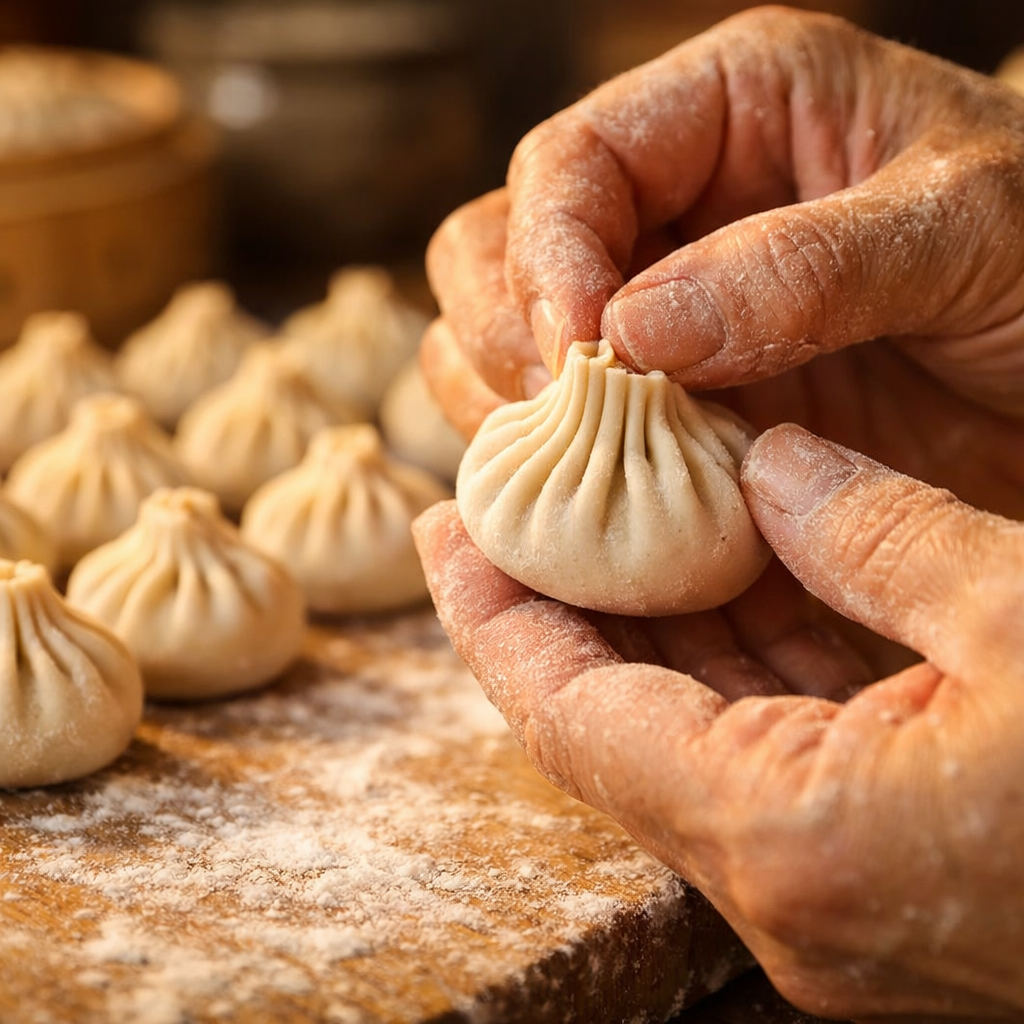
Short Video Formats That Show, Don’t Tell: Platforms like Instagram Reels, TikTok, and YouTube Shorts are perfect for bite-sized heritage content. Create 30-60 second videos showing traditional production methods—hand-pulling noodles, wrapping dumplings using centuries-old folding techniques, or the multi-year aging process for premium soy sauce. Partner with your suppliers to capture authentic footage, or work with content creators who specialize in cultural storytelling.
The key is making these videos visually compelling and fast-paced while still communicating substance. Start with a hook: “This dumpling folding technique has 18 pleats for a reason…” Then show the technique while briefly explaining its cultural significance. End with a connection to your product: “That’s why our dumplings maintain authentic texture and appearance.” You’re educating and marketing simultaneously.
Infographics That Make Complexity Accessible: Regional Chinese cuisine maps, ingredient origin timelines, or flavor profile comparisons make great shareable content that demonstrates your expertise while educating your audience. An infographic showing how Sichuan, Cantonese, Shandong, and Huaiyang cuisines differ in flavor philosophy, cooking techniques, and signature ingredients becomes valuable reference material that positions your brand as a knowledgeable guide.
These work particularly well for B2B audiences like retailers and restaurants who need to train their own staff. Create downloadable content that your clients can use in their operations, and you become more than a supplier—you become a valued partner who helps them succeed.
Timeline Storytelling That Connects Past and Present: Create visual timelines showing how specific dishes or ingredients evolved over centuries, then connect that evolution to modern dining experiences. “From Imperial Court to Your Table: The 2,000-Year Journey of Peking Duck” or “How Silk Road Traders Shaped Modern Xi’an Noodles” make Chinese food history feel relevant and accessible.
The most effective timelines don’t just present historical facts—they show how historical developments directly influenced the qualities that modern consumers value. The careful temperature control in traditional soy sauce fermentation? That’s why your product has deeper, more complex flavor than cheaper alternatives. The specific fold patterns in regional dumplings? That’s what creates the ideal wrapper-to-filling ratio that your restaurant clients’ customers love.
Recipe Content That Honors Tradition: Share traditional recipes that showcase your products in authentic contexts, but format them for modern home cooks. Include the cultural context—when this dish is traditionally eaten, what it symbolizes, how it’s evolved over time—but make the cooking instructions clear and accessible for international audiences.
This content serves multiple purposes: it drives product usage (increasing repeat purchases), demonstrates respect for culinary tradition, and positions your brand as a cultural bridge. Plus, recipe content consistently ranks among the most-shared food industry content, extending your reach organically.
Measuring What Matters: How Heritage Storytelling Impacts Your Bottom Line
Let’s be practical: heritage branding only makes sense if it delivers business results. So how do you know if your investment in Chinese food history storytelling is working?
Track Engagement Quality, Not Just Quantity: Raw follower counts and impression numbers matter less than meaningful engagement. Are people saving your content? Sharing it? Commenting with questions or their own experiences? These deeper engagement metrics indicate that your heritage storytelling is resonating and creating real connection, not just passive scrolling.
Monitor share of voice around heritage and authenticity themes. Are customers, retailers, or food journalists mentioning your brand in conversations about authentic Chinese cuisine? This earned media and word-of-mouth impact often matters more than any paid advertising because it represents genuine trust and credibility.
Measure Customer Interest in Heritage-Focused Products: Compare sales performance between products where you’ve highlighted heritage stories versus those positioned more generically. In our experience at Jade Premium, international buyers who effectively communicate Chinese food heritage typically see 15-30% higher sales velocity and can command 20-40% premium pricing compared to competitors selling similar products without the cultural context.
Track customer questions and feedback. Are retailers asking for more information about regional differences? Are end consumers reaching out to learn more about traditional production methods? This curiosity indicates that your heritage storytelling is working—people are engaged enough to want to go deeper.
Assess Repeat Purchase and Customer Loyalty: Heritage branding’s biggest impact often shows up in customer retention. Consumers who connect with the cultural story behind products are more likely to become loyal buyers rather than treating your items as interchangeable commodities. Track repeat purchase rates, customer lifetime value, and retention metrics specifically for products where heritage messaging is prominent.
We’ve seen this pattern repeatedly: buyers who treat Chinese food as generic imports compete mainly on price and struggle with customer loyalty. Those who help customers appreciate the tradition, craftsmanship, and regional distinctiveness behind these foods—often supported by clean label transparency—build sustainable brands with loyal followings who actively seek out their products.
Monitor Premium Positioning Success: Can you maintain or increase margins while growing volume? Heritage storytelling should enable premium positioning that justifies higher prices. If you’re successfully communicating Chinese food history and its value, you should see improving margin profiles, not constant pressure to discount.
This doesn’t mean maximizing price—it means commanding fair value for authentic, quality products with meaningful cultural heritage. Consumers will pay more when they understand why your Sichuan chili oil using traditional techniques and premium ingredients differs from cheaper alternatives, but only if you help them understand that difference.
Your Heritage Advantage Starts Now
Chinese traditional food history isn’t a dusty academic subject—it’s a living, breathing competitive advantage waiting for international buyers who recognize its value. Every product you source from China connects to centuries of culinary evolution, regional distinctiveness, and cultural meaning that your customers will find compelling if you take the time to share these stories effectively.
At Jade Premium, we work with international buyers every day to bridge the gap between Chinese food production and global markets. We’ve seen how understanding and communicating heritage transforms generic imports into premium brands, how regional distinctions create product line diversity, and how respect for tradition builds trust with consumers across cultures.
The beauty of this approach is that it’s not about manufacturing false stories or exaggerating claims. The authentic heritage is already there, embedded in every traditional production technique, every regional recipe, and every ingredient that’s been cultivated and prepared the same way for generations. Your job as an international buyer isn’t to invent these stories—it’s to recognize them, respect them, and share them with markets that are hungry for authenticity and meaning in their food choices.
The global food market is increasingly crowded and competitive. Products that compete solely on price face a race to the bottom. But products that connect consumers to genuine cultural heritage, that tell compelling stories about place and tradition, and that deliver authentic experiences—these products build lasting brands and loyal customer bases that sustain businesses for the long term.
Chinese traditional food history is your secret weapon. The question isn’t whether this heritage has value—it absolutely does. The question is whether you’ll be among the international buyers who recognize this advantage and use it to build stronger brands, differentiate your offerings, and create deeper connections between Chinese culinary traditions and global markets.
Start by choosing one product line and diving deep into its heritage. Partner with experts who can help ensure your storytelling is authentic and accurate. Create content that makes this history accessible and engaging. Measure the impact on customer engagement and loyalty. Then expand this approach across your portfolio.
The stories are waiting. The heritage is real. And the competitive advantage is yours for the taking—if you’re willing to look beyond the commodity mindset and recognize that when you’re sourcing from China, you’re not just buying products. You’re connecting your customers to thousands of years of culinary wisdom, regional distinctiveness, and cultural richness that can transform how they perceive and value everything on their plates.