- From Silk Road Rest Stops to Cultural Icons
- The Delicate Dance of Dim Sum Mastery
- Where Conversation Flows as Freely as Tea
- The Unspoken Rules That Make It All Work
- How a Cantonese Tradition Conquered the World
- Bringing Authentic Traditions to Global Tables
- Source Authentic Yum Cha & Dim Sum from Verified Chinese Suppliers
Picture this: it’s a lazy Sunday morning in Hong Kong. Families gather around circular tables draped with white tablecloths, teapots steaming, and bamboo baskets stacked high with delicate parcels of joy. The air buzzes with conversation, laughter, and the gentle clink of porcelain. This is yum cha—literally “drink tea” in Cantonese—but to call it merely drinking tea would be like calling the ocean just water.
Yum cha is your passport to understanding authentic Chinese food culture. It’s not just a meal; it’s a ritual, a social fabric, and a living testament to centuries of culinary evolution. For international buyers looking to truly grasp what makes Chinese cuisine special, yum cha offers something uniquely valuable: the perfect blend of tradition, community, and exquisite craftsmanship, all served on a lazy Susan.
Unlike formal banquets or quick street food experiences, yum cha occupies a special middle ground. It’s communal yet intimate, leisurely yet purposeful, traditional yet endlessly adaptive. When you understand yum cha, you understand the soul of Cantonese hospitality—and by extension, much of what drives China’s remarkable food export industry today.
From Silk Road Rest Stops to Cultural Icons
The story of yum cha begins not in gleaming modern restaurants, but in dusty roadside teahouses along the ancient Silk Road during the Tang Dynasty (618-907 CE). Weary travelers would stop to rest, sipping tea that was believed to aid digestion and provide a moment of calm amidst their journeys. These early teahouses were simple affairs—tea was the star, and food was an afterthought.
By the time the Ming and Qing dynasties rolled around, something remarkable was happening in Guangdong province. The teahouses had evolved. Proprietors realized that travelers and locals alike enjoyed lingering longer when offered small snacks alongside their tea. What started as simple pastries and light bites gradually transformed into an art form. These establishments began crafting delicate dumplings, steamed buns, and savory parcels—each designed to complement rather than overpower the tea’s subtle flavors.
The term “yum cha” emerged during this period, embedding itself deeply into Cantonese culture. By the 1800s, morning tea had become a beloved social ritual where families bonded over fragrant oolong and baskets brimming with carefully crafted dim sum. Historic teahouses like Lin Heung Tea House in Hong Kong (established in 1926) became institutions—living museums where generations gathered to preserve and pass down this cultural treasure.
These weren’t just restaurants; they were community centers, business hubs, and social equalizers rooted in tea culture’s philosophical principles. A wealthy merchant might sit at the next table over from a taxi driver, both enjoying the same ritual, the same respect, the same unhurried pace. This democratic spirit remains central to yum cha’s appeal and reflects something profound about Chinese food culture: good food and good company transcend social barriers.

The Delicate Dance of Dim Sum Mastery
Walk into any traditional yum cha establishment, and you’re entering a world of edible artistry. The dim sum chef—or “dim sum sifu”—is a master craftsman, often trained for years before achieving the perfect pleating on a shrimp dumpling or the precise ratio of dough to filling in a siu mai.
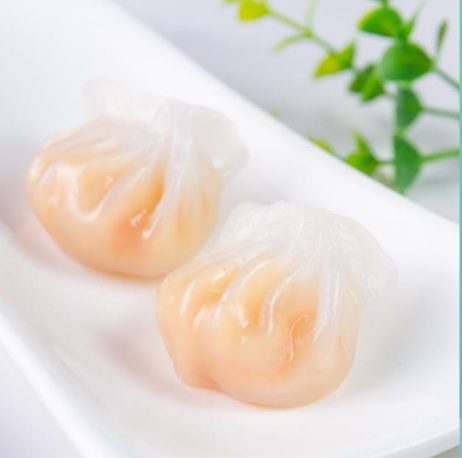
Take har gow (shrimp dumplings), for instance. The translucent wrapper should have exactly 12-14 pleats—no more, no less. Inside, whole shrimp should be just visible through the delicate skin, promising that satisfying snap when you bite down. Getting the wrapper right requires understanding how wheat starch behaves, how to achieve that translucent quality without tearing, and how to shape it while it’s still pliable. It’s chemistry, physics, and art rolled into one.
Then there’s siu mai—those open-topped pork and shrimp dumplings crowned with a tiny dot of bright orange roe or a single green pea. The filling must be seasoned perfectly, maintaining moisture without being greasy, with a texture that’s tender yet holds together. The wrapper edges are gathered like a flower in bloom, creating both visual appeal and the perfect vehicle for a dip in chili oil.
Char siu bao (barbecue pork buns) present a different challenge entirely. The fluffy, snow-white exterior should be cloud-soft, achieved through precise steaming temperatures and timing. Inside, the sweet and savory char siu filling must be sticky enough to cling together but not so wet it makes the bun soggy. The contrast between pillowy-soft exterior and rich, flavorful interior is what makes each bite memorable.
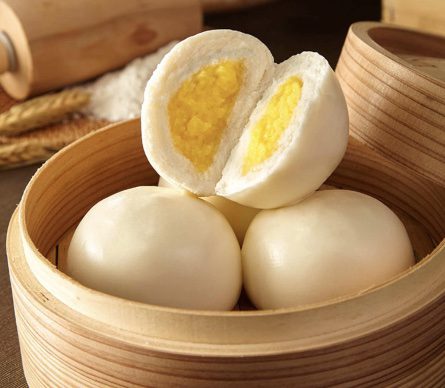
And let’s not forget the modern sensation: bursting custard buns. Break one open, and molten salted egg yolk custard flows out like liquid gold. This innovation showcases how yum cha culture continues to evolve while respecting tradition—it’s a bridge between heritage and contemporary tastes.

But dim sum alone doesn’t complete the picture. The tea is equally essential. This is where the Chinese phrase “washing the cups” comes into play—a ritual where you rinse your teacup and utensils with hot tea before eating, both for hygiene and to show respect for the meal ahead. The tea selection matters too. Light, delicate dishes pair beautifully with jasmine or white peony tea, while richer items like char siu bao call for robust pu-erh or oolong to cut through the richness.
There’s even a gesture of gratitude unique to yum cha: the “finger tap” or “finger kow-tow.” When someone pours tea for you, you tap two fingers on the table as a silent thank you. Legend has it this originated when a Qing Dynasty emperor, traveling incognito, poured tea for his companions. They couldn’t kowtow without revealing his identity, so they used their fingers instead. Today, this small gesture carries centuries of history in a simple, humble motion.
Where Conversation Flows as Freely as Tea
In our fast-paced world, yum cha offers something increasingly rare: permission to slow down. Unlike quick business lunches or rushed dinners, yum cha is meant to be savored. The meal can stretch for hours, with multiple rounds of tea and endless baskets of dim sum appearing at your table.
This leisurely pace creates space for what truly matters—connection. In Hong Kong’s Bird Garden neighborhood, elderly residents gather every morning at traditional teahouses, newspapers spread across tables, voices rising and falling in animated discussion about everything from politics to grandchildren. These aren’t just meals; they’re the social glue holding communities together.
For families, Sunday yum cha has become sacred time. Three generations might crowd around a table, grandparents teaching grandchildren how to use chopsticks properly, parents negotiating who gets the last shrimp dumpling. Stories get shared, advice gets given, bonds get strengthened—all while the tea keeps flowing and the food keeps coming.
Even in business contexts, yum cha serves a unique function. Many deals in Hong Kong and Guangdong start not in sterile conference rooms but over morning tea. The informal atmosphere lowers guards, the shared ritual builds trust, and the unhurried pace allows for genuine relationship building. You learn more about a potential business partner’s character watching how they treat restaurant staff and share food than you might in a dozen formal meetings.
This social dimension is crucial for international buyers to understand. When you’re sourcing authentic Chinese food products, you’re not just buying ingredients—you’re tapping into food traditions deeply woven into social fabric. The supplier who provides your dim sum likely views their product as part of a cultural legacy, not just a commodity. Understanding this context helps build better partnerships and appreciate the true value of what you’re bringing to international markets.
The Unspoken Rules That Make It All Work
Traditional yum cha has its own etiquette, a set of unspoken rules that keep the experience flowing smoothly. In classic teahouses, servers push metal carts laden with bamboo steamers through the dining room. You flag them down, peek inside the baskets, and select what appeals to you. Each small plate or basket is stamped on a card at your table, tallied up at the end for your bill.
This cart service creates a unique dynamic—you never quite know what might appear next. It adds an element of discovery and spontaneity to the meal. Modern establishments have adapted this, some using ordering sheets or digital tablets, but the best ones preserve that sense of serendipity.
Round tables are standard for good reason. The circular shape, often with a lazy Susan in the center, promotes equality and sharing. Everyone has equal access to the dishes, and the lazy Susan ensures fair distribution. You don’t reach across; you spin the turntable. You don’t hoard; you take one piece at a time, ensuring everyone gets to try everything.
Politeness governs the table. You pour tea for others before filling your own cup. You don’t grab the last dumpling without offering it to others first. And you pace yourself, understanding this is a marathon, not a sprint. The unhurried rhythm is intentional—rushing through yum cha is like speed-reading poetry. Technically possible, but you’re missing the point entirely.
These rituals might seem quaint, but they reflect deeper values: respect, community, and mindfulness. For international buyers working with Chinese suppliers, recognizing these cultural underpinnings helps explain why quality, presentation, and consistency matter so much. A dim sum chef doesn’t make thousands of dumplings per day just for efficiency—they do it because each one represents their commitment to craft and tradition.
How a Cantonese Tradition Conquered the World
Travel to London, Sydney, San Francisco, or Toronto, and you’ll find yum cha thriving in Chinatowns and beyond. This global spread represents more than just the Chinese diaspora bringing comfort food abroad—it’s become a form of cultural diplomacy, what some call “dim sum diplomacy.”
International yum cha has adapted to local tastes while preserving core rituals. In some Western cities, you might find fusion creations like truffle siu mai or matcha custard buns alongside traditional offerings. Weekend brunch crowds that might never have tried Chinese food otherwise flock to dim sum restaurants, drawn by the sharing format, variety, and interactive experience.
This evolution showcases yum cha’s remarkable flexibility. The ritual—gathering, sharing, savoring—remains constant, but the specific expressions can shift to meet different cultural contexts. Some traditionalists grumble about modernization, but this adaptability is precisely what keeps yum cha relevant and growing.
For the B2B food supply industry, this global popularity creates enormous opportunities. International demand for authentic dim sum has exploded, but importers need partners who understand both the traditional standards and modern food safety requirements. Frozen dim sum products must maintain the delicate texture and flavor that makes fresh dim sum special—a significant technical challenge that separates excellent suppliers from mediocre ones.
Quality control becomes paramount. A shrimp dumpling wrapper that’s too thick loses its delicacy; one that’s too thin falls apart during freezing and transport. The filling must survive the freeze-thaw cycle without becoming mushy or losing flavor. These aren’t simple manufacturing challenges—they require deep understanding of traditional techniques combined with modern food science.
Bringing Authentic Traditions to Global Tables
At Jade Premium, we see yum cha as more than just a sourcing opportunity—it’s a perfect example of what we strive to achieve in international food trade. Yum cha succeeds globally because it maintains authenticity while respecting local contexts. It preserves cultural significance while embracing innovation. It values both tradition and quality, never sacrificing one for the other.
This philosophy guides our work connecting international buyers with premium Chinese food suppliers. Whether you’re sourcing dim sum for a restaurant chain, frozen Chinese appetizers for retail, or authentic ingredients for food service operations, understanding the cultural context behind these products matters. It helps you identify truly authentic suppliers, communicate your quality expectations effectively, and market these products in ways that honor their heritage while appealing to international consumers.
The same principles that make yum cha successful as cultural exchange apply to successful international food trade: respect for tradition, commitment to quality, appreciation for craftsmanship, and understanding that food is never just food—it’s culture, community, and connection served on a plate.
When you import shrimp dumplings or char siu bao, you’re not just bringing frozen products across borders. You’re becoming a bridge between cultures, sharing centuries of culinary evolution with new audiences. That responsibility demands partners who understand both worlds—the traditional Chinese producers maintaining time-honored techniques and the international markets seeking authentic experiences.
This is where our role becomes vital. With offices throughout China’s major food production centers and deep relationships with premium suppliers, we help international buyers navigate not just logistics and compliance, but cultural understanding. We help verify that your dim sum supplier truly understands what makes har gow special, that your char siu producer respects traditional seasoning methods while meeting modern food safety standards.
Yum cha teaches us that the best food experiences aren’t rushed—they’re savored. The best partnerships aren’t transactional—they’re built on mutual understanding and respect. And the best way to introduce global consumers to Chinese food culture isn’t through shortcuts or compromises, but through authentic products that carry their traditions with pride.
So the next time you’re considering Chinese food imports, think about yum cha. Think about those teahouses where families gather, where conversations flow, where delicate dumplings emerge from bamboo steamers carrying centuries of tradition. That’s the standard worth pursuing—food that brings people together, honors its roots, and creates moments worth savoring.
Because ultimately, that’s what Jade Premium believes: bringing authentic Chinese cuisine to global tables isn’t just about moving products—it’s about sharing culture, building understanding, and creating those same moments of connection and joy that yum cha has provided for generations. One bamboo steamer at a time.
Source Authentic Yum Cha & Dim Sum from Verified Chinese Suppliers
Looking to import premium dim sum or authentic Cantonese products? Explore our trusted supplier network and connect directly with certified Chinese manufacturers ready for global export.