
Frozen Chinese buns and pastries have emerged as a cornerstone product for international foodservice operators and retailers seeking to offer authentic Asian cuisine with minimal preparation time. These versatile products—ranging from traditional baozi to delicate steamed dumplings—bridge the gap between authentic culinary heritage and modern convenience. The global frozen dim sum market continues expanding as consumers worldwide develop stronger appetites for Chinese cuisine, while businesses recognize the operational advantages these ready-to-cook products deliver. Whether you’re operating a hotel restaurant in Europe, managing a retail chain in North America, or running a catering service in the Middle East, understanding how to source quality frozen Chinese buns can transform your menu offerings and streamline kitchen operations.
Understanding Product Types and Market Applications
The frozen Chinese bun category encompasses diverse products, each designed for specific market segments and culinary applications. Traditional baozi are typically produced in larger, single-portion formats, while mini steamed buns are designed for bite-sized servings suitable for dim sum and shared plates. Assorted pastries extend beyond steamed formats to include pan-fried varieties like shengjian bao and baked options such as char siu sou (barbecue pork puffs).
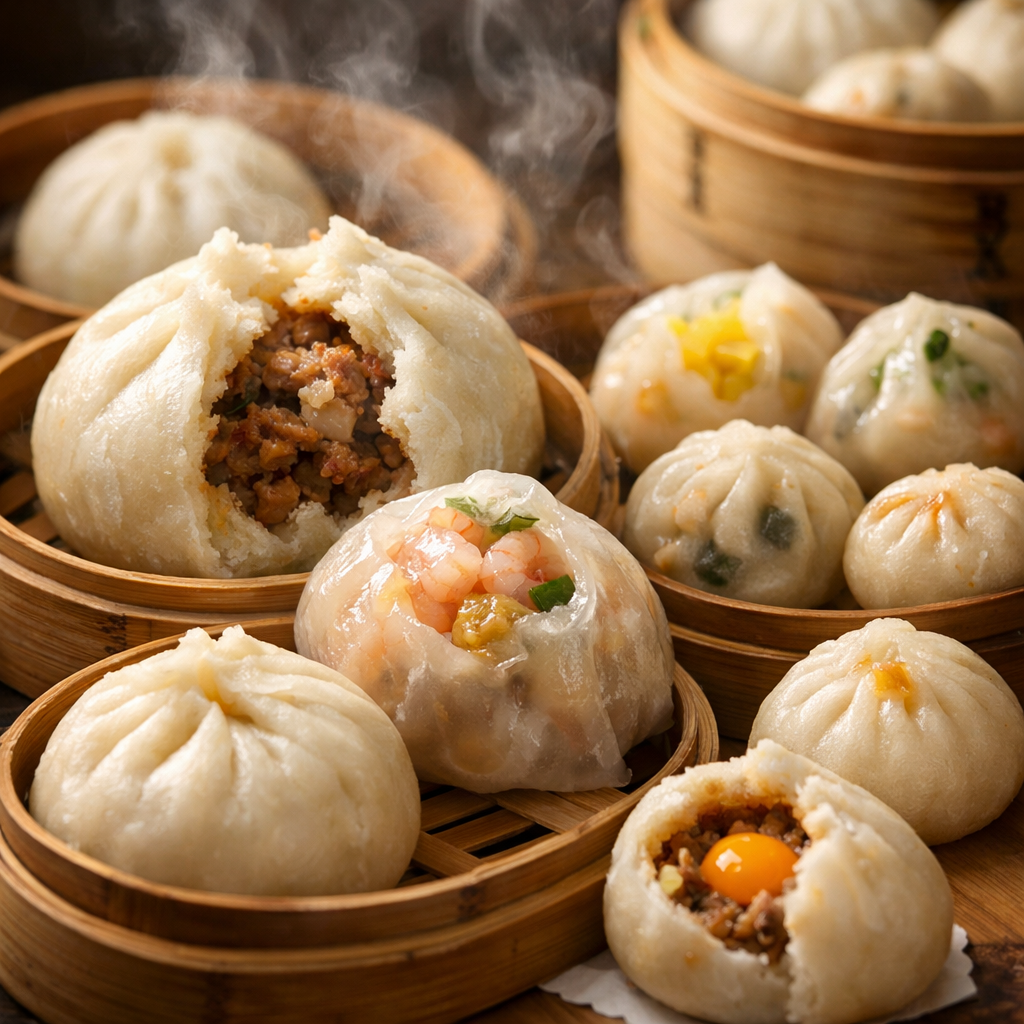
Selecting the right product type depends heavily on your target market preferences and intended usage scenarios. Hotels and restaurants serving breakfast buffets often prioritize larger baozi that can serve as standalone dishes, while dim sum restaurants require diverse mini formats that enable customers to sample multiple flavors. Retail operations face different considerations—products must balance authentic appearance with consumer-friendly reheating instructions, and packaging must clearly communicate the cultural story behind each variety. Quick-service restaurants increasingly favor uniform portion sizes that ensure consistent plating and simplified inventory management.
The filling variety within each format offers additional customization opportunities. Pork and vegetable combinations dominate traditional preferences, but international markets show growing interest in chicken, beef, and vegetarian alternatives. Understanding regional dietary restrictions proves essential—halal-certified options open Middle Eastern markets, while clearly labeled vegetarian products appeal to health-conscious European consumers. The most successful international buyers maintain diverse product portfolios that allow them to test market preferences without overcommitting to single varieties.
Packaging Standards and Storage Requirements
Professional-grade frozen Chinese buns arrive in carefully designed packaging that protects product integrity throughout international shipping and storage. Standard case sizes range from 8-12 kilograms, containing approximately 100-240 pieces depending on individual bun weight. This configuration balances shipping efficiency with manageable handling for foodservice operations. Each case includes individual packaging that separates products, preventing freezer burn and enabling portion control without exposing entire inventories to temperature fluctuations.
Weight specifications matter significantly for cost calculations and menu planning. A 50-gram bun serves as a satisfying single portion for most applications, while 30-gram mini buns allow operators to offer variety plates featuring 4-5 different flavors. Buyers should verify exact counts per case rather than relying solely on weight, as product dimensions affect packing density and actual piece counts can vary by 5-10% between suppliers.
Cold-chain requirements form the non-negotiable foundation of quality preservation. Products must maintain temperatures between -18°C or below throughout the entire supply chain—from production facility to end storage. Temperature monitoring systems become essential for international shipments spanning multiple weeks. Any temperature excursion above -10°C risks compromising texture and safety, as ice crystal formation damages delicate dough structures. Sophisticated suppliers provide temperature data loggers that track conditions throughout transit, offering buyers verification that products arrived under proper conditions.
Compliance with labeling and certification standards varies by destination market but universally demands attention to detail. European markets require detailed allergen declarations and nutritional information in local languages. North American regulations mandate specific formatting for ingredient lists and handling instructions. Middle Eastern buyers prioritize halal certification from recognized authorities. HACCP certification demonstrates systematic food safety management, while country-of-origin labeling helps buyers navigate tariff structures and consumer preferences for transparency.
Filling Quality and Dough Characteristics
The heart of any Chinese bun lies in the careful balance between filling and dough. Authentic fillings showcase proper seasoning ratios that deliver recognizable flavor profiles without overwhelming saltiness or excessive greasiness. Traditional pork fillings rely on carefully balanced lean-to-fat ratios to preserve juiciness after reheating while maintaining structural integrity. Vegetable components should retain distinct textures rather than dissolving into mush, indicating proper pre-cooking and moisture control during manufacturing.
Dough quality separates premium products from mass-market alternatives. Superior dough exhibits a pillowy texture after steaming, with enough structure to hold fillings without tearing yet remaining tender enough to bite through effortlessly. The surface should show minimal discoloration or freezer burn, presenting a uniform white or off-white appearance that signals proper freezing techniques. Overworked dough results in dense, chewy textures that disappoint consumers expecting the characteristic lightness of authentic dim sum.
Ready-to-cook formats deliver tremendous value for foodservice operations by eliminating labor-intensive preparation steps. Products arrive fully formed and proven—operators simply steam or steam-then-pan-fry depending on desired finish. This convenience reduces skilled labor requirements and minimizes waste from failed preparation attempts. A single kitchen staff member can prepare dozens of servings in the time traditional methods require for preparing dough alone. The consistency of factory production also eliminates the variability inherent in handmade products, ensuring every bun meets quality standards regardless of which shift or location prepares it.
Preparation Methods and Serving Versatility
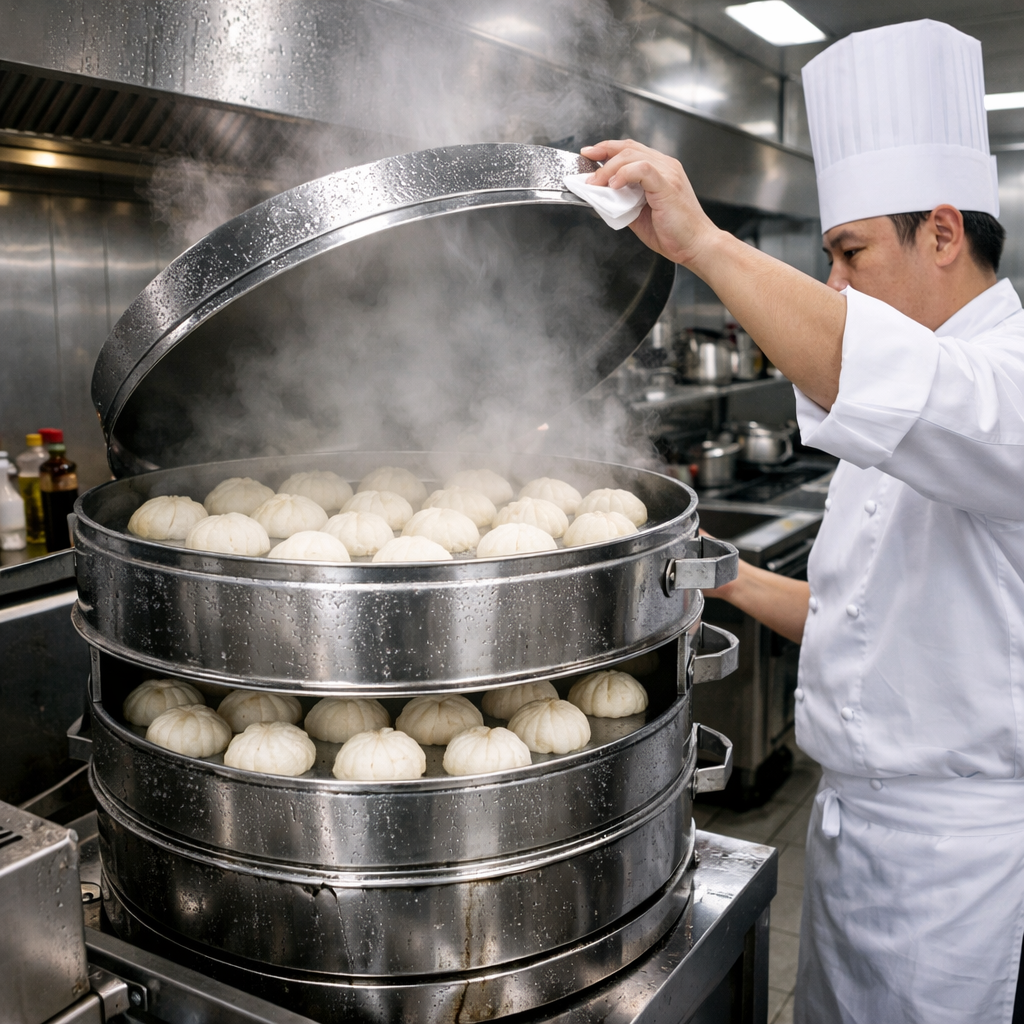
Proper reheating techniques determine whether frozen Chinese buns deliver the intended dining experience or disappoint customers with subpar texture. Steaming remains the gold standard method, requiring 12-15 minutes from frozen in a traditional bamboo or metal steamer. The steam’s moist heat gradually thaws and warms the product while rehydrating the dough to its original soft texture. Commercial steamers in busy kitchens can process multiple batches simultaneously, making this method highly efficient for volume operations. Operators should avoid overcrowding steamers, as proper steam circulation proves essential for even heating.
Microwave preparation offers speed for retail consumers but demands careful attention to prevent rubbery textures. The recommended technique involves wrapping individual buns in damp paper towels, then heating at 50-70% power in 30-second intervals. This gentle approach allows gradual thawing while the moisture from towels prevents surface drying. Commercial operations rarely rely on microwaves due to inconsistent results and limited capacity, but retailers should provide clear microwave instructions since many consumers lack steaming equipment at home.
Pan-frying presents an appealing hybrid method particularly suited to creating shengjian bao’s characteristic crispy bottom. This technique involves placing frozen buns in a hot oiled pan, adding water to create steam, then covering until the tops soften while bottoms develop golden-brown crusts. The textural contrast between crispy and soft appeals to Western palates while maintaining authentic preparation traditions. This method works exceptionally well for brunch services and special menu presentations that justify slightly longer preparation times.
The versatility of frozen Chinese buns extends across multiple meal periods and service formats. Breakfast buffets can feature sweet red bean buns alongside savory options, offering familiar comfort food with exotic appeal. Lunch services benefit from quick preparation times that support build-your-own bowl concepts or dim sum platters. Dinner applications range from appetizer courses to main dishes when paired with appropriate sides. Catering operations particularly value the products’ ability to hold in warmers for extended periods without quality degradation, enabling buffet-style service that maintains food safety standards.
Evaluating Quality Indicators and Supplier Reliability
Quality assessment begins immediately after reheating when texture evaluation proves most revealing. The exterior should feel slightly tacky rather than dry or slimy, indicating proper moisture retention. Gentle pressure should compress the bun with spring-back that demonstrates gluten development and proper proofing before freezing. The dough’s interior should appear uniformly white with a fine, even crumb structure free from large air pockets or dense sections.
Aroma provides instant feedback about filling quality and freshness. Properly prepared fillings release savory, appetizing scents dominated by aromatics like ginger, scallions, and garlic rather than stale oil odors or excessive saltiness. Off-odors—particularly sour notes or freezer burn smell—signal improper storage or aged products that compromise both safety and satisfaction. The filling itself should distribute evenly throughout the bun rather than concentrating in clumps or leaving hollow sections. Bite tests reveal whether meat fillings achieve the desired juiciness and whether vegetable components maintain appropriate texture.
Assessing supplier reliability requires examining ingredient traceability systems that document every component’s origin and handling. Reputable suppliers provide detailed specifications for raw materials, including flour protein content, filling ingredient grades, and source verification for proteins. They maintain production records that enable lot tracking from finished product back through manufacturing processes to original ingredients. This transparency becomes critical when addressing quality issues or responding to regulatory inquiries about sourcing.
Packaging consistency signals operational discipline that extends beyond external appearance to production quality. Uniform case weights, properly sealed inner packaging, and clear lot coding demonstrate attention to detail. Temperature monitoring documentation should accompany shipments, verifying cold-chain maintenance throughout transit. Suppliers offering certificates of analysis for each production lot provide additional quality assurance, though buyers should verify the testing laboratory’s credentials and understand which parameters the testing covers.
Navigating Sourcing Channels and Supplier Selection
Wholesalers and distributors represent the most common sourcing channel for frozen Chinese buns, offering established logistics networks and consolidated ordering that combines multiple product categories. These intermediaries typically maintain local warehousing, enabling faster delivery and smaller minimum orders than direct imports require. The trade-off involves reduced customization options and limited visibility into actual manufacturing sources. Distributors add value through established relationships with customs brokers and knowledge of local compliance requirements, but their markup structures can significantly impact margins.
Direct relationships with Chinese manufacturers provide maximum control over specifications and pricing but demand more sophisticated international trade capabilities. Buyers pursuing this channel need expertise in negotiating manufacturing agreements, managing quality inspections, and coordinating container shipments. The investment pays dividends for large-volume operations that can commit to full container loads and maintain consistent ordering patterns. Manufacturers often require 30-50% deposits and lead times extending 60-90 days, creating cash flow and inventory planning challenges for smaller operators.
Online B2B platforms have emerged as viable alternatives, connecting international buyers with verified Chinese suppliers through digital marketplaces. These platforms offer transparency through supplier ratings, third-party verification services, and sometimes escrow payment protection. However, buyers must still conduct due diligence regarding supplier capabilities and product quality, as platform verification focuses primarily on business legitimacy rather than food safety standards or production capacity.
Supplier selection criteria should prioritize volume pricing structures that reward consistent ordering while accommodating seasonal fluctuations. Fixed-price agreements covering 12-month periods protect against commodity price volatility and currency fluctuations that can erode margins. Lead time reliability matters equally to pricing, as unpredictable delivery schedules disrupt menu planning and risk stockouts during peak demand periods. Logistics considerations extend beyond price quotes to include supplier experience with temperature-controlled shipping, customs documentation accuracy, and problem resolution when issues arise.
Critical Buying Criteria for Business Success
Filling type selection should reflect both current market preferences and future menu development plans. While traditional pork and vegetable combinations provide familiar options, buyers increasingly recognize the importance of diverse portfolios that accommodate dietary restrictions and trending flavor preferences. Chicken-based fillings appeal to consumers avoiding red meat, while completely plant-based options capture the growing flexitarian market. The most strategic buyers maintain 60-70% of inventory in proven sellers while reserving capacity for testing emerging flavors that might become tomorrow’s bestsellers.
Dough texture specifications warrant detailed discussion during supplier negotiations, as subtle variations significantly impact consumer satisfaction. Some markets prefer sweeter, fluffier doughs typical of Cantonese styles, while others favor the slightly chewier textures common in northern Chinese traditions. The dough’s fat content affects both texture and perceived richness—higher fat content creates more luxurious mouthfeel but may not align with health-conscious positioning. Fermentation methods also matter, as naturally leavened doughs develop more complex flavors than those relying solely on chemical leaveners.
Portion sizing directly impacts both customer satisfaction and profitability calculations. Undersized products risk disappointing consumers who expect substantial value, while oversized portions inflate costs and may not align with appetizer or sharing-plate concepts. Standard sizing across product lines simplifies inventory management and equipment requirements, but market research may reveal preferences for varied sizes depending on meal occasion. The optimal approach often involves two distinct size ranges—larger format for main dishes and mini versions for variety offerings.
Equipment compatibility considerations prevent costly surprises after purchasing. Verify that product dimensions work with existing steamer basket sizes and that total cooking times fit within service window requirements. Some frozen buns require specific steaming conditions—particular pressure levels or humidity control—that standard equipment cannot achieve. Buyers should request samples for testing in actual kitchen conditions before committing to large orders, ensuring that preparation methods align with staff capabilities and service timing requirements.
Risk Management and Quality Assurance Strategies
Quality variance represents the most common risk in frozen Chinese bun sourcing, as manufacturing inconsistencies create unpredictable customer experiences. Small batch-to-batch variations in filling ratios or dough hydration might seem minor but accumulate into recognizable quality drift. Implementing incoming inspection protocols catches problems before products reach customers. These inspections should include random sampling, cooking tests, and documentation that creates accountability for suppliers. Establishing clear quality standards with photographic references and measurable criteria—such as minimum filling weight percentages—removes ambiguity from quality discussions.
Supply fluctuations challenge even established supplier relationships, as agricultural commodity shortages, regulatory changes, or capacity constraints disrupt availability. The most resilient buying strategies maintain relationships with secondary suppliers capable of producing comparable products, even if pricing proves slightly less favorable. This backup capacity should undergo the same qualification process as primary suppliers, including sample approval and facility audits when possible. The investment in maintaining dual-source options pays dividends during supply disruptions that otherwise force emergency sourcing at premium prices or menu changes that confuse customers.
Verifying cold-chain integrity throughout the supply chain requires systematic monitoring rather than assuming compliance. Temperature data loggers placed within shipments provide objective evidence of proper handling, while periodic surprise inspections of warehouse conditions reveal whether partners maintain stated protocols. Relationships with logistics providers should include clear temperature excursion protocols that define acceptable deviation ranges and required responses when thresholds are exceeded. The most sophisticated buyers negotiate quality guarantees that assign financial responsibility for temperature-related quality issues, creating incentives for partners to maintain rigorous cold-chain management.
Building long-term supplier relationships transforms transactional sourcing into strategic partnerships that deliver competitive advantages. Suppliers who understand your business model and market positioning can suggest product innovations aligned with your strategy. They prioritize your orders during capacity constraints and provide advance warning about potential supply issues. These relationships develop through consistent communication, prompt payment, and reasonable expectations that recognize suppliers face their own cost pressures and operational challenges. The buyers who treat suppliers as genuine partners rather than interchangeable vendors consistently secure better service, pricing, and innovation support.
Bridging Authentic Chinese Cuisine with Global Markets
At Jade Premium, we understand that frozen Chinese buns represent far more than convenient food products—they embody centuries of culinary tradition and regional specialization that deserve respect and proper representation in international markets. Our approach to sourcing frozen dim sum reflects our core philosophy of serving as a cultural bridge between authentic Chinese cuisine and global dining tables. We recognize that successful international trade in these products requires deep understanding of both traditional manufacturing methods and modern quality standards that international buyers expect.
Our extensive network across China’s major food production centers provides unparalleled access to manufacturers who balance traditional recipes with contemporary food safety practices. We personally verify production facilities, evaluate ingredient sourcing, and test products under conditions that replicate your actual service environment. This hands-on approach ensures that products bearing our recommendation deliver the authentic flavors and textures that make Chinese cuisine globally beloved while meeting the stringent safety and consistency standards international foodservice demands.
The complexity of international frozen food trade extends beyond product selection to encompass regulatory compliance, logistics optimization, and cultural translation that helps your customers appreciate the culinary heritage behind each bun. Our team navigates certification requirements across different markets, coordinates temperature-controlled shipping, and provides the cultural context that transforms frozen dim sum from mystery products into compelling menu items with authentic stories. Whether you’re launching your first dim sum program or expanding an established Asian cuisine offering, partnering with experienced trade facilitators who understand both the product category and international market dynamics proves essential for long-term success.