
- Defining Premium Quality in Frozen Chinese Cuisine
- Common Quality Pitfalls That Undermine Frozen Meal Imports
- The Science Behind Freeze-Thaw Quality Control
- Essential Cold Chain Management Strategies
- Navigating Regulatory and Labeling Requirements
- Practical Quality Assurance Steps for Importers
- Indicators of Premium Quality to Verify
- Key Takeaways for Stakeholders
The global appetite for authentic Chinese cuisine continues to grow, driving unprecedented demand for premium Chinese frozen meals in international markets. From delicate soup dumplings to savory bao buns and complete ready-to-eat dishes, these products promise convenience without compromising the authentic flavors that consumers crave. However, beneath the surface of this booming trade lies a critical challenge that keeps experienced importers awake at night: maintaining consistent quality from production facility to consumer’s table.
Even minor quality gaps in frozen meals can trigger devastating consequences. A slight temperature fluctuation during transport can turn tender dumplings into mushy disappointments. Improper packaging can lead to freezer burn that destroys the visual appeal and taste of carefully crafted dishes. Inadequate processing controls might allow texture inconsistencies that undermine the premium positioning importers work hard to establish. Understanding quality control systems for China food exports becomes essential for preventing these costly failures. For businesses staking their reputation on delivering authentic Chinese culinary experiences, these hidden quality gaps aren’t just operational concerns—they’re existential threats.
Defining Premium Quality in Frozen Chinese Cuisine
What separates premium frozen Chinese meals from ordinary products? The answer extends far beyond simply using quality ingredients. Premium quality represents a holistic commitment to excellence across every dimension of the product experience.
Texture consistency stands as the first pillar of premium quality. A premium soup dumpling should maintain its delicate, translucent skin and burst with flavorful broth when steamed, whether it’s consumed in Shanghai or Sydney. The wrapper shouldn’t become soggy or tear easily, and the filling must retain its juiciness and structural integrity. This consistency demands precision in formulation, production techniques, and freezing methods that many suppliers struggle to achieve.
Visual appearance serves as the second critical indicator. Premium products display uniform size, consistent coloring, and unblemished surfaces. Each piece should look handcrafted rather than mass-produced, with no signs of freezer burn, ice crystals, or deformation. The presentation must communicate quality before the first bite.
Packaging integrity completes the quality equation. Premium frozen meals require packaging that preserves freshness, prevents moisture loss, and protects against physical damage during the rigors of international shipping. The packaging must also communicate the product’s premium positioning through professional design and comprehensive labeling.
At Jade Premium, we understand that maintaining these standards requires more than good intentions—it demands the same rigorous approach used by smart dim sum importers who source authentic quality without compromising safety. Our rigorous quality control systems monitor every stage of production, from ingredient sourcing to final packaging. We work exclusively with producers who share our commitment to excellence and implement verification systems that catch quality issues before products leave the factory. This proactive approach ensures that every case of frozen dumplings, buns, or prepared meals meets the exacting standards our international partners expect.
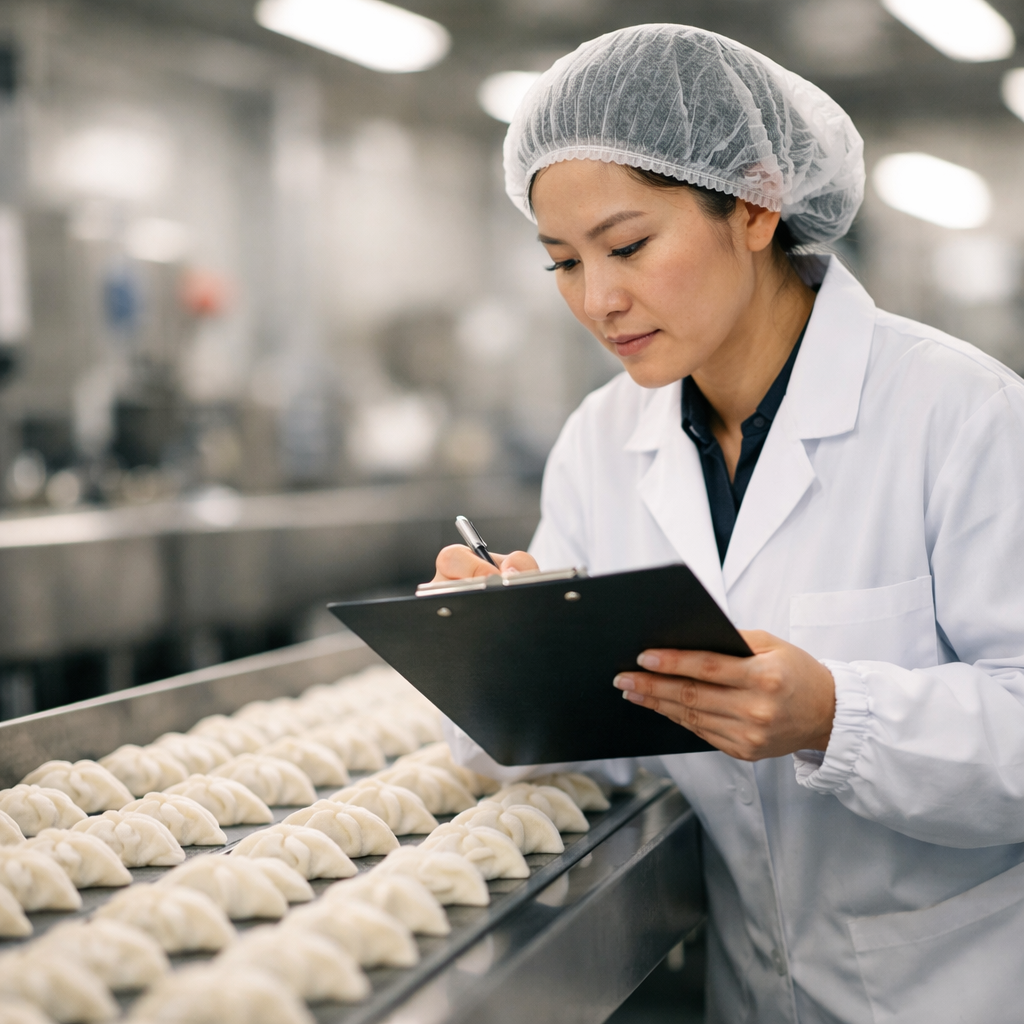
Common Quality Pitfalls That Undermine Frozen Meal Imports
The journey from Chinese production facility to international retail shelf presents numerous opportunities for quality degradation. Understanding these common pitfalls helps importers build defense mechanisms that protect their investment and reputation.
Supplier selection mistakes represent the most fundamental error. Many importers focus exclusively on price competitiveness, overlooking critical factors like production capabilities, quality management systems, and export experience. A supplier might produce excellent products for domestic markets but lack the knowledge and equipment necessary to meet international standards for frozen food exports. This is why professional supplier audits are non-negotiable for risk management. The result? Products that fail food safety inspections, arrive damaged, or simply don’t meet the quality expectations that premium positioning demands.
Consider the case of an importer who partnered with a dumpling manufacturer offering prices 15% below market rates. The initial samples looked promising, but production batches revealed inconsistent wrapper thickness, irregular crimping that caused leakage during cooking, and filling variations that affected portion weight. The cost savings evaporated as the importer faced customer complaints, returns, and damaged relationships with retail partners.
Processing control failures create another common quality gap. Premium frozen meals require precise control of preparation temperatures, freezing rates, and handling procedures. Rushing the freezing process to increase production volume can create large ice crystals that rupture cell structures, leading to texture degradation upon thawing. Inconsistent cooking temperatures during par-cooking steps affect flavor development and food safety. Even minor deviations from optimal procedures accumulate into significant quality problems.
Packaging integrity issues plague many frozen food imports. Damaged packaging allows air infiltration that causes freezer burn, while inadequate moisture barriers lead to dehydration. During international shipping, packages endure stacking pressure, temperature variations, and handling stress that can compromise seals and protective barriers. Without robust packaging designed for the rigors of global logistics, even perfectly produced products arrive degraded.
Cold chain management represents perhaps the most critical vulnerability. A frozen meal might leave the factory in perfect condition, but a single breakdown in temperature control during warehousing, transportation, or distribution can trigger irreversible quality loss. Many importers underestimate the complexity of maintaining unbroken cold chains across international distances, leading to thawed-and-refrozen products that disappoint end consumers. Learn why certification alone can’t prevent cold chain failures in frozen food logistics.
The Science Behind Freeze-Thaw Quality Control
Understanding the scientific principles governing frozen food quality empowers importers to make informed decisions about suppliers and handling procedures. The freeze-thaw process profoundly impacts product characteristics, especially for delicate items like dumplings and buns.
When water freezes, it expands and forms ice crystals. The size and distribution of these crystals directly influence texture quality. Rapid freezing creates small ice crystals that cause minimal cellular damage, preserving the original texture and moisture distribution. Slow freezing allows large ice crystals to form, which puncture cell walls and create a mushy, degraded texture upon thawing.
Premium frozen meal producers invest in advanced quick-freezing technology such as blast freezers or cryogenic freezing systems that bring products to optimal storage temperature within minutes rather than hours. This rapid temperature reduction prevents large crystal formation and locks in moisture, flavor compounds, and textural integrity.
At Jade Premium, we partner with manufacturers who utilize state-of-the-art Individual Quick Freezing (IQF) technology for products like dumplings and buns. This process ensures each piece freezes individually and rapidly, preventing them from clumping together while maintaining superior texture. The result is a product that, when properly cooked, delivers an experience virtually indistinguishable from fresh preparation.
Temperature stability during storage proves equally critical. Frozen foods maintain optimal quality at -18°C or below. Temperature fluctuations above this threshold—even temporary ones—initiate partial thawing that allows ice crystal migration and recrystallization. Each freeze-thaw cycle progressively degrades quality, affecting texture, appearance, and nutritional value.
Thawing procedures also impact final product quality. Gradual, controlled thawing in refrigerated conditions minimizes moisture loss and texture damage. Rapid thawing at room temperature or under hot water creates temperature gradients that can partially cook exterior layers while interior portions remain frozen, leading to uneven texture and potential food safety concerns.
Essential Cold Chain Management Strategies
Maintaining an unbroken cold chain from production to end-user requires meticulous planning, investment in proper infrastructure, and constant vigilance. For importers of premium Chinese frozen meals, cold chain excellence isn’t optional—it’s the foundation of quality assurance.
Temperature control begins at the production facility. Products must move directly from freezing lines into cold storage maintained at -18°C or lower. Loading docks require temperature-controlled environments that prevent exposure to ambient temperatures during transfer to refrigerated containers. Even brief exposure to warm air can begin the quality degradation process.
Transportation demands specialized refrigerated containers equipped with reliable temperature control systems and backup power sources. For maritime shipping from China to international markets, containers must maintain stable temperatures for weeks at a time despite exterior temperature variations. Real-time temperature monitoring systems now allow importers to track conditions throughout transit, receiving alerts if temperatures deviate from specified ranges.
Jade Premium works exclusively with logistics partners who specialize in temperature-sensitive cargo and maintain comprehensive cold chain protocols. Our shipments include continuous temperature logging devices that provide complete documentation of storage conditions from factory to destination. This transparency ensures accountability and allows immediate intervention if problems arise.
Packaging technology plays a crucial supporting role in cold chain management. Modern packaging incorporates insulation layers, moisture barriers, and protective structures that buffer against brief temperature fluctuations and physical damage. Vacuum-sealed packaging removes air that could contribute to freezer burn, while modified atmosphere packaging can extend shelf life by controlling the gaseous environment surrounding products.
Distribution centers and retail storage facilities represent the final links in the cold chain. Products must be promptly transferred to appropriate cold storage upon arrival, with handling procedures that minimize temperature exposure. Staff training ensures that workers understand the importance of temperature maintenance and follow established protocols consistently.
Navigating Regulatory and Labeling Requirements
Premium frozen meal imports must comply with complex regulatory frameworks that vary by destination market. Understanding these requirements and ensuring full compliance protects importers from costly delays, product rejections, and legal complications.
Food safety regulations establish baseline requirements for production practices, ingredient safety, and microbiological standards. Products must come from facilities that meet international food safety standards, with documented Hazard Analysis and Critical Control Points (HACCP) systems that identify and mitigate contamination risks. Many markets require certification from recognized food safety auditing bodies.
Labeling requirements demand comprehensive, accurate information presented in formats that comply with local regulations. Labels must include ingredient lists with proper allergen declarations, nutritional information formatted according to local standards, preparation instructions, storage requirements, and traceability information. Mistakes in labeling can result in products being rejected at customs or recalled after reaching the market.
Jade Premium maintains deep expertise in international food regulations and works closely with certification bodies to ensure compliance. Our team reviews all product documentation before shipment, verifying that labels, certificates, and supporting documents meet destination market requirements. We also stay current with regulatory changes, alerting partners to new requirements that might affect their imports.
Import documentation requirements include health certificates, origin certificates, and customs declarations that must be accurate and complete. Exporters must also navigate regional compliance traps that most suppliers miss when entering overseas markets. Missing or incorrect documentation causes shipment delays that can compromise product quality if containers remain at ports longer than anticipated. Working with experienced freight forwarders who understand food import procedures minimizes these risks.
Practical Quality Assurance Steps for Importers
Building a robust quality assurance framework requires systematic approaches that verify product quality at every stage of the supply chain. Importers who implement comprehensive QA protocols significantly reduce their exposure to quality problems and build reputations for reliability.
Supplier qualification establishes the foundation of quality assurance. Before committing to a supplier relationship, conduct thorough due diligence that includes facility audits, quality system reviews, and production capability assessments. Verify certifications, examine quality control procedures, and request detailed process documentation. Sample multiple production batches rather than relying solely on initial samples that might not represent typical quality levels.
Ongoing audits maintain quality standards over time. Even excellent suppliers can experience quality drift without regular monitoring. Schedule periodic facility inspections that examine production conditions, equipment maintenance, and quality control implementation. Review quality data, customer feedback, and test results to identify trends that might signal emerging problems.
Real-time monitoring during production provides early warning of quality issues. For large orders, consider having quality inspectors present during production runs to verify compliance with specifications. Pre-shipment inspections catch problems before products leave China, when remediation remains relatively simple and cost-effective.
Third-party testing validates that products meet safety and quality specifications. Independent laboratories can conduct microbiological testing, chemical analysis, and physical property testing that provides objective verification of product quality. Testing frequency should reflect risk levels—higher-risk products or new suppliers warrant more frequent testing.
Jade Premium offers comprehensive quality assurance support that leverages our extensive network in China and deep understanding of international quality standards. Our team can conduct facility audits, coordinate pre-shipment inspections, arrange third-party testing, and provide quality monitoring throughout production and shipping. This hands-on involvement gives our partners confidence that their frozen meal imports will meet expectations.
Indicators of Premium Quality to Verify
When evaluating frozen Chinese meals, certain quality indicators provide reliable insights into product excellence and proper handling. Importers should develop the expertise to recognize these markers and use them to assess supplier performance.
Packaging condition offers immediate clues about product history. Intact, undamaged packaging with clear labeling and no signs of tampering indicates proper handling. Look for ice crystal accumulation inside packages, which suggests temperature fluctuations that allowed partial thawing. Examine package seals for integrity—compromised seals allow moisture loss and freezer burn.
Product uniformity within a batch demonstrates production control. Premium products display consistent size, shape, color, and appearance across all pieces in a carton. Significant variations suggest inadequate standardization of ingredients, inconsistent production techniques, or quality control failures.
Texture and flavor stability after cooking reveal the effectiveness of freezing and storage procedures. Premium dumplings should maintain tender, translucent wrappers with no mushiness or toughness. Fillings should be moist and flavorful, not dry or bland. Buns should be fluffy with consistent internal structure. Any degradation in these characteristics indicates quality problems in production, freezing, or cold chain management.
Appearance after cooking matters as much as taste. Premium products look appetizing and professional, maintaining their shape and color without excessive moisture release, discoloration, or structural collapse. These visual qualities directly impact consumer perception and repurchase decisions.
Shelf stability provides insights into freezing quality and packaging effectiveness. Products that maintain quality throughout their declared shelf life demonstrate proper processing and packaging. Early quality degradation suggests problems that need investigation and correction.
Key Takeaways for Stakeholders
The international market for premium Chinese frozen meals offers tremendous opportunities, but success requires unwavering commitment to quality at every stage of the supply chain. The hidden quality gaps we’ve explored—from supplier selection mistakes to cold chain failures—represent real threats that can undermine even the best business plans.
Investment in supplier control pays dividends through consistent product quality, reduced returns, and stronger customer relationships. Avoid the mistakes that lead to cross-border food recalls by implementing verification systems from day one. Take time to thoroughly vet suppliers, verify their capabilities, and establish clear quality expectations. Don’t let price competition drive decisions that compromise quality—premium positioning requires premium execution.
Logistics excellence protects your investment in quality products. Work with temperature-controlled logistics partners who understand frozen food requirements and maintain comprehensive cold chain protocols. Implement monitoring systems that provide visibility into storage conditions throughout transit.
Quality assurance testing provides essential verification and early warning of problems. Establish testing protocols appropriate to your risk level and product categories. Use test results to drive continuous improvement discussions with suppliers and logistics partners.
At Jade Premium, we’ve built our reputation on connecting international markets with premium Chinese food products while ensuring quality excellence at every step. Our integrated approach combines deep sourcing expertise in China with comprehensive understanding of international market requirements. We don’t just facilitate transactions—we provide the knowledge, systems, and support that help our partners succeed in the competitive premium frozen food market.
The demand for authentic Chinese frozen meals will continue growing as global consumers seek convenient access to sophisticated Asian cuisine. Importers who master the quality challenges we’ve discussed will capture market share and build lasting businesses. Those who ignore these hidden quality gaps will face an uphill battle against competitors who understand that in the premium food business, quality isn’t everything—it’s the only thing.