
Walk into any modern supermarket in London, New York, or Sydney, and you’ll notice something remarkable: the freezer aisles are filling up with authentic Chinese dumplings, wontons, and stir-fry kits that promise restaurant-quality results in minutes. This isn’t a passing trend. Global retailers are in a quiet race to secure shelf space for ready-to-cook Chinese food products, and the numbers tell a compelling story.
Ready-to-cook Chinese food represents a fascinating intersection of culinary tradition and modern convenience. These products encompass everything from flash-frozen hand-wrapped dumplings and pre-marinated meat for hotpot to complete meal kits with portioned ingredients and authentic sauces. Unlike simple frozen meals, RTC products preserve the essence of Chinese cooking while eliminating the time-consuming preparation that traditionally kept these dishes confined to restaurant kitchens or dedicated home cooks.
The relevance of these products in global retail markets extends far beyond convenience. They serve as cultural ambassadors, introducing international consumers to authentic regional Chinese flavors that would otherwise remain inaccessible. For retailers, they represent a lucrative category with strong growth potential. The global Asian food market is projected to surge from $38.55 billion in 2026 to $71.65 billion by 2034, with ready-to-cook Chinese products driving a significant portion of this expansion.
Understanding the Product Landscape
The ready-to-cook Chinese food category encompasses several distinct product formats, each serving different consumer needs and retail strategies. Fully cooked flash-frozen entrees represent the most convenient option—think pre-cooked Kung Pao chicken or sweet and sour pork that requires only reheating. These products appeal to time-pressed consumers seeking authentic flavors without any cooking skills required.
Meal kits occupy the middle ground, providing pre-portioned ingredients, sauces, and step-by-step instructions. A typical mapo tofu kit might include cubed tofu, ground pork, fermented bean paste, and Sichuan peppercorns—all measured and ready to combine. These kits give consumers the satisfaction of cooking while eliminating ingredient hunting and waste.
Specialized components like authentic sauces, pre-marinated proteins, and packaged rice or noodles serve both retail consumers and food service operators. A restaurant can use premium dumpling wrappers or pre-made dim sum to expand their menu without requiring specialized staff, while home cooks can access restaurant-quality ingredients previously unavailable in retail channels.
This versatility creates scalable solutions across different market segments. Food service operators value consistent portioning and taste reliability—a chain restaurant serving 200 bowls of wonton soup daily needs every bowl to taste identical. Retailers appreciate products that cater to varying skill levels, from novice cooks buying complete meal kits to experienced home chefs seeking specific specialty ingredients.
The Compelling Value Proposition
For retailers, the economics of ready-to-cook Chinese food make compelling sense. These products typically command higher margins than commodity groceries while generating strong basket sizes—consumers buying RTC dumplings often purchase complementary items like sauces, vegetables, and beverages. The category drives repeat purchases as consumers discover new products and flavors, building habitual shopping patterns.
Speed represents another crucial advantage. A retailer can introduce an entire range of authentic Chinese dishes without developing in-house culinary expertise or hiring specialized staff. The products arrive ready to merchandise, with established cooking instructions and marketing materials. This turnkey approach enables rapid portfolio expansion into a high-growth category.
For foodservice operators, RTC Chinese products solve persistent labor challenges. Finding and retaining skilled dim sum chefs costs significantly more than investing in premium frozen products. A hotel breakfast buffet can offer authentic soup dumplings without employing specialist staff, while a quick-service restaurant can add Chinese menu items that differentiate them from competitors.
Packaging innovations are transforming shelf life and sustainability considerations simultaneously. Modified atmosphere packaging extends refrigerated shelf life while maintaining texture and flavor integrity. Eco-friendly materials address growing consumer concerns about environmental impact—several Chinese producers now use biodegradable films and recyclable containers that meet European sustainability standards.
Intelligent packaging indicators represent the cutting edge. Time-temperature indicators change color if cold chain integrity is compromised, providing instant visual confirmation of product safety. QR codes link to cooking videos and origin stories, creating engagement opportunities that build brand loyalty and justify premium pricing.
Navigating Regulatory Complexity
International trade in ready-to-cook Chinese food requires navigating a complex web of regulations that vary significantly by destination market. Understanding Chinese food export compliance is critical to avoiding costly rejections. US FDA and USDA regulations impose strict requirements on facility registration, prior notice for shipments, and detailed product labeling. Every ingredient must be declared, with specific allergen callouts and country-of-origin statements.
European markets add additional layers, including specific requirements for nutritional labeling formats, additive approvals, and traceability documentation. A dumpling filling containing pork must meet EU veterinary certification requirements, with documentation tracing the meat back to approved facilities. The complexity multiplies when products contain multiple protein sources or processed ingredients.
Accurate labeling extends beyond regulatory compliance into consumer trust. Learn more about export label requirements for ready-to-eat Chinese food to ensure your products meet international standards. International buyers expect clear cooking instructions in local languages, allergen warnings that meet local standards, and nutritional information formatted according to regional conventions. A product label compliant in Australia may require complete redesign for the Canadian market.
At Jade Premium, we recognize that regulatory navigation represents a critical barrier to market entry for many Chinese producers. Our comprehensive compliance expertise helps bridge this gap, transforming excellent Chinese products into export-ready offerings that meet destination market requirements without compromising authenticity or quality.
Market Forces Driving Growth
The surge in ready-to-cook Chinese food demand reflects several converging trends reshaping global food consumption. Demand for authentic flavors tops the list—consumers increasingly reject simplified “westernized” Chinese food in favor of regional specialties like Chongqing hotpot, Cantonese dim sum, and Sichuan mapo tofu prepared with traditional ingredients and techniques.
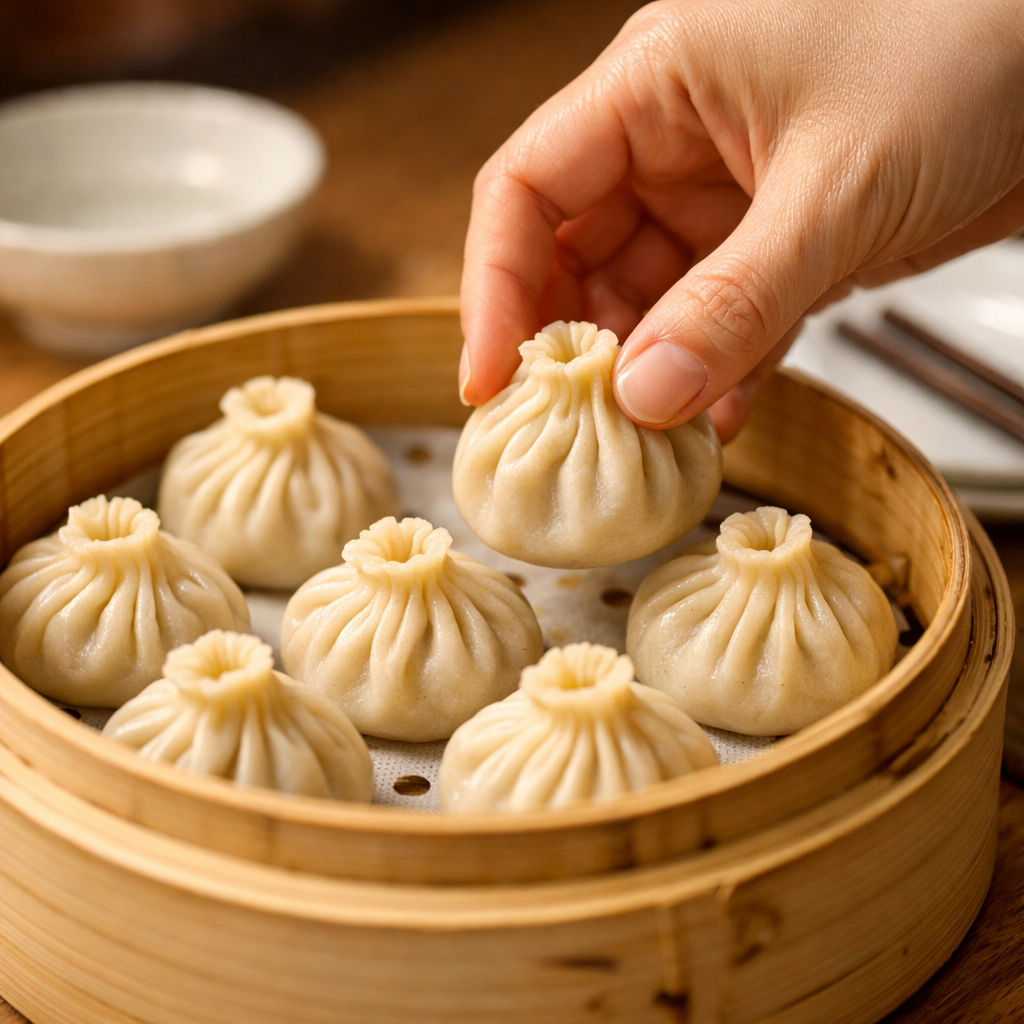
This authenticity demand creates opportunities for products that would have seemed too specialized a decade ago. Retailers now stock items like frozen hand-pulled noodles, soup dumpling kits with precise pleating, and regional sauce varieties that showcase China’s diverse culinary landscape. Consumers demonstrate willingness to pay premium prices for genuine products with compelling origin stories.
Packaging innovation drives purchase decisions across demographic segments. Millennials and Gen Z consumers particularly value sustainability credentials, favoring products using recyclable or compostable materials. Single-serve portions appeal to smaller households, while bulk packaging serves families and food service operators. Resealable bags and compartmentalized meal kits reduce waste and enhance convenience.
Social media influence amplifies these trends. A viral TikTok video demonstrating soup dumpling preparation can generate immediate demand spikes. Retailers and producers who provide Instagram-worthy packaging and shareable cooking experiences gain significant competitive advantages in crowded markets.
Quality and Safety Fundamentals
Maintaining cold chain integrity represents the foundation of RTC Chinese food quality and safety. Temperature fluctuations during transport or storage can compromise texture, promote bacterial growth, and reduce shelf life. Products must remain at specified temperatures from production through consumption—a journey potentially spanning thousands of miles and multiple logistics providers. Failures in cold chain management can compromise quality and safety.
Sanitation protocols throughout the production process ensure microbial safety. Reputable Chinese producers implement HACCP systems, conduct regular pathogen testing, and maintain detailed sanitation records. These measures protect consumers while providing the documentation international buyers require for regulatory compliance and liability protection.
Traceability systems enable rapid response if issues arise. Modern producers maintain batch-level tracking from ingredient sourcing through finished product distribution. If a quality concern emerges, operators can quickly identify affected products, notify customers, and implement targeted recalls without disrupting entire product lines.
End-user cooking safety represents the final quality consideration. Clear instructions must specify cooking temperatures and times that ensure food safety while preserving quality. A frozen dumpling might require boiling for eight minutes to reach safe internal temperature—instructions must communicate this clearly across language and cultural barriers.
Supplier Ecosystem and Competition
The RTC Chinese food supplier ecosystem encompasses several distinct player categories. Large integrated producers operate modern facilities with international certifications, serving major retail chains and food service distributors. These companies invest heavily in R&D, packaging innovation, and quality systems that meet stringent international requirements.
Regional specialists focus on particular product categories—a Guangdong producer might specialize exclusively in dim sum varieties, while a Sichuan company concentrates on spicy prepared dishes and hotpot ingredients. These specialists often provide superior authenticity and flavor complexity but may require additional support for export compliance and logistics.
Distribution channels vary significantly by market. Direct relationships between producers and major retail chains work for high-volume standardized products. Specialized importers and distributors serve mid-market retailers and food service operators, providing value through market knowledge, warehousing, and consolidated shipments. E-commerce platforms increasingly connect producers directly with smaller specialty retailers globally. However, common importing mistakes can derail even the most promising distribution relationships.
The competitive landscape presents both challenges and opportunities. Established Western food companies are acquiring Chinese brands or developing their own RTC Chinese products, bringing significant marketing resources and distribution networks. However, these corporate players often struggle to match the authenticity and innovation of dedicated Chinese producers who understand regional flavor profiles and traditional techniques.
Industry challenges require strategic mitigation. Diverse regulatory landscapes across markets demand significant compliance expertise and investment. Producers must either develop in-house capabilities or partner with specialists who understand destination market requirements. Balancing flavor preservation with extended shelf life requires sophisticated freezing technology and ingredient selection—adding preservatives may extend shelf life but compromise the authentic taste that drives premium pricing.
Quick-Start Strategies for Market Entry
Successfully entering the ready-to-cook Chinese food market requires strategic focus on several key areas. Effective distributor onboarding processes ensure partners are equipped to handle product quality and compliance requirements. Investment in innovative packaging delivers immediate competitive advantage. Beyond basic functionality, packaging should tell the product’s story, showcase preparation simplicity, and address sustainability concerns. Interactive elements like QR codes linking to cooking videos create engagement opportunities that build brand loyalty.
Aligning labeling with target markets prevents costly delays and rework. Different regions have distinct requirements for language, nutritional formatting, allergen callouts, and origin claims. Investing in proper localization upfront costs less than managing compliance issues, recalls, or market access restrictions later.
Building a diverse product portfolio addresses varying consumer preferences and use occasions. Core items like dumplings and spring rolls establish category presence, while specialty products like regional sauce varieties or festival foods create differentiation and premium positioning. Seasonal rotation keeps offerings fresh and generates repeat purchases.
Quality consistency across production batches builds buyer confidence and simplifies logistics planning. Retailers and food service operators need reliable products that perform identically regardless of production date or facility. Investing in robust quality systems and supplier management pays dividends through reduced returns, complaints, and relationship friction.
Bridging East and West
The explosive growth in ready-to-cook Chinese food reflects more than changing consumer preferences—it represents a fundamental shift in how global markets engage with Chinese cuisine. Products that once seemed impossibly complex for retail distribution now fill freezer aisles worldwide, introducing millions to authentic regional flavors.
This transformation requires more than good products. It demands deep understanding of both Chinese culinary traditions and international market requirements. Producers need partners who can navigate regulatory complexity, optimize supply chains, and position products for maximum market impact.
At Jade Premium, we serve as that bridge—connecting authentic Chinese cuisine with global tables through comprehensive supply chain solutions and market expertise. Our presence across major Chinese production hubs and understanding of international retail dynamics enables us to identify exceptional products and transform them into export-ready offerings that succeed in demanding markets.
Whether you’re an international retailer seeking to expand your Asian food category, a food service operator looking to differentiate your menu, or a trading company building relationships with premium Chinese producers, the ready-to-cook revolution offers unprecedented opportunities. The race to stock these game-changing products is accelerating—and the winners will be those who combine authentic quality with professional execution.