
When diners gather around a bubbling hotpot, they’re not just sharing a meal—they’re experiencing a culinary tradition that has evolved over centuries. The aromatic broth, the perfectly sliced meats, the fresh vegetables, and those distinctive condiments all come together to create something magical. But here’s what most people don’t realize: the authenticity of that experience depends almost entirely on what happens long before the ingredients reach the table.
Your hotpot ingredients supply chain is the invisible foundation of every authentic dining experience. Get it right, and you deliver the genuine flavors that transport diners to the streets of Chongqing or the hutongs of Beijing. Get it wrong, and you’re serving a diluted imitation that disappoints even the most forgiving customers.
At Jade Premium, we’ve spent years perfecting the art and science of bringing authentic Chinese cuisine to global tables. Our philosophy has always been simple: natural, premium, and healthy products delivered through a supply chain that respects both tradition and modern quality standards. This commitment to ethical food sourcing China practices ensures every ingredient meets global expectations while preserving authentic production methods. We’ve learned that authenticity isn’t just about the final product—it’s about every single step that brings those ingredients from their source to your kitchen.
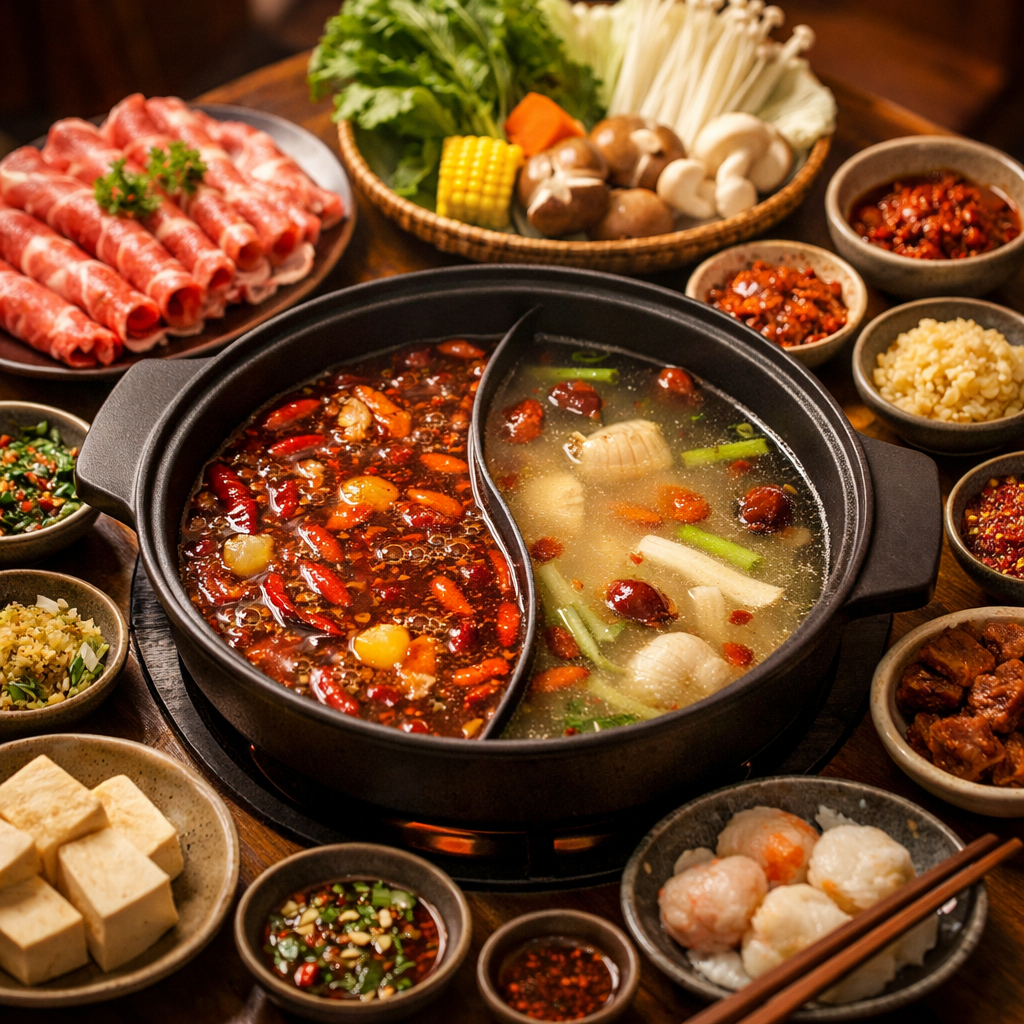
The Three Pillars That Define Authentic Hotpot Supply Chains
Building a supply chain that preserves authentic flavor requires more than just moving products from point A to point B. It demands a comprehensive approach built on three fundamental pillars that work together seamlessly.
Sourcing and Supplier Management: Where Authenticity Begins
The journey to authentic hotpot starts at the source. When we talk about sourcing, we’re not just discussing procurement—we’re talking about understanding the cultural and geographical significance of each ingredient. Sichuan peppercorns from Hanyuan taste fundamentally different from those grown elsewhere. The numbing sensation, the citrus notes, the complexity—these characteristics come from specific terroir and traditional cultivation methods.
Through our offices in Chengdu, Chongqing, and across China’s major food production centers, we’ve built relationships with suppliers who understand this heritage. These aren’t just vendors; they’re custodians of culinary traditions. A supplier in Chengdu might have been producing doubanjiang (fermented broad bean paste) using the same methods their family has employed for generations. That institutional knowledge and commitment to traditional techniques is impossible to replicate in mass production facilities.
But traditional methods alone aren’t enough for international markets. Suppliers must also meet rigorous international quality standards, maintain proper certifications, and demonstrate consistent production capabilities. Understanding China food export standards vs international requirements helps bridge the gap between domestic excellence and global compliance. This is where many supply chains break down. A producer might make exceptional chili oil, but if they can’t provide batch-to-batch consistency, proper documentation, or meet food safety requirements, they can’t serve global markets effectively.
Our approach combines respect for tradition with modern quality management. We verify supplier qualifications, conduct regular facility audits, and work closely with producers to help them meet international compliance requirements without compromising the authentic production methods that make their ingredients special. This dual focus ensures that when a restaurant in London receives our Sichuan hotpot base, it delivers the same authentic flavor profile as one served in Chengdu.
Cold Chain Integrity: Preserving Quality from Farm to Table
Here’s a truth that keeps supply chain managers awake at night: you can source the most authentic, highest-quality ingredients in the world, but if your cold chain fails, none of that matters. Temperature fluctuations during transport can destroy delicate flavor compounds, accelerate spoilage, and transform premium ingredients into mediocre ones.
The cold chain for hotpot ingredients presents unique challenges. Fresh meats must maintain specific temperature ranges. Certain vegetables require different storage conditions. Some condiments are shelf-stable, while others need refrigeration. Managing this complexity across international borders, multiple transportation modes, and varying climate conditions requires sophisticated logistics planning and real-time monitoring.
We’ve invested heavily in cold chain infrastructure and partnerships with logistics providers who understand these nuances. Every shipment is tracked using digital monitoring systems that record temperature, humidity, and handling conditions throughout the journey. These practices align with industry-leading cold chain logistics standards that protect product integrity across international borders. If a container experiences temperature deviation during ocean freight from Shanghai to Hamburg, we receive immediate alerts and can take corrective action before product quality is compromised.
This technology integration extends beyond monitoring. We use predictive analytics to optimize routing, anticipate potential disruptions, and ensure products spend minimal time in transit. The faster we can move authentic ingredients from source to destination while maintaining proper storage conditions, the better we preserve their quality and flavor.
But technology alone isn’t the answer. We’ve learned that successful cold chain management also requires deep operational knowledge and contingency planning. Port delays happen. Weather disrupts schedules. Regulatory inspections add unexpected time. Building buffer capacity, maintaining backup routing options, and working with reliable partners who share our commitment to quality helps us navigate these challenges without compromising product integrity.
Quality Assurance: The Guardian of Authenticity
Quality assurance in a hotpot ingredients supply chain means much more than checking boxes on a compliance form. It’s about maintaining the sensory characteristics that define authentic flavor—the texture of properly aged beef, the aroma of genuine star anise, the color of fresh bok choy.
We’ve developed comprehensive quality control protocols that span the entire supply chain. At the sourcing stage, we verify that ingredients meet our specifications for authenticity and quality. This might mean testing the capsaicin content of chili peppers, verifying the fat marbling in lamb cuts, or ensuring mushrooms come from specific growing regions known for superior quality.
During processing and packaging, we monitor for potential contamination, verify that traditional preparation methods are followed correctly, and ensure products are packaged appropriately for international shipping. For ready-to-cook products like hotpot bases, this includes taste testing to verify flavor profiles match authentic standards.
Pre-shipment inspections catch issues before products leave China. Our teams verify proper labeling, documentation accuracy, packaging integrity, and conduct final quality checks. This multilayered approach, supported by comprehensive compliance gap assessment protocols, significantly reduces the risk of substandard products reaching international markets.
Upon arrival at destination markets, we work with importers to conduct receiving inspections and maintain proper storage until products reach their final destinations. This end-to-end visibility ensures accountability and allows us to address any quality concerns quickly.
Real-World Challenges and How We Navigate Them
Theory is easy. Reality is messy. Building an authentic hotpot ingredients supply chain means confronting challenges that don’t appear in textbooks but can derail operations if not properly managed.
Supply Disruptions: When the Unexpected Happens
We learned valuable lessons during recent global supply chain disruptions. When port congestion threatened to delay shipments of time-sensitive ingredients, our diversified supplier network and strategic inventory positioning allowed us to maintain consistent supply. Instead of relying on a single source region, we work with multiple suppliers across different provinces. This geographic diversification provides flexibility when regional issues arise.
One of our European restaurant clients faced a crisis when their regular shipment of fresh hotpot vegetables was delayed. Because we maintain strong relationships with multiple suppliers and have established backup logistics routes, we arranged an alternative shipment from a different port that arrived with minimal delay. The restaurant’s hotpot service continued without interruption, and their customers never knew there had been a potential problem.
This kind of responsive service requires more than just having backup options—it demands real-time communication, decision-making authority distributed across our regional offices, and suppliers willing to accommodate urgent requests. Success in cross-cultural business negotiation environments depends on these trusted relationships and cultural understanding. These relationships aren’t built overnight; they’re cultivated through years of fair dealing, consistent business, and mutual respect.
Data Integration and Transparency: Building Trust Through Visibility
Modern buyers—whether they’re restaurant chains, importers, or food service operators—demand transparency. They want to know where ingredients come from, how they’re produced, and whether they meet ethical and sustainability standards. This transparency builds consumer trust and helps businesses differentiate themselves in competitive markets.
We’ve implemented digital traceability systems that allow customers to track products from origin to delivery. For example, a batch of hotpot beef can be traced back to specific farms, showing animal welfare practices, feed sources, and processing dates. This level of detail satisfies regulatory requirements, meets consumer expectations, and provides valuable data for quality management.
Integrating data across multiple suppliers, logistics providers, and regulatory systems presented significant technical challenges. Different systems, varying data formats, and inconsistent documentation practices all complicated efforts to create seamless traceability. We invested in custom integration solutions and worked closely with suppliers to standardize data collection and sharing practices.
The payoff has been substantial. When a food safety question arises, we can quickly identify affected batches, trace their distribution, and take corrective action. This traceability capability meets modern food safety expectations and regulatory requirements. When customers ask about sustainability practices, we can provide verifiable documentation rather than general assurances.
Sustainability and Ethical Sourcing: Meeting Rising Expectations
International buyers increasingly prioritize sustainability and ethical sourcing. They want to know that ingredients are produced using environmentally responsible methods, that workers are treated fairly, and that traditional communities benefit from commercial relationships.
This focus aligns perfectly with Jade Premium’s vision of building trust and understanding between Eastern and Western food markets. We actively seek suppliers who practice sustainable agriculture, minimize environmental impact, and maintain high labor standards. For hotpot ingredients, this might mean working with mushroom growers who use organic cultivation methods, or sourcing lamb from farms practicing responsible grazing management.
We’ve found that many traditional Chinese food producers already employ sustainable practices—they just haven’t formalized or documented them in ways that meet international certification requirements. Proper supplier verification in food imports processes help validate these authentic sustainable practices for international markets. Part of our role involves helping these producers understand what international markets expect and supporting them in obtaining relevant certifications without fundamentally changing their traditional production methods.
One Sichuan peppercorn supplier we work with has practiced sustainable forest management for generations, but lacked formal certification. We connected them with certification bodies, helped prepare documentation, and now they carry organic certification that opens doors to premium international markets. Their traditional practices remained unchanged; we simply helped them communicate those practices in language international buyers understand and trust.
The Trust Connection: Why Supply Chain Excellence Matters to Your Customers
Here’s what ultimately matters: consumers may never think about supply chains, but they absolutely notice when something isn’t right. They notice when meat doesn’t have the right texture. They notice when the broth lacks depth. And they notice when vegetables seem past their prime. And in today’s connected world, those observations quickly translate into online reviews and social media posts that can damage reputations built over years.
Conversely, when everything is perfect—when the beef melts in the broth, when the mushrooms have that perfect earthy flavor, when the condiments deliver authentic Sichuan heat—customers become advocates. They return repeatedly, recommend your restaurant to friends, and become part of your success story.
This connection between supply chain excellence and customer satisfaction isn’t abstract. We’ve seen restaurants transform their reputation by upgrading their ingredient quality. One European hotpot chain we work with had been using locally sourced substitutes for traditional Chinese ingredients to save costs. Their reviews consistently mentioned that the food was “okay” but not authentically Chinese. After switching to our authentic ingredient supply chain, their review scores improved significantly. Customers specifically mentioned the improved flavor and authenticity in their feedback.
The supply chain investment paid for itself through increased customer retention, higher average check sizes, and positive word-of-mouth marketing that reduced their customer acquisition costs.
Jade Premium’s Role: Curating Authentic Experiences for Global Markets
As a bridge connecting authentic Chinese cuisine with global markets, our role goes beyond simple logistics. We’re curators who understand both the cultural significance of Chinese traditional foods export and the practical requirements of international food service operations.
This dual understanding allows us to identify exceptional producers whose products have genuine global appeal, then help them navigate the complex path to international markets. For buyers, we provide access to authentic ingredients they couldn’t easily source independently, backed by comprehensive quality assurance and supply chain management that reduces their risk and operational complexity.
Our commitment to natural, premium, and healthy products reflects in every supplier relationship we build and every shipment we manage. We don’t take shortcuts that compromise quality. We don’t substitute inferior ingredients to increase margins. And we don’t make promises we can’t keep.
This integrity matters because in food trade, trust is everything. International buyers trusting us to deliver authentic products that meet their specifications and arrive in perfect condition. Suppliers trusting us to represent their products accurately and build sustainable business relationships. Ultimately, consumers trusting that when they order hotpot at their favorite restaurant, they’re getting an authentic experience worth their money and time.
Your hotpot ingredients supply chain can be either a competitive advantage that differentiates your offering and builds customer loyalty, or a weak link that undermines quality and damages reputation. The choice seems obvious, but executing successfully requires expertise, investment, and unwavering commitment to quality.
At Jade Premium, we’ve built our business around making that execution seamless for our partners. By managing the complexity of international food trade, maintaining rigorous quality standards, and preserving the authentic flavors that make Chinese hotpot special, we help restaurants and food service operators deliver exceptional experiences to their customers.
Because ultimately, that’s what matters most—bringing authentic Chinese cuisine to global tables, one perfect hotpot experience at a time.