
- The Geographic Gift: Why Jiangxi's Lotus Seeds Stand Apart
- Ancient Wisdom Meets Modern Wellness: The Traditional Perspective
- Contemporary Health Benefits: Why Modern Science Is Paying Attention
- Culinary Versatility: From Traditional Desserts to Contemporary Creations
- Selection and Storage: Maintaining Premium Quality
- The Cultural Context: Understanding Jiangxi's Lotus Seed Heritage
- Your Gateway to Authentic Chinese Wellness Ingredients
- Source Premium Jiangxi White Lotus Seeds
There’s a quiet revolution happening in health-conscious kitchens across Europe, North America, and beyond. International buyers and food service operators are discovering what Chinese wellness traditions have known for centuries: fresh lotus seeds aren’t just another ingredient—they’re a naturally vegan superfood with remarkable versatility and genuine health benefits. And when these lotus seeds come from Jiangxi Province, particularly from the renowned lotus heartland of Guangchang County, you’re looking at something truly special.
For international importers and retailers seeking authentic Chinese ingredients that resonate with modern wellness trends, Jiangxi’s fresh white lotus seeds represent a perfect intersection of tradition, quality, and contemporary health consciousness. These delicate, ivory-colored seeds are making their way onto restaurant menus, into retail health food sections, and into the homes of consumers who prioritize natural, plant-based nutrition. The question isn’t whether lotus seeds deserve a place in your product lineup—it’s why you haven’t discovered them yet.
The Geographic Gift: Why Jiangxi’s Lotus Seeds Stand Apart
Not all lotus seeds are created equal, and geography matters tremendously when it comes to quality. Jiangxi Province, located in southeastern China, enjoys a unique combination of climatic and environmental conditions that create an ideal lotus-growing ecosystem. The region experiences abundant rainfall, moderate temperatures, and fertile soil enriched by centuries of natural mineral deposits. These conditions aren’t just favorable—they’re transformational.
Guangchang County, often called “China’s White Lotus Hometown,” has been cultivating lotus for over a thousand years. The county’s lotus paddies benefit from pristine water sources flowing from surrounding mountains, creating an environment where lotus plants thrive without heavy intervention. In 2024 alone, Guangchang produced 9,500 tons of premium white lotus seeds valued at 860 million yuan, a testament to both the scale and economic significance of this agricultural treasure.
What makes Guangchang’s lotus seeds exceptional? Size, sweetness, and fragrance. The seeds are notably larger than those from other regions, with a natural sweetness that eliminates the need for added sugars in most preparations. The delicate fragrance—subtle yet distinctive—elevates any dish they’re added to. When you source fresh lotus seeds from this region, you’re not just buying an ingredient; you’re accessing a geographic indication of quality that discerning international consumers increasingly recognize and value.

For international buyers, this geographic specificity provides a powerful story to tell. In an era where consumers want to know not just what they’re eating but where it comes from and why it matters, Jiangxi lotus seeds offer an authentic narrative backed by centuries of cultivation expertise and natural advantages.
Ancient Wisdom Meets Modern Wellness: The Traditional Perspective
In Traditional Chinese Medicine (TCM), fresh lotus seeds have been treasured for their ability to nourish the body holistically. While we always recommend consulting healthcare professionals for medical advice, understanding the traditional perspective helps explain why these seeds have maintained their cultural significance for millennia.
TCM practitioners traditionally view lotus seeds as having gentle, nourishing properties that support the spleen and heart. The spleen, in TCM theory, plays a crucial role in digestive health and energy transformation, while heart nourishment relates to emotional balance and restful sleep. Fresh lotus seeds are considered cooling in nature, making them particularly valued during warmer seasons or for those seeking balance in their wellness routines.
What’s particularly interesting for international markets is how these traditional uses align surprisingly well with contemporary wellness interests. The emphasis on digestive support resonates with the growing global focus on gut health. The connection to emotional balance and sleep quality speaks directly to modern concerns about stress management and sleep disorders affecting millions worldwide.
The traditional preparation methods also offer insights for modern culinary applications. Lotus seeds were typically added to nourishing soups, sweet congees, and herbal desserts—preparations that allowed their subtle sweetness and soft texture to shine. These cooking methods preserved the seeds’ nutritional value while creating comforting dishes that served both gustatory and wellness purposes.
For food service operators looking to create menu items with authentic Chinese wellness credentials, incorporating fresh lotus seeds provides both cultural authenticity and a genuine connection to centuries-old nutritional wisdom. This isn’t about making medical claims—it’s about honoring a food tradition that has stood the test of time because people genuinely felt its benefits.
Contemporary Health Benefits: Why Modern Science Is Paying Attention
Beyond traditional applications, modern nutritional analysis reveals why fresh lotus seeds deserve their superfood status. With approximately 18 grams of protein per 100 grams, these seeds serve as an excellent protein source for vegetarian, vegan, and flexitarian diets. This protein density is particularly valuable for international buyers serving markets where plant-based protein sources are increasingly sought after.
The nutritional profile extends far beyond protein. Lotus seeds are rich in B vitamins, particularly B1 (thiamine) and B6 (pyridoxine), which support energy metabolism and nervous system function. They’re also a good source of minerals including phosphorus, potassium, and magnesium—nutrients that support bone health, cardiovascular function, and numerous cellular processes.
The antioxidant content of lotus seeds has garnered scientific interest. Research on Chinese lotus seedpods has indicated remarkable antioxidant activity, suggesting high potential as functional food ingredients. Antioxidants help protect cells from oxidative stress, which is linked to various aspects of aging and cellular health. While most research has focused on seedpods, the seeds themselves contain beneficial compounds including alkaloids and flavonoids.
For skin health enthusiasts, lotus extract’s high content of Vitamin B and C, iron, and protein contributes to maintaining healthy, clear skin. The antioxidants present in lotus may also support skin’s natural defenses against environmental stressors. This creates opportunities for marketing lotus seed-based desserts and beverages to beauty-conscious consumers who understand that nutrition impacts skin appearance.
The potential sleep support properties traditionally attributed to lotus seeds are now being examined through a modern lens. Some components in lotus seeds may promote relaxation and support healthy sleep patterns, though more research is needed. For international buyers, this represents an opportunity to position lotus seed products within the growing sleep wellness category—without making unsupported medical claims.
What makes fresh lotus seeds particularly appealing is their nutrient density without heaviness. They provide substantial nutrition while remaining easily digestible and gentle on the system. This makes them ideal for inclusion in health-focused menus, meal replacements, and wellness-oriented food products.
Culinary Versatility: From Traditional Desserts to Contemporary Creations
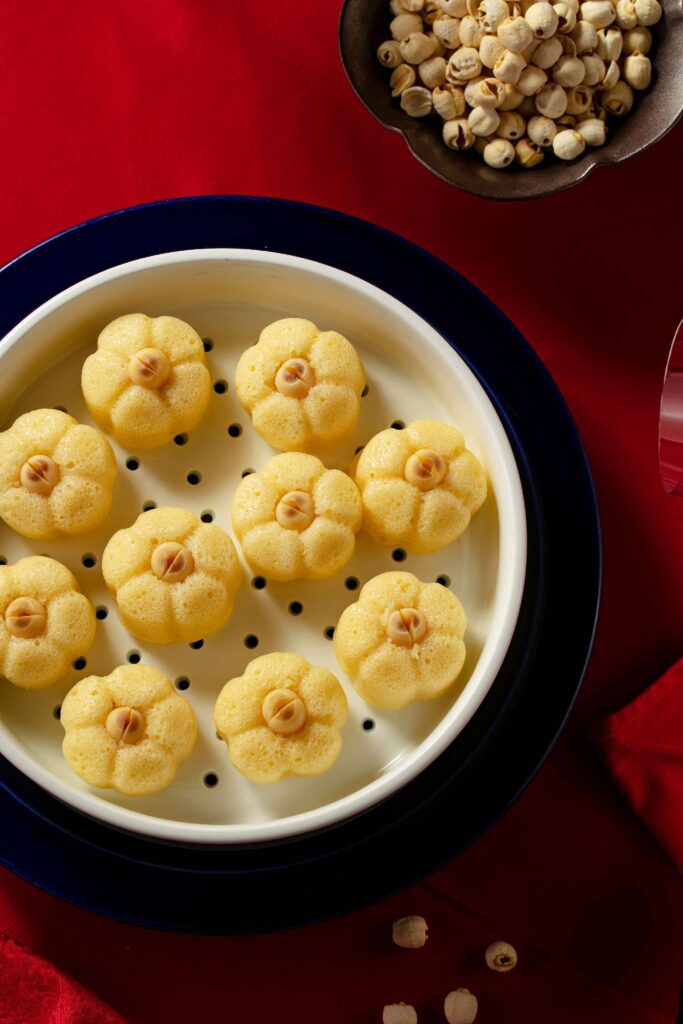
One of fresh lotus seeds’ greatest advantages for food service operators and international buyers is their remarkable versatility. These seeds adapt beautifully to both traditional Chinese preparations and contemporary international cuisine, making them valuable for diverse market segments.
In Traditional Chinese Desserts and Soups:
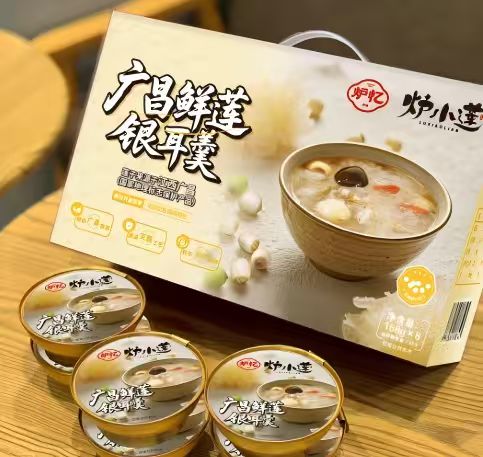
Fresh lotus seeds are fundamental to classic Chinese sweet soups and desserts. When combined with tremella (snow fungus), which acts as a natural vegan gelatin, lotus seeds create silky, nutritious desserts that appeal to health-conscious consumers. The combination provides complementary textures—the slight firmness of lotus seeds against the gelatinous smoothness of tremella—while the natural sweetness means minimal added sugar is needed.
Lotus seed and red date soup represents another classic preparation beloved across Chinese communities. The seeds’ subtle flavor allows the natural sweetness of dates to shine while contributing their own delicate notes. This combination also offers visual appeal: the ivory lotus seeds and deep red dates create striking color contrast in serving bowls.
For congee preparations, lotus seeds add substance and nutritional value while maintaining the comforting, easily digestible nature of this traditional breakfast dish. The seeds absorb the flavors of the cooking liquid while releasing their own subtle sweetness, creating harmonious flavor profiles that comfort without overwhelming.
Preparation Methods:
Working with fresh lotus seeds is remarkably straightforward. Unlike dried lotus seeds that require soaking and often have bitter cores that must be removed, fresh lotus seeds are ready to use with minimal preparation. Simply rinse them gently, and they’re ready for cooking.
For soups and desserts, add fresh lotus seeds during the last 20-30 minutes of cooking. They should be tender but retain slight firmness—overcooking can make them mushy and diminish their appealing texture. When preparing sweet soups, consider adding lotus seeds after your liquid base has developed its flavor but before final simmering.
In congee or porridge preparations, add fresh lotus seeds about halfway through the cooking process. This timing allows them to soften appropriately while maintaining their structure and not disintegrating into the congee base.
Contemporary Applications:
Creative chefs and product developers are finding innovative ways to incorporate lotus seeds beyond traditional recipes. Fresh lotus seeds work beautifully in:
- Vegan protein bowls, adding plant-based protein and interesting texture
- Smoothie bases, when lightly cooked and blended
- Salad toppings, offering unexpected crunch and subtle sweetness
- Fusion desserts combining Asian and Western elements
- Health-focused snack mixes after light roasting
- Dairy-free puddings and mousses when pureed with coconut milk
The seeds’ neutral-sweet flavor profile makes them incredibly adaptable. They don’t compete with other ingredients but rather enhance and complement surrounding flavors. This versatility is particularly valuable for international buyers developing products for diverse markets with varying taste preferences.
Selection and Storage: Maintaining Premium Quality
For international importers and retailers, understanding how to select and maintain fresh lotus seed quality is essential for delivering optimal products to end consumers.
Selection Criteria:
When sourcing fresh lotus seeds, look for these quality indicators:
- Size and Plumpness: Premium seeds from Guangchang should be large and well-formed, with consistent sizing that indicates careful cultivation and harvest timing
- Color: Fresh, high-quality lotus seeds exhibit an ivory to light cream color—bright white may indicate bleaching, while yellowing suggests age or improper storage
- Fragrance: Quality fresh lotus seeds emit a subtle, clean fragrance that’s slightly sweet without any musty or off odors
- Texture Firmness: Seeds should feel firm but not rock-hard, indicating appropriate moisture content
- Surface Condition: Look for smooth, unblemished surfaces without visible damage or discoloration
The branding “Lu Xiaolian” has become synonymous with premium Guangchang lotus seeds in Chinese markets. This branding signifies adherence to traditional cultivation methods, optimal harvest timing, and careful post-harvest handling. For international buyers, sourcing products bearing such quality certifications provides assurance and marketing advantages.
Storage Guidelines:
Fresh lotus seeds require proper storage to maintain their quality characteristics:
- Refrigeration: Store fresh lotus seeds in refrigerated conditions at 2-4°C (36-39°F) to maintain freshness
- Moisture Control: Keep seeds in breathable containers or bags that prevent excess moisture accumulation while preventing drying out
- Limited Air Exposure: While seeds need some air circulation, minimize unnecessary exposure to prevent oxidation
- Shelf Life: Properly stored fresh lotus seeds maintain optimal quality for approximately one week; for longer storage, consider processed or frozen options
- Freezing Option: For extended storage, fresh lotus seeds can be lightly blanched and frozen, maintaining quality for several months
For international trade, work with suppliers who understand cold chain logistics and can maintain quality from harvest through to your facility. Companies like Jade Premium, with extensive experience in Chinese food exports and comprehensive supply chain management, can ensure lotus seeds arrive in premium condition regardless of destination.
The Cultural Context: Understanding Jiangxi’s Lotus Seed Heritage
Understanding the cultural and market context of Jiangxi’s lotus seed production enriches the story international buyers can tell and deepens appreciation for this remarkable ingredient.
Guangchang County’s lotus cultivation represents more than agricultural production—it’s a living cultural heritage passed through generations. Families have cultivated the same lotus paddies for centuries, developing intimate knowledge of water management, harvest timing, and traditional processing techniques that modern mechanization can’t fully replicate.
The significance of lotus in Chinese culture extends beyond nutrition. The lotus flower symbolizes purity and enlightenment in Buddhism, rising from muddy waters to bloom unblemished. This symbolism elevates lotus-based dishes beyond mere food into something carrying deeper meaning—a narrative that resonates particularly well in premium market segments where consumers seek products with authentic stories.
Recent innovations are preserving traditional quality while meeting modern production needs. Space-bred lotus varieties developed through aerospace technology have enhanced yield and disease resistance while maintaining the flavor and nutritional characteristics that make Guangchang lotus seeds exceptional. In 2024, these innovations helped drive rural economic development while ensuring consistent supply for growing domestic and international demand.
For international buyers, this combination of tradition and innovation creates an ideal sourcing scenario: you access centuries of cultivation expertise backed by modern quality control and production capacity. The result is a product that satisfies both artisanal authenticity and commercial scalability requirements.
The freshness factor particularly distinguishes premium Jiangxi lotus seeds. Traditional processing techniques have been refined to preserve the seeds’ natural characteristics while extending usability. The careful balance between maintaining freshness and ensuring stability during international shipping requires expertise that experienced exporters provide.
Your Gateway to Authentic Chinese Wellness Ingredients
Fresh lotus seeds from Jiangxi represent far more than another specialty ingredient—they’re a window into Chinese food culture, a nutritionally dense vegan superfood, and a versatile component for countless culinary applications. For international buyers, importers, and food service operators, they offer an opportunity to provide customers with authentic, premium Chinese ingredients that align perfectly with contemporary wellness trends.
The combination of Jiangxi’s geographic advantages, centuries of cultivation expertise, genuine nutritional benefits, and remarkable culinary versatility makes these lotus seeds worthy of serious consideration for your product lineup. Whether you’re sourcing for retail health food sections, developing restaurant menu items, or creating innovative food products, fresh lotus seeds offer differentiation and authentic value.
Working with experienced partners who understand both Chinese food production and international market requirements is essential for success. Companies like Jade Premium, with comprehensive knowledge of Chinese culinary traditions, established supplier relationships across China, and expertise in navigating international food regulations, serve as trusted bridges connecting authentic Chinese ingredients with global markets.
As you explore opportunities in the growing market for plant-based, nutritionally dense, and culturally authentic ingredients, consider how Jiangxi’s fresh lotus seeds might enhance your offerings. These small ivory seeds carry within them centuries of tradition, demonstrable nutrition, and versatile applications that span from traditional Chinese desserts to contemporary fusion cuisine.
The global health kitchen revolution isn’t just about following trends—it’s about discovering genuinely valuable ingredients that nourish both body and cultural understanding. Fresh lotus seeds from Jiangxi Province check every box: vegan, nutrient-rich, versatile, and backed by both traditional wisdom and modern nutritional science. The question now is how you’ll incorporate them into your vision for premium, health-focused food offerings that connect global consumers with the authentic tastes and traditions of Chinese cuisine.
Source Premium Jiangxi White Lotus Seeds
Looking to expand your vegan or health food portfolio with authentic Jiangxi white lotus seeds? Explore verified suppliers offering export-ready specifications, certifications, and bulk pricing options.