
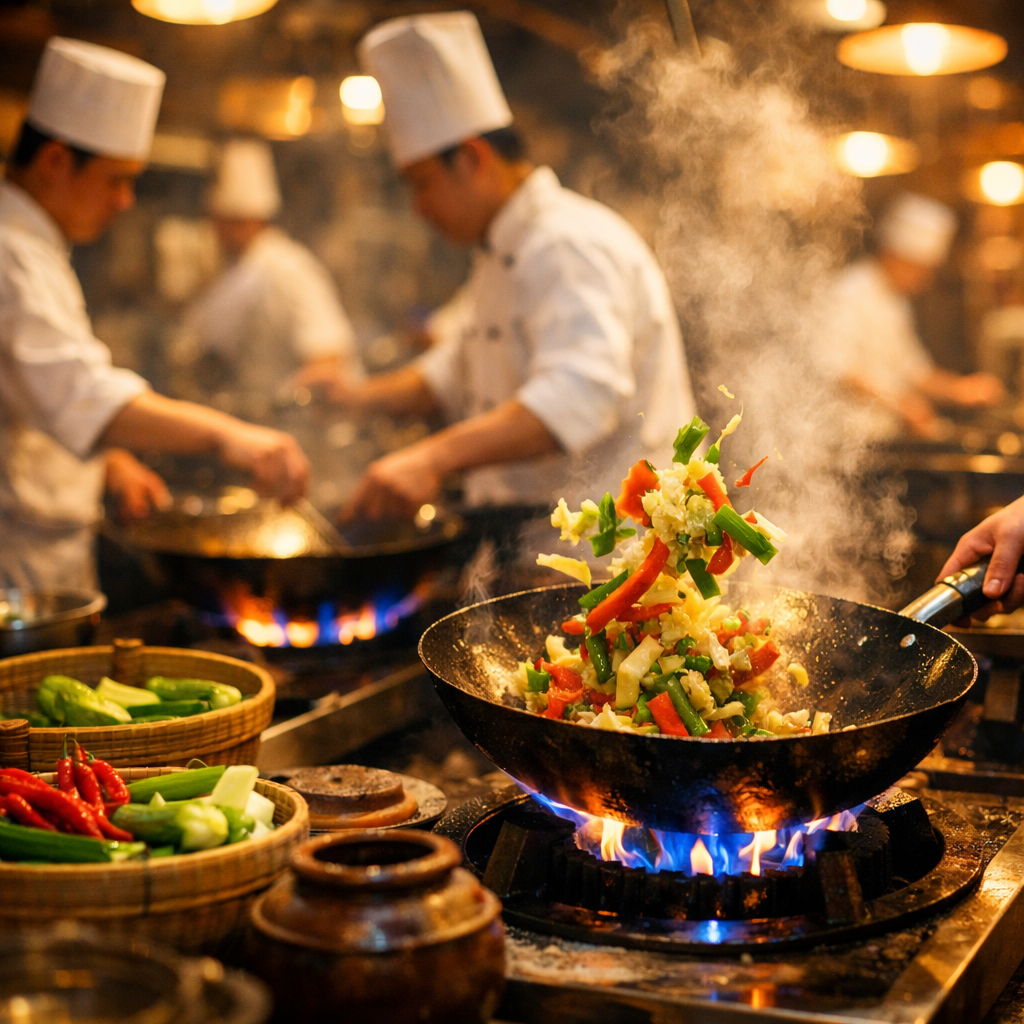
Close your eyes for a moment and imagine walking into a bustling kitchen in Guangzhou. The air is thick with the intoxicating aroma of ginger and garlic sizzling in hot oil. You hear the distinctive whoosh of flames licking the bottom of a well-seasoned wok, and then—there it is—that unmistakable fragrance of soy sauce meeting high heat, creating caramelized notes that make your mouth water instantly. The vegetables glisten with a glossy sheen, their vibrant greens and reds popping against the backdrop of tender, perfectly cooked protein. This is authentic Chinese cuisine at its finest, and in 2026, it’s time for your kitchen to master these same flavors.
In 2026, more global consumers are moving beyond takeout—choosing to recreate authentic international cuisines in their own kitchens. The Chinese Cooking Challenge 2026 isn’t just another cooking trend—it’s an invitation for international buyers, food service operators, and culinary enthusiasts worldwide to dive deep into the authentic flavors that have captivated billions for thousands of years. Whether you’re a restaurant owner looking to expand your menu offerings or a passionate home cook eager to recreate the dishes you’ve fallen in love with during your travels, this challenge represents an opportunity to truly understand what makes Chinese cuisine so extraordinary. But here’s the truth: you can’t achieve authentic flavors without authentic ingredients. This is exactly why so many home cooks feel their Chinese dishes are “missing something.” It’s rarely technique—it’s the pantry..
Understanding the Beautiful Complexity of Regional Chinese Cuisine
Here’s something many people outside China don’t realize: “Chinese food” isn’t one thing. It’s like saying “European food” and expecting French cuisine to taste like Greek moussaka. China’s vast geography and diverse climate zones have given birth to remarkably distinct regional cuisines, each with its own personality, techniques, and ingredient profiles.
Take Cantonese cuisine from Guangdong Province, for instance. This is the subtle, elegant cousin of the Chinese food family. Cantonese chefs are masters of preserving the natural flavors of fresh ingredients through techniques like steaming and quick stir-frying. Their sauces are light but complex—think delicate oyster sauce glazes on perfectly blanched vegetables or the gentle sweetness of hoisin in char siu pork. The philosophy here is simple: let premium ingredients speak for themselves.
Now travel inland to Sichuan Province, and you’re entering a completely different flavor universe. Sichuan cuisine is bold, unapologetic, and absolutely addictive. The famous málà (numbing-spicy) flavor profile comes from the marriage of dried red chilies and Sichuan peppercorns, creating a tingling sensation on your tongue that’s both challenging and strangely comforting. A proper Sichuan hotpot base contains beef tallow, multiple varieties of dried chilies, fermented broad bean paste (doubanjiang), and at least a dozen spices working in harmony.
Head east to Jiangsu Province, where dishes lean refined and slightly sweet. Jiangsu cuisine, particularly the Huaiyang style, is known for knife skills that would make any chef jealous and cooking techniques that require patience and precision. Red-braised pork belly (hong shao rou) from this region achieves that perfect balance of sweet, savory, and melt-in-your-mouth tender through slow braising with rock sugar, Shaoxing wine, and premium soy sauce.
Then there’s Hunan cuisine—Sichuan’s equally fiery but distinct neighbor. While Sichuan brings numbing heat, Hunan delivers pure, aggressive spiciness through fresh chilies and pickled ingredients. The acidity and fermentation play larger roles here, creating dishes with layers of complex, lip-smacking flavors.
At Jade Premium, we understand that authenticity starts with sourcing ingredients that truly represent these regional traditions. Our network spans across China’s major culinary centers, connecting international buyers with suppliers who’ve been perfecting their craft for generations. We don’t just ship products; we deliver the essence of regional Chinese cooking to your doorstep, ensuring that when you attempt a classic Cantonese steamed fish or a fiery Hunan stir-fry, you’re working with ingredients that Chinese chefs themselves would recognize and approve.
The Five Essential Ingredients You Absolutely Need
Before diving into individual ingredients, it’s worth exploring a curated sourcing hub like Jade Premium, where international buyers can access verified Chinese ingredient suppliers in one place.
👉 Browse the full ingredient collection here
Instead of guessing which brands are authentic, you can source directly from producers who specialize in traditional sauces, dried goods, and regional staples.
Let’s get practical. Before you commit to the Chinese Cooking Challenge 2026, your pantry needs these foundational ingredients. These aren’t optional—they’re the difference between food that tastes vaguely Asian and cuisine that would earn a nod of respect in a Shanghai home kitchen.
First, you need both light and dark soy sauces. Notice that’s plural—sauces. Many Western kitchens make the mistake of buying one bottle of generic “soy sauce” and calling it done. In authentic Chinese cooking, light soy sauce (shēng chōu) provides saltiness and umami, while dark soy sauce (lǎo chōu) contributes color, body, and a subtle sweetness. A classic red-braised dish without dark soy sauce will taste fine but look pale and unappetizing. The visual appeal matters in Chinese cuisine—we eat first with our eyes.
Second, Shaoxing wine is non-negotiable. This fermented rice wine from Zhejiang Province does something magical to proteins—it eliminates fishy or gamey flavors while adding depth and aromatic complexity. When chicken, pork, or seafood meets Shaoxing wine in a hot wok, chemical reactions occur that simply can’t be replicated with dry sherry or cooking wine from your local supermarket. Jade Premium works with suppliers who produce Shaoxing wine using traditional methods, aged in clay vessels until it develops that perfect amber color and nutty aroma.
Third, invest in quality Chinese vinegars. You’ll want both Chinkiang black vinegar (for its complex, almost balsamic-like depth) and rice vinegar (for lighter, brighter applications). Black vinegar transforms dumpling dipping sauces and adds soul to braised dishes. It’s that secret ingredient that makes you wonder, “What is that amazing flavor?” when you’re eating at an authentic Chinese restaurant.
Fourth, fermented pastes are your flavor shortcuts. Specifically, get quality doubanjiang (Pixian broad bean paste from Sichuan), tianmianjiang (sweet wheat paste), and if you’re feeling adventurous, fermented black beans. These fermented products are flavor bombs developed over weeks or months of careful bacterial cultivation. A tablespoon of authentic Pixian doubanjiang contains more complexity than a dozen individual spices you could try to combine yourself. These pastes are the foundation of countless Sichuan and northern Chinese dishes.
Fifth, fresh aromatics are crucial, but you need the right ones. Stock up on fresh ginger (always), garlic (obviously), scallions (buy bunches), and cilantro. But also seek out Chinese garlic chives (with their flat leaves and distinct garlic-forward flavor) and fresh Sichuan peppercorns if you can find them. The aromatics create the base layer of fragrance that defines Chinese cooking.
Where do you find these premium ingredients? Jade Premium has built relationships with producers across China who meet international quality standards while maintaining traditional production methods. Our online network connects international buyers directly with verified suppliers, ensuring you receive products that are both authentic and compliant with your local food safety regulations. We’ve done the difficult work of vetting suppliers, checking certifications, and establishing quality control protocols so you can cook with confidence.
Mastering the Techniques That Make Dishes Come Alive
Ingredients are only half the story. The real magic of Chinese cooking lies in techniques that have been refined over centuries. Let’s talk about the most important one: wok hei, or “breath of the wok.”
Walk into any professional Chinese kitchen, and you’ll immediately notice something—the heat is intense. Wok hei is that slightly smoky, almost charred flavor that comes from cooking at extremely high temperatures in a seasoned wok. When food hits a properly heated wok, it should sizzle aggressively. The Maillard reaction occurs in seconds, creating complex flavors and that distinctive aroma that makes your neighbors jealous.
Here’s the secret: most home stoves don’t get hot enough. Commercial wok burners produce 100,000+ BTUs, while your home range tops out around 15,000 BTUs. Does this mean you can’t achieve wok hei at home? Not at all, but you need to adjust your technique. Cook smaller batches, preheat your wok until a drop of water evaporates instantly, and keep ingredients moving constantly. The goal is maximum surface contact between food and hot metal in the shortest time possible.
Building proper stock and sauce bases is equally crucial. In Chinese cooking, you’ll often prepare a “master stock” that gets richer over time as you repeatedly use it for braising. Similarly, learning to balance the “three-sauce” combination (soy sauce, Shaoxing wine, and vinegar in various proportions) opens up dozens of regional dishes. Jade Premium’s commitment to providing authentic ingredients ensures that when you’re building these foundational flavors, you’re working with components that behave the way Chinese recipes expect them to.
Let’s talk workflow and mise en place—having everything prepped before you start cooking. Chinese stir-frying happens fast, often in under five minutes. You don’t have time to chop garlic while your vegetables are burning. Professional Chinese chefs spend hours on prep to achieve those lightning-fast cooking times. Slice your proteins against the grain, velvet them if necessary (coating in egg white and cornstarch), prepare aromatics, mix sauce combinations, and have everything within arm’s reach before the wok heats up.
Heat management is an art. You’re not just “cooking on high.” You’re modulating between searing heat for proteins, medium-high for vegetables, and lower heat for aromatics that need to release fragrance without burning. This dance between temperatures is what separates good Chinese cooking from great Chinese cooking.
Equipping Your Kitchen for Success
Let’s address the equipment question because yes, it matters. You don’t need an expensive kitchen remodel, but certain tools will dramatically improve your results.
A proper carbon-steel wok is essential. Forget non-stick; you need a wok that can handle high heat and develop seasoning over time. A 14-inch round-bottom wok is ideal, though flat-bottom versions work better on most Western stoves. Before first use, season it properly—this creates a natural non-stick surface and prevents rust. A well-seasoned wok becomes a family heirloom.
Invest in a sharp Chinese chef’s knife (cai dao). The rectangular blade might look intimidating, but it’s incredibly versatile—chopping, slicing, crushing garlic, transferring ingredients, even tenderizing meat with the flat side. Chinese chefs accomplish with one cai dao what Western cooks need five different knives to achieve.
A bamboo steamer is your gateway to an entire category of Chinese cuisine. From delicate dim sum to whole fish to Chinese sausage, steaming preserves nutrients and creates textures impossible to achieve through other cooking methods. The bamboo allows excess moisture to escape while maintaining optimal humidity.
A heavy-bottomed stock pot for braising and soup-making rounds out your essential equipment. Long, slow cooking in liquid is fundamental to Chinese cooking—think about those melt-in-your-mouth braised dishes where the sauce has reduced to a glossy, intensely flavored coating.
Don’t overlook smaller tools: a spider strainer for blanching vegetables, a Chinese ladle for stirring in the wok, and good heat-resistant spatulas. These aren’t expensive, but they make the cooking process smoother and more efficient.
The Challenge Levels: From Beginner to Authentic Mastery
Ready to begin your Chinese Cooking Challenge 2026 journey? Here’s your practical roadmap:
Level 1: Upgrade Your Stir-Fry. Start simple. Replace generic soy sauce with premium light and dark soy sauces. Add Shaoxing wine.
👉 Immediate result: deeper flavor, better color, more authentic aroma.
Level 2: Master Braising and Soup. Use dried ingredients like mushrooms, black fungus, and Chinese herbs.
👉 This is where real Chinese depth begins.
Level 3: Recreate Regional Classics. Try Sichuan mapo tofu or Cantonese steamed fish using authentic ingredients.
👉 Now you’re cooking like a local, not just following a recipe.
Remember, Chinese cooking rewards practice and patience. Your first few attempts might not look Instagram-perfect, and that’s completely fine. Chinese grandmothers don’t consult recipe apps—they’ve internalized techniques through repetition. You’re building muscle memory, training your palate, and developing intuition about when heat should be raised or lowered, when a sauce needs more vinegar, or when that pork belly is perfectly tender.
At Jade Premium, we’re not just supplying ingredients; we’re building a community of global Chinese cuisine enthusiasts who understand that authentic cooking requires authentic components. Our philosophy centers on connecting international buyers with the real China—the producers who grow premium Sichuan peppercorns in mountain regions, the families who’ve been fermenting doubanjiang for five generations, the vinegar makers who age their products in traditional clay vessels.
The Chinese Cooking Challenge 2026 is your opportunity to go beyond takeout and truly understand one of the world’s greatest culinary traditions. When you source quality ingredients, invest time in learning proper techniques, and approach Chinese cooking with curiosity and respect, you’re not just making dinner—you’re participating in a living cultural tradition that’s nourished families and communities for millennia.
Start your journey today. Stock your pantry with authentic ingredients. Practice your knife skills. Heat that wok until it smokes. And when you take that first bite of a dish you’ve cooked with proper technique and premium ingredients, you’ll understand why Chinese cuisine has captivated the world.
We invite you to share your Chinese Cooking Challenge 2026 experiences with us. Tag Jade Premium when you post your culinary creations, share your struggles and victories, and ask questions. We’re here to support your journey from curious cook to confident practitioner of authentic Chinese cuisine. Because great cooking starts with great ingredients, and great ingredients start with trusted partnerships—partnerships that Jade Premium has spent years cultivating across China’s diverse culinary landscape.
Your kitchen is about to become infinitely more delicious. Let’s cook.