
Picture this: you’re sitting at a trendy plant-based restaurant, fork hovering over what looks suspiciously like a perfectly seared crab cake. You take a bite. The texture is flaky, the flavor unmistakably oceanic with those sweet, briny notes you’d swear came from the sea. Plot twist—there isn’t a single crustacean involved. Welcome to the wild world of Lion’s Mane mushrooms, the fungi that’s pulling off the greatest seafood heist since someone convinced us sushi could be made with rice and vegetables.
These shaggy, ivory-colored mushrooms—resembling a lion’s mane or perhaps your grandfather’s untamed beard—are quietly revolutionizing clean label vegan food across the globe. International buyers sourcing from China are discovering what adventurous chefs have known for years: Lion’s Mane mushrooms possess an uncanny ability to mimic the meaty texture and subtle seafood notes of crab, lobster, and scallops. The irony? You’re enjoying all the oceanic pleasure without depleting fish stocks, dealing with shellfish allergies, or wondering if your dinner contained microplastics. It’s seafood theater at its finest, and the mushroom is winning an Oscar for Best Supporting Ingredient.
For importers and retailers seeking authentic vegan Chinese food without additives, Lion’s Mane represents the holy grail of plant-based Asian cuisine. These mushrooms naturally deliver what food scientists spend millions trying to replicate in labs: genuine texture, subtle umami, and that elusive “mouthfeel” that makes you temporarily forget you’re eating something that grew on a log. In markets from London to Los Angeles, Bangkok to Berlin, consumers are biting into Lion’s Mane “crab” cakes and pausing mid-chew, eyebrows raised in pleasant disbelief. That’s the power of clean label innovation meeting ancient Chinese culinary wisdom.
The Meaty Truth Behind the Mushroom Magic
Here’s where things get genuinely interesting for food service operators and international buyers looking for healthy Chinese ready meals with a competitive edge. Lion’s Mane mushrooms aren’t just a one-trick pony wearing a seafood costume. They’re nutritional powerhouses that happen to possess a naturally occurring fibrous structure resembling shellfish meat. When you tear or shred these mushrooms, they separate into delicate, flaky strands that mirror cooked crab or lobster with eerie precision.
The secret lies in their biology. Unlike button mushrooms that slice into uniform discs or portobellos that cook down into chewy slabs, Lion’s Mane mushrooms contain long, tooth-like spines that create a seafood-like texture when properly prepared. Add their mild, slightly sweet flavor profile—naturally low in that earthy “mushroom-ness” that turns some people off—and you’ve got the perfect blank canvas for seafood-inspired dishes. This is what clean label plant-based Chinese food suppliers dream about: ingredients that don’t need a chemistry degree to pronounce.
Major vegan seafood brands worldwide are catching on fast. These companies are incorporating Lion’s Mane into everything from fish-free “crab” rangoons to plant-based lobster rolls, capitalizing on consumer demand for what is clean label in vegan food. The answer? Ingredients your grandmother might recognize, prepared using traditional techniques rather than industrial processing. No methylcellulose hiding in the fine print. No sodium tripolyphosphate pretending to be natural. Just mushrooms, smart seasoning, and a respect for both the ingredient and the consumer’s intelligence.
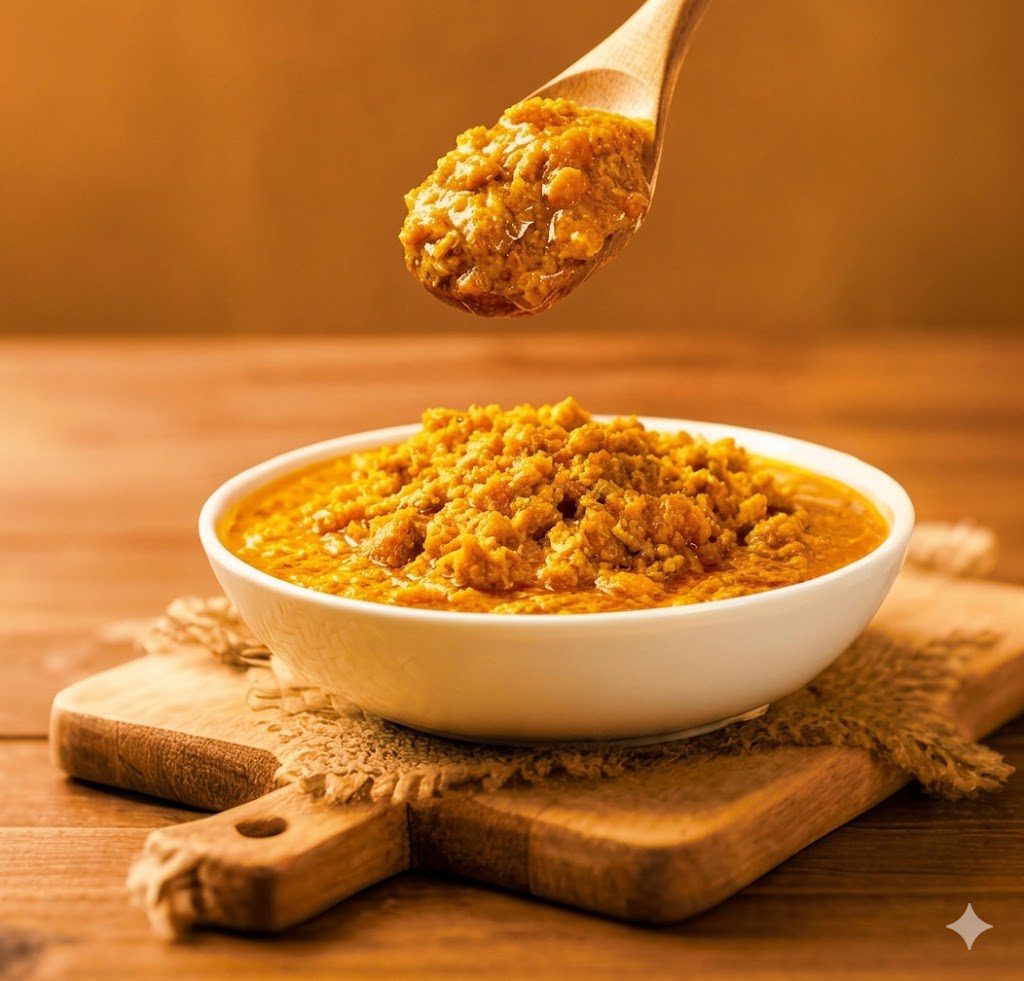
In China, food manufacturers are increasingly using Lion’s Mane mushrooms to develop export-ready plant-based seafood alternatives. These include vegan crab-style sauces, seafood-inspired dumpling fillings, and ready-to-cook meal components designed specifically for international markets. For global buyers seeking authentic vegan Chinese food without additives, these innovations demonstrate how traditional ingredients can be transformed into modern clean-label products.
For international trading companies seeking reliable Chinese food exports, Lion’s Mane cultivation in China has reached sophisticated levels. Chinese growers have perfected farming techniques that produce consistent quality, size, and texture—critical factors for commercial food service applications. When Jade Premium sources Lion’s Mane mushrooms from verified Chinese suppliers, we’re not just moving product across borders; we’re facilitating a culinary conversation between Eastern traditions and Western plant-based innovation. These mushrooms have been valued in Chinese medicine and cuisine for centuries, but only recently has their seafood-substitute potential captured global imagination.
The briny, umami-rich flavors that make seafood so craveable? Lion’s Mane mushrooms provide the foundation, but smart seasoning seals the deal. When cooked with ingredients such as shiitake mushrooms, carrots, and natural seasonings, gentle heat triggers the Maillard reaction, creating the savory depth and subtle sweetness commonly associated with crab and other shellfish—without relying on artificial flavor enhancers. This is where clean-label Chinese ingredients shine. By incorporating seaweed derivatives like kelp powder or dulse flakes, producers can amplify those oceanic notes authentically. A touch of Old Bay seasoning, some citrus zest, and perhaps a whisper of nori—suddenly, you’re in crab cake territory without a single trip to the fish market. The mushrooms absorb and showcase these flavors beautifully, acting as the perfect supporting actor that makes the entire dish believable.
The Culinary Alchemy: From Forest Floor to Crab-Like Sensation
Let’s get practical. International food importers and distributors need more than culinary poetry—they need replicable processes that scale. Creating Lion’s Mane “crab” cakes or seafood-style sauces involves straightforward steps that maintain clean-label integrity while delivering restaurant-quality results. This isn’t molecular gastronomy requiring centrifuges and liquid nitrogen; it’s intelligent cooking that respects the ingredient.
Start with fresh or properly rehydrated Lion’s Mane mushrooms. The texture transformation begins with gentle cooking—typically sautéing in a neutral oil until they release moisture and develop golden edges. Here’s where many home cooks go wrong but commercial kitchens get right: don’t overcrowd the pan. Give these mushrooms breathing room. Let them brown properly rather than steam in their own liquid. This step develops those subtle caramelized notes that add complexity to the final dish.
Once cooked and slightly cooled, shred the mushrooms using your hands or two forks. This manual approach mimics how crab meat naturally flakes, creating irregular pieces rather than uniform chunks. The varying sizes actually enhance the authentic texture, giving each bite slightly different sensations—just like real crab. This shredded Lion’s Mane becomes your base protein for building plant-based seafood applications.
The binder is crucial in any crab cake alternative. Clean-label options include aquafaba (chickpea brine), ground flaxseed mixed with water, or even mashed white beans processed until smooth. These vegan binders hold the mixture together without adding off-flavors or requiring synthetic additives. Mix your shredded Lion’s Mane with finely diced onion or shallot, whole-grain breadcrumbs or panko, and your chosen binder. The ratio matters: too much binder and you’ve got mushroom-flavored dough; too little and your cakes fall apart faster than promises at a political rally.
Now for the flavor layering that transforms good into “wait, this isn’t actually seafood?” Add dulse or nori flakes for oceanic umami. Include a squeeze of fresh lemon juice for brightness—that citrus lift cuts through richness and adds a fresh, coastal vibe. Old Bay seasoning or a custom blend of celery seed, paprika, mustard powder, and a hint of cayenne provides that classic crab cake spice profile. Some innovative chefs include a touch of white miso paste for extra savory depth without compromising clean-label status.
Dijon mustard, a small amount of vegan mayonnaise (choose brands with simple ingredient lists), and perhaps a dash of Worcestershire sauce (ensure it’s vegan—many contain anchovies) round out the flavor matrix. Season generously with sea salt and freshly cracked pepper. At this point, the mixture should hold together when pressed but still feel slightly loose. Refrigerate for at least 30 minutes—this crucial step allows flavors to marry and makes forming patties significantly easier.
Form into cakes, dredge lightly in panko or cornmeal for extra crunch, then pan-fry in quality oil until deeply golden on both sides. The result? Crispy exterior, tender interior, and flavors that genuinely evoke memories of seaside dining. Retail chain buyers from global markets should note: this process scales beautifully. Commercial kitchens producing healthy Chinese ready meals can batch-prepare these mixtures, portion them using scoops for consistency, and either cook-to-order or par-cook and finish on demand.

The same base framework adapts to various applications. Need a “crab” sauce for pasta? Pulse the cooked Lion’s Mane finely in a food processor, sauté with garlic and white wine, add coconut cream and seaweed flakes, finish with fresh herbs. Looking for lobster roll filling? Chunk the mushrooms slightly larger, dress with vegan mayo, celery, lemon, and serve in toasted rolls with butter lettuce. The versatility rivals actual seafood while maintaining ingredient transparency.
For food service operators including restaurants, hotels, and catering companies looking for authentic Chinese ingredients, this framework opens creative possibilities. Dim sum applications immediately come to mind—Lion’s Mane “crab” wontons, spring rolls, or dumplings. The mushrooms’ texture holds up beautifully to steaming, and their flavor profile complements traditional Chinese seasonings like ginger, scallion, and sesame oil. This is plant-based Asian cuisine that honors tradition while embracing innovation.
The Triple Win: Health, Planet, and Palate
Here’s where the business case for Lion’s Mane mushrooms becomes compelling beyond culinary novelty. International buyers aren’t just purchasing ingredients; they’re investing in products that align with three major consumer trends driving food service purchasing decisions worldwide: health consciousness, environmental sustainability, and authentic taste experiences.
From a health perspective, Lion’s Mane mushrooms bring legitimate nutritional benefits that surpass many seafood options. They’re naturally low in calories and fat while providing dietary fiber, B vitamins, and minerals like potassium and zinc. Research suggests these mushrooms contain compounds that support cognitive function and nervous system health—benefits you definitely won’t find in a crab leg. For consumers managing cholesterol or seeking heart-healthy options, Lion’s Mane provides satisfying, protein-rich meals without the dietary cholesterol present in shellfish.
The allergen advantage cannot be overstated. Shellfish allergies affect millions globally, forcing restaurants to maintain separate prep areas and limiting menu accessibility. Lion’s Mane mushrooms are naturally free from the top nine allergens, including shellfish, soy (unlike many processed meat alternatives), and gluten (when paired with appropriate binders and breadings). This means food service operations can serve seafood-style dishes to guests with restrictions previously excluded from these menu categories. That’s not just good ethics; it’s smart business expanding your potential customer base.
The sustainability equation tips dramatically in favor of fungi. Commercial crab and lobster fishing involves significant environmental costs: fuel consumption by fishing vessels, bycatch killing non-target species, habitat destruction from bottom trawling, and declining wild populations requiring stricter harvest limits. Lion’s Mane mushrooms, conversely, grow on agricultural waste products like sawdust and straw. They require minimal water compared to livestock or even many vegetables, produce no methane emissions, and can be cultivated in controlled environments year-round regardless of wild stock fluctuations.
For international trading companies concerned about supply chain stability, mushroom cultivation offers predictability that wild seafood cannot match. Weather events, regulatory changes, geopolitical tensions—all can disrupt seafood supply chains overnight. Chinese Lion’s Mane producers operate in climate-controlled facilities generating consistent harvests unaffected by ocean conditions or fishing quotas. This reliability translates to stable pricing and availability for international buyers, reducing the procurement headaches that keep supply chain managers awake at night.
Carbon footprint comparisons tell a compelling story. Transporting fresh crab from Alaska to European markets involves refrigerated air or sea freight generating substantial greenhouse gas emissions. Lion’s Mane mushrooms can be grown relatively close to consumption markets or easily dried/frozen for reduced-impact shipping. When sourced through Jade Premium’s verified Chinese suppliers, international food importers and distributors gain access to premium quality Lion’s Mane produced using efficient, modern cultivation methods that maximize yield while minimizing environmental impact.
The consumer value proposition extends beyond price. While premium Lion’s Mane dishes may cost similarly to mid-range seafood options, they deliver unique value: allergen-friendly, sustainably produced, nutritionally dense, and increasingly trendy. Restaurant operators can position these dishes as premium vegan offerings commanding appropriate price points while maintaining healthy margins. The story behind the ingredient—ancient Chinese medicinal mushroom reimagined as modern seafood alternative—provides marketing gold for menus and social media.
Jade Premium’s philosophy centers on connecting authentic Chinese culinary traditions with global markets through premium, natural products. Lion’s Mane mushrooms embody this mission perfectly. These fungi have been cultivated and valued in China for centuries, yet their application in clean label vegan food represents cutting-edge innovation. By facilitating the export of high-quality Lion’s Mane from verified Chinese producers to international buyers, we’re not just moving product—we’re building bridges between Eastern agricultural expertise and Western plant-based food trends.
This alignment matters. Today’s conscious consumers—particularly in international markets including Europe, North America, the Middle East, and ASEAN regions—increasingly demand transparency about ingredient sourcing, production methods, and cultural authenticity. They want to know their food choices support fair trade, environmental responsibility, and traditional agricultural communities. Chinese Lion’s Mane cultivation checks these boxes while delivering the clean-label profile modern consumers expect.
Bringing It All Together: Your Seafood-Free Seafood Revolution
Let’s recap the sensory journey and practical takeaways for international buyers considering Lion’s Mane mushrooms for their plant-based seafood applications. These aren’t just mushrooms; they’re culinary shapeshifters that deliver authentic texture, absorb flavors beautifully, and provide clean-label solutions to seafood simulation challenges that have long frustrated food formulators.
The texture remains the star attraction. Those naturally occurring fibers mimic shellfish flakiness without mechanical processing or synthetic structuring agents. When torn by hand and properly cooked, Lion’s Mane mushrooms create the irregular, tender strands that make diners pause and question reality. This isn’t approximation—it’s eerily accurate mimicry achieved through ingredient selection rather than industrial intervention.
Flavor development follows traditional culinary principles rather than relying on flavor chemists. Seaweed derivatives provide authentic ocean notes. Citrus adds brightness. Traditional seasonings create familiarity. The mushrooms themselves contribute subtle sweetness and umami depth that support rather than compete with these additions. The result tastes complex and developed because it is—through cooking technique and smart ingredient pairing, not proprietary flavor compounds protected by NDAs.
Practical tips for achieving optimal results: First, don’t skimp on mushroom quality. Fresh, properly cultivated Lion’s Mane makes all the difference. Chinese suppliers verified through partners like Jade Premium consistently produce superior specimens compared to budget options that might arrive limp or past prime. Second, master the moisture management. Properly cooked Lion’s Mane releases water, then develops texture; rushing this process yields mushy disappointment. Third, season boldly. These mushrooms can handle assertive flavors, so don’t be timid with Old Bay, seaweed, or citrus. Fourth, texture matters as much as taste—hand-shredding beats machine processing for authentic feel.
For retail chain buyers from global markets, the commercial opportunity extends beyond restaurant applications. Many Chinese suppliers now offer ready-developed Lion’s Mane products for export markets, including vegan crab sauces, frozen seafood-style appetizers, dumpling fillings, and plant-based ready meals. These products allow international distributors and retailers to introduce seafood-style vegan options without complex in-house formulation. Ready-to-cook Lion’s Mane crab cake mixes appeal to home cooks seeking restaurant-quality plant-based meals. Frozen Lion’s Mane “seafood” entrees provide convenient options for time-pressed consumers. Even dried Lion’s Mane with recipe cards and seasoning packets offer meal kit potential. The versatility supports multiple product development paths within clean label vegan food categories.
Food service operators including restaurants, hotels, and catering companies gain menu flexibility without major kitchen retraining. Chefs already skilled in seafood preparation can apply those same techniques to Lion’s Mane applications. The mushrooms respond to similar cooking methods: sautéing, steaming, gentle simmering in sauces. This familiarity reduces the learning curve and accelerates menu integration. Plus, the visual appeal—those golden-brown crusts on crab cakes, the elegant presentation of “scallops”—translates beautifully to Lion’s Mane preparations.
Jade Premium’s role transcends traditional food distribution. We provide end-to-end quality control, supplier qualification verification, and cultural translation that helps international buyers navigate Chinese food exports confidently. When you source Lion’s Mane mushrooms through our network, you’re accessing centuries of Chinese agricultural knowledge combined with modern food safety standards and export compliance expertise. We understand both the traditional cultivation methods that produce superior mushrooms and the international certification requirements that protect your brand reputation.
The broader trend toward what is clean label in vegan food shows no signs of slowing. Consumers increasingly reject products with ingredient lists requiring advanced degrees to decipher. They want transparency, simplicity, and authenticity. Lion’s Mane mushrooms check every box: recognizable ingredient, traditional cultivation, minimal processing required, and no additives hiding in the small print. This alignment positions products featuring these mushrooms favorably in markets demanding clean labels.
As plant-based Asian cuisine gains global traction, authentic vegan Chinese food without additives represents significant commercial opportunity. International buyers who establish reliable Chinese supply chains now—particularly for innovative ingredients like Lion’s Mane mushrooms—position themselves ahead of competitors still relying on conventional plant-based proteins. The story resonates: ancient Chinese ingredient meets modern dietary preferences through traditional cultivation and smart culinary application.
The humor in all this? We’re using mushrooms to fool seafood lovers, and they’re thanking us for it. No oceans harmed, no boats required, no fishy aftermath lingering in your kitchen. Just fungi doing what they do best: growing enthusiastically on logs while developing flavors and textures that make skeptics into believers. If that’s not the perfect metaphor for how plant-based innovation should work—naturally, authentically, deliciously—I don’t know what is.
International food importers and distributors seeking authentic Chinese ingredients for their clean label vegan food lines need look no further than these shaggy, unassuming mushrooms. Lion’s Mane represents everything right about modern food innovation: respecting tradition, prioritizing sustainability, delivering genuine nutrition, and—most importantly—tasting absolutely delicious. That’s how you fool seafood lovers around the world, one tender, flaky, utterly convincing bite at a time.