
The global appetite for Chinese packaged foods has never been stronger. As international consumers increasingly seek authentic, diverse, and high-quality food experiences, Chinese products are finding their way onto dining tables from Sydney to Stockholm, from New York to Dubai. At Jade Premium, we’ve witnessed this transformation firsthand through our decade of experience bridging Eastern and Western culinary worlds.
Our extensive local network across major Chinese cities—from Hong Kong and Shenzhen to Shanghai, Chengdu, Wuhan, and Changsha—gives us unique insights into which Chinese packaged food categories are capturing international attention in 2025. These aren’t just trendy products; they represent the convergence of tradition, innovation, and the growing global appreciation for Chinese cuisine’s depth and versatility.
The ten categories we’re seeing dominate international markets share common threads, and understanding food product certifications is crucial for success: exceptional quality, cultural authenticity, and the ability to meet diverse consumer needs across different markets. From Europe and North America to the Middle East and ASEAN regions, these products are reshaping how the world experiences Chinese food. Let’s explore what’s driving this remarkable growth and why these categories matter for international importers, distributors, and food service operators looking to capitalize on this culinary wave.
Ready-to-Eat Meals: Convenience Meets Premium Quality
The ready-to-eat meal category has exploded in international markets, driven by two powerful trends: the universal demand for convenience and the rising consumer expectation for premium, restaurant-quality experiences at home. Chinese ready-to-eat meals—from hotpot bases to dim sum and pre-cooked regional specialties—are uniquely positioned to satisfy both needs.
What makes this category particularly compelling is the sophistication of Chinese food production capabilities. Modern Chinese manufacturers have mastered the technology to preserve authentic flavors while ensuring food safety and extended shelf life. At Jade Premium, we work exclusively with producers who share our commitment to natural, healthy food. These aren’t mass-produced, additive-laden products. Instead, they represent careful culinary craftsmanship scaled for international distribution.
The numbers tell a compelling story. According to Bain & Company’s China Shopper Report 2025, the packaged food market is experiencing promising growth, with increasing consumption driving expansion both domestically and internationally. For international buyers, this means access to an ever-expanding portfolio of authentic Chinese ready-to-eat options that their customers are actively seeking.
Our comprehensive supply chain capabilities, refined through expertise in optimizing food supply chains from China, ensure these products reach international markets in optimal condition. From temperature-controlled logistics to compliance verification, we handle the complexity so importers can focus on meeting the growing consumer demand. Whether it’s pre-marinated meat ready for grilling, complete meal kits featuring regional Chinese dishes, or individually portioned dim sum, these products deliver authentic taste without requiring specialized cooking skills.
Staple Grains: Rice, Pasta, and Noodles Going Global
Chinese staple grains represent one of the most stable and high-potential categories in international food trade. Rice varieties ranging from fragrant jasmine to nutritious black rice, wheat-based products including hand-pulled noodles and dumpling wrappers, and specialty pasta products are finding enthusiastic audiences worldwide.
The versatility of these products makes them particularly attractive to international markets. They serve as blank canvases for culinary creativity while maintaining their authentic Chinese character. A restaurateur in London can use premium Chinese rice noodles for Vietnamese pho, while a home cook in Toronto might choose the same product for an authentic pad thai or a fusion creation.
Jade Premium has observed remarkable market growth potential in this category. Part of this stems from the increasing global awareness of Chinese regional cuisines and their distinctive starch preferences. Sichuan’s love for wide, chewy noodles, Guangdong’s preference for delicate rice noodles, and northern China’s expertise with wheat products—all these traditions are now accessible to international consumers through quality packaged products.
What international buyers often don’t realize is the technical sophistication behind these seemingly simple products. Producing noodles that maintain their texture after freezing, shipping, and reheating requires advanced processing techniques. Packaging rice that preserves its aroma and cooking properties over long storage periods demands precision engineering. Our role at Jade Premium involves identifying producers who have mastered these technical challenges while maintaining product authenticity.
The logistics advantage of staple grains also can’t be overlooked. These products generally have excellent shelf stability, favorable shipping weights, and lower regulatory complexity compared to fresh or perishable items. For international distributors building their Chinese product portfolios, staples provide a reliable foundation with predictable demand patterns and manageable operational requirements.
Sauces, Dips, and Condiments: The Flavor Revolution
If there’s one category that truly captures the essence of Chinese cuisine’s international appeal, it’s sauces, dips, and condiments. From soy sauce and oyster sauce to chili oils, fermented bean pastes, and specialty dipping sauces, these products deliver concentrated Chinese flavors that transform any dish.
The cross-border appeal of this category is remarkable. Professional chefs in Paris use Chinese black vinegar for salad dressings. Home cooks in Melbourne rely on premium soy sauce for marinades. Food bloggers worldwide create viral content around Chinese chili crisp. These products have transcended their traditional Chinese applications to become global flavor enhancers.
At Jade Premium, ensuring product compliance and quality control during export is particularly crucial for this category. Our expertise in navigating Chinese export regulations helps clients avoid costly compliance pitfalls. Sauces and condiments face stringent regulatory scrutiny regarding ingredients, labeling, and food safety standards in different markets. Our expertise in navigating complex international food regulations means we can help Chinese producers meet European food safety requirements, North American labeling standards, Middle Eastern halal certifications, and ASEAN import regulations.
The premium segment within this category deserves special attention. International consumers are increasingly willing to pay more for artisanal, traditionally made condiments. Small-batch chili oils made with heritage peppers, naturally fermented bean pastes aged in ceramic jars, and premium soy sauces brewed using centuries-old techniques—these products command premium prices and loyal customer bases internationally.
Quality control is non-negotiable here. A sauce that separates during shipping, a condiment with inconsistent viscosity, or a product that doesn’t meet flavor expectations can damage an entire brand’s reputation. Our end-to-end quality management ensures every batch meets the standards that built Chinese cuisine’s global reputation.
Health-Focused Beverages and Snacks: Wellness Goes Global
The intersection of Chinese food culture and global wellness trends has created one of the most dynamic categories in international markets: health-focused beverages and snacks. This includes everything from herbal teas and functional drinks to nuts, dried fruits, and nutritious snack alternatives.
Chinese food culture has always emphasized the relationship between food and health—the concept of “食疗” or food therapy is deeply embedded in Chinese culinary traditions. Now, international consumers are discovering what Chinese people have known for millennia: that everyday foods can support health and wellness.
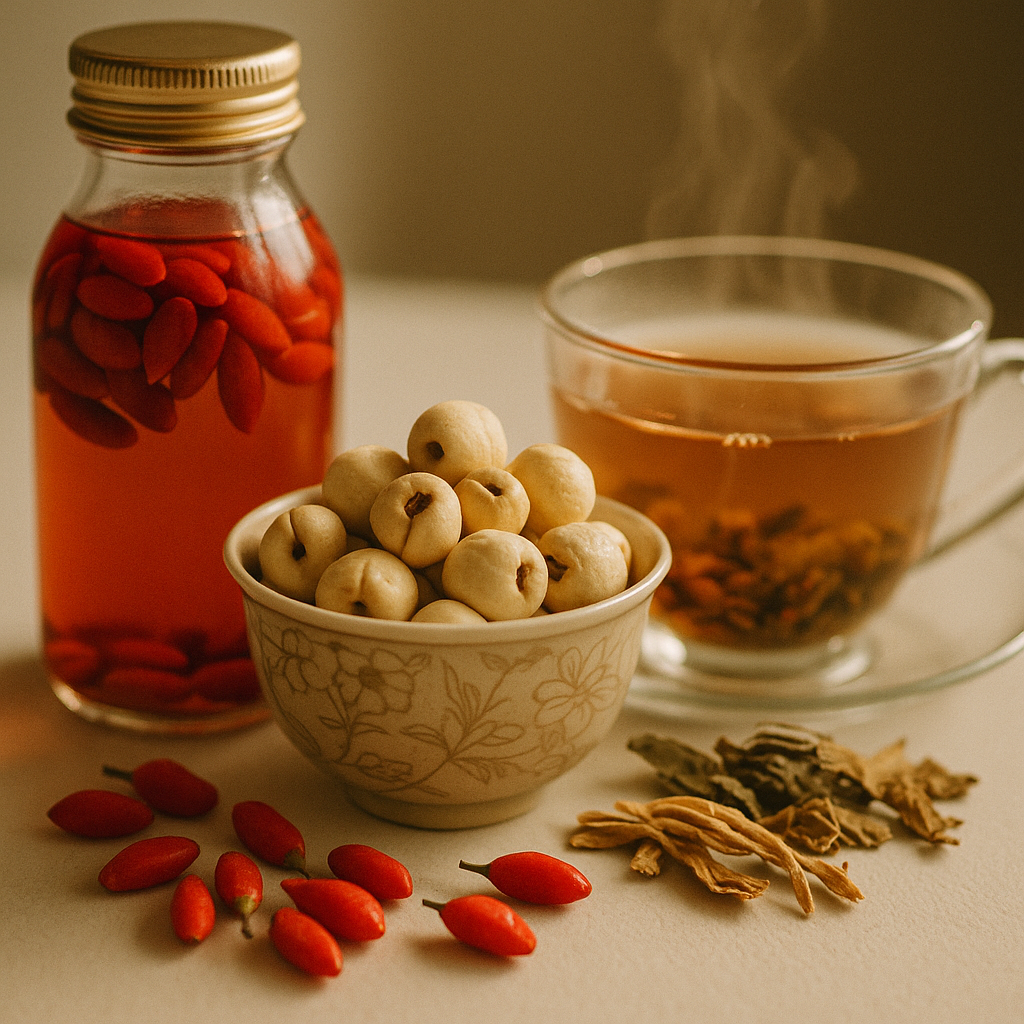
This trend aligns perfectly with Jade Premium’s vision of promoting wellness through premium food offerings. We’re seeing explosive demand for products like goji berry beverages, lotus seed snacks, ginseng-infused drinks, and various nut products that combine traditional Chinese ingredients with modern convenience formats.
The non-alcoholic beverage segment is particularly exciting. As health and wellness trends continue to shape consumer preferences, Chinese herbal teas, chrysanthemum drinks, and fruit-based beverages provide sophisticated, flavorful alternatives. These aren’t just trendy products; they carry authentic health traditions that resonate with wellness-conscious consumers worldwide.
Nuts and seeds represent another high-growth subcategory. Chinese processors have developed innovative seasoning techniques and roasting methods that create unique flavor profiles. Spiced walnuts, herbal cashews, and savory pumpkin seeds offer international consumers novel taste experiences while delivering recognized nutritional benefits.
What sets successful products apart in this category is authenticity combined with accessibility. International consumers want genuine Chinese wellness products, but they also need clear information about benefits, ingredients, and usage. Our role involves working with producers to develop packaging and communication that preserves cultural authenticity while meeting international consumer expectations for transparency and education.
Canned Fruits and Vegetables: Logistical Advantages Meet Market Demand
Canned fruits and vegetables might seem traditional compared to some trendier categories, but they represent substantial opportunities in international Chinese packaged food trade. The combination of excellent shelf stability, logistical advantages, and consistent quality makes these products ideal for long-distance distribution.
Chinese canned products have evolved significantly beyond basic preservation. Modern processing techniques maintain nutritional value, texture, and flavor while extending shelf life. From lychees and longan to bamboo shoots and water chestnuts, these products deliver authentic ingredients for both home cooking and professional food service applications.
The logistical advantages are considerable for international distribution. Canned products don’t require temperature-controlled shipping, have predictable storage requirements, and face fewer regulatory hurdles than fresh or frozen alternatives. For importers building initial Chinese product portfolios or serving markets with limited cold chain infrastructure, canned items provide reliable entry points.
Market demand remains robust across multiple segments. Restaurants use canned bamboo shoots for stir-fries and spring rolls. Retail consumers purchase canned lychees for desserts and beverages. Food manufacturers source canned vegetables as ingredients for ready-to-eat meals and processed foods.
At Jade Premium, we emphasize the importance of sourcing from producers who prioritize quality over mere volume. Not all canned products are created equal. Premium canned fruits should maintain their fresh taste and firm texture. Quality canned vegetables should retain their color, crunch, and nutritional properties. Our supplier qualification process ensures we partner with Chinese producers who meet these standards consistently.
Meat and Dairy Products: Protein Powerhouses
The international demand for Chinese meat and dairy products reflects both the growing sophistication of global consumers and China’s developing capabilities in protein production and processing. This category encompasses preserved meats like Chinese sausages, vacuum-packed duck products, specialty pork items, and increasingly, dairy products adapted to Asian flavor preferences.
Jade Premium’s ability to source high-quality proteins and meet diverse international tastes is built on our extensive network across major Chinese production regions. Different provinces specialize in different protein products—Guangdong’s expertise in preserved meats, Sichuan’s tradition of cured ham, and emerging dairy capabilities in northern regions.
The challenge in this category involves meeting strict international food safety standards and certification requirements, which is why understanding food traceability requirements has become essential. Meat and dairy products face intense regulatory scrutiny, requiring comprehensive documentation, facility audits, and ongoing compliance verification. Our experience navigating these complex requirements enables smooth market entry for Chinese protein products.
Premium Chinese meat products offer unique value propositions. Chinese sausages (lap cheong) provide distinctive sweet-savory flavors that enhance fried rice, noodle dishes, and fusion creations. Vacuum-packed duck products deliver restaurant-quality Peking duck experiences at home. Specialty pork items like pork floss offer novel textures and applications unfamiliar to many Western consumers but increasingly popular.
The dairy segment, while smaller, presents interesting opportunities. Chinese dairy manufacturers are developing products that combine international formats with Asian taste preferences—yogurt with herbal ingredients, milk teas in convenient formats, and cheese products adapted to Chinese culinary applications.
Health Foods, Organic, and Functional Products: Premium Positioning
The convergence of Chinese traditional wellness concepts and modern organic and functional food trends has created a premium category with exceptional growth potential. International markets increasingly value products that offer more than basic nutrition—they want food that supports specific health goals, provides documented benefits, and aligns with sustainability values.
Jade Premium is uniquely positioned to capitalize on this trend through our extensive local network and market intelligence. We identify Chinese producers who combine traditional ingredients with modern organic farming practices, creating products that appeal to health-conscious international consumers while maintaining cultural authenticity.
This category includes organic grains and pulses, functional snacks fortified with traditional Chinese herbs, organic teas with specific health benefits, and specialty health food products like bird’s nest, cordyceps, and other premium ingredients traditionally used in Chinese wellness practices.
The premium positioning of these products justifies higher price points, but it also demands exceptional quality assurance. International buyers in this segment expect comprehensive documentation—organic certifications, testing results, supply chain transparency, and clear communication about health benefits and traditional uses.
Our comprehensive trade services include helping Chinese producers understand international organic certification requirements, develop compliant labeling, and communicate product benefits in ways that resonate with target markets while remaining culturally authentic. This involves more than translation; it requires cultural interpretation that preserves the essence of Chinese wellness philosophy while making it accessible to international consumers.
Pet Food: A Growing Export Opportunity
The rising trend in pet food exports from China might surprise some observers, but it reflects the country’s developing capabilities in specialty food manufacturing and the global explosion in pet ownership and premium pet food demand. Chinese manufacturers are increasingly producing high-quality pet food products that meet international standards while offering competitive pricing.
Growing pet ownership worldwide, particularly in emerging markets, creates expanding demand for affordable yet quality pet food options. Chinese producers are filling this gap with products ranging from basic nutrition to premium specialty items incorporating novel proteins, traditional Chinese ingredients, and functional additions.
Jade Premium’s integrated supply chain solutions support this category through the same rigorous quality control and compliance management we apply to human food products. Pet food faces similar regulatory scrutiny regarding safety, labeling, and ingredient disclosure. Our experience ensures smooth market entry and ongoing compliance.
The category’s growth potential extends beyond basic pet food to treats, supplements, and specialty items. Chinese manufacturers are developing innovative products like pet snacks featuring traditional Chinese ingredients, functional supplements based on Chinese herbal traditions, and premium nutrition options that challenge established international brands.
For international distributors, Chinese pet food represents an opportunity to offer competitive products in a rapidly growing market segment. The key is partnering with suppliers and facilitators like Jade Premium who understand both the technical requirements and the importance of maintaining quality standards that protect pet health and owner trust.
Looking Forward: The Future of Chinese Packaged Foods
The categories we’ve explored represent more than just market opportunities—they reflect the evolving relationship between Chinese food culture and global culinary experiences. As international consumers become more adventurous, knowledgeable, and appreciative of authentic Chinese products, the potential for growth extends far beyond these ten categories.
At Jade Premium, our commitment to quality, cultural significance, and innovation in food exports guides everything we do. We don’t just facilitate transactions; we build bridges between Chinese producers and international markets, ensuring that every product we handle meets the highest standards while preserving the authentic character that makes Chinese food special.
The future belongs to companies and products that can balance tradition with innovation, authenticity with accessibility, and quality with scalability. Chinese packaged foods have tremendous potential in international markets, but realizing that potential requires more than just good products. It demands deep cultural understanding, comprehensive regulatory knowledge, sophisticated supply chain management, and unwavering commitment to quality.
For international buyers—whether you’re an importer seeking new products, a retail chain expanding your international food section, a food service operator looking for authentic Chinese ingredients, or a trading company seeking reliable Chinese food suppliers—these ten categories offer compelling opportunities. The key is working with partners who understand both the source markets and destination markets, who can navigate complexity while maintaining quality, and who share your commitment to delivering exceptional food experiences to consumers.
The story of Chinese packaged foods in international markets is just beginning. These ten categories are leading the way, but they represent only a fraction of what Chinese food culture can offer the world. As we continue bringing authentic Chinese cuisine to global tables, we remain committed to the values that have guided us from the beginning: quality, authenticity, cultural respect, and the belief that food is not just sustenance but a bridge between cultures, a carrier of traditions, and a source of shared human experiences.