
In today’s interconnected global food market, halal certification has evolved from a religious requirement into a strategic business imperative. For distributors, importers, and food service operators serving Muslim consumers—a demographic representing nearly 1.8 billion people worldwide—halal certification isn’t just about compliance; it’s about trust, market access, and cultural respect.
The significance of halal certification extends far beyond a simple label on packaging. It represents a comprehensive commitment to quality, ethical sourcing, and transparency throughout the entire supply chain. For companies like Jade Premium, which bridges authentic cuisine with global markets, understanding and maintaining halal standards aligns perfectly with our philosophy of delivering natural, premium products that meet rigorous international standards. When distributors commit to verified halal certification across every supply chain link, they’re not just opening doors to Muslim-majority markets—they’re building lasting relationships based on integrity and cultural understanding.
The stakes are particularly high in the meat industry, where halal requirements touch everything from animal welfare to processing methods. A single uncertified ingredient or compromised processing line can invalidate an entire product batch, resulting in financial losses, damaged reputations, and lost market opportunities. For international distributors navigating complex cross-border trade, the question isn’t whether to verify halal compliance—it’s how to do it effectively and consistently.
Understanding the Comprehensive Halal Certification Process
Obtaining halal certification involves far more than a cursory inspection. It’s a rigorous, multi-stage process designed to ensure absolute compliance with Islamic dietary laws at every production phase.
The journey begins with a pre-certification review, where certifying bodies examine detailed documentation about ingredients, suppliers, processing methods, and facility layouts. This initial assessment identifies potential compliance issues before formal auditing begins. Companies must provide complete ingredient lists, including processing aids and additives that might contain haram (forbidden) substances. Understanding comprehensive food product certifications helps distributors navigate these complex requirements systematically. Even seemingly innocuous ingredients require scrutiny—gelatin derived from non-halal sources, certain enzymes, or alcohol-based flavorings can disqualify an entire product line.
Following document review, on-site audits form the certification backbone. Trained auditors physically inspect production facilities, examining everything from equipment cleaning procedures to storage practices. They verify proper separation between halal and non-halal production lines, ensuring no cross-contamination risks exist. For meat processing facilities, auditors observe slaughtering methods, confirming animals are handled according to Islamic principles and that trained Muslim slaughterers perform religious invocations correctly.
Global certifying bodies like the Islamic Food and Nutrition Council of America (IFANCA) and the Islamic Services Department of the Islamic Society of North America (ISNA Halal Certification) have established themselves as trusted authorities in halal verification. Their certifications carry weight across international markets because they maintain consistent standards and conduct regular audits. IFANCA, for instance, operates in over 50 countries and has certified thousands of facilities, providing a seal of approval that resonates with Muslim consumers from Malaysia to Morocco.
The certification process doesn’t end with initial approval. Surveillance audits occur regularly—typically annually or semi-annually—to ensure ongoing compliance. These unannounced or scheduled inspections verify that certified companies maintain the standards they committed to during initial certification. Documentation requirements persist throughout certification validity, with companies maintaining detailed records of ingredient sourcing, batch production, and any process changes.
For distributors, partnering with suppliers holding certifications from recognized bodies like IFANCA or ISNA provides assurance that products meet authentic halal standards. Exporters, however, must prioritize obtaining certification from bodies officially recognized or widely trusted in the target market. This means that market access to countries like Malaysia and Indonesia typically requires certification from their respective national authorities: JAKIM (Department of Islamic Development Malaysia) and MUI (Indonesian Ulema Council).
The Critical Importance of End-to-End Supply Chain Verification
Halal certification of a final product means little if the ingredients and processes leading to that product lack proper verification. Supply chain integrity forms the foundation of genuine halal compliance, requiring meticulous attention at every stage—from raw material sourcing through processing, packaging, and distribution.
Ingredient sourcing presents the first verification challenge. Every raw material entering the supply chain must have documented halal status. For meat products, this means verifying that animals were raised, slaughtered, and processed according to halal principles. But complexity extends beyond primary ingredients. Marinades might contain wine vinegar, seasonings could include animal-derived enzymes, and packaging materials might use gelatin-based adhesives. Each component requires investigation and verification.
Processing facilities introduce additional verification requirements. Equipment used for halal products cannot process non-halal items without thorough cleaning protocols that meet Islamic standards. Storage areas must prevent contamination from non-halal products. Transportation vehicles need verification to ensure they haven’t carried prohibited substances like pork or alcohol. Even seemingly minor details—like using the same cutting boards or mixing equipment for halal and non-halal products—can compromise certification.
Traceability systems enable distributors to track products from origin to consumer, documenting every handling point and transformation. Modern blockchain-based traceability solutions offer tamper-proof verification, creating permanent records of each supply chain step. When a retailer scans a product code, they can instantly access information about animal origin, slaughter date, processing facility certification status, and transportation conditions. This transparency builds consumer confidence and simplifies compliance auditing.
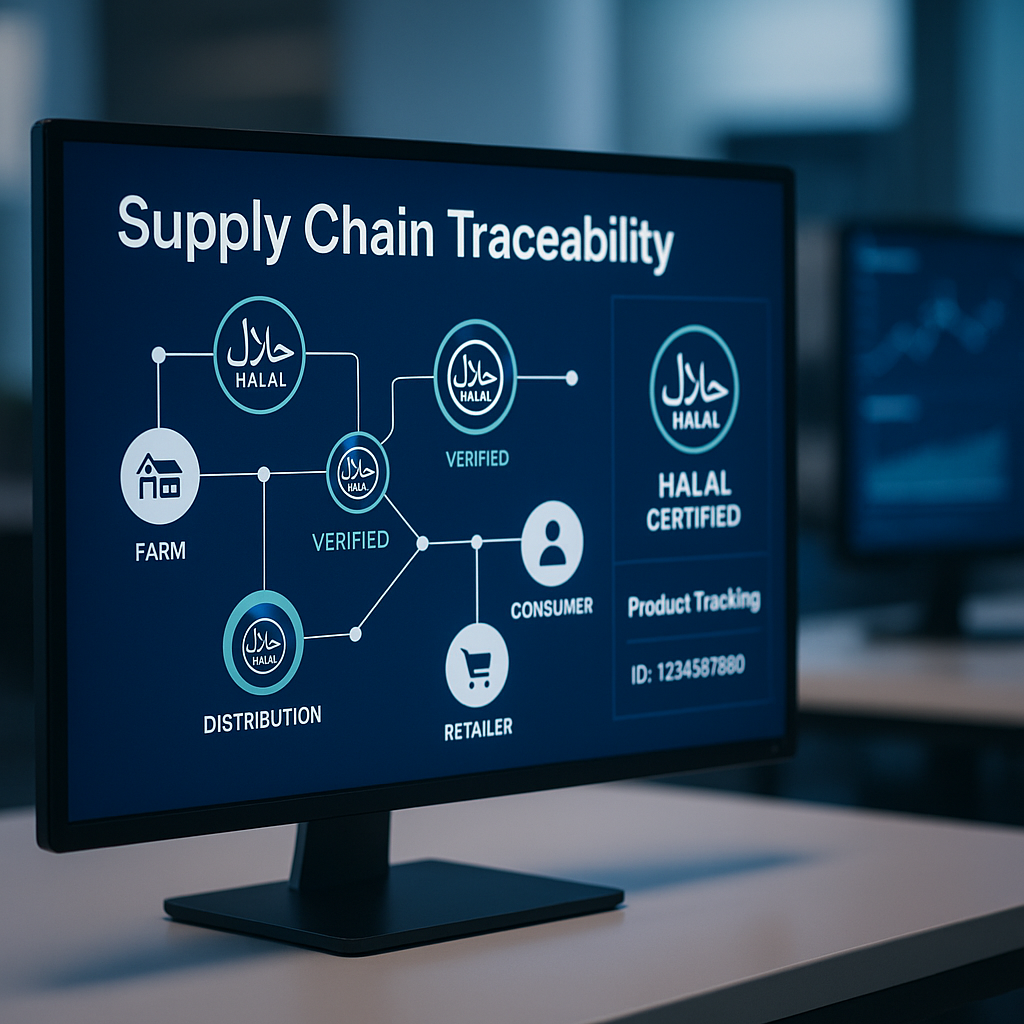
For distributors serving international markets, end-to-end traceability delivers tangible business benefits. It opens access to Muslim-majority markets in Southeast Asia, the Middle East, and North Africa, where halal certification isn’t optional—it’s legally required for meat imports. Countries like Malaysia and Indonesia maintain strict halal import regulations, refusing entry to products lacking proper documentation and traceability.
Beyond market access, verified supply chains build consumer trust in an era where food scandals regularly make headlines. Muslim consumers increasingly demand transparency about halal claims, having witnessed cases where “halal” labels disguised non-compliant products. Distributors who can demonstrate rigorous verification procedures differentiate themselves from competitors, earning customer loyalty and premium pricing power.
Jade Premium’s approach to supply chain management exemplifies this commitment to verification. Our comprehensive quality control systems and supplier qualification processes ensure that products moving through our network meet international standards, including halal requirements when specified. By maintaining detailed documentation and conducting regular supplier audits, we provide the transparency that modern distributors and consumers demand.
Navigating Regional Variations and Compliance Challenges
Despite international efforts to standardize halal certification, significant variations persist across regions and certifying bodies, creating challenges for distributors operating in multiple markets.
Inconsistent standards represent perhaps the most frustrating challenge. What one country’s certifying body approves, another might reject. Malaysia’s JAKIM (Department of Islamic Development Malaysia) maintains some of the world’s strictest halal standards, requiring comprehensive documentation and facility segregation that exceeds requirements in other markets. Middle Eastern countries may have different interpretations of acceptable stunning methods before slaughter. Some certifiers prohibit any pre-slaughter stunning, while others allow non-penetrative stunning under specific conditions.
These inconsistencies force distributors to navigate a complex regulatory landscape. A product certified for the UAE market might not gain automatic acceptance in Indonesia. European halal certifications may face scrutiny in Gulf countries. Distributors must research destination market requirements carefully, often seeking certifications from multiple bodies to cover different regional markets.
Supplier non-compliance presents another persistent challenge. Even with initial certification, suppliers may cut corners over time, using non-certified ingredients to reduce costs or failing to maintain separation protocols during busy periods. This underscores why rigorous supplier selection and ongoing monitoring remain critical. A single supplier’s compliance failure can cascade through the supply chain, affecting multiple distributors and retailers downstream. Stories of halal scandals—where DNA testing revealed pork contamination in supposedly halal products—demonstrate the reputational damage that inadequate supplier verification creates.
Communication gaps between supply chain partners compound these challenges. A meat processor might understand halal requirements, but if their spice supplier doesn’t communicate a formula change replacing one ingredient with a non-halal alternative, the entire batch becomes non-compliant. Language barriers, cultural differences, and inadequate documentation systems often prevent the seamless information flow necessary for maintaining certification.
Practical steps can help distributors overcome these challenges and maintain consistent halal compliance across diverse regions. Implementing robust supplier verification programs starts with comprehensive vetting before onboarding new suppliers. Request copies of certifications, conduct facility audits, and verify certifying body credibility. Don’t accept certifications at face value—investigate whether the issuing organization maintains recognized standards and conducts proper audits.
Establish clear contractual requirements mandating that suppliers notify you immediately of any changes to ingredients, processes, or certification status. Include provisions allowing unannounced audits and require suppliers to maintain detailed batch records accessible for inspection. Make compliance a contractual obligation with penalties for violations.
Digital traceability systems transform compliance from reactive to proactive. Implementing software that tracks ingredient origins, processes each batch through production stages, and flags potential compliance issues in real-time helps prevent problems before products reach consumers. Some advanced systems use IoT sensors and blockchain technology to create immutable records of product handling, temperature controls, and facility conditions.
Regular training programs for staff and partners ensure everyone understands halal requirements and their role in maintaining compliance. Cultural sensitivity training helps non-Muslim employees appreciate why these standards matter to consumers, fostering respect and diligence in following protocols.
Consider partnering with experienced trade facilitators who understand regional variations and can navigate complex certification landscapes. Companies like Jade Premium, with deep expertise in international food regulations and established relationships across multiple markets, help distributors avoid costly mistakes and streamline market entry processes.
Building redundancy into your supplier network provides insurance against compliance failures. Maintaining relationships with multiple certified suppliers for critical ingredients means a single supplier’s non-compliance doesn’t halt your entire distribution operation. This approach requires more management effort but delivers resilience when problems arise.
Consumer Trust and the Future of Halal Distribution
At its core, verified halal certification answers a fundamental consumer question: Can I trust this product to align with my values and religious obligations? For Muslim consumers, that trust determines purchasing decisions, brand loyalty, and willingness to pay premium prices.
The transparency that comprehensive supply chain verification provides directly translates into consumer confidence. When distributors can offer detailed information about product origins, processing methods, and certification credentials, they’re telling consumers, “We respect your needs enough to verify every detail.” This transparency matters increasingly to younger Muslim consumers who grew up with internet access and expect digital verification of claims.
Mobile apps now allow consumers to scan product barcodes and instantly access certification information, supplier details, and audit reports. This technology empowers consumers to make informed decisions and holds distributors accountable. Progressive distributors embrace this transparency rather than fearing it, recognizing that openness builds stronger customer relationships than opacity ever could.
The business case for maintaining rigorous halal compliance extends beyond avoiding penalties or market exclusion. Distributors who establish reputations for reliability and transparency gain competitive advantages in rapidly growing markets. The global halal food market is projected to exceed $2 trillion, with Muslim populations in Europe, North America, and Asia driving demand for diverse, high-quality halal products. Distributors positioned as trusted halal partners will capture disproportionate shares of this growth.
Cultural integration represents another dimension where verified halal distribution adds value. By respecting Islamic dietary requirements and investing in proper certification, distributors demonstrate cultural sensitivity that resonates with Muslim communities. This respect builds goodwill that transcends individual transactions, positioning companies as partners rather than merely vendors.
For Jade Premium, our commitment to quality and cultural integration in global food markets naturally extends to halal certification when serving Muslim consumers. Our philosophy of connecting authentic cuisine with global markets recognizes that authenticity includes respecting the religious and cultural requirements of diverse consumer groups. Whether facilitating Chinese food exports to Muslim-majority countries or importing halal-certified products for Chinese Muslim communities, we maintain the same rigorous verification standards that define our entire operation.
The future of halal distribution lies in systems that make verification seamless, transparent, and consumer-accessible. Technologies like blockchain, AI-powered compliance monitoring, and real-time auditing will transform how the industry maintains standards. Distributors who invest in these capabilities now will lead the market tomorrow, building consumer trust through verifiable excellence rather than mere claims.
Building Your Verified Halal Distribution Network
Establishing a truly verified halal distribution network requires commitment, investment, and partnership with stakeholders who share your quality standards. The complexity shouldn’t deter entry into this market—instead, view it as a competitive advantage that separates serious distributors from opportunistic ones.
Begin by assessing your current supply chain through a halal compliance lens. Identify gaps where verification is incomplete or documentation inadequate. Engage certifying bodies for guidance on meeting their standards. Invest in training, technology, and partnerships that strengthen your verification capabilities.
Remember that halal certification isn’t a destination but an ongoing journey. Standards evolve, markets change, and consumer expectations rise. Distributors who view compliance as continuous improvement rather than one-time achievement will build sustainable competitive advantages.
The Muslim consumer market represents enormous opportunity for distributors willing to invest in proper verification and cultural respect. By ensuring every link in your supply chain meets authentic halal standards, you’re not just checking regulatory boxes—you’re building bridges between producers and consumers, between cultures and markets, between business objectives and ethical responsibilities.
In an industry where trust is currency and transparency is competitive advantage, verified halal certification isn’t optional for serious distributors. It’s the foundation upon which lasting market success is built, one verified link at a time.