
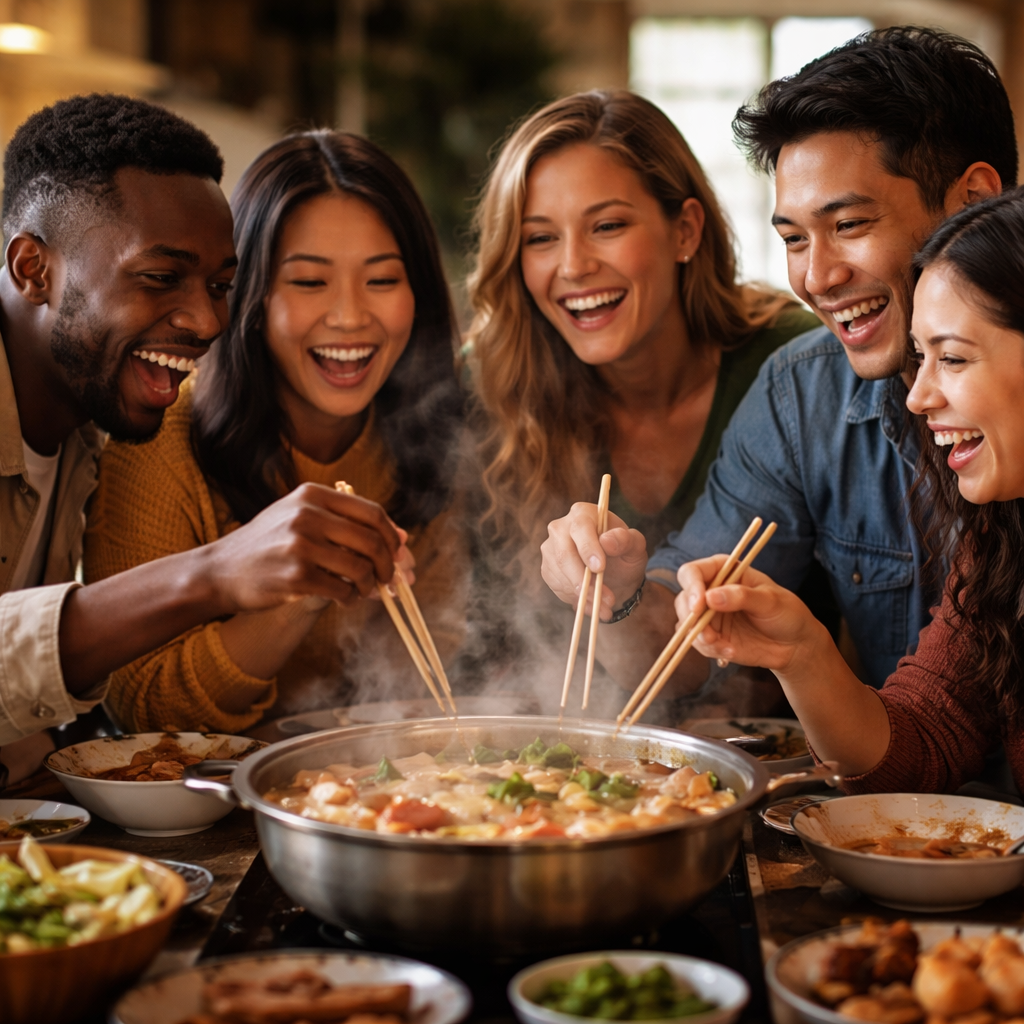
Walk into any trendy restaurant district in London, New York, or Sydney today, and you’ll likely spot something that would have seemed unusual just a decade ago: diners gathered around bubbling pots of aromatic broth, cooking their own ingredients at the table. Hot pot, once a distinctly regional Chinese dining experience, has transformed into a global phenomenon that’s reshaping restaurant menus and redefining social dining worldwide.
This surge in popularity isn’t just about a new food trend—it represents a fundamental shift in how international restaurants approach menu diversification and customer engagement. Behind the scenes, there’s a scramble happening among restaurateurs, food service operators, and distributors to secure reliable sources of authentic hot pot ingredients wholesale. The question isn’t whether to add hot pot to the menu anymore; it’s how to source the right ingredients to deliver an experience that meets rising consumer expectations for authenticity, quality, and convenience.
The cultural significance of hot pot runs deep. In China, gathering around a communal pot isn’t merely about eating—it’s about connection, conversation, and shared experience. This emotional resonance translates remarkably well across cultures, tapping into universal desires for interactive dining and social bonding. As restaurants worldwide recognize this appeal, they’re discovering that offering hot pot requires more than just a recipe—it demands a comprehensive understanding of ingredients, equipment, and the delicate balance of flavors that make the experience memorable.
The Foundation: Understanding Wholesale Hot Pot Ingredients
At its core, establishing a successful hot pot program begins with understanding the essential ingredient categories that define the experience. Unlike conventional restaurant fare where dishes arrive fully prepared, hot pot relies on a carefully curated selection of components that work together to create countless flavor combinations.
The foundation of any hot pot experience is the soup base. These concentrated flavor packets or pastes transform simple water into complex, aromatic broths that form the cooking medium for all other ingredients. From the fiery, numbing sensation of Sichuan mala bases to the comforting warmth of tomato-based options, soup bases set the tone for the entire meal. Suppliers now offer food-grade concentrates featuring natural ingredients like ginger, star anise, and premium chili peppers, designed specifically for commercial use where consistency matters as much as authenticity.
Beyond the base, the sauce station represents another crucial element. Traditional hot pot dining involves each guest customizing their own dipping sauce from an array of condiments—sesame paste, fermented tofu, chili oil, garlic, cilantro, and countless regional variations. For international restaurants, offering pre-mixed sauces alongside customizable options provides accessibility for newcomers while respecting traditionalists who know exactly how they want their sauce balanced.
The ingredient selection itself—the meats, seafood, vegetables, and specialty items that get cooked in the broth—requires careful sourcing across international supply networks. Premium sliced meats need specific thickness and marbling to cook properly in hot liquid. Fish balls, tofu varieties, and mushrooms must meet quality standards that ensure food safety while delivering authentic taste and texture. This is where wholesale relationships become critical: restaurants need suppliers who understand not just what these ingredients are, but how they function in the hot pot context.
Equipment completes the picture. Specialized hot pot tables with built-in burners, divided pot inserts for multiple broth options, and proper ventilation systems all contribute to operational success. Companies like CENHOT have emerged as dedicated suppliers of commercial hot pot equipment, recognizing that restaurants need more than just ingredients—they need the entire ecosystem to deliver the experience properly.
The Global Supply Chain: Connecting Authentic Sources with International Demand
The transformation of hot pot into a global dining option has created a complex supply chain challenge that specialized distributors are racing to solve. Traditional food distributors often lack the cultural knowledge and product range needed for authentic hot pot programs, creating opportunities for focused suppliers who understand both the source markets in China and the regulatory requirements of international destinations.
Companies operating in this space serve as cultural and commercial bridges connecting authentic Chinese food sources with global markets. They maintain relationships with manufacturers in regions known for specific products—Chongqing for authentic mala bases, Sichuan for specialty sauces, and various provinces for region-specific ingredients. This local presence matters tremendously. A distributor based in multiple Chinese cities can verify supplier credentials, conduct facility inspections, and ensure that products meet both traditional quality standards and modern food safety requirements.
The certification landscape represents one of the most significant challenges—and value propositions—for specialized suppliers. International markets demand compliance with region-specific standards: HACCP for general food safety, halal certification for Muslim markets, organic certifications for health-conscious segments, and country-specific import licenses. Platforms like TradeWheel have emerged to help buyers connect with potential suppliers, offering visibility into stated certifications and export experience.
For international restaurant operators, working with experienced distributors provides several advantages beyond product access. These partners understand the nuances of cross-border logistics—how to manage temperature-controlled shipping for sensitive ingredients, navigate customs requirements, and optimize container loads to balance product variety with cost efficiency. They can also provide market intelligence about emerging flavor trends, seasonal availability, and pricing dynamics that help restaurants plan their menus strategically.
The depth of a supplier’s network often determines their value to international buyers. A distributor connected to multiple manufacturers can offer private-label opportunities, allowing restaurants to develop signature soup bases or branded sauces that differentiate their concept. They can also source seasonal or specialty ingredients that create limited-time menu excitement, keeping regular customers engaged with new experiences.
Procurement Realities: What International Buyers Need to Consider
When international restaurants begin sourcing hot pot ingredients wholesale, they quickly encounter practical considerations that differ significantly from conventional restaurant supply chains. Understanding these dynamics helps operators make informed decisions that balance authenticity, cost, and operational efficiency.
Minimum order quantities (MOQs) represent the first major consideration. Direct-from-manufacturer purchasing typically offers the best pricing but requires substantial volume commitments—often full container loads for international shipping. For a single-location restaurant testing hot pot offerings, these volumes may exceed realistic usage within reasonable timeframes. This is where multi-tier distribution models prove valuable: regional distributors who import in bulk and break down orders allow smaller operators to access quality products without overcommitting inventory.
The direct-versus-distributor decision involves tradeoffs beyond just pricing. Direct relationships with manufacturers in China can reduce per-unit costs by 15-30%, but they require the buyer to manage logistics, handle all compliance documentation, and absorb the risk of quality issues discovered after shipping. Experienced distributors charge a premium for their services, but they provide value through consolidated shipping, regulatory expertise, quality pre-screening, and often inventory management support.
Private-label opportunities add another dimension to the procurement conversation. Restaurants building strong hot pot programs may eventually want signature products that reinforce their brand identity. Manufacturers often accommodate private labeling at relatively modest volume thresholds—sometimes as low as 1,000-2,000 units for soup bases or sauces. This allows growing concepts to differentiate themselves while maintaining flexibility as their program evolves.
Payment terms and quality assurance protocols also require careful attention. International food trade often involves letters of credit or other secured payment methods that protect both parties. Quality assurance becomes particularly critical: establishing clear specifications, requiring samples before full production runs, and implementing rigorous inspection protocols aligned with agreed product specifications and destination market requirements prevent costly surprises. Some buyers engage third-party inspection services; others rely on trusted distributors who have established quality control processes with their manufacturing partners.
The practical reality is that most successful international hot pot programs evolve through a phased approach to procurement. They may begin with small orders through specialized distributors to test menu offerings and build customer demand. As volumes grow and they better understand consumption patterns, they gradually transition to larger orders, possibly forming direct relationships with key manufacturers for high-volume items while maintaining distributor relationships for specialty products and new item testing.
Market Trends Reshaping the Hot Pot Landscape
The global hot pot market isn’t static—it’s responding to evolving consumer preferences and operational realities that are transforming how restaurants approach these programs. Understanding these trends helps forward-thinking operators position their concepts for sustainable success.
The demand for ready-to-use products continues accelerating. While traditionalists appreciate the craft of building soup bases from scratch using individual spices and aromatics, commercial operators increasingly favor concentrated bases that deliver consistent results with minimal preparation. Modern soup base manufacturers have responded with sophisticated products that capture authentic flavors while offering the convenience operators need. A single 400g packet can produce enough broth for multiple services, significantly reducing kitchen labor while maintaining quality standards that satisfy educated consumers.
Customization and personalization have emerged as defining characteristics of successful hot pot concepts. The data shows that hot pot and Korean BBQ restaurants leading growth metrics in 2024-2025 emphasize guest control over their dining experience. This extends beyond just choosing ingredients—it includes spice level adjustments, broth selection (with divided pots allowing multiple options simultaneously), and sauce customization. Restaurants that embrace this personalization through their ingredient sourcing and station design create memorable experiences that drive repeat visits.
Premium ingredients and health-conscious options represent another significant trend. While hot pot has always been adaptable to various dietary preferences, there’s growing demand for organic vegetables, sustainably sourced seafood, premium meat cuts, and specialty items like wild mushrooms or rare vegetables. Segment analysis shows rapid growth in premium hot pot offerings, suggesting consumers will pay more for perceived quality and health benefits. This creates opportunities for differentiation: restaurants partnering with suppliers who can source certified organic or premium ingredients can command higher price points while meeting sophisticated consumer expectations.
Regulatory compliance has shifted from optional to essential. International markets increasingly enforce stringent food safety standards and export regulations, and consumers expect transparency about ingredient sourcing and handling. Restaurants that prioritize suppliers with established food safety systems such as HACCP or ISO frameworks, supported by appropriate documentation for specific destination markets—protect themselves from regulatory issues while building consumer trust. This trend favors established suppliers with quality management systems over cheaper alternatives that may cut corners on compliance.
The globalization of regional variations adds complexity and opportunity. While Chongqing-style spicy hot pot dominates international awareness, sophisticated diners increasingly seek variety: Cantonese clear broths, Yunnan mushroom bases, Taiwanese shabu-shabu influences, and fusion interpretations. Forward-thinking restaurants recognize that offering rotational or seasonal broth options keeps menus fresh and attracts different customer segments. This requires suppliers with breadth—access to multiple regional products rather than just one style.
Cultural Bridges and Culinary Diplomacy
What makes the hot pot phenomenon particularly significant is what it represents beyond mere menu diversification. This dining format has become a vehicle for cultural exchange, introducing international diners to Chinese culinary traditions while adapting to local preferences and dietary customs.
The communal nature of hot pot dining breaks down social barriers in ways that conventional restaurant formats cannot. Diners become active participants rather than passive consumers, making choices about ingredients, cooking times, and flavor combinations. This engagement creates conversation opportunities—friends explaining regional variations, servers sharing cooking tips, or strangers at communal tables bonding over shared discoveries. In an increasingly digital world, this analog, social experience holds particular appeal.
For restaurants, successfully delivering hot pot requires more than just sourcing ingredients—it demands cultural knowledge that helps staff guide unfamiliar guests through the experience. This is where partnerships with suppliers who understand the cultural context become valuable. The best distributors don’t just ship products; they provide training materials, menu consulting, and insights about regional traditions that help restaurant teams tell authentic stories about what guests are experiencing.
The adaptation process works both ways. Chinese hot pot concepts expanding internationally learn to accommodate local preferences—offering mild broth options for spice-sensitive markets, including familiar proteins alongside traditional choices, or providing clear instructions for guests unfamiliar with the format. This cultural negotiation, when done respectfully, enriches both traditions rather than diluting them.
From a supply chain perspective, this cultural bridge-building represents exactly the mission that drives specialized trade facilitators navigating complex international food networks. Companies positioned at the intersection of Chinese food production and international markets play a crucial role in this exchange—not just moving products, but transferring knowledge, building understanding, and creating connections that transcend simple commercial transactions.
A New Paradigm for Global Dining
The scramble for hot pot ingredients wholesale reflects something larger than a temporary food trend. It represents a fundamental shift in how international restaurants think about menu development, customer engagement, and cultural authenticity. The restaurants succeeding in this space recognize that offering hot pot isn’t about adding another dish—it’s about creating an experience that resonates emotionally while delivering operational efficiency.
The supply chain that supports this global expansion continues evolving. Specialized distributors with deep roots in Chinese food production and comprehensive understanding of international regulatory requirements provide the foundation that makes widespread adoption possible. They enable restaurants in dozens of countries to access authentic ingredients, ensure quality and safety, and maintain consistency that builds customer loyalty.
For operators considering hot pot programs, the pathway forward involves careful partner selection. The right supplier relationship provides more than competitive pricing—it delivers cultural expertise, regulatory guidance, product innovation, and operational support that transforms ingredients into experiences. As the market matures, these partnerships will increasingly differentiate successful concepts from those that struggle.
Looking ahead, the hot pot evolution seems poised to continue. With thousands of new hot pot and related interactive dining outlets opening globally each year and consumer interest in authentic, interactive dining experiences showing no signs of slowing, the restaurants investing in proper ingredient sourcing, staff training, and cultural understanding will capture growing market opportunities.
At Jade Premium, we see ourselves as facilitators of these cultural and commercial connections. Our mission extends beyond simply supplying ingredients—we aim to bridge Eastern and Western culinary worlds, sharing the rich heritage of Chinese cuisine while ensuring that international markets receive products meeting the highest quality and safety standards. As hot pot continues reshaping global menus, we’re committed to supporting restaurants with not just products, but the knowledge and partnerships they need to honor this centuries-old tradition while making it accessible to diners worldwide.
The bubbling pots appearing in restaurants from London to Sydney aren’t just cooking ingredients—they’re simmering with possibility, connecting cultures one shared meal at a time.