
The global food industry is witnessing a fundamental shift. Walk into any upscale grocery store in London, browse the aisles of a specialty market in New York, or visit a high-end supermarket in Singapore, and you’ll notice something remarkable: premium Chinese food products commanding prices that would have seemed unthinkable a decade ago. Consumers are no longer simply looking for the cheapest option—they’re seeking stories, heritage, and authenticity.
This transformation reflects a broader trend called premiumisation, where buyers increasingly prioritize quality, cultural significance, and craftsmanship over price alone. According to global consumer research — for example by Nielsen and IBM/NRF — approximately 66% of shoppers are willing to pay extra for brands that demonstrate genuine environmental and social responsibility. For Chinese food products, this shift represents both an opportunity and a challenge. The days of competing solely on cost advantage are fading. Instead, success belongs to those who can articulate the rich cultural heritage behind their products while meeting stringent international quality standards.
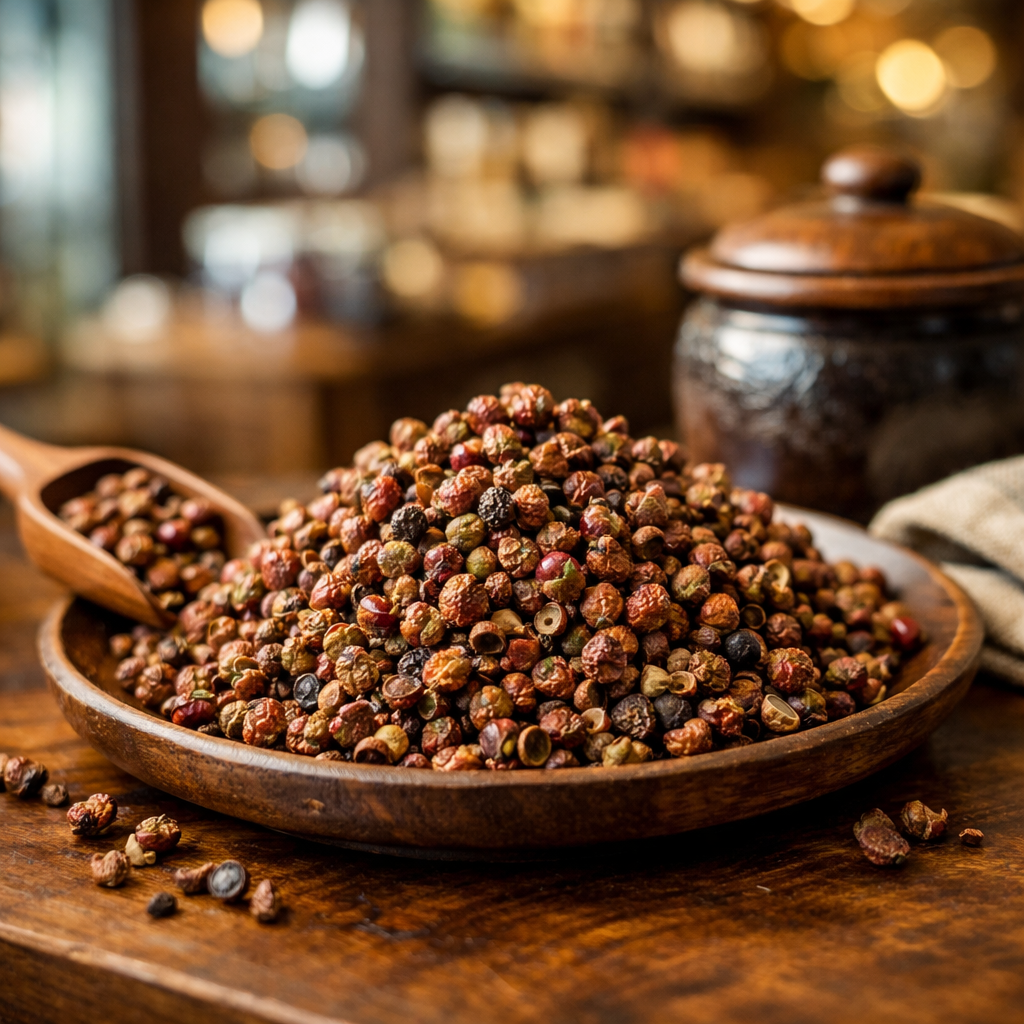
Consider the journey of a traditional Sichuan peppercorn. Once relegated to ethnic grocery stores, premium varieties now grace the shelves of Whole Foods and Waitrose, priced comparable to or higher than European spices. What changed? Not the peppercorn itself, but how its story is told—the centuries-old harvesting techniques, the specific terroir of the Sichuan mountains, the family farms that have perfected their craft across generations. This is premiumisation in action: consumers paying not just for a product, but for authenticity, tradition, and the cultural experience it represents.
For Chinese food exporters, this trend opens unprecedented possibilities. International buyers—from food importers and distributors to retail chain buyers across Europe, North America, the Middle East, and ASEAN regions—are actively seeking authentic Chinese ingredients that can differentiate their offerings. Restaurant operators and food service companies want products that tell a compelling story while delivering consistent quality. The question is no longer whether there’s a market for premium Chinese food products abroad, but how to position these products to capture that market effectively.
Building a Premium Brand Position in International Markets
Creating a successful premium Chinese food brand abroad requires more than just quality products—it demands strategic positioning that resonates with international consumers while remaining true to Chinese culinary heritage. Three elements form the foundation of this positioning: heritage storytelling, contemporary presentation, and trust signals.
Heritage storytelling transforms commodities into cultural artifacts. When international buyers purchase premium Chinese food products, they’re not just buying ingredients—they’re buying a connection to thousands of years of culinary tradition. Take the example of artisanal soy sauce brands entering Western markets. Rather than competing with established local brands on price, successful Chinese exporters emphasize their products’ historical production methods, the specific regions where soybeans are grown, and the master craftsmen who oversee fermentation processes that can take years to complete. This narrative elevates the product from a simple condiment to a premium ingredient with irreplaceable authenticity.
However, heritage alone isn’t enough. Contemporary packaging and presentation are equally crucial. Chinese food brands successfully expanding into Southeast Asia have demonstrated this principle brilliantly—they respect tradition while adapting to modern consumer expectations. Premium packaging that meets international aesthetic standards, clear ingredient labeling in multiple languages, and shelf-ready designs that work in Western retail environments all signal that a brand understands and respects its target market. This isn’t about abandoning Chinese identity; it’s about making that identity accessible and appealing to global consumers.
Trust signals provide the third pillar of premium positioning. International food certifications, traceability systems, and quality assurances matter enormously in markets where consumers may be unfamiliar with Chinese food safety standards. Certifications like HACCP, ISO, or organic credentials aren’t just regulatory requirements—they’re marketing tools that communicate commitment to quality. When a Chinese hotpot ingredient manufacturer can trace every component back to its origin farm and demonstrate compliance with EU food safety standards, it’s not just meeting regulations; it’s building the confidence that justifies premium pricing.
The strategic insight here is that premium positioning requires all three elements working together. Heritage without contemporary presentation appears outdated. Beautiful packaging without trust signals feels superficial. Certifications without compelling stories become mere bureaucratic checkmarks. The most successful Chinese food brands abroad integrate these elements seamlessly, creating a positioning that’s both authentically Chinese and genuinely premium in international terms.
Cultural Storytelling as a Bridge to Global Markets
At Jade Premium, we’ve built our philosophy around a fundamental belief: authentic Chinese cuisine deserves a place at global tables, and the world deserves to understand the ingredients, stories, and people behind China’s remarkable food exports. This isn’t just corporate messaging—it’s a recognition that cultural storytelling creates brand equity in ways that pure product specifications cannot.
Consider why some Chinese food products command premium prices while others remain price-competitive commodities. The difference often lies in the story. Macadamia nuts, once considered a foreign delicacy in China, transformed into a local specialty through strategic storytelling that emphasized local cultivation expertise and premium agricultural practices. Chinese food brands can achieve similar transformations abroad by articulating the cultural significance and craftsmanship behind their products.
Cultural storytelling works because it addresses a fundamental human desire: connection. When international buyers understand that a particular type of rice noodle has been made using the same technique in the same village for three centuries, or that a dumpling wrapper recipe was perfected by generations of dim sum masters, the product transcends its functional purpose. It becomes a vehicle for cultural exchange, a tangible connection to Chinese culinary heritage.
But effective cultural storytelling for international markets requires balance. This is where the tension between localization and standardization becomes critical. Some Chinese brands entering global markets attempt complete localization—adapting products so thoroughly to local tastes that their Chinese identity becomes diluted. Others insist on absolute standardization, presenting products exactly as they exist in China regardless of local preferences. Neither extreme works optimally.
The successful approach maintains core brand identity while respecting local market realities. A Chinese chili oil brand entering European markets might adjust its heat level slightly to accommodate different palate preferences, but it shouldn’t compromise on the authenticity of its Sichuan peppercorns or its traditional production method. The product adapts around the edges while protecting its cultural core. This balanced approach allows Chinese food brands to compete on authenticity rather than price, positioning themselves as genuine cultural ambassadors rather than mere commodity suppliers.
Jade Premium’s role in this ecosystem is that of a bridge-builder. With deep expertise in both Chinese food production and international market demands, we help authentic Chinese producers navigate the complexities of global expansion. We understand that a family-run dumpling manufacturer in Shanghai may produce exceptional products but lack the knowledge to position them effectively in North American retail chains. Similarly, international buyers often want to source premium Chinese ingredients but don’t know how to verify authenticity or navigate Chinese supply chains. By connecting these parties and translating cultural context in both directions, we enable premium Chinese food products to reach the global markets that value them.
Strategic Distribution and Market Entry Tactics
Positioning is only valuable if products actually reach target consumers. For premium Chinese food brands, distribution strategy often determines success or failure in international markets. The premium segment requires selective, strategic distribution rather than mass-market saturation.
Direct exporting remains the foundation for many Chinese food brands entering developed markets. This approach maintains brand control and preserves margins, but it demands sophisticated logistics capabilities and regulatory knowledge. A premium tea brand selling directly to specialty retailers in Europe must manage everything from compliance with EU food regulations to cold chain logistics that preserve product quality. The investment is substantial, but for truly premium products, direct relationships with retailers and importers build the brand equity that justifies premium pricing.
Selective distribution represents another crucial tactic. Rather than pursuing shelf space in every possible retail outlet, premium Chinese food brands benefit from strategic placement in channels that reinforce their positioning. A high-end Chinese sauce might perform better in specialty food stores and upscale supermarket chains than in discount retailers, even if the latter offers broader distribution. The retail environment itself communicates brand positioning—premium products surrounded by other premium offerings benefit from halo effects that justify their pricing.
Strategic partnerships accelerate market entry while mitigating risks. Chinese food brands expanding into Southeast Asia have demonstrated the power of partnering with established local distributors who understand regulatory requirements, retail relationships, and consumer preferences. These partnerships work best when they’re selective—choosing partners whose brand values and market positioning align with the Chinese brand’s premium positioning. A partnership with a distributor known for quality and authenticity reinforces the Chinese brand’s positioning; one with a price-focused distributor undermines it.
Digital channels are reshaping food distribution globally, creating new opportunities for premium Chinese food brands. E-commerce platforms allow direct consumer relationships that were impossible through traditional retail. Chinese brands can tell their stories more comprehensively online, provide cooking suggestions and recipes, and build communities around their products. For international markets, this is particularly powerful because it allows Chinese brands to educate consumers about unfamiliar ingredients while building brand loyalty. The US beverage market has recently seen Chinese chains leverage digital operations and aggressive innovation to challenge established players—a playbook that premium food brands can adapt.
Regional considerations significantly influence distribution tactics. The “China + N” strategy—where brands diversify production and distribution across multiple locations—helps manage geopolitical and cost risks while serving different markets more effectively. A premium Chinese food brand might maintain production in China for authenticity while establishing distribution centers in key markets to reduce delivery times and logistics costs. This approach balances the brand’s Chinese identity with practical market service requirements.
Product Adaptation and Packaging for Global Markets
Successfully entering international markets requires thoughtful product adaptation—but adaptation doesn’t mean abandonment of core identity. The most successful Chinese food brands abroad have mastered the art of adapting packaging and product presentation while maintaining the authenticity that justifies their premium positioning.
Product adaptation starts with understanding local preferences without compromising what makes the product authentically Chinese. When Unilever Food Solutions launched premium soy sauce for chefs in China, they blended R&D expertise with local culinary insights to create products that respected tradition while meeting professional kitchen requirements. Chinese brands can apply similar thinking in reverse—adapting products for international markets while preserving their cultural essence. This might mean offering different portion sizes for Western retail formats, adjusting packaging to accommodate different kitchen storage patterns, or providing usage instructions that bridge cultural cooking differences.
Packaging represents the first physical interaction consumers have with a brand, making it crucial for premium positioning. For Chinese food products entering markets like North America or Europe, packaging must meet both regulatory requirements and cultural expectations. Ingredient labels need clarity in local languages—for instance, US markets require English labeling (with Chinese being optional), while many markets mandate specific nutritional information formats. But beyond compliance, packaging design should signal premium quality through material choices, aesthetic sophistication, and shelf presence that commands attention.
Clear origin stories on packaging build credibility and justify premium pricing. When a package clearly communicates “Sourced from family farms in Yunnan Province using traditional cultivation methods preserved for eight generations,” it transforms a product from anonymous ingredient to cultural artifact. This transparency appeals to modern consumers who want to know where their food comes from and how it’s produced. For premium Chinese food products, origin stories aren’t just marketing—they’re the core value proposition.
Certifications displayed prominently on packaging provide essential trust signals. International buyers and consumers in developed markets look for certifications that verify food safety, quality standards, and production practices. Organic certifications, non-GMO verification, sustainable sourcing credentials, and international food safety certifications all contribute to consumer confidence. For Chinese food brands, these certifications overcome skepticism about Chinese food safety standards that may linger in some markets. They’re investments in credibility that directly support premium pricing.
The balance between Chinese identity and international accessibility shows up clearly in visual design. Premium Chinese food brands don’t need to hide their Chinese origin—in fact, emphasizing it differentiates them from competitors. But the visual language used to express that identity matters. Traditional Chinese calligraphy might be beautiful but illegible to Western consumers; contemporary Chinese design that’s both culturally authentic and internationally accessible works better. The best packaging designs celebrate Chinese heritage through modern visual expression that resonates across cultures.
Success Factors and Risk Mitigation for Premium Chinese Food Brands
Differentiating premium Chinese food brands in increasingly competitive global markets requires a clear understanding of success factors and potential risks. The brands that thrive internationally share several characteristics that set them apart from purely price-competitive alternatives.
Quality consistency represents the non-negotiable foundation of premium positioning. International buyers—whether retail chains, restaurant operators, or food distributors—need absolute confidence that every shipment will meet the same exacting standards. This requires sophisticated quality control systems, reliable supply chains, and production processes that deliver consistency at scale. Chinese food brands historically struggled with quality perception in some international markets; overcoming this requires transparent quality management and willingness to invest in systems that guarantee consistency.
Brand alignment throughout the value chain ensures that premium positioning remains intact from production to final consumer. This means carefully vetting distribution partners, monitoring how products are presented in retail environments, and maintaining control over brand messaging. When a premium Chinese dumpling brand allows discount retailers to heavily promote its products on price rather than quality, it erodes the brand equity that justifies premium pricing. Successful brands maintain discipline around where and how their products appear, even if it means sacrificing some volume.
Cultural authenticity backed by modern professionalism creates the powerful combination that international buyers value most. They want products that are genuinely Chinese, not diluted imitations—but they also need suppliers who understand international business practices, communicate effectively, and deliver reliably. This is where companies like Jade Premium provide crucial value. Our deep understanding of both Chinese food production and international market requirements allows us to bridge these worlds, helping authentic Chinese producers present themselves professionally while maintaining their cultural integrity.
However, significant risks require proactive management. Price competition from lower-tier brands constantly threatens premium positioning. As premium Chinese food products gain market traction, competitors inevitably emerge offering similar-looking products at lower prices. Defending against this requires continuous reinforcement of the authenticity, quality, and cultural significance that justify premium pricing. Strong branding, clear differentiation, and trusted relationships with buyers create barriers that protect premium positioning.
Regulatory compliance presents ongoing challenges in international food trade. Requirements differ across markets and frequently change, creating complexity that can derail market entry or expansion. Chinese food brands need either in-house regulatory expertise or trusted partners who can navigate these requirements. The cost of non-compliance—including product recalls, market access denial, or reputational damage—far exceeds the investment in proper compliance management.
Geopolitical considerations increasingly affect Chinese brands’ international expansion, particularly in markets like North America where China faces positioning as an economic rival. Chinese food brands must navigate these sensitivities carefully, emphasizing their products’ cultural and quality attributes while demonstrating transparency and responsibility. Building trust through certifications, traceability, and quality consistency helps overcome geopolitical headwinds.
The evolution of China’s food innovation landscape in 2025 focuses increasingly on health and premium quality, moving beyond price competition to value-based differentiation. Chinese producers are developing products with fewer additives, reduced or zero sugar, and nutritional enhancements that align with global health trends. For premium brands, this evolution supports their positioning—they’re not just selling Chinese products, they’re delivering innovative, health-conscious food solutions rooted in Chinese culinary traditions.
Looking forward, the opportunity for premium Chinese food products in global markets has never been stronger. International buyers actively seek authentic Chinese ingredients that differentiate their offerings. Consumers demonstrate willingness to pay premium prices for products with compelling stories and guaranteed quality. The challenge isn’t market demand—it’s execution.
Success requires integrating all the elements discussed: strategic premium positioning built on heritage and trust, effective cultural storytelling that bridges East and West, selective distribution that reinforces brand value, thoughtful product adaptation that respects both tradition and local preferences, and disciplined risk management that protects brand equity. Chinese food brands that master these elements don’t just export products—they become ambassadors for Chinese culinary culture, commanding premium prices by delivering authentic experiences that global markets genuinely value.
The shift from price-driven to value-driven decision-making in international food markets creates unprecedented opportunities for Chinese food exporters willing to invest in premium positioning. Those who embrace authenticity over imitation, quality over volume, and cultural storytelling over generic marketing will discover that global buyers aren’t just willing to pay more—they’re actively seeking the genuine Chinese food products that only authentic brands can deliver.