
The global food industry has witnessed a remarkable shift in how brands bring products to market. Rather than building manufacturing facilities from scratch, savvy food companies are increasingly turning to OEM (Original Equipment Manufacturer) partners to produce private label products under their own brand names. This approach allows businesses to focus on what they do best—marketing, distribution, and customer relationships—while leaving the complexities of production to specialized manufacturers.
Private label manufacturing has become particularly significant in today’s competitive food landscape. It enables brands to respond quickly to market trends, test new product concepts without massive capital investment, and offer consumers quality products at competitive prices. For international brands looking to expand their portfolios with authentic Asian flavors or tap into emerging food trends, Chinese OEM manufacturers have emerged as key partners in the region. The combination of manufacturing expertise, cost efficiency, and deep understanding of food production has positioned China as a major hub in Asia for private label food manufacturing.
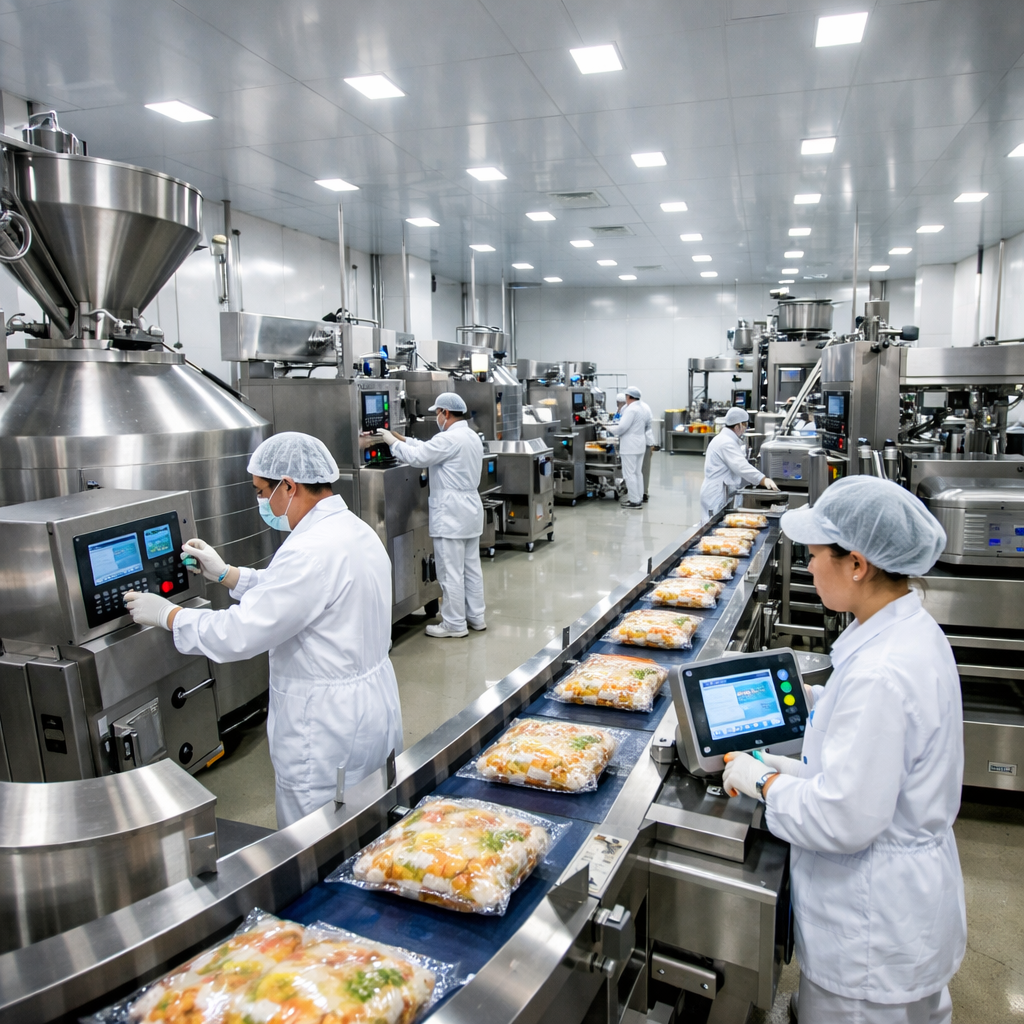
The Compelling Case for Chinese OEM Partners
Global food brands are gravitating toward Chinese OEM manufacturers for reasons that extend far beyond simple cost considerations. The scale of China’s food manufacturing infrastructure is unmatched anywhere in the world. With decades of investment in production facilities, supply chain networks, and technical expertise, Chinese manufacturers can handle orders ranging from small test batches to millions of units with equal proficiency.
Cost efficiency remains an undeniable advantage, but the real value proposition lies in how these savings enable brands to invest more in market development and consumer education. Chinese manufacturers achieve lower production costs through centralized raw material sourcing, automated manufacturing processes, and optimized workflow management. These efficiencies don’t come at the expense of quality—many Chinese OEM facilities have certifications and processes aimed at meeting international market standards, though compliance may vary by manufacturer.
The flexibility offered by Chinese OEM partners particularly resonates with brands seeking customization. Whether a company needs to adjust flavor profiles for regional preferences, modify packaging sizes, or reformulate products to meet specific dietary requirements, Chinese manufacturers have demonstrated remarkable adaptability. This flexibility aligns perfectly with the modern approach to food business—one that values agility and responsiveness to consumer needs. At Jade Premium, we’ve observed how this combination of scale, efficiency, and customization capability allows international brands to maintain their competitive edge while expanding into new markets.
Real-time digital monitoring systems have transformed quality control in Chinese food manufacturing. Temperature and humidity sensors, barcode traceability, and machine vision inspection systems ensure that every batch meets predetermined specifications. This technological sophistication provides international buyers with the confidence that their brand reputation remains protected throughout the production process.
The Product Portfolio: From Sauces to Ready Meals
Chinese OEM manufacturers excel across a diverse range of product categories, reflecting both traditional culinary expertise and modern food innovation. Sauces and condiments represent one of the largest segments, with Chinese factories producing everything from authentic soy sauces and chili oils to fusion condiments that blend Eastern and Western flavor profiles. The depth of knowledge in fermentation, aging, and flavor balancing gives Chinese manufacturers a distinct advantage in this category.
Ready-to-eat meals have become another major focus area. Chinese OEM partners can produce authentic dim sum, frozen dumplings, spring rolls, and other traditional dishes that maintain their quality and taste even after freezing and reheating. The technical expertise required to preserve texture and flavor through the freezing process makes these manufacturers invaluable partners for international brands seeking to offer genuine Chinese cuisine to their customers.
Niche products present particularly exciting opportunities. As global consumers become more adventurous in their food choices, demand has surged for specialty items like hotpot bases, authentic noodle varieties, traditional preserved vegetables, and regional Chinese delicacies. Chinese manufacturers possess the cultural knowledge and technical skills to produce these items authentically—a crucial factor when consumers increasingly value genuine culinary experiences over generic Asian flavors.
The canned food sector demonstrates the breadth of Chinese manufacturing capabilities. From canned fish and beans to fruits and vegetables, Chinese OEM factories have mastered the art of preserving food products while maintaining nutritional value and taste. Companies like Kingstar Food have built reputations on sustainability and health-focused production methods, showing how Chinese manufacturers adapt to evolving consumer priorities.
This product diversity reflects a fundamental strength of the Chinese food manufacturing ecosystem: the ability to combine centuries of culinary tradition with modern production technologies. For international brands, this means access to competitive products that can resonate with consumers seeking authentic cultural food experiences.
Navigating the Regulatory Landscape
Successful partnerships with Chinese OEM manufacturers require thorough understanding of the complex regulatory environment governing international food trade. China has implemented increasingly stringent food safety regulations in recent years, with GB standards (Guobiao Standards) establishing national regulations for product safety, quality, and compliance across industries. These standards ensure that products manufactured in China can meet the requirements of international markets.
Food contact materials represent a critical compliance area. As of September 2024, GB 4806.7-2023 has replaced previous regulations related to food contact plastics, updating China’s regulatory framework. This updated standard is part of China’s broader food safety system, and some manufacturers maintain processes that align with international food safety requirements. For international brands, working with OEM partners who maintain up-to-date knowledge of these evolving regulations is essential.
Certification requirements vary significantly depending on the destination market. Products bound for the European Union must comply with EU food safety regulations, while those entering the United States need to meet FDA standards. Chinese manufacturers experienced in international trade understand these varying requirements and can adjust their processes accordingly. The ability to navigate multiple regulatory frameworks simultaneously gives brands the flexibility to serve different markets from a single manufacturing partner.
Health food classifications in China fall under special supervision with particularly strict requirements. Product labels, ingredient sourcing, and production processes all face rigorous scrutiny. This regulatory stringency actually benefits international buyers, as it ensures that Chinese manufacturers maintain high standards throughout their operations. At Jade Premium, our comprehensive compliance expertise helps bridge the gap between Chinese production capabilities and international market requirements, ensuring that products meet all necessary standards while maintaining authentic flavor profiles.
Material testing, pressure equipment approval, and vendor inspections have become standard practices in the Chinese food manufacturing sector. These quality assurance measures provide international buyers with documented evidence of compliance, building trust and reducing the risks associated with cross-border food trade.
Practical Steps for Engaging Chinese OEM Partners
Defining precise product specifications marks the first critical step in any OEM partnership. International brands need to articulate not just basic requirements like ingredients and packaging, but also sensory characteristics—taste, texture, aroma, and appearance. The more detailed the specifications, the better the manufacturer can deliver products that match the brand’s vision. This specification process should include sample products when possible, providing tangible benchmarks for quality and characteristics.
Technical feasibility evaluation follows specification development. Chinese OEM teams assess whether they can produce the desired product within the given parameters, considering their existing equipment, raw material availability, and technical capabilities. This evaluation often reveals opportunities for optimization—ways to achieve the desired outcome more efficiently or cost-effectively without compromising quality. Experienced manufacturers will offer recommendations based on their production expertise, potentially suggesting ingredient substitutions that maintain authenticity while improving shelf stability or cost structure.
Regulatory compliance verification must occur before production begins. The OEM partner should confirm that proposed products meet all applicable regulations for the target markets. This includes ingredient approvals, labeling requirements, nutritional information formatting, and allergen declarations. Chinese manufacturers experienced in international trade maintain databases of regulatory requirements for different markets, allowing them to flag potential compliance issues early in the development process.
Production scheduling requires careful coordination between brand timelines and manufacturing capacity. Chinese manufacturers often work with multiple clients, so securing production slots well in advance ensures that products arrive when needed. Flexibility in scheduling can sometimes yield cost advantages, as manufacturers may offer preferential pricing for orders that fill otherwise idle production capacity.
Quality control protocols should be established jointly between the brand and manufacturer. This includes agreeing on inspection points during production, testing methodologies, and acceptance criteria for finished products. Many international brands employ third-party inspection services to verify quality, while others rely on detailed documentation and sample shipments for approval before full production runs.
The partnership doesn’t end when products ship. Successful OEM relationships involve ongoing communication about market feedback, potential improvements, and evolving regulatory requirements. At Jade Premium, we facilitate these long-term partnerships by maintaining continuous dialogue between international brands and Chinese manufacturers, ensuring that products remain aligned with market needs and regulatory standards.
Risk Mitigation in OEM Relationships
Quality inconsistency represents one of the primary concerns in any OEM relationship. Production batches can vary due to ingredient differences, equipment variations, or process deviations. Addressing this risk requires establishing clear quality standards from the outset, implementing robust inspection protocols, and maintaining consistent communication with the manufacturer. Regular factory visits and audits help identify potential quality issues before they impact shipped products.
Intellectual property protection poses legitimate concerns for brands working with Chinese manufacturers. While China has significantly strengthened IP protections in recent years, brands should still take proactive measures. Non-disclosure agreements, clear contractual terms regarding proprietary formulations, and careful selection of manufacturing partners all contribute to IP security. Working with established manufacturers who have long-term relationships with international clients reduces risk, as these companies understand that reputation depends on respecting client confidentiality.
Supply chain disruptions can derail even well-planned production schedules. Raw material shortages, transportation delays, or regulatory changes can all impact delivery timelines. Building buffer inventory, maintaining relationships with multiple suppliers for critical ingredients, and developing contingency plans help mitigate these risks. Experienced OEM partners proactively communicate potential disruptions and work collaboratively to develop solutions.
Communication barriers sometimes complicate OEM relationships. Language differences, time zone gaps, and cultural variations in business practices can all create misunderstandings. Having a knowledgeable intermediary who understands both Chinese manufacturing practices and international business expectations proves invaluable. This is where Jade Premium’s expertise becomes particularly relevant—our team bridges these communication gaps, ensuring that specifications, expectations, and feedback flow smoothly between international brands and Chinese manufacturers.
Regulatory compliance risks require constant vigilance. As regulations evolve in both China and destination markets, products that were compliant yesterday might face new requirements tomorrow. Partnering with manufacturers who maintain active compliance programs and work with experienced trade facilitators minimizes the risk of regulatory surprises that could halt shipments or require costly product modifications.
Financial risks include payment terms, currency fluctuations, and production deposits. Establishing payment schedules that protect both parties, using letters of credit for larger orders, and clearly defining terms for production defects all contribute to financial security. Experienced OEM partners understand international payment practices and can work within frameworks that provide appropriate protection for all parties.
The Competitive Advantage of Expert OEM Partnership
Choosing an experienced OEM partner in China offers international food brands significant strategic advantages that extend beyond production economics. The ability to launch products quickly gives brands crucial time-to-market advantages in competitive food categories. While building proprietary manufacturing facilities might take years, working with established Chinese OEM partners can reduce time-to-market to months or even weeks for certain product categories.
Market intelligence represents an often-overlooked benefit of working with experienced Chinese manufacturers. These partners observe trends across multiple clients and markets, providing insights into emerging ingredients, packaging innovations, and consumer preferences. This knowledge sharing helps brands stay ahead of market curves and identify opportunities before competitors do.
The flexibility to scale operations up or down based on market response protects brands from the risks of over-investment in manufacturing infrastructure. If a product exceeds expectations, OEM partners can typically increase production quickly. If market response disappoints, brands aren’t left with underutilized manufacturing facilities and excess inventory. This agility allows for the kind of experimentation and innovation that drives long-term competitive advantage.
Cultural authenticity in products matters increasingly to global consumers. Chinese OEM manufacturers bring deep cultural knowledge to products that claim Asian authenticity. From proper ingredient combinations to traditional preparation methods, these manufacturers ensure that products deliver genuine culinary experiences rather than superficial approximations. This authenticity builds consumer trust and brand loyalty in ways that generic “Asian-style” products cannot match.
At Jade Premium, we’ve witnessed how the right OEM partnership transforms international food brands’ capabilities. Our role as a bridge between authentic Chinese food production and global markets encompasses not just facilitating transactions, but ensuring that every product embodies both quality and cultural integrity. Our extensive network across major Chinese cities provides access to premium manufacturers whose standards align with international expectations, while our comprehensive compliance expertise ensures smooth market entry.
The future of international food trade lies in partnerships that respect both cultural authenticity and market requirements. Chinese OEM manufacturers, particularly those with experience serving international clients, offer the expertise, infrastructure, and flexibility that global food brands need to succeed in increasingly competitive markets. By combining centuries of culinary tradition with modern manufacturing capabilities, these partners enable brands to deliver products that satisfy both regulatory requirements and consumer expectations for authentic, high-quality food experiences.
For international brands seeking to expand their product portfolios with authentic Chinese cuisine or leverage Chinese manufacturing expertise for cost-effective production, the path forward involves careful partner selection, clear communication, robust quality control, and ongoing relationship management. With the right OEM partner and experienced facilitators to navigate the complexities of cross-border food trade, global brands can achieve private label success that delivers both profitability and consumer satisfaction. The question isn’t whether to engage Chinese OEM manufacturers, but how to do so in ways that maximize the strategic advantages while minimizing the inherent risks of international food trade.