
When a major European retailer recently discovered that their “premium” Chinese food supplier had been operating without proper safety certifications, it wasn’t just about financial loss—it was about trust shattered across an entire supply chain. In today’s interconnected global food trade, where products cross continents before reaching consumers’ plates, factory transparency has emerged as the single most critical factor separating reliable partners from risky ventures.
For international food importers and distributors working with Chinese suppliers, the temptation to prioritize price is understandable. However, the hidden costs of opacity—from regulatory penalties during cross-border recalls to brand damage—can outweigh any initial savings. Factory transparency isn’t merely a compliance checkbox; it’s the foundation upon which sustainable, trustworthy international food trade is built.
Understanding Factory Transparency: More Than Paperwork
Factory transparency encompasses the complete visibility into a supplier’s operations, from raw material sourcing to finished product delivery. For overseas food buyers, this generally means access to documentation such as business licenses, production permits, quality management certifications like ISO 22000 or HACCP, third-party audit results, and laboratory test reports.
Beyond static documents, true transparency includes real-time operational data—production schedules, inventory levels, temperature monitoring records, and quality control checkpoints. International food importers and distributors need this granular visibility to make informed decisions, especially when dealing with complex Chinese food supply chains where language barriers and geographical distance compound information asymmetry.
The scope extends to understanding supplier relationships throughout the chain. Who provides the raw materials and how are they verified? What processing facilities handle intermediate steps? Which logistics partners manage cold chain integrity? For retail chain buyers and food service operators sourcing authentic Chinese ingredients, these details determine whether products meet the stringent standards their customers expect.
Why Transparency Trumps Price: The Strategic Imperative
At Jade Premium, we’ve witnessed firsthand how prioritizing transparency over immediate cost savings transforms buyer-supplier relationships. The reasons are compelling and align directly with the challenges facing international trading companies in today’s market.
Risk Mitigation: Every dollar saved through cheaper pricing evaporates when contamination issues trigger product recalls. Transparent suppliers provide verifiable evidence of their safety protocols, allowing you to prevent crises rather than manage them. When you can trace every ingredient back to its origin and verify each processing step, you’re protecting not just revenue but your entire brand reputation.
Trust Building: The foundation of long-term partnerships rests on transparency. Suppliers willing to open their operations for scrutiny demonstrate confidence in their processes and commitment to your success. This openness creates the mutual trust necessary for navigating the complexities of cross-border food trade, particularly when dealing with evolving regulations in Europe, North America, the Middle East, and ASEAN markets.
Supply Chain Efficiency: Transparent data enables better planning. When you have real-time visibility into production capacity, inventory levels, and quality metrics, you can optimize ordering patterns, reduce safety stock, and respond faster to market demands. For restaurants, hotels, and catering companies, this visibility translates directly to menu reliability and customer satisfaction.
Ethical Sourcing: Modern consumers increasingly demand to know not just what they’re eating but how it was produced. Transparent supply chains allow you to verify labor practices, environmental standards, and animal welfare conditions—considerations that matter to end consumers and regulatory bodies alike. This visibility becomes especially critical when navigating religious certifications like kosher requirements.
Traceability vs. Transparency: Critical Distinctions
While often used interchangeably, traceability and transparency serve different functions in the Chinese food supply chain. Traceability refers to the ability to track a product’s journey from source to destination—a “one step back, one step forward” capability required by regulations like the FDA’s Food Safety Modernization Act (FSMA).
Transparency goes deeper. It’s about understanding the “why” and “how” behind each step. A Declaration of Conformity (DoC) exemplifies this distinction. Rather than simply tracing where ingredients came from, a DoC provides a formal statement from the supplier confirming that products meet specified requirements, backed by documented evidence including test results, certifications, and compliance verification.
Supplier verification processes demonstrate this difference. Traceability tells you which factory produced your order; transparency reveals that factory’s quality management system, recent audit findings, corrective action plans, and continuous improvement initiatives. For international food importers, this deeper knowledge enables partnership rather than mere transactional purchasing.
Food safety frameworks like HACCP (Hazard Analysis and Critical Control Points) and GMP (Good Manufacturing Practices) require both elements. Understanding how these standards integrate with Chinese quality systems helps importers assess true compliance depth. HACCP’s critical control points must be traceable, but understanding how suppliers identify hazards and implement preventive controls demands transparency into their food safety culture and management commitment.
Digital Tools: Enabling Modern Transparency
Technology has revolutionized how factory transparency functions in practice. For international buyers working with Chinese food suppliers, digital tools transform what was once a paper-heavy, opaque process into a dynamic, accessible system.
Centralized supplier portals now serve as single access points for all documentation. Rather than chasing certificates and reports through email chains, retail chain buyers can log into secure platforms where suppliers maintain updated licenses, audit reports, product specifications, and test results. These systems send automatic alerts when documents approach expiration, preventing gaps in compliance.
Real-time data dashboards provide operational visibility that was unimaginable a decade ago. Food service operators can monitor production progress, track shipment locations, and review quality control data as products move through the supply chain. Temperature sensors in cold storage facilities transmit continuous data, ensuring ingredient integrity from Chinese processing plants to international kitchens.
Blockchain technology is emerging as a game-changer for traceability and transparency in Chinese food exports. By creating immutable records of each transaction and transformation in the supply chain, blockchain provides verifiable proof of product journey and quality checkpoints. Several progressive Chinese suppliers are adopting blockchain platforms that allow international buyers to scan QR codes and access complete product histories—from farm to table.
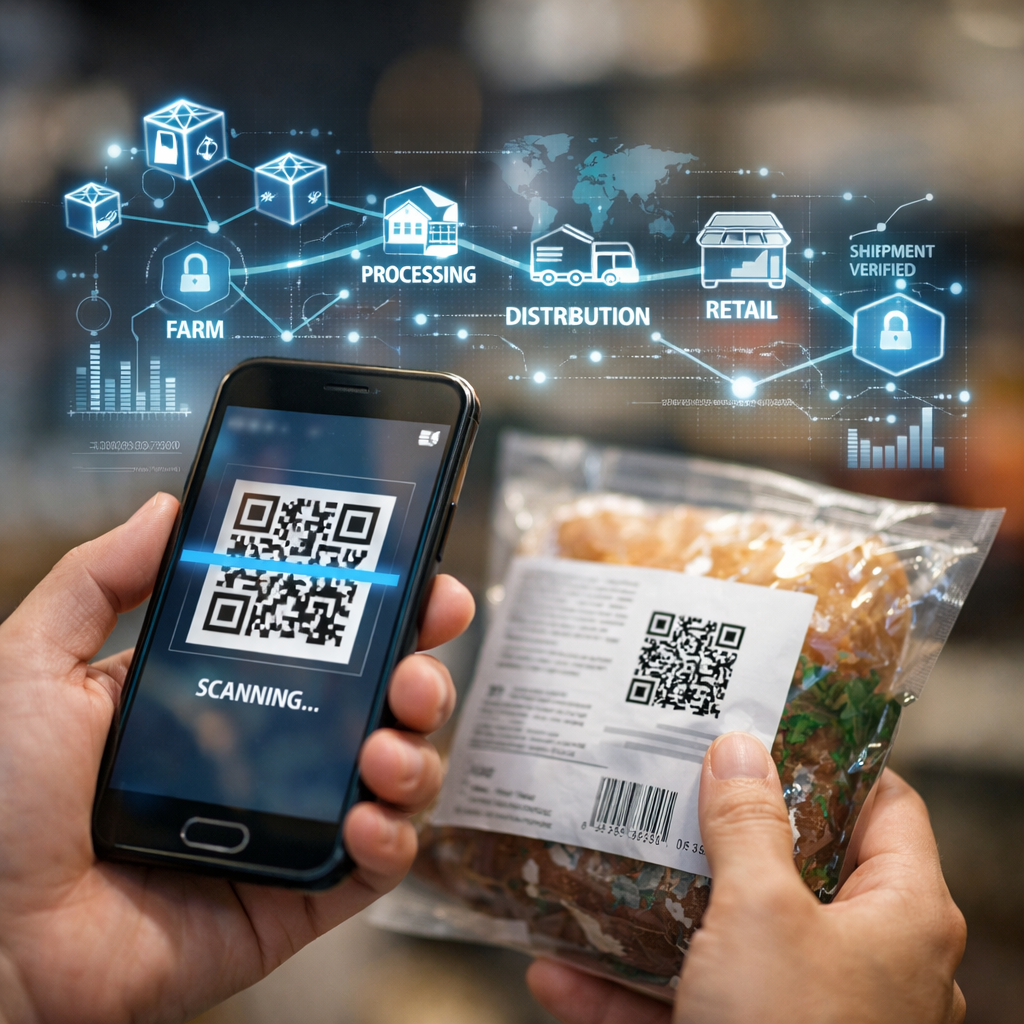
IoT (Internet of Things) devices embedded in production facilities capture real-time process data. Smart sensors monitor cooking temperatures, humidity levels in storage areas, and sanitation frequencies. For international trading companies importing processed Chinese foods, this granular operational data provides confidence that products consistently meet specifications.
The Chinese Context: Challenges and Progress
Understanding factory transparency in China requires acknowledging both historical challenges and remarkable recent progress. The sheer scale of China’s food industry—with millions of food producers ranging from family workshops to industrial facilities—creates inherent complexity for international buyers seeking reliable partners.
Historically, information sharing in Chinese business culture emphasized relationship-based trust over documentary evidence. Many smaller producers viewed transparency requests as invasive or unnecessarily bureaucratic. However, this landscape is rapidly evolving. Government initiatives like the “Smart Supervision” platform aim to digitize food safety oversight, gradually creating more publicly accessible databases of licensing information and inspection results.
Leading Chinese food manufacturers increasingly recognize transparency as competitive advantage. They understand that international food importers and distributors demand verifiable quality evidence, and they’re investing in systems to provide it. Digital traceability platforms are being adopted by progressive suppliers who see transparency as the gateway to premium international markets.
Regulatory developments support this transformation. China’s revised Food Safety Law strengthens traceability requirements, mandates electronic record-keeping, and increases penalties for documentation failures. Provincial governments are piloting blockchain-based traceability systems for key food categories, gradually building the infrastructure for comprehensive supply chain transparency.
At Jade Premium, our presence across major Chinese cities—Hong Kong, Shenzhen, Guangzhou, Shanghai, Chengdu, Wuhan, and Changsha—provides unique insight into these regional variations and developments. Our expertise in managing complex export logistics and compliance requirements ensures transparency extends beyond factory walls to complete supply chain visibility. We’ve observed how suppliers in coastal export hubs typically offer more advanced transparency systems than those in inland regions, though this gap is narrowing as digital tools democratize best practices.
Practical Steps to Improve Factory Transparency
For international buyers ready to prioritize transparency in their Chinese food sourcing, actionable steps create immediate improvements.
Map Your Supply Network: Start by documenting all participants in your supply chain, not just direct suppliers. Identify who provides raw materials, which facilities handle processing, and what logistics partners ensure delivery. This mapping reveals hidden risks and opportunities for transparency improvements.
Define Clear Standards: Establish specific transparency requirements for suppliers. What documents are mandatory? What data access do you need? How frequently should information be updated? Clear expectations prevent misunderstandings and provide suppliers with a roadmap for compliance.
Require Key Certifications: Mandate internationally recognized certifications like ISO 22000, BRC, or IFS. These standards ensure suppliers maintain documented quality systems and submit to regular third-party audits. Learn more about strategic certification planning for importers to build comprehensive compliance frameworks. For retail chain buyers serving European markets, BRC certification is particularly valuable.
Conduct Regular Audits: Supplement supplier-provided documentation with independent verification. Schedule announced and unannounced facility visits to verify that operational practices match documented procedures. Many international trading companies partner with third-party audit firms specializing in Chinese food facilities.
Implement Traceability Technology: Adopt digital platforms that enable end-to-end supply chain visibility. Solutions range from simple cloud-based document management systems to sophisticated platforms integrating IoT sensors, blockchain verification, and predictive analytics.
Build Supplier Capacity: Recognize that improving transparency requires investment. Support suppliers through training programs, technology adoption assistance, and clear communication about market requirements. Long-term partnerships flourish when buyers help suppliers meet evolving standards.
Measuring Transparency Progress: Key Metrics
Quantifying transparency improvements requires specific, measurable indicators. International food importers should track several key metrics to assess their Chinese supply chain transparency.
Declaration of Conformity Coverage: What percentage of your suppliers provide formal DoCs for their products? This metric reveals how many partners can formally attest to meeting your specifications with documented evidence.
Audit Coverage and Frequency: How many suppliers undergo third-party audits annually? What percentage receive unannounced visits? Higher audit coverage correlates with better transparency and lower risk.
CAPA Closure Rates: When audits identify non-conformances, how quickly do suppliers complete corrective and preventive actions (CAPA)? Timely closure demonstrates operational transparency and commitment to continuous improvement.
Traceability Completeness: Can you trace every product batch back to its raw material sources? Complete traceability indicates robust transparency systems throughout your Chinese food supply chain.
Document Currency: What percentage of required documents are current and within validity periods? Expired licenses or outdated test reports signal transparency gaps requiring immediate attention.
Overcoming Common Transparency Challenges
Implementing comprehensive transparency programs faces predictable obstacles, particularly in Chinese food supply chains. Understanding common supply chain risks and mitigation strategies enables proactive solutions rather than reactive crisis management.
Cost Concerns: Suppliers often resist transparency improvements citing expense. Address this by demonstrating how transparency enables premium pricing, reduces quality issues, and opens new market opportunities. For food service operators and retail buyers willing to pay fairly for verified quality, this value proposition resonates.
Complexity Management: Comprehensive transparency generates vast amounts of data. Implement digital systems that automate collection, organization, and analysis. Cloud-based platforms designed for food supply chain management simplify what otherwise becomes overwhelming.
Data Privacy: Suppliers legitimately worry about proprietary information exposure. Establish clear data use agreements specifying what information is shared, with whom, and for what purposes. Non-disclosure agreements and secure access controls protect sensitive operational details while enabling necessary transparency.
Supplier Resistance: Some Chinese suppliers view transparency requests as distrust. Counter this by framing transparency as partnership enablement rather than surveillance. Share how visibility helps you plan better, commit to larger volumes, and provide market intelligence that benefits mutual growth.
At Jade Premium, our deep cultural expertise and local market knowledge prove invaluable in navigating these challenges. Our team’s understanding of both Chinese business culture and international market requirements enables us to facilitate transparency improvements while maintaining positive supplier relationships.
The Future: Emerging Transparency Trends
Factory transparency continues evolving rapidly, driven by technology advancement and regulatory development. Several trends will reshape how international buyers interact with Chinese food suppliers.
Standardized Digital Declarations: Expect increasing adoption of standardized, machine-readable DoCs that enable automated compliance verification. Industry groups are developing common formats allowing buyers to efficiently process transparency data from multiple suppliers.
Blockchain Becomes Mainstream: As costs decrease and usability improves, blockchain-based traceability will transition from pilot projects to standard practice. This technology’s ability to create trusted, tamper-proof supply chain records addresses the fundamental transparency challenges in international food trade.
ESG Integration: Environmental, social, and governance considerations are merging with traditional quality and safety transparency. International buyers increasingly demand visibility into suppliers’ carbon footprints, water usage, waste management, and labor practices. Chinese food exporters adapting to these expanded transparency requirements will capture premium market opportunities.
AI-Powered Analytics: Artificial intelligence will transform how transparency data creates value. Predictive algorithms analyzing supplier performance data can flag potential issues before they become problems, enabling proactive risk management.
Regulatory Harmonization: International efforts to standardize food safety requirements will simplify transparency for global trade. The Global Food Safety Initiative’s benchmarking of certification schemes creates common standards that Chinese suppliers can implement to access multiple markets.
Conclusion: Transparency as Competitive Advantage
The question facing international food importers is no longer whether to prioritize transparency over price, but how quickly they can build transparency into their Chinese sourcing strategies. Market realities—from regulatory requirements to consumer demands—make comprehensive supply chain visibility non-negotiable.
For retail chain buyers, food service operators, and international trading companies, partnering with transparent Chinese food suppliers delivers measurable advantages: reduced risk, stronger trust, operational efficiency, and market differentiation. These benefits far exceed any price premiums associated with transparency implementation.
At Jade Premium, our vision of deepening global premium food resource integration while promoting mutually beneficial international partnerships depends fundamentally on transparency. Our comprehensive trade services—from supplier qualification verification to quality control and compliance transformation—enable transparency throughout the Chinese food supply chain we serve.
We believe that bringing authentic Chinese cuisine to global tables requires more than logistics and documentation. It demands the trust that only transparency can build. As your partner in navigating China’s complex food export landscape, we provide not just products but the verifiable quality evidence and operational visibility that modern international food trade requires.
The future belongs to suppliers and buyers who embrace transparency as competitive advantage rather than compliance burden. In this future, price remains important—but trust, backed by verifiable evidence and operational visibility, determines who succeeds in connecting China’s rich culinary heritage with discerning global markets.