
The global ethnic food market is experiencing unprecedented growth, transforming from a niche category into a mainstream phenomenon that’s reshaping how we think about food sourcing and consumption. According to Fortune Business Insights, valued at approximately $93.9 billion in 2025, the market is projected to reach an impressive $154.9 billion by 2032, reflecting a robust compound annual growth rate of 7.4%. This isn’t just another market trend—it’s a fundamental shift in consumer preferences that smart buyers are recognizing as a once-in-a-generation opportunity.
What’s driving this explosive growth? The answer lies in authenticity. Today’s consumers aren’t satisfied with watered-down versions of international cuisine. They’re seeking genuine culinary experiences that connect them to different cultures and traditions. International travel, migration patterns, and the digital age have exposed millions of people to diverse food cultures, creating an appetite for the real thing. According to research from Datassential, authenticity is a growing priority for consumers in food and beverage choices. This cultural diversification has turned ethnic foods from an exotic curiosity into an everyday expectation across international markets.
For buyers in the food industry—whether you’re an importer, distributor, retailer, or food service operator—understanding this trend toward authenticity isn’t optional anymore. It’s essential. The companies that recognize this shift and position themselves to deliver genuine ethnic food experiences are the ones that will thrive in the coming decade. The question isn’t whether to enter this market, but how to do it right.
The Evolution of Ethnic Foods in Mainstream Markets
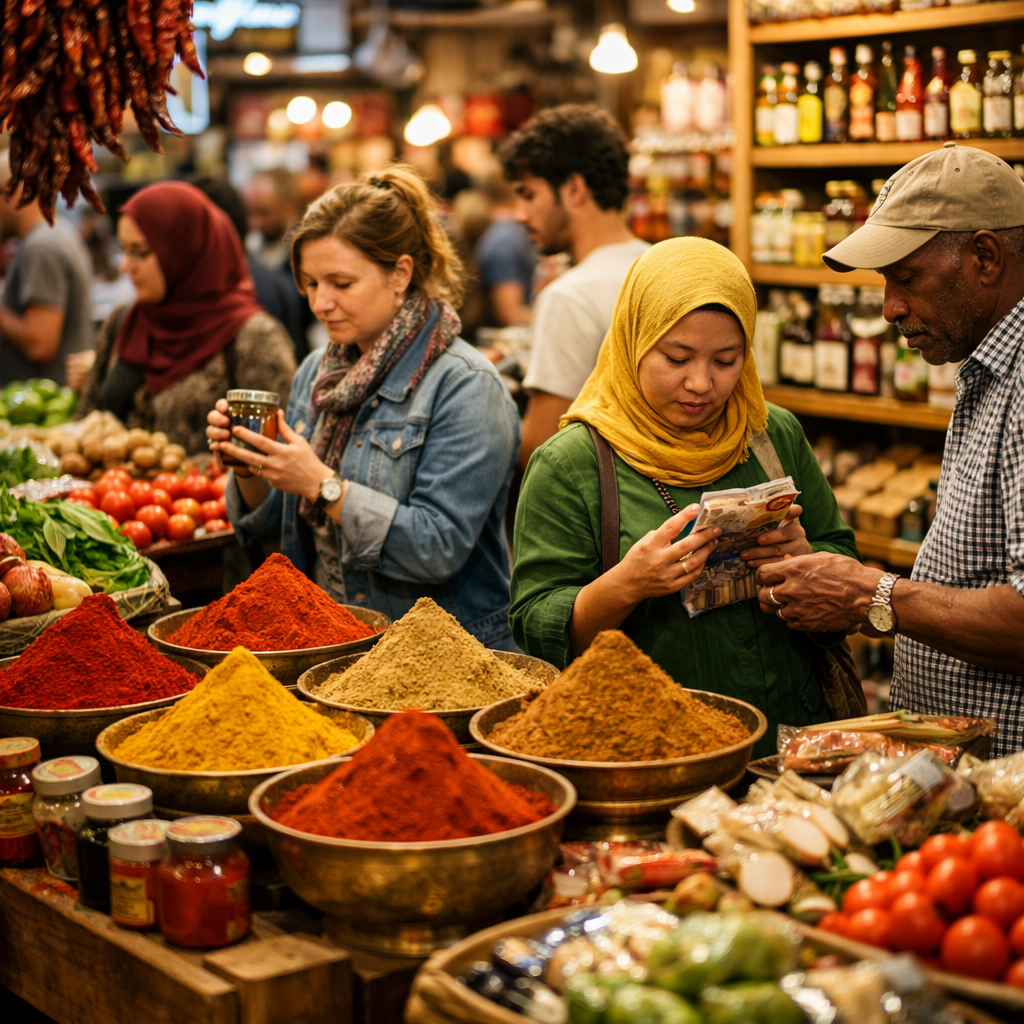
Walk into any major supermarket in North America or Europe today, and you’ll notice something remarkable: ethnic foods have moved from isolated specialty aisles to prime shelf space throughout the store. Asian sauces sit beside traditional condiments. Mexican ingredients appear in the produce section. Middle Eastern spices occupy prominent positions in the baking aisle. This integration reflects a profound change in how consumers shop and cook.
The numbers tell a compelling story. Research shows that 68% of consumers actively want to try new foods, driving unprecedented demand for culinary experimentation. This shift reflects a broader transformation in how wholesale Asian foods have moved from niche categories to mainstream necessity. This isn’t limited to adventurous foodies—it’s become mainstream behavior across demographics. Young professionals are seeking quick, authentic ethnic meal solutions. Families are exploring diverse cuisines for weeknight dinners. Even traditional restaurants are incorporating ethnic ingredients to refresh their menus and attract new customers.
The rise of plant-based options has created an interesting intersection with ethnic foods. Many traditional ethnic cuisines naturally feature plant-forward dishes, making them perfectly positioned to capitalize on the plant-based movement. The global food culture trend shows consumers seeking traditional flavors while embracing modern dietary preferences. Think of Indian dal, Chinese vegetable dumplings, or Middle Eastern falafel—these dishes deliver both authenticity and align with modern dietary preferences. Smart buyers are recognizing that ethnic foods can simultaneously address multiple consumer trends: the desire for authenticity, the shift toward plant-based eating, and the demand for natural, minimally processed ingredients.
Modern taste preferences are also evolving in fascinating ways. Consumers want authentic flavors but with contemporary twists. They’re interested in traditional recipes that accommodate dietary restrictions or incorporate local ingredients. This fusion of old and new creates opportunities for innovation while maintaining cultural integrity. Companies like Jade Premium understand this balance, focusing on natural, premium, and healthy products that honor traditional preparations while meeting modern quality standards. The key is maintaining authenticity while ensuring products meet international expectations for quality, safety, and convenience.
Regional Dynamics: Where the Opportunities Are
The ethnic food market isn’t growing uniformly—different regions present distinct opportunities and challenges. In the United States, the market has seen consistent growth at a CAGR of 1.1% over the past five years, reaching $58.9 billion in 2025. While this might seem modest compared to other regions, the sheer size of the market and the depth of consumer engagement make it incredibly valuable. American consumers have embraced ethnic foods as part of their regular rotation, not just occasional experiments.
Europe presents an equally compelling picture. The continent’s rich history of immigration and cultural exchange has created sophisticated palates eager for authentic ethnic experiences. European consumers tend to be particularly discerning about quality and authenticity, making it a premium market where genuine products command strong margins. The European market also benefits from established import infrastructure and clear regulatory frameworks, though these requirements demand careful navigation.
However, the most explosive growth is happening in the Asia-Pacific region. This might seem counterintuitive—after all, isn’t Asian food already local there? The reality is more nuanced. Asian consumers are increasingly interested in ethnic foods from other Asian countries as well as Western cuisines. A Chinese consumer might seek authentic Japanese ingredients, while a Japanese buyer looks for genuine Thai products. This intra-Asian trade in ethnic foods represents a massive and often overlooked opportunity. The region’s growing middle class, increasing urbanization, and exposure to international trends create perfect conditions for ethnic food expansion.
Emerging markets in the Middle East and Africa deserve special attention from forward-thinking buyers. These regions are experiencing rapid economic development, urbanization, and a young, globally connected population. As disposable incomes rise, so does the desire for international culinary experiences. The Middle East, in particular, has shown remarkable growth in food imports, with consumers seeking both authentic ethnic products and premium international brands. African markets, while still developing, present long-term opportunities as infrastructure improves and consumer purchasing power grows.
Understanding these regional dynamics is where companies like Jade Premium add tremendous value. With offices strategically located across Hong Kong, Shenzhen, Guangzhou, Shanghai, Chengdu, Wuhan, and Changsha, they’ve built a comprehensive network that understands local production capabilities while maintaining a global perspective. This dual understanding—knowing both where authentic products come from and what international markets demand—is crucial for successful ethnic food trade. For buyers navigating Chinese export regulations, partnering with experts who understand both production capabilities and international compliance requirements becomes essential. Their role as a trusted curator connecting authentic Chinese cuisine with global markets demonstrates how proper cultural and market expertise can bridge the gap between production and consumption.
Navigating the Complex Supply Chain Landscape
Here’s where ethnic food trade gets challenging: authenticity means nothing if products don’t arrive safely, meet regulatory requirements, or maintain quality throughout the supply chain. The complexity of sourcing ethnic foods goes far beyond traditional food trade. You’re not just moving products across borders—you’re transporting culture, tradition, and trust.
Traceability has become non-negotiable in today’s market. Buyers need to know exactly where products come from, how they’re produced, and who handles them along the supply chain. This is particularly crucial for ethnic foods, where authenticity claims must be verifiable. Consumers and regulators alike demand transparency. A product labeled as “authentic Chinese hot pot ingredients” must genuinely come from reputable Chinese producers using traditional methods. This requires deep relationships with source producers and rigorous verification processes.
Quality control presents unique challenges in ethnic food trade. Traditional production methods might not automatically align with international quality standards. A genuinely authentic product needs to maintain its traditional character while meeting modern food safety requirements. This is where comprehensive Chinese product quality standards and verification systems play a critical role in building international trust. This balance requires expertise in both the cultural context of food production and international regulatory frameworks. It’s not enough to find authentic products—you need to ensure they can successfully enter and thrive in international markets.
Ethical sourcing has moved from a nice-to-have to a must-have. Today’s consumers, particularly in developed markets, want to know that the foods they buy support fair labor practices, environmental sustainability, and community development. For ethnic foods, this extends to cultural respect—ensuring that products genuinely represent and benefit the communities they come from, not merely exploit cultural capital for profit.
This is precisely where integrated supply chain solutions become invaluable. Jade Premium’s approach demonstrates what comprehensive support looks like: from source-to-delivery procurement solutions and supplier qualification verification to customized procurement planning and cross-cultural business negotiation support. They handle product compliance transformation, logistics optimization, and end-to-end quality control. This holistic approach doesn’t just reduce risks—it optimizes the entire cross-border trade process.
Consider the challenge of bringing Chinese dim sum to European markets. It’s not just about finding quality dim sum producers (though that’s crucial). You need to understand traditional preparation methods, verify ingredient sources, ensure products meet EU regulations, manage cold chain logistics, adapt packaging for European preferences, and communicate the cultural significance to buyers and consumers. Each step requires specialized knowledge and relationships. Companies that can navigate this complexity while maintaining product authenticity and quality create genuine competitive advantages.
Market intelligence adds another layer of value. Beyond logistics and compliance, successful ethnic food buyers need to understand culinary traditions, export trends, and industry innovations. What emerging Chinese food products might appeal to international markets? How are traditional recipes evolving to meet modern preferences? Which regions produce the highest quality versions of specific products? This knowledge transforms transactions into strategic partnerships and helps buyers stay ahead of market trends rather than reacting to them. Understanding emerging innovations in Chinese food exports positions buyers to capitalize on next-generation products before competitors.

Strategic Opportunities for Smart Buyers
The ethnic food boom creates several distinct opportunities for buyers willing to think strategically. Private-label ethnic lines represent perhaps the most accessible entry point. Retailers and distributors can develop branded ethnic product lines that deliver authentic experiences at competitive prices. The key is finding reliable partners who can source genuine products and maintain consistent quality. Private labels allow buyers to build brand loyalty while controlling margins more effectively than simply stocking third-party brands.
Partnerships with niche ethnic brands offer another compelling avenue. Small to medium-sized authentic producers often have exceptional products but lack the expertise or resources to navigate international markets. Smart buyers can identify these hidden gems and build exclusive or preferred partnerships. This approach lets you offer truly differentiated products while supporting authentic producers. The challenge lies in proper due diligence—verifying that these producers can scale while maintaining quality and authenticity.
The meal kit and ready-to-cook market has exploded, and ethnic foods are perfectly positioned to capitalize. Consumers want convenient ways to create authentic ethnic meals at home without spending hours sourcing specialty ingredients. Pre-portioned ingredient kits for dishes like Chinese hot pot, Thai curry, or Indian biryani remove barriers to trial and regular consumption. The success of ready to cook Chinese meals demonstrates how convenience and authenticity can powerfully combine to drive market growth. This segment combines the convenience trend with the authenticity trend, creating powerful synergies.
Direct-to-consumer platforms have revolutionized how ethnic foods reach consumers. E-commerce allows specialty ethnic products to find their audience regardless of geography. A Chinese food enthusiast in a small European town can now access authentic ingredients that would never appear in local stores. For buyers, this means opportunities to build direct relationships with consumers, gather valuable feedback, and test products before committing to retail distribution.
Innovation in ethnic foods doesn’t mean abandoning tradition—it means finding new ways to share and celebrate it. This is where storytelling becomes crucial. Consumers don’t just want to buy ethnic foods; they want to understand the cultural context. Where does this recipe come from? Who makes it? What occasions is it traditionally served for? How do you properly prepare and enjoy it? Buyers who can effectively tell these stories create emotional connections that drive discovery, trial, and loyalty.
Social media has become the primary vehicle for food discovery. Platforms like Instagram, TikTok, and YouTube have made ethnic foods more visible and accessible than ever. As marketing experts note, authenticity in storytelling has become crucial for brands seeking to connect with culturally curious consumers. A viral recipe video can create overnight demand for specific ingredients. Smart buyers monitor these trends and position themselves to capitalize on emerging interest. But beyond chasing viral moments, consistent storytelling about cultural origins, cooking techniques, and the people behind products builds lasting engagement.
Jade Premium’s approach illustrates how this storytelling can be integrated throughout the supply chain. By highlighting the quality, cultural significance, and innovation behind Chinese food exports, they’re not just facilitating trade—they’re building understanding and appreciation. Their vision of promoting mutually beneficial international food trade partnerships and delivering exceptional, safe culinary experiences recognizes that successful ethnic food trade isn’t just transactional. It’s about building trust and understanding between Eastern and Western food markets.
Why Authenticity Is the Winning Bet
As we look at the ethnic food market’s trajectory, one truth becomes undeniable: authenticity isn’t just a trend—it’s the foundation of sustainable success. Consumers can increasingly recognize and reject inauthentic products. They’ve developed sophisticated palates through travel, diverse social circles, and exposure to genuine ethnic cuisines. Products that claim authenticity but deliver mediocre imitations face swift rejection and reputational damage.
The projected growth from $93.9 billion to $154.9 billion by 2032 isn’t happening despite the focus on authenticity—it’s happening because of it. Consumers are willing to pay premium prices for genuine ethnic foods that deliver real cultural experiences. They’re seeking natural, premium, and healthy products that honor traditional preparations while meeting modern standards. This alignment of consumer values with authentic ethnic foods creates sustainable demand that will only strengthen over time. For businesses looking to capitalize on this growth, understanding why buyers pay premium prices for authenticity reveals the strategic advantages of quality over cost competition.
For buyers, the choice is clear: invest in authenticity or risk obsolescence. This means developing deep expertise in ethnic food sourcing, building relationships with authentic producers, ensuring rigorous quality control, and communicating cultural significance effectively. It means partnering with companies that understand both the source markets and the destination markets—organizations that can bridge cultural and operational gaps.
Companies like Jade Premium demonstrate what this commitment looks like in practice. Their positioning as a bridge connecting authentic Chinese cuisine with global markets, their comprehensive network across major Chinese production centers, their expertise in international compliance and quality standards, and their vision of building trust between Eastern and Western food markets all align with what today’s ethnic food market demands. Their slogan “Bringing Authentic Chinese Cuisine to Global Tables” isn’t just marketing—it’s a recognition that authenticity creates value for everyone in the supply chain, from producers to end consumers.
The ethnic food market’s growth represents more than a business opportunity—it’s a chance to participate in genuine cultural exchange. As our world becomes more connected, food remains one of the most powerful ways to experience and appreciate different cultures. Smart buyers who recognize this aren’t just building profitable businesses; they’re fostering understanding, respect, and connection across cultural boundaries.
The question facing food industry buyers isn’t whether to embrace ethnic foods—that decision has been made by consumers worldwide. The question is how deeply you’ll commit to authenticity and how effectively you’ll navigate the complex landscape of international ethnic food trade. Those who answer wisely and act decisively will find themselves positioned for extraordinary success in one of the food industry’s most dynamic and rewarding segments. The time to bet on authenticity is right now, and the smart buyers are already placing their chips.