
The decision to source Chinese dim sum ingredients from a wholesale partner isn’t just a procurement choice—it’s a strategic decision that fundamentally shapes your menu’s success in the competitive international food market. Whether you’re an international food importer, a retail chain buyer, or a food service operator, the wholesale partner you select determines the authenticity, quality, and profitability of your dim sum offerings.
In today’s globalized food industry, consumers have become increasingly sophisticated. They can distinguish between authentic dim sum made with traditional ingredients and imitations that miss the mark. As authentic Chinese ingredients sourcing becomes more critical, understanding quality markers helps separate genuine products from substandard alternatives. A restaurant in London serving har gow with rubbery wrappers or a retail chain in Dubai offering siu mai with substandard fillings will quickly lose customer trust. The wholesale partner you choose directly impacts whether your business delivers genuine Chinese culinary experiences or disappointing alternatives.
Beyond authenticity, your wholesale partner influences operational efficiency, cost structures, and compliance with international food safety standards. This is particularly crucial when navigating Chinese export regulations that govern food product trade. A reliable supplier ensures consistent product availability, maintains cold chain integrity during shipping, and provides proper documentation for customs clearance. Conversely, an unreliable partner creates supply chain disruptions, quality inconsistencies, and potential regulatory issues that can damage your reputation and bottom line.
Understanding the Critical Components of Dim Sum
Chinese dim sum encompasses a diverse range of small plates, each requiring specific ingredients that work together to create authentic flavors and textures. Understanding these components helps you evaluate potential wholesale partners and identify those who truly grasp the nuances of traditional Cantonese cuisine.
Wrappers form the foundation of many dim sum items. Har gow requires translucent wheat starch wrappers that achieve the perfect balance between delicate and resilient. These wrappers should showcase visible shrimp through their semi-transparent surface while maintaining structural integrity when steamed. Siu mai uses yellow wonton wrappers made from wheat flour and eggs, creating a tender yet slightly chewy texture. Rice noodle sheets for cheung fun must be silky smooth, with just enough elasticity to wrap around fillings without tearing.
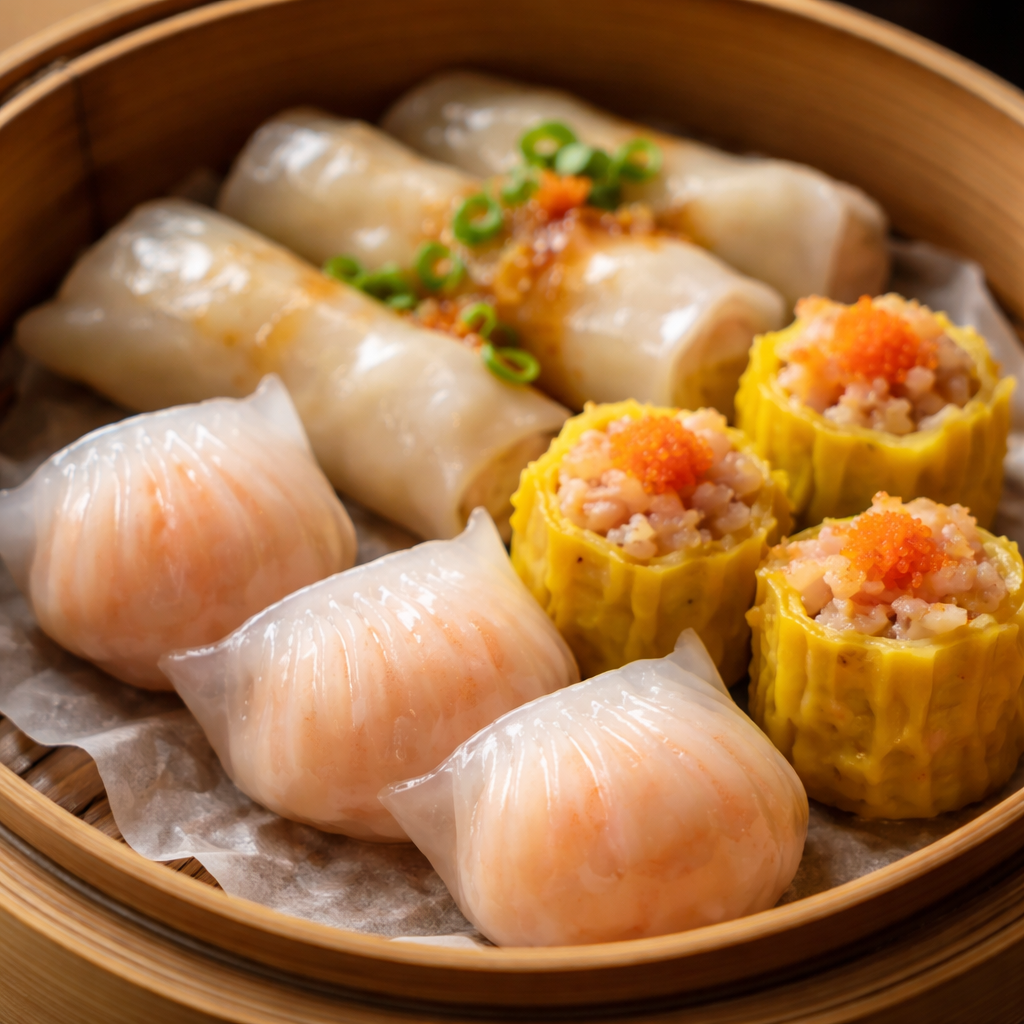
The quality of these wrappers cannot be overstated. A wrapper that’s too thick masks the filling’s flavors. One that’s too thin falls apart during cooking or eating. Authentic wrappers require precise ratios of ingredients, proper kneading techniques, and controlled resting periods—expertise that only experienced manufacturers possess.
Fillings define each dim sum’s character. Premium shrimp for har gow should be fresh, deveined, and cut to specific sizes that create the ideal texture when bitten. The shrimp must be seasoned with bamboo shoots, sesame oil, and white pepper in traditional proportions. Siu mai fillings combine ground pork with shrimp, shiitake mushrooms, and water chestnuts, creating a harmonious blend of savory umami and subtle sweetness. Char siu bao demands authentic barbecue pork marinated with honey, hoisin sauce, and five-spice powder—ingredients that reflect genuine Cantonese flavors.
Vegetables used in dim sum aren’t interchangeable with Western counterparts. Chinese chives have a distinct pungent flavor different from Western chives. Bamboo shoots provide specific textural crunch and mild sweetness. Napa cabbage offers delicate flavors that won’t overpower other ingredients. These authentic components matter because they deliver the taste profiles that consumers seeking genuine Chinese cuisine expect. For retail buyers looking to source these specialty ingredients, understanding ethnic food category management principles helps optimize product selection and positioning.
Sauces and condiments complete the dim sum experience. Black vinegar made from fermented rice provides the characteristic tangy, slightly sweet flavor essential for dumpling dipping. Premium soy sauce with appropriate salt levels and umami depth enhances rather than overwhelms. Chili oil with the right pepper varieties delivers authentic heat profiles. XO sauce—a luxury condiment made from dried seafood, chili peppers, and garlic—represents the pinnacle of Cantonese flavor complexity.
Evaluating Wholesale Sourcing Channels
The wholesale sourcing landscape for chinese dim sum ingredients wholesale offers multiple channels, each with distinct advantages and considerations. Understanding these options helps you identify partners aligned with your business needs and quality standards.
Direct manufacturer relationships provide the most control over quality and cost. Working directly with dim sum producers in Guangdong Province—the birthplace of Cantonese dim sum—gives you access to authentic recipes, traditional production methods, and competitive pricing. However, this approach requires navigating language barriers, understanding Chinese business practices, and managing complex international logistics.
Consider a European restaurant chain that established a direct partnership with a Guangzhou-based dim sum manufacturer. Initially, they struggled with communication gaps and cultural misunderstandings about quality expectations. After investing in building the relationship, hiring a bilingual quality control specialist, and making several factory visits, they achieved consistent supply of premium har gow and siu mai at 30% lower costs than previous importers charged. The direct relationship also allowed menu customization with unique filling variations that differentiated their brand.
Specialized import-export companies bridge the gap between Chinese manufacturers and international buyers. These intermediaries understand both Chinese production capabilities and international market requirements. They handle regulatory compliance, arrange certifications, manage logistics, and often consolidate smaller orders from multiple buyers to achieve better shipping rates.
A Middle Eastern food distributor working with a Hong Kong-based trade facilitator successfully entered the dim sum market without the complexities of direct Chinese sourcing. The intermediary provided English-language documentation, arranged Halal certification for products, handled customs paperwork, and maintained consistent cold chain management during shipping. While per-unit costs ran higher than direct sourcing, the distributor avoided significant investment in building Chinese supply chain expertise.
Regional distributors in your target market offer convenience and local support but typically mark up prices significantly. They maintain inventory, provide smaller minimum order quantities, and handle local delivery. For businesses testing dim sum offerings or operating at smaller scales, regional distributors provide practical entry points despite higher costs.
The key is matching the sourcing channel to your operational scale, quality requirements, and internal capabilities. Larger operations with volume commitments benefit from direct manufacturer relationships. Medium-sized businesses often find specialized trade facilitators offer optimal balance between cost, quality control, and complexity management. Smaller operators may prioritize the convenience of regional distributors despite premium pricing.
Identifying Quality and Authenticity Indicators
Distinguishing high-quality, authentic chinese dim sum ingredients wholesale from inferior alternatives requires understanding specific quality markers that signal genuine Cantonese culinary standards.
Ingredient origin verification provides the foundation for authenticity. Guangdong Province, particularly cities like Guangzhou, Shenzhen, and Foshan, represents the heart of traditional dim sum production. Manufacturers in this region have generations of expertise and access to authentic ingredient suppliers. Request documentation showing production facility locations and ingredient sourcing details. Be cautious of suppliers who claim “authentic Cantonese dim sum” but manufacture in regions without dim sum cultural heritage.
A North American importer once purchased what seemed like competitively priced har gow from a supplier claiming Guangzhou origins. After quality complaints from restaurant customers, investigation revealed the products actually came from a factory in northern China with no dim sum expertise. The wrappers used incorrect flour ratios, creating opaque, doughy textures instead of translucent delicacy. The filling contained low-grade shrimp with excessive starch fillers. The importer lost major restaurant accounts before switching to a verified Guangdong producer.
Packaging integrity protects product quality during international shipping. Vacuum-sealed individual portions prevent freezer burn and maintain freshness. Multi-layer packaging with moisture barriers and oxygen absorbers extends shelf life without compromising taste or texture. Temperature monitoring labels that change color if cold chain breaks provide evidence of proper handling. Packaging should display clear ingredient lists, production dates, and storage instructions in multiple languages.
Certifications demonstrate commitment to quality standards and regulatory compliance. HACCP (Hazard Analysis and Critical Control Points) certification indicates systematic food safety management. ISO 22000 certification shows comprehensive quality management systems. For specific markets, look for region-appropriate certifications: USDA approval for U.S. imports, EU food safety certifications for European markets, Halal certification for Muslim-majority countries, or Kosher certification for Jewish markets.
Sensory evaluation remains the ultimate quality test. Authentic har gow wrappers should be translucent enough to see shrimp filling through them, with 12-14 delicate pleats creating the traditional shape. When steamed, they should maintain integrity without breaking or becoming gummy. The shrimp filling should be firm yet tender, never mushy, with visible bamboo shoot pieces providing textural contrast. Siu mai should feature yellow wrappers that don’t become soggy when steamed, with filling that holds together yet remains juicy. The pork and shrimp ratio should create balanced flavor, not overpowering pork or fishy shrimp taste.
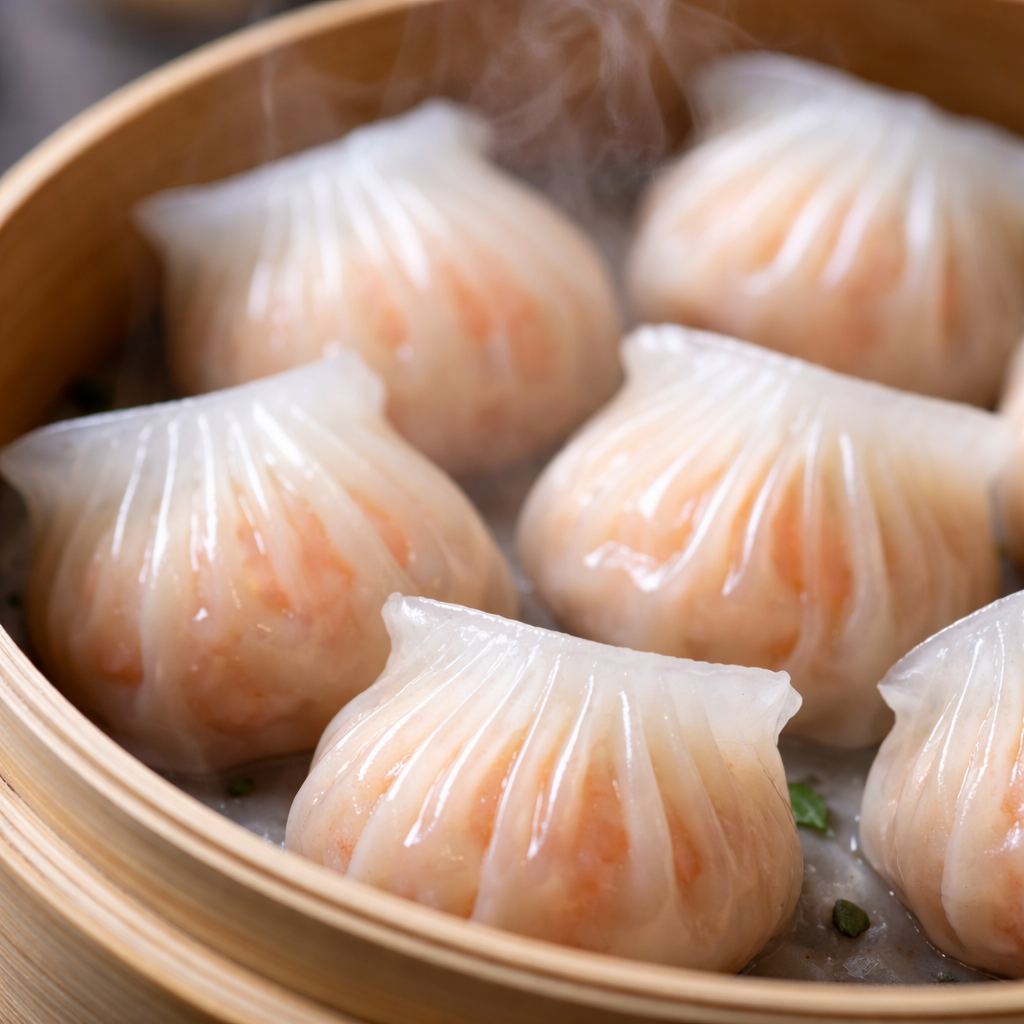
Physical inspection of frozen products before full commitment helps verify quality. Request sample shipments. Examine wrapper thickness consistency, filling distribution evenness, and whether products show signs of refreezing (ice crystal formation indicating temperature fluctuation). Cook samples using traditional steaming methods and evaluate taste, texture, and appearance against authentic benchmarks.
Balancing Cost and Value Considerations
Price considerations for chinese dim sum ingredients wholesale extend far beyond simple per-unit costs. A comprehensive value analysis examines total landed costs, volume economics, and long-term partnership benefits that impact your bottom line.
Total landed cost calculation includes product price, international shipping, customs duties, import taxes, cold storage during transit, warehousing, and quality control inspections. A seemingly inexpensive direct purchase from China may become expensive after adding shipping costs for small volumes, unexpected customs delays requiring additional cold storage, and inspection fees. Conversely, a higher per-unit price from a specialized trade facilitator might deliver better total value when they consolidate shipments, handle all documentation, and ensure reliable delivery schedules.
An Australian food service company initially selected the cheapest supplier for frozen siu mai, paying $0.45 per piece FOB (Free On Board) from a manufacturer in Guangdong. After accounting for air freight ($0.18 per piece for small volume), customs clearance ($0.05 per piece), temperature-controlled storage during customs inspection ($0.08 per piece), and quality inspection fees ($0.04 per piece), total landed cost reached $0.80 per piece. A full-service trade partner quoted $0.72 per piece delivered to their warehouse with all documentation handled, quality pre-verified, and reliable monthly shipments. The higher quoted price actually delivered 10% savings and eliminated procurement headaches.
Volume discounts significantly impact unit economics. Manufacturers offer better pricing for container-load quantities versus smaller shipments. A 20-foot refrigerated container holds approximately 20,000-25,000 pounds of frozen dim sum. Committing to full container loads might reduce per-unit costs by 15-25% compared to partial shipment pricing. However, this requires adequate storage capacity, sufficient sales velocity to move inventory before expiration, and working capital to finance larger purchases.
Long-term supplier relationships create value beyond immediate transaction costs. Reliable partners prioritize your orders during peak seasons when production capacity tightens. They accommodate special requests like custom packaging, modified filling recipes, or adjusted seasoning levels for local taste preferences. Established relationships build trust that facilitates problem resolution when issues arise—expedited replacement shipments, quality investigation cooperation, or flexible payment terms during cash flow challenges.
Quality consistency generates hidden value by protecting your reputation and reducing waste. Premium suppliers maintain strict quality control, ensuring every shipment matches specifications. Inconsistent suppliers force you to increase safety stock, conduct extensive incoming inspections, and risk customer complaints from substandard products. Understanding proper inventory planning for food importers helps mitigate these risks. A restaurant chain calculated that switching from an inconsistent supplier to a reliable premium partner reduced customer complaints by 60%, decreased food waste by 12%, and improved repeat customer rates—value that far exceeded the 8% higher product cost.
Payment terms affect cash flow management. Some suppliers require full prepayment before production, creating significant working capital requirements. Others offer net-30 or net-60 terms, allowing you to receive and even sell products before payment due dates. For growing businesses, favorable payment terms can be more valuable than modest per-unit savings.
The optimal approach balances cost management with value protection. Start by calculating true total landed costs for different suppliers. Factor in reliability, quality consistency, and service support. Consider your storage capacity, sales velocity, and cash flow situation when evaluating volume commitments. Build relationships with partners who demonstrate commitment to your success beyond transactional interactions.
Practical Steps for Partner Selection
Selecting the right wholesale partner for chinese dim sum ingredients wholesale requires systematic evaluation combining due diligence, testing, and relationship building.
Begin with comprehensive supplier research. Industry trade shows like the China Import and Export Fair (Canton Fair) in Guangzhou or SIAL China in Shanghai provide opportunities to meet manufacturers and evaluate products in person. Online B2B platforms such as Alibaba or Global Sources list numerous suppliers, though verification remains essential. Industry associations like the China Chamber of Commerce for Import and Export of Foodstuffs, Native Produce and Animal By-Products can provide supplier references.
Request detailed information packages from potential partners including company registration documents, production facility photos, quality management certifications, customer reference lists, product catalogs with specifications, pricing structures with volume breaks, lead time requirements, minimum order quantities, and payment terms. Legitimate suppliers provide this information readily; evasive responses signal potential issues.
Conduct factory audits for serious supplier relationships. Virtual audits via video calls provide initial insights into facility cleanliness, equipment quality, and operational professionalism. For major commitments, in-person audits verify production capabilities, quality control procedures, ingredient storage conditions, and cold chain management. Many buyers hire third-party inspection services to conduct professional facility audits and generate detailed reports.
Order samples before large commitments. Request samples of your top priority items—perhaps har gow, siu mai, and char siu bao representing different production techniques. Evaluate these samples for appearance, taste, texture, and authenticity. Test them in your actual service environment: steam them in your kitchen equipment, serve them to target customers, and gather feedback. Compare multiple suppliers’ samples side-by-side to identify quality differences.
Start with small trial orders once samples meet standards. This tests the complete procurement cycle: order placement process, production lead times, packaging quality, shipping reliability, documentation accuracy, customs clearance smoothness, product condition upon arrival, and customer acceptance. Small trials limit financial risk while revealing potential partnership issues before major commitments.
Establish clear communication protocols and quality standards. Document exact specifications for each product including wrapper thickness, filling composition, seasoning levels, weight per piece, pieces per package, and packaging requirements. Agree on quality control procedures, inspection rights, acceptance criteria, and remediation processes for substandard shipments. Clear written agreements prevent misunderstandings and provide recourse when issues arise.
Build relationships gradually. Successful partnerships develop through consistent communication, mutual respect, and demonstrated reliability from both parties. Share feedback about product performance in your market. Visit suppliers periodically to maintain relationships and discuss improvement opportunities. Suppliers who view you as a valued long-term partner, not just a transaction, provide better service, prioritize your needs, and accommodate special requests.
Consider working with specialized trade facilitators who bridge Chinese manufacturers and international buyers. Companies with deep expertise in both Chinese food production and international market requirements provide valuable intermediary services. They verify supplier credentials, conduct quality control, manage logistics, handle regulatory compliance, and resolve cross-cultural communication challenges—essentially serving as your China-based procurement team.
Bringing Authentic Chinese Cuisine to Global Tables
The wholesale partner you select for chinese dim sum ingredients wholesale ultimately determines whether you successfully deliver authentic Cantonese culinary experiences or fall short of customer expectations. This decision impacts product quality, operational efficiency, compliance assurance, cost management, and long-term business sustainability.
At Jade Premium, we understand the critical importance of authentic ingredient sourcing because we’ve built our business connecting genuine Chinese cuisine with global markets. Our extensive network across Guangzhou, Shenzhen, and other major Chinese food production centers gives us unparalleled access to premium dim sum manufacturers who maintain traditional production standards while meeting international quality requirements. As trusted Chinese food distribution companies, we bridge cultural and logistical gaps between authentic producers and global markets.
We’ve worked with international food importers, retail chains, and food service operators across Europe, North America, the Middle East, and ASEAN regions, helping them navigate the complexities of Chinese food sourcing. Our deep cultural understanding of Cantonese dim sum traditions combined with expertise in international regulatory requirements ensures our partners receive products that satisfy both authenticity standards and compliance needs.
Beyond facilitating transactions, we provide comprehensive support throughout your sourcing journey—from identifying qualified suppliers and conducting factory audits to managing logistics, arranging certifications, and ensuring cold chain integrity. We serve as your trusted advisor, sharing insights about Chinese culinary heritage, production innovations, and market trends that help you make informed decisions.
The right wholesale partnership transforms dim sum from mere menu items into cultural ambassadors that connect customers with China’s rich culinary traditions. When diners in London taste har gow with perfectly translucent wrappers and fresh shrimp filling, or customers in Dubai experience authentic siu mai bursting with traditional flavors, they’re not just enjoying food—they’re experiencing centuries of Cantonese culinary expertise.
Your wholesale partner choice makes the difference between delivering these authentic experiences and serving disappointing imitations. Choose partners who demonstrate genuine commitment to quality, cultural authenticity, and your long-term success. The investment in finding the right supplier pays dividends through customer satisfaction, repeat business, and brand reputation that sets you apart in competitive international markets.