
- The Chinese Market Is Driving Change From Within
- What Today's Consumers Really Want (And What That Means for Buyers)
- Navigating China's Regulatory Landscape: A Buyer's Perspective
- Key Trend Categories Reshaping the Export Landscape
- Growth Opportunities That Smart Buyers Are Seizing
- Real Risks and How to Protect Yourself
- Why Clean Label Chinese Food Deserves Your Attention
When international buyers walk the aisles of a Chinese food exhibition or review supplier catalogs, they’re increasingly asking one simple question: “What’s actually in this product?” This shift toward transparency isn’t just a passing trend—it’s fundamentally reshaping how Chinese food exports compete in global markets.
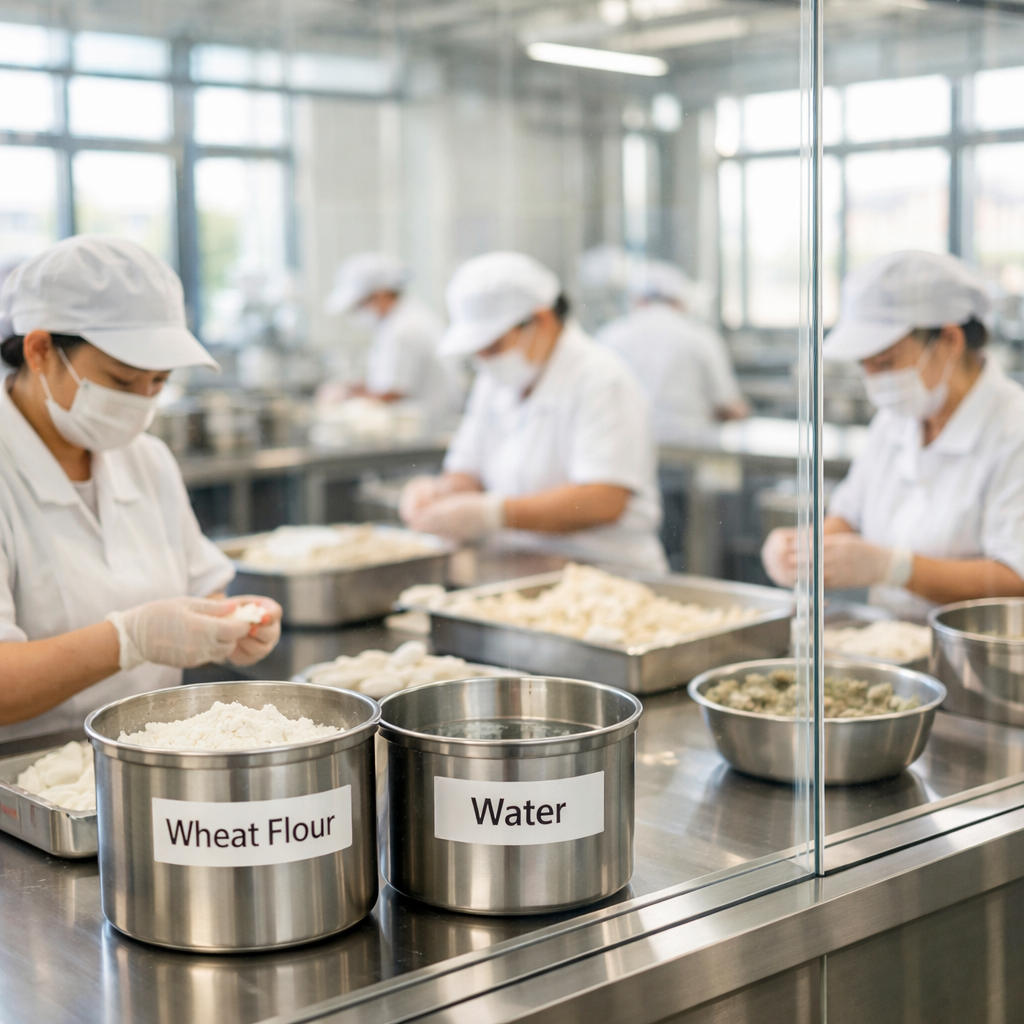
Clean label Chinese food represents products made with recognizable ingredients, minimal processing, and zero artificial additives. Think traditional dumpling wrappers containing only wheat flour, water, and salt. Or hot pot bases built from authentic Sichuan peppers, ginger, and natural oils rather than mystery “flavor enhancers.” For overseas buyers, this transparency directly addresses their customers’ growing concerns about food authenticity and health.
The appeal goes beyond ingredient simplicity. Clean label means truthful claims. When a Chinese supplier states “no MSG added,” international buyers need confidence that this claim will hold up under scrutiny in their home markets—whether that’s Australia, Germany, or the United States. This demand for verifiable transparency is where companies like Jade Premium step in, bridging the gap between Chinese production capabilities and international quality expectations.
The Chinese Market Is Driving Change From Within
China’s domestic clean label movement is accelerating faster than many international buyers realize. China’s low-sugar and reduced-sugar food segment has been expanding steadily, supported by rising health awareness and regulatory pressure on sugar consumption. This internal pressure is transforming Chinese food manufacturing in ways that directly benefit international buyers.
Walk into any modern Chinese supermarket, and you’ll notice a fundamental shift. Consumers are scrutinizing labels for artificial colors, preservatives, and vague ingredient descriptions. This domestic demand is forcing manufacturers to reformulate products using natural ingredients—changes that simultaneously make these products more competitive for export.
Consider how this plays out practically. A Chinese sauce manufacturer serving both domestic and international markets must now meet increasingly similar expectations from both audiences. The Beijing consumer avoiding artificial preservatives shares concerns with the London restaurant buyer seeking authentic Chinese condiments. This convergence means international buyers can increasingly find Chinese suppliers already aligned with clean label principles, rather than needing extensive product reformulation.
However, alignment doesn’t mean automatic compliance. Chinese domestic standards and international regulations rarely match perfectly. A product marketed as “natural” in Shanghai might not meet the specific clean label criteria required in San Francisco or Stockholm. This is where Jade Premium’s deep understanding of both Chinese production realities and international regulatory landscapes becomes invaluable. We don’t just connect buyers with suppliers—we ensure those connections will withstand the scrutiny of your target market’s regulations.
What Today’s Consumers Really Want (And What That Means for Buyers)
The global clean label movement reflects fundamental shifts in consumer attitudes, and these shifts directly impact what international food buyers should seek from Chinese suppliers. Recent market intelligence shows consumers across Europe, North America, and ASEAN regions increasingly prioritize GMO-free products, sustainable sourcing, and ingredient transparency.
For international buyers sourcing Chinese food products, this creates both opportunity and responsibility. Consider plant-based Chinese cuisine—an area where China’s 5,000-year culinary tradition offers remarkable depth. Traditional Buddhist vegetarian dishes from Chinese temples use techniques perfected over centuries to create complex flavors without animal products. Today’s Western consumer seeking plant-based options doesn’t know they’re tapping into this ancient wisdom, but smart buyers do.
This cultural authenticity matters more than buyers might initially realize. When you source traditional Chinese tofu products made using time-tested methods with minimal ingredients, you’re not just checking a “clean label” box. You’re offering consumers genuine cultural experiences backed by generations of refinement. This authenticity creates emotional connections that premium pricing can support.
Yet authenticity requires verification. A Chinese supplier might genuinely produce traditional, clean label products while simultaneously struggling to document this in ways that satisfy international buyers’ compliance teams. The reality is that many excellent Chinese manufacturers focus their energy on product quality rather than international certification bureaucracy. This doesn’t make their products inferior—it makes knowledgeable intermediaries essential.
Jade Premium’s role centers on building this trust bridge. We verify supplier practices on the ground in China, ensuring that “traditional recipe” means genuinely minimal processing rather than clever marketing. Our integrated supply chain approach means we’re not just facilitating transactions—we’re confirming that the authentic Chinese cuisine reaching global tables genuinely delivers on its clean label promises.
Navigating China’s Regulatory Landscape: A Buyer’s Perspective
China is tightening its food labeling framework under updated national standards, with clearer requirements on ingredient disclosure and allergen labeling. For international buyers, understanding these changes isn’t academic—it directly impacts your ability to verify supplier claims and ensure compliance in your target markets.
Here’s what overseas buyers need to know: Chinese manufacturers must now provide clearer, more standardized information about ingredients, allergens, and nutritional content. This increased transparency benefits international buyers significantly. However, Chinese domestic compliance doesn’t automatically translate to meeting European, North American, or Australian requirements.
Practical verification steps matter more than regulatory knowledge. When evaluating Chinese suppliers for clean label products, start with these questions:
Can the supplier provide complete ingredient specifications in English, including the scientific names of any food additives? Vague descriptions like “natural flavoring” should trigger deeper investigation. Clean label requires specificity.
Does the supplier maintain third-party certifications relevant to your target market? Chinese domestic certifications demonstrate compliance within China, but international buyers need certifications that carry weight in their markets—whether that’s BRC, IFS, or market-specific organic certifications.
Can the supplier explain their supply chain transparency? Genuine clean label products require clean ingredient sourcing. If your supplier can’t trace where their raw materials originate, their “all natural” claims become questionable.
These aren’t interrogation questions—they’re partnership discussions. Jade Premium’s experience shows that the best Chinese suppliers welcome these conversations. They’ve invested in transparency and appreciate buyers who value it. The suppliers who deflect or provide vague responses? That’s your signal to look elsewhere.
Consider expiration date labeling as a concrete example. China’s new regulations require clearer date marking, but international markets have varying requirements for date formats and storage instructions. A Chinese supplier might perfectly comply with Chinese regulations while inadvertently creating compliance headaches for buyers in markets requiring different formats. Having a partner who anticipates these mismatches before shipping prevents costly relabeling or rejected shipments.
Key Trend Categories Reshaping the Export Landscape
Several specific product categories are driving clean label growth in Chinese food exports, and understanding these trends helps buyers identify emerging opportunities.
Plant-based products lead this transformation. China’s plant-based food sector combines traditional vegetarian cuisine techniques with modern food science. The market growth isn’t just following Western trends—it’s drawing from deep cultural roots. Chinese Buddhist vegetarian cuisine, known as “Su Cai,” offers centuries of innovation in creating satisfying, complex dishes without animal products. Today’s international buyers can access this expertise packaged in clean label products designed for global distribution.
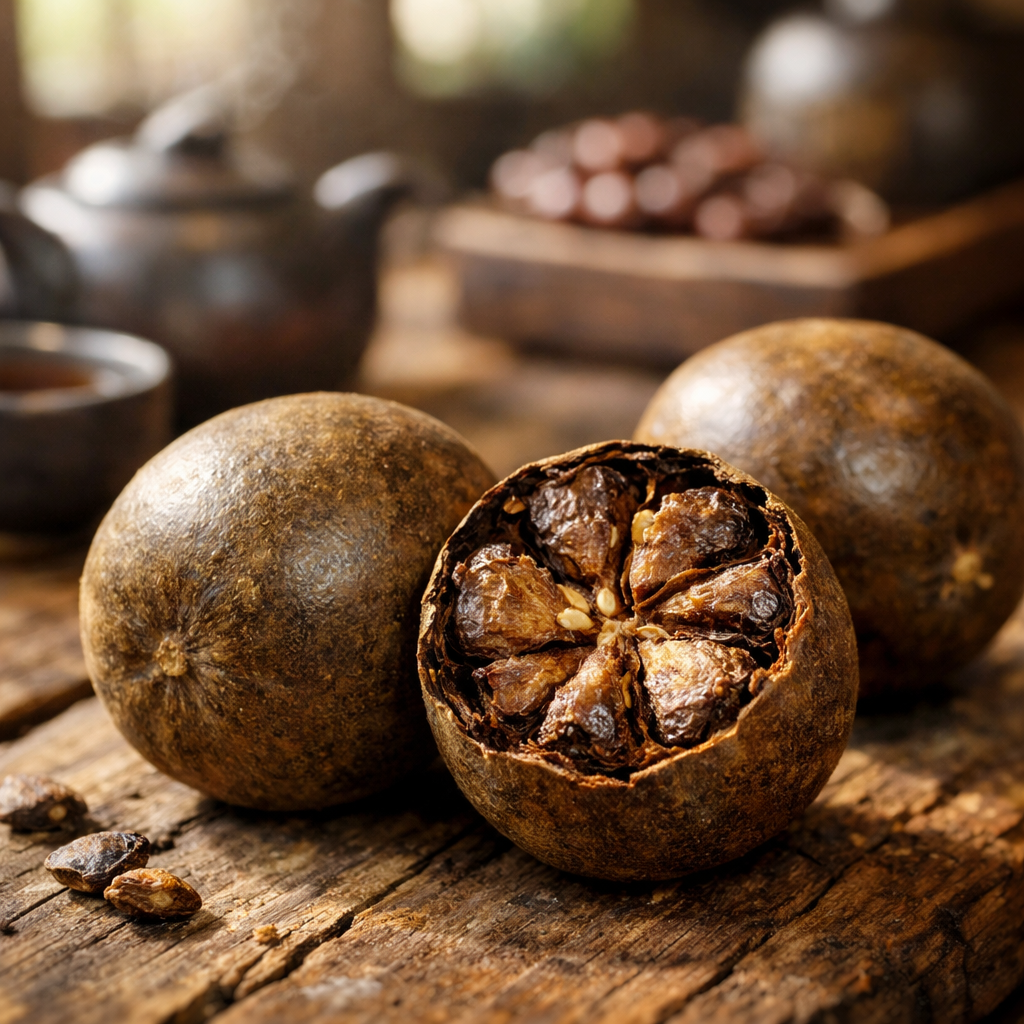
Natural sweeteners represent another significant category. As consumers globally reduce sugar intake, Chinese manufacturers are innovating with natural alternatives. Monk fruit extract, native to China and used in traditional medicine for centuries, is gaining traction as a clean label sweetener. The global monk fruit sweetener market is expanding rapidly, and Chinese suppliers control much of the world’s production. For international buyers, this means direct access to high-quality, naturally sourced sweeteners that meet clean label criteria while offering authentic Chinese provenance.
Traditional condiments reformulated with clean label principles create particularly interesting opportunities. Soy sauce produced through traditional fermentation with only soybeans, wheat, salt, and water. Chili oils using nothing but peppers, sesame oil, and spices. These products aren’t innovations—they’re returns to traditional methods that happen to align perfectly with modern clean label expectations.
Jade Premium’s integrated supply chain solutions specifically support buyers navigating these categories. Our presence in major Chinese production regions means we maintain direct relationships with manufacturers leading these clean label innovations. When a buyer asks about sourcing authentic, clean label Chinese condiments, we’re not browsing online catalogs—we’re connecting them with producers we’ve personally verified in facilities we’ve actually visited.
The opportunity extends to private label products. Many Chinese manufacturers producing excellent clean label products lack international brand recognition or retail market access. For international buyers, this creates opportunities to develop private label lines featuring authentic Chinese products manufactured to clean label standards. The cultural authenticity and quality exist—they just need international partners to reach global consumers.
Growth Opportunities That Smart Buyers Are Seizing
The clean label Chinese food sector presents specific growth opportunities for forward-thinking international buyers, supported by concrete market dynamics.
Premium pricing acceptance stands out immediately. Consumer research across major markets shows willingness to pay 15-30% premiums for verified additive-free products. This isn’t theoretical—it’s reflected in retail prices daily. For international buyers, this premium justifies the additional investment required to thoroughly verify clean label claims and maintain stringent quality control.
Market size growth creates expanding opportunities. According to multiple industry estimates, the global clean label ingredients market is projected to grow from USD 51.2 billion in 2026 to USD 69.9 billion by 2031. This expansion means growing shelf space, increasing retailer interest, and more consumer awareness. For buyers establishing relationships with reliable Chinese clean label suppliers now, this growth trajectory represents expanding business over multiple years.
Private label development offers particularly strong potential. Chinese manufacturers can produce excellent clean label products at competitive prices, but many lack the marketing resources or international brand recognition to compete with established global brands. International buyers with established distribution can develop private label lines that capture growing clean label demand while maintaining healthy margins.
Consider a practical scenario: A European food importer develops a private label line of Chinese dim sum using a verified Chinese manufacturer committed to clean label principles. The products contain only traditional ingredients—simple flour dough, vegetables, and minimal seasonings—matching what consumers might make at home. The cultural authenticity adds appeal, the clean label formula meets modern consumer expectations, and the competitive production costs support profitable pricing.
Jade Premium facilitates exactly these opportunities. Our market intelligence helps buyers identify emerging trends before they become crowded. Our compliance expertise ensures that promising product ideas actually work across regulatory jurisdictions. Our quality control systems verify that the clean label promises made in marketing materials match what’s actually being produced in Chinese factories.
The growth isn’t just about finding Chinese suppliers willing to make clean label products. It’s about building supply relationships sophisticated enough to maintain consistency, verify claims, and adapt to evolving international requirements. This requires partners who understand both Chinese manufacturing realities and international market expectations.
Real Risks and How to Protect Yourself
Clean label Chinese food offers genuine opportunities, but international buyers must navigate real challenges and risks. Acknowledging these honestly helps buyers make informed decisions.
Higher production costs create immediate pressure. Clean label manufacturing typically costs more than conventional production. Natural preservatives cost more than synthetic alternatives. Simpler formulations may reduce shelf life, increasing logistics complexity. Traditional production methods often require more time than industrial shortcuts. These factors impact pricing, and buyers must evaluate whether their target markets will support premium prices.
Greenwashing represents a serious concern. As clean label demand grows, some suppliers make misleading claims. A product marked “all natural” might contain natural-derived additives that technically qualify but don’t align with consumer expectations. “Traditional recipe” might describe a formulation developed last year rather than one actually passed down through generations. These misleading claims damage buyer reputations when discovered.
Supply consistency challenges affect many clean label products. Natural ingredients vary with seasons and harvests. A hot pot base using fresh Sichuan peppers might taste slightly different between batches depending on pepper harvest quality. This natural variation contradicts industrial food production’s obsession with absolute consistency. Buyers must decide whether their markets accept minor natural variations or require absolute batch-to-batch uniformity.
Documentation gaps frustrate even experienced buyers. Many Chinese manufacturers maintain careful internal quality control but struggle to provide documentation in formats international buyers require. This doesn’t mean quality is lacking—it means the supplier hasn’t navigated international certification bureaucracy. Buyers must distinguish between genuine quality issues and documentation challenges.
Jade Premium’s compliance expertise specifically addresses these risks. Our verification processes include:
On-site factory audits that go beyond paperwork review to actually observe production processes. We verify that “minimal processing” claims match reality rather than relying on supplier descriptions.
Ingredient traceability confirmation that follows supply chains back to raw material sources. When a supplier claims “natural ingredients,” we verify where those ingredients actually come from.
Cross-market compliance checking that ensures products meeting Chinese regulations will also satisfy requirements in buyers’ target markets. We catch regulatory mismatches before shipping, not after customs rejection.
Ongoing monitoring that maintains quality control beyond initial verification. Supply relationships require continued vigilance, not one-time audits.
These protective measures aren’t just risk mitigation—they’re confidence builders. International buyers need certainty that their clean label claims will withstand scrutiny from regulators, retailers, and consumers. That certainty requires verification by partners who understand both Chinese production realities and international market expectations.
Why Clean Label Chinese Food Deserves Your Attention
Clean label Chinese food represents more than another food trend for international buyers to track. It reflects fundamental alignment between China’s deep culinary traditions, evolving global consumer expectations, and international demand for authentic, transparent food experiences.
The products exist. China’s 5,000-year culinary history offers remarkable depth of genuine, traditionally made foods that naturally align with clean label principles. From fermented sauces to handmade noodles to carefully crafted dim sum, Chinese cuisine offers countless examples of complex flavors achieved through time-tested methods using minimal, recognizable ingredients.
The manufacturers exist. Chinese food production has evolved dramatically. Yes, some manufacturers still rely on shortcuts and artificial additives. But increasingly, sophisticated Chinese producers recognize that international markets demand transparency and that clean label principles offer competitive advantages. These manufacturers welcome verification and documentation because they’re confident in their products.
The opportunity exists. Growing global demand for clean label products, increasing consumer interest in authentic ethnic cuisines, and China’s competitive manufacturing capabilities create genuine opportunities for international buyers. Those opportunities require navigation, verification, and partnership—but they’re real.
Jade Premium exists to bridge these realities. We’re not Chinese manufacturers seeking international buyers. We’re international trade specialists helping overseas buyers access China’s genuine food production excellence. Our commitment to natural, premium, and healthy products isn’t marketing language—it’s operational focus.
Our offices across China’s major food production regions mean we maintain direct relationships with manufacturers leading clean label innovation. Our compliance expertise ensures that promising Chinese products actually work in international markets. Our quality control systems verify that “clean label” means what buyers need it to mean.
For international buyers, partnering with Jade Premium means accessing authentic Chinese cuisine backed by verification systems you can defend to your most demanding customers. It means supply chain transparency that withstands regulatory scrutiny. It means cultural authenticity supported by modern quality control.
Clean label Chinese food is winning over global buyers because it delivers what modern consumers increasingly demand: real ingredients, transparent sourcing, and authentic cultural experiences. The question isn’t whether this trend matters—it’s whether you’re positioned to capture the opportunities it creates.
We’re ready to help you find the real deal.