
- The Buckwheat Advantage: More Than Just Gluten-Free
- Texture, Preparation, and Quality Verification: What International Buyers Need to Know
- Delicious Applications: Bringing Buckwheat Noodles to Life in International Kitchens
- Your Partner in Bringing Quality Buckwheat Noodles to Global Markets
- Source Premium Buckwheat Noodles from Verified Suppliers
Buckwheat noodles quietly replacing traditional wheat-based Chinese knife-cut noodles on dinner plates. This isn’t just another food trend destined to fade. It’s a meaningful shift driven by real nutritional benefits and a growing awareness among international buyers about what they’re putting on their customers’ tables.
If you’re an importer, retailer, or food service operator sourcing from China, you’ve probably noticed the surge in demand for gluten-free alternatives. Your customers are asking questions. They want options that don’t compromise on taste or cultural authenticity while meeting their dietary needs. Buckwheat noodles answer that call perfectly.
Traditional Chinese knife-cut noodles, or dao xiao mian, have graced Chinese tables for centuries. These thick, rustic strands are sliced directly from a block of wheat dough into boiling water, creating an uneven, hearty texture that’s beloved in northern Chinese cuisine. But here’s the reality: wheat isn’t for everyone. Whether it’s celiac disease, gluten sensitivity, or simply a conscious choice to reduce gluten intake, millions of people worldwide are seeking alternatives that don’t sacrifice the soul-warming comfort of a good noodle bowl.
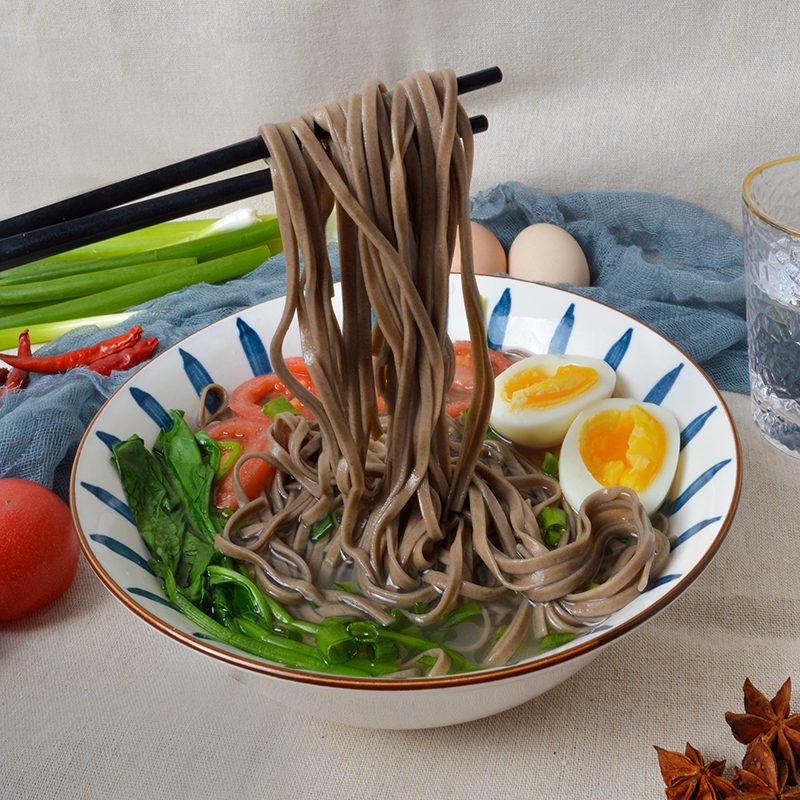
Enter buckwheat noodles. They’re not just a substitute—they’re a revelation. With their distinctive nutty flavor, satisfying chew, and impressive nutritional profile, these noodles are winning over health enthusiasts and traditionalists alike. For you as a buyer, understanding what makes buckwheat noodles special isn’t just about expanding your product line. It’s about recognizing a genuine opportunity to serve a growing market segment that values both wellness and authenticity.
The Buckwheat Advantage: More Than Just Gluten-Free
Let’s clear up a common misconception first: buckwheat isn’t wheat at all. Despite its misleading name, buckwheat is actually a pseudocereal, related more closely to rhubarb than to wheat. This botanical quirk is precisely what makes it naturally gluten-free and nutritionally exceptional.
Think of buckwheat as nature’s multivitamin in grain form. It’s loaded with complete protein, containing all nine essential amino acids that our bodies can’t produce on their own. For your vegetarian and vegan customers, this is gold. A single serving of buckwheat noodles delivers approximately 6 grams of protein, making it a substantial base for plant-based meals.
But the benefits run deeper. Buckwheat is rich in dietary fiber, especially when less-refined flours are used in production. This fiber does real work in the body—promoting digestive regularity, feeding beneficial gut bacteria, and supporting overall intestinal health. In practical terms, your customers feel fuller longer and experience steady energy rather than the blood sugar spikes and crashes associated with refined wheat noodles.
Here’s where it gets really interesting for health-conscious buyers: buckwheat contains rutin, a powerful flavonoid antioxidant. Research shows rutin strengthens blood vessels, reduces inflammation, and supports healthy blood pressure levels. While we’re not making medical claims, these properties align perfectly with the cardiovascular health concerns that drive many purchasing decisions in international markets today.
The mineral profile is equally impressive. Buckwheat delivers meaningful amounts of magnesium, which supports muscle function and bone health, along with manganese, phosphorus, and copper. For importers serving European and North American markets where consumers scrutinize nutrition labels, these details matter. They’re the talking points that move products off shelves.
From a glycemic perspective, buckwheat scores favorably too. Its complex carbohydrates break down more slowly than refined wheat, contributing to more stable blood sugar levels. This characteristic makes buckwheat noodles particularly appealing for food service operators catering to diabetic-friendly menus or health-focused establishments.
Texture, Preparation, and Quality Verification: What International Buyers Need to Know
As someone sourcing noodles from China, you understand that texture matters enormously. Traditional wheat-based knife-cut noodles have that characteristic irregular, chewy bite—almost rustic in their appeal. They’re thick, hearty, and substantial. Buckwheat noodles offer a different but equally satisfying experience.
Authentic buckwheat noodles, particularly those following Japanese soba traditions, have a slightly firmer, more refined texture. They’re smoother than hand-cut wheat noodles but retain a pleasant resistance when you bite down. The mouthfeel is clean rather than starchy, and there’s a subtle earthiness that wheat noodles simply can’t replicate.
However—and this is crucial for you as a buyer—not all buckwheat noodles are created equal. Here’s what commonly happens: some manufacturers blend buckwheat flour with wheat flour to improve binding and reduce costs. The result? A product marketed as “buckwheat noodles” that isn’t actually gluten-free and delivers fewer nutritional benefits.
This is where your role becomes vital. When evaluating suppliers in China, verification is everything. Look for packages clearly labeled “100% buckwheat flour” if your target market requires gluten-free certification. Check ingredient lists meticulously. The ideal composition should list buckwheat flour and water as primary ingredients, possibly with a small amount of yam or other natural binders for structure.
Ask your suppliers for documentation. Reputable Chinese manufacturers serving international markets understand certification requirements and can provide lab test results confirming gluten-free status. If a supplier hesitates or provides vague answers about wheat content, that’s your red flag.
On the preparation front, buckwheat noodles actually offer advantages for your food service customers. They cook quickly—typically 4 to 6 minutes in boiling water—making them ideal for fast-paced restaurant kitchens. Unlike some gluten-free alternatives that turn mushy or fall apart, quality buckwheat noodles maintain their integrity when cooked properly.
Here’s a practical tip to share with your restaurant buyers: after cooking, immediately rinse buckwheat noodles under cold water. This stops the cooking process and removes excess surface starch, preventing clumping. This technique works beautifully whether the noodles are served hot in soup or cold in salads.
For retail customers, storage is straightforward. Dried buckwheat noodles keep for months in a cool, dry pantry, making them logistics-friendly for your supply chain and convenient for end consumers. Fresh buckwheat noodles, which some premium Chinese producers now offer, should be refrigerated and used within days—a detail worth communicating clearly on packaging for international markets.
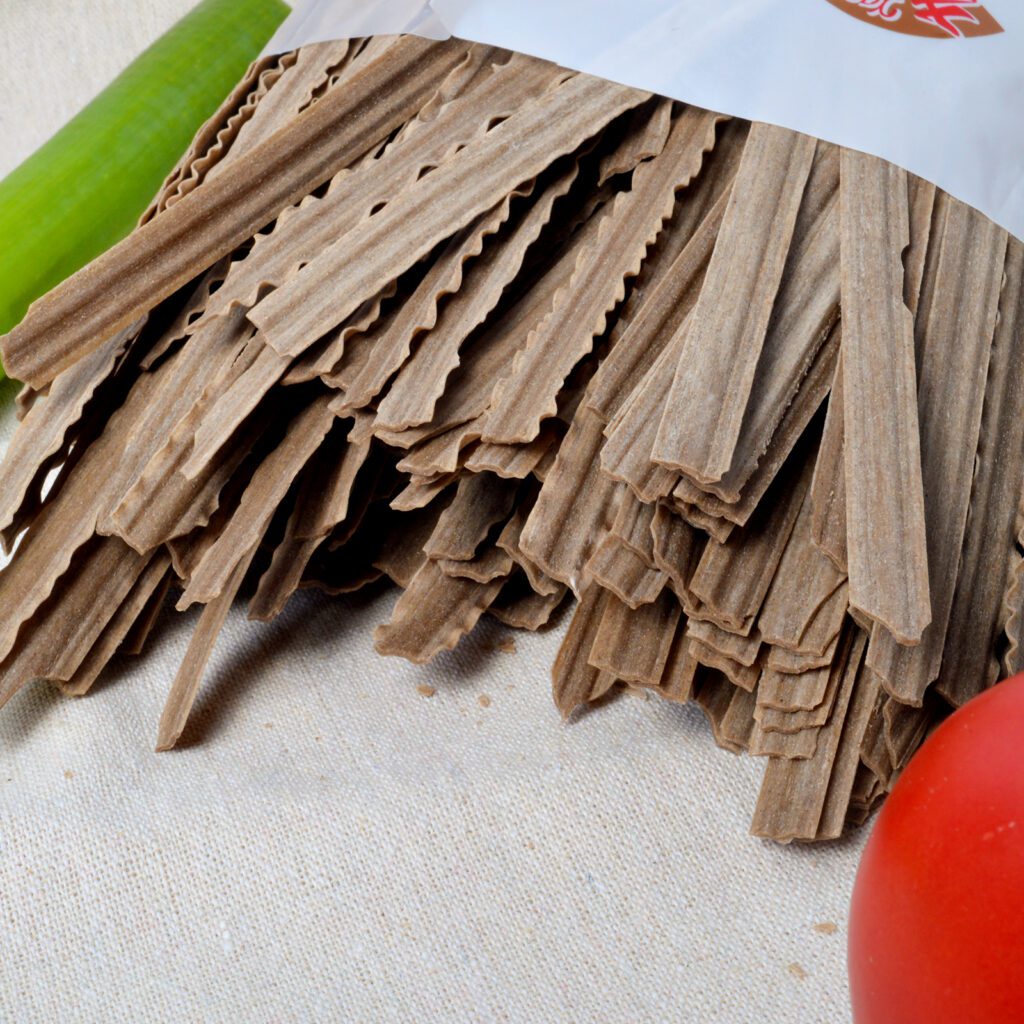
When you’re conducting factory audits or quality checks, observe the production process if possible. Traditional buckwheat noodle making involves careful attention to dough consistency and cutting technique. Even in modern facilities, the best manufacturers maintain some hand-crafted elements that ensure quality. The noodles should have a consistent thickness and clean edges, indicators of proper production standards.
Delicious Applications: Bringing Buckwheat Noodles to Life in International Kitchens
For international buyers, product versatility directly impacts market potential. The beautiful thing about buckwheat noodles is their adaptability across culinary traditions while maintaining authentic Chinese connections. This flexibility makes them an attractive proposition for diverse market segments.
Let’s start with the classic approach. In northern China, knife-cut noodles typically appear in rich, savory broths with braised meats and aromatic spices. Buckwheat noodles shine in similar applications. Imagine them swimming in a hearty lamb broth seasoned with star anise and Sichuan peppercorns, topped with tender braised meat and fresh cilantro. The buckwheat’s nutty undertone complements rather than competes with these bold flavors.
For your food service clients running fusion restaurants, buckwheat noodles offer creative freedom. They pair exceptionally well with lighter preparations that let their inherent flavor come through. Try them stir-fried with crisp vegetables—snow peas, bell peppers, bok choy—and a simple sauce of soy, sesame oil, and a touch of rice vinegar. The key is not overwhelming the delicate buckwheat taste.
Protein pairings work beautifully too. Grilled chicken, pan-seared tofu, or steamed fish all make excellent companions. The noodles provide a neutral yet flavorful base that absorbs sauces without becoming heavy. For retailers targeting health-conscious consumers, this is a powerful selling point: complete, balanced meals built around naturally gluten-free noodles.
Cold noodle preparations deserve special attention, particularly for markets experiencing hot summers. Japanese soba—the most famous buckwheat noodle—is traditionally served chilled with a dipping sauce. This concept translates wonderfully to modern salad applications. Picture buckwheat noodles tossed with julienned cucumbers, shredded carrots, edamame, and a ginger-sesame dressing. It’s refreshing, nutritious, and Instagram-worthy—important considerations for younger consumer demographics.
Here’s a serving suggestion that bridges Chinese tradition with international preferences: buckwheat noodles with spicy peanut sauce. Cook the noodles, toss them with shredded cabbage, red bell peppers, and a sauce made from natural peanut butter, soy sauce, rice vinegar, a touch of honey, and chili paste. Garnish with chopped peanuts and fresh herbs. This dish hits multiple market trends—gluten-free, plant-based protein, bold flavors—while remaining approachable and satisfying.
For your hotel and catering clients, consider positioning buckwheat noodles as the centerpiece of grain bowls. Layer the noodles with roasted vegetables, a protein source, pickled elements for brightness, and a flavorful sauce. This format aligns perfectly with contemporary dining preferences: customizable, visually appealing, and nutritionally balanced.
The beauty of buckwheat noodles also lies in what you don’t need to add. Their natural flavor means less reliance on heavy sauces and excessive seasonings. Light broths, simple stir-fry preparations, and fresh ingredients let the noodles’ quality shine through. For premium positioning in international markets, this minimalist approach communicates confidence in the product itself.
When advising retail customers through your marketing materials or training sessions, emphasize this versatility. Buckwheat noodles aren’t just for Asian cuisine. They work in Italian-inspired preparations with olive oil and herbs, in Mediterranean bowls with roasted vegetables and tahini, even in Mexican-inspired dishes with black beans and avocado. This cross-cultural flexibility expands their appeal far beyond traditional Chinese food enthusiasts.
Your Partner in Bringing Quality Buckwheat Noodles to Global Markets
The shift toward buckwheat noodles represents more than changing consumer preferences—it reflects a deeper understanding of how food choices impact health and wellbeing. As an international buyer sourcing from China, you’re perfectly positioned to meet this demand, but only if you choose suppliers who genuinely understand quality and compliance.
This is where working with experienced trade partners makes all the difference. Navigating China’s food export landscape requires more than just finding factories and placing orders. It demands cultural understanding, quality verification expertise, compliance knowledge, and supply chain coordination. You need partners who can distinguish between suppliers making authentic 100% buckwheat noodles and those cutting corners with wheat blends.
The buckwheat noodle opportunity is real and growing. European markets are experiencing steady increases in gluten-free product demand, projected to continue rising through the coming years. North American consumers are increasingly seeking out Asian ingredients that align with health-conscious eating patterns. Middle Eastern and ASEAN markets show growing interest in diverse, premium noodle options.
For your business, buckwheat noodles offer an attractive value proposition: premium positioning, health appeal, authentic cultural connections, and genuine point-of-difference in competitive markets. They’re not a commodity product racing to the bottom on price. They’re a quality offering that commands appropriate margins while delivering real value to end consumers.
What matters now is execution. Sourcing buckwheat noodles that truly deliver on their promise requires diligence, verification, and partnerships with suppliers who meet international standards. The labels must be accurate, the certifications legitimate, and the quality consistent batch after batch.
At Jade Premium, we’ve built our reputation on exactly this foundation: connecting international buyers with authentic, high-quality Chinese food products while managing the complexities that make cross-border trade challenging. We understand that when you bring buckwheat noodles to your market, your reputation is on the line. That’s why we verify supplier credentials, conduct quality checks, ensure compliance documentation, and provide the supply chain transparency you need to buy with confidence.
Whether you’re an importer expanding your gluten-free range, a retail chain buyer seeking premium Asian ingredients, or a food service operator differentiating your menu, buckwheat noodles deserve your attention. They’re not replacing traditional knife-cut noodles—they’re complementing them, offering choice where dietary needs or preferences demand alternatives.
The kitchens you serve are evolving. Health-conscious consumers are making informed decisions about what they eat. Gluten-free isn’t a fad anymore; it’s a permanent market segment with serious purchasing power. Buckwheat noodles sit at the intersection of tradition, nutrition, and modern dietary awareness.
Ready to explore how authentic buckwheat noodles from China can enhance your product portfolio? The opportunity is here, and the market is ready. What matters now is working with partners who understand both the products and the process—bringing authentic Chinese cuisine to global tables while ensuring every detail meets your standards and your customers’ expectations.
Source Premium Buckwheat Noodles from Verified Suppliers
Looking to add authentic, gluten-free buckwheat noodles to your product portfolio? Explore our verified supplier network and request detailed specifications, certifications, and pricing information directly.