
- Where Most Home Hot Pot Attempts Go Wrong
- The Foundation: Choosing Your Broth Base
- Proteins: The Heart of Hot Pot
- The Supporting Cast: Vegetables and Fungi
- The Personal Touch: Dipping Sauces
- Regional Variations: Understanding Flavor Profiles
- Sourcing Strategy: Finding Quality Ingredients
- Your Quick-Start Shopping List
- Bring Authentic Hot Pot Flavor to Your Market
You’ve seen the videos. Friends laughing around a bubbling pot, chopsticks darting in and out, steam rising with those intoxicating aromas of Sichuan peppercorns and star anise. You decided to try it at home. You bought what looked like the right ingredients, followed a recipe, and… something was off. The broth tasted flat. The meat was chewy. Your “authentic” Chinese hot pot just didn’t deliver that restaurant magic.
Here’s the truth: Chinese hot pot isn’t just about throwing ingredients into boiling water. It’s a carefully orchestrated experience where quality, timing, and balance transform simple ingredients into something extraordinary. For international buyers sourcing Chinese hot pot ingredients, understanding what makes hot pot truly authentic can mean the difference between a forgettable meal and an unforgettable dining experience.
Where Most Home Hot Pot Attempts Go Wrong
The most common mistake? Treating all ingredients equally. I’ve seen countless international buyers import hot pot bases only to hear complaints that “it doesn’t taste right” at home. The problem usually isn’t the base itself—it’s everything else.
First, there’s the freshness factor. That package of frozen meat slices sitting in your freezer for three months? It’s lost the delicate texture that makes hot pot meat dissolve on your tongue. Chinese hot pot restaurants slice their meat paper-thin and use it immediately. When meat sits too long, ice crystals damage the muscle fibers, turning tender beef into tough rubber.
Second, many home cooks overlook broth balance. They’ll dump in the spicy base, boil it furiously, and wonder why it tastes harsh instead of complex. A proper hot pot broth needs time to develop its layers—the numbing heat of Sichuan peppercorns, the warmth of ginger, the sweetness of jujubes all working together. Without this balance, even the best ingredients can’t shine.
Third, there’s the sequencing issue. Throwing everything in at once is a recipe for disaster. Delicate items like enoki mushrooms turn to mush while potatoes remain raw. Understanding cooking times isn’t just helpful—it’s essential for authentic results.

The Foundation: Choosing Your Broth Base
Your broth is the soul of your hot pot. Get this wrong, and nothing else matters. Get it right, and even simple ingredients taste extraordinary.
The iconic Mala (麻辣) spicy broth from Sichuan and Chongqing features that distinctive numbing sensation from Sichuan peppercorns combined with fiery chilies. Quality Mala bases use fermented bean paste, multiple types of dried chilies, and carefully balanced spices. When sourcing these internationally, look for bases with visible whole spices—not just red powder. The complexity comes from whole dried chilies, star anise, cassia bark, and fennel seeds that release their essence slowly.
Clear broths (清汤) offer a different appeal. These lighter bases, often built on chicken or pork bone stock with ginger and green onions, let the natural flavors of fresh ingredients speak. They’re perfect for delicate seafood and premium beef, where you want to taste the ingredient itself, not mask it with spice.
Many hot pot restaurants actually use a split pot—half Mala, half clear broth—giving diners options. For international buyers serving diverse palates, this approach makes sense. Some customers crave that Sichuan burn; others prefer gentle, savory warmth.
Here’s what matters for sourcing: authentic hot pot bases should list real ingredients, not just “spices” or “natural flavors.” You want to see Sichuan peppercorn, dried chili, doubanjiang (fermented broad bean paste), and specific aromatics. The difference in depth and complexity is immediately noticeable.
Proteins: The Heart of Hot Pot
Walk into any hot pot restaurant in China, and you’ll see the protein station—glistening slices of beef so thin you can almost see through them, delicate lamb ribbons, fresh prawns still twitching. This is where quality becomes obvious.
For beef, the cuts matter enormously. Eye of round and sirloin, sliced against the grain to 1-2mm thickness, cook in 20-30 seconds and practically melt. Fat-marbled beef slices add richness—they should have visible white streaks of fat that render beautifully in the hot broth. When advising your restaurant or retail customers, emphasize that meat should be sliced fresh or flash-frozen immediately to preserve texture. Beef that’s been slowly frozen and thawed loses its structure.
Lamb works beautifully in hot pot, especially with Mala broths. The slight gaminess of quality lamb complements Sichuan spices perfectly. Look for leg or shoulder cuts with some fat—too lean, and the lamb becomes dry. Chinese hot pot tradition often pairs lamb with sesame-based dipping sauces that cut its richness.
Pork belly slices offer that wonderful contrast of lean meat and fat. They need about 40-60 seconds in boiling broth—any less and they’re unsafe, any more and they’re tough. Premium pork belly for hot pot should show clear layers of meat and fat, not a homogenous mixture.
Processed meat products are also common in Chinese hot pot, but quality varies dramatically depending on the meat content and production methods. Authentic versions rely on traditional craftsmanship and high meat ratios rather than excessive starch binders.
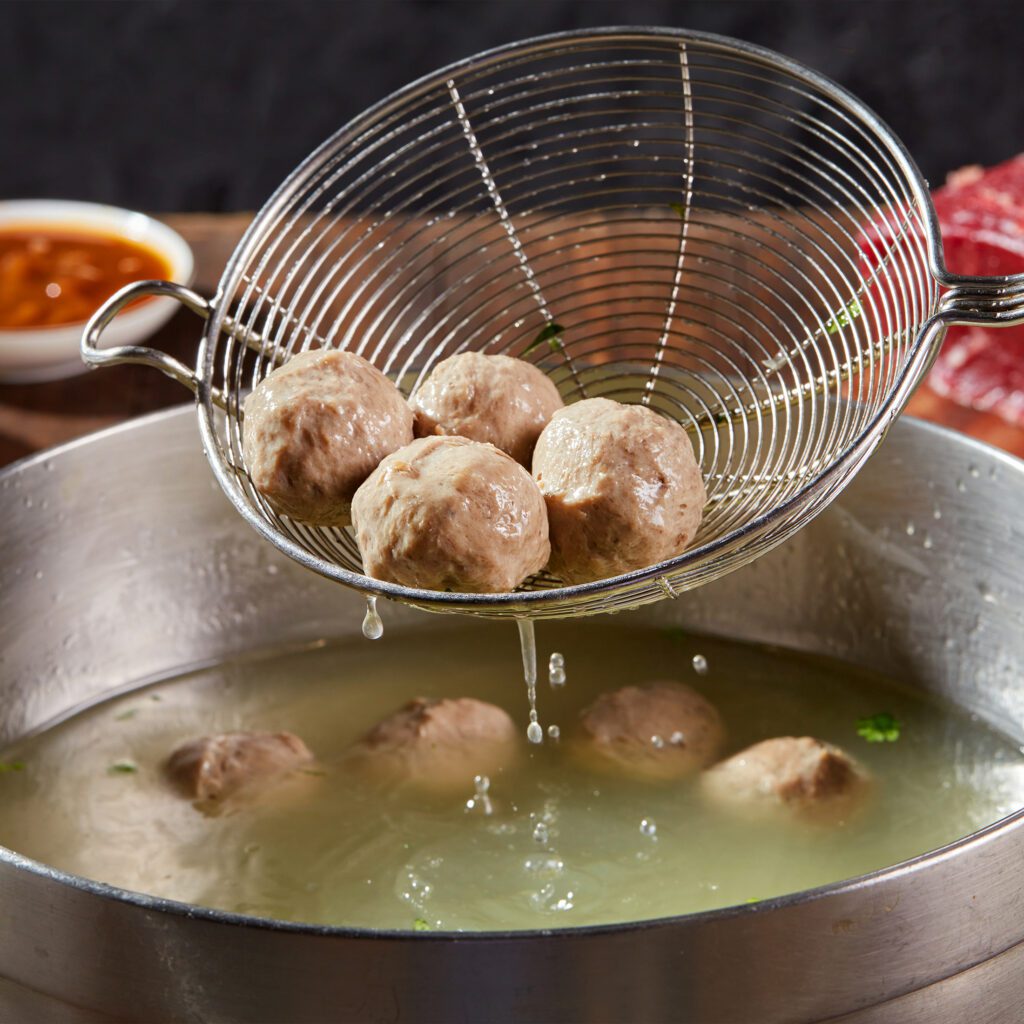
For instance, well-made Beef Meat Balls containing more than 90% real beef deliver the dense, springy bite that hot pot diners expect. When cooked in broth, they release rich beef flavor while maintaining their structure—an important characteristic that distinguishes premium products from low-quality meatballs that quickly fall apart or taste overly processed.
Seafood requires extra attention to freshness. Prawns, fish balls, squid, and scallops shine in clear broths where their natural sweetness comes through. Chinese fish balls and shrimp paste products—those springy, bouncy meatballs that are hot pot staples—should be sourced from manufacturers who use real seafood, not just starches and flavor enhancers. At Jade Premium, we verify that our suppliers use minimum 40% seafood content in their fish and shrimp products, ensuring that signature bouncy texture and genuine seafood taste.
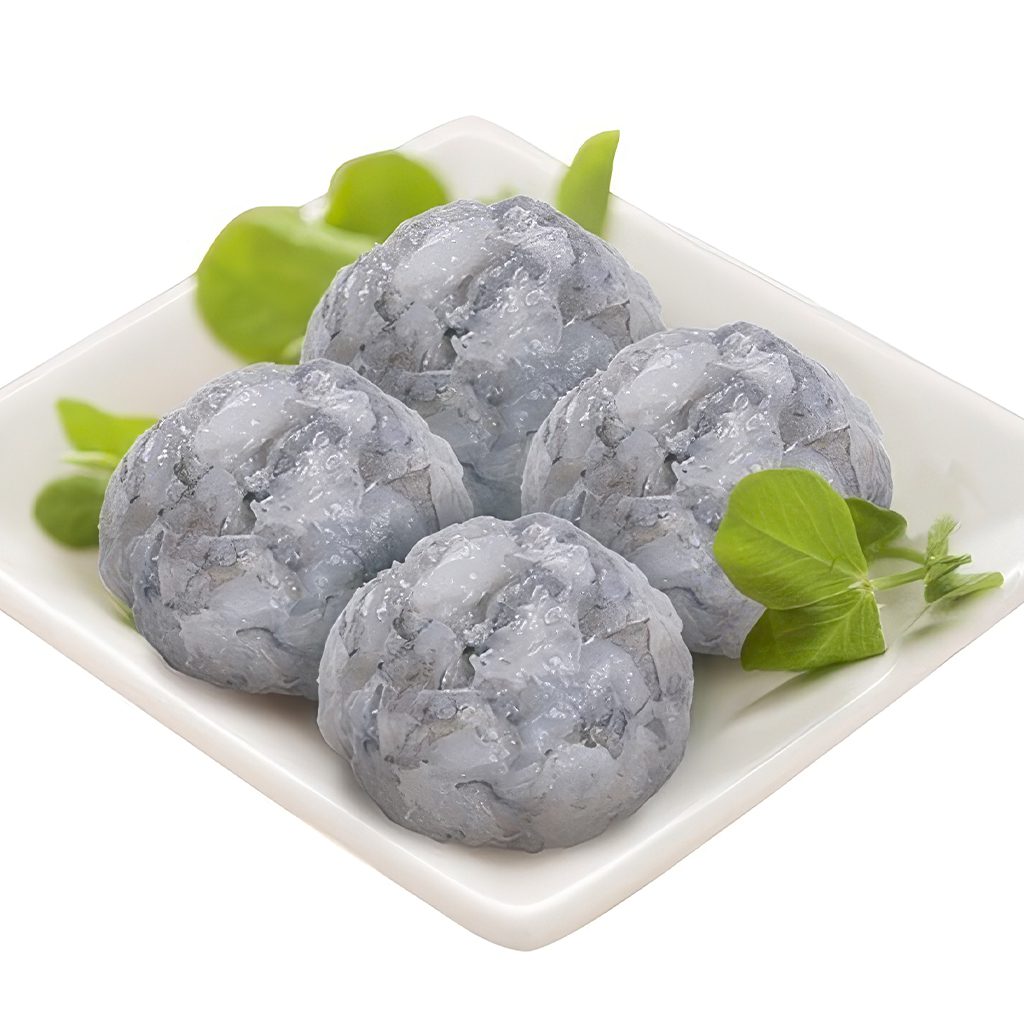
One ingredient that consistently elevates a hot pot experience is high-quality shrimp paste. Unlike many mass-produced seafood balls that rely heavily on starch or fillers, premium shrimp paste should contain a very high percentage of real shrimp.
For example, shrimp pastes made from palm-sized black tiger prawns processed from live shrimp deliver a noticeably richer texture. With over 95% real shrimp content and visible chunks of shrimp meat, the paste cooks into tender, springy seafood bites that release natural sweetness into the broth. Products like Premium Black Tiger Shrimp Paste are popular in hot pot restaurants because they provide both visual appeal and authentic seafood flavor that cheaper substitutes simply cannot match.
The Supporting Cast: Vegetables and Fungi
This is where many international buyers underestimate hot pot’s vegetable component. In China, a hot pot meal isn’t complete without diverse vegetables providing contrast, texture, and nutritional balance.
Leafy greens like Napa cabbage, bok choy, and spinach should be added near the end—they wilt quickly but absorb all those complex broth flavors beautifully. Crown daisy (茼蒿), a slightly bitter green popular in Chinese hot pot, is increasingly available at Asian markets internationally and adds an authentic touch.
Root vegetables need different treatment. Lotus root slices maintain a satisfying crunch even after cooking. Potato and sweet potato slices add starchy comfort. Winter radish brings a gentle sweetness. These need 3-5 minutes in boiling broth, so they go in earlier than greens.
Mushrooms deserve special mention. Enoki mushrooms with their delicate clusters, wood ear fungus with its crunchy texture, shiitake providing earthy depth—these aren’t garnishes; they’re essential flavor builders. Quality dried shiitake, rehydrated before use, release umami compounds that enhance the entire broth. When sourcing mushrooms internationally, verify proper drying and storage conditions. Mushrooms that smell musty or show discoloration should be rejected.
Tofu and soy products bring protein and texture variety. Firm tofu cubes and tofu puffs (those airy, fried tofu pillows) soak up broth like sponges, delivering flavor bombs with every bite. Fresh tofu skin (yuba) offers a chewy, layered texture that’s uniquely satisfying. These products need suppliers who maintain freshness and don’t rely on preservatives—quality tofu has a clean, slightly sweet taste that poor versions lack.

The Personal Touch: Dipping Sauces
Here’s where hot pot becomes truly individual. In China, the dipping sauce station is an art form—customers blend their perfect combination from 15-20 ingredients. For international buyers, offering quality base options lets customers create their ideal flavor profile.
The most common base is sesame paste (tahini-style), thinned with sesame oil and soy sauce. This rich, nutty foundation works with almost anything. From there, customers add:
- Garlic (fresh minced or fermented garlic paste for funky depth)
- Cilantro (absolutely essential for many hot pot lovers)
- Scallions (green onions add fresh bite)
- Chili oil (for those wanting extra heat)
- Vinegar (rice vinegar adds brightness and cuts richness)
- Fermented tofu (for savory, cheese-like complexity)
The key is balance. A sauce that’s all heat or all richness becomes tiring. The best combinations have spicy notes, savory depth, sour brightness, and fragrant aromatics working together. When sourcing sauce ingredients, prioritize authenticity—real sesame paste, quality chili oils made with whole peppers, naturally fermented tofu products. The difference in taste is profound.
Regional Variations: Understanding Flavor Profiles
Chinese hot pot isn’t monolithic. Different regions have developed distinct styles, and understanding these helps international buyers tailor offerings to their markets.
Sichuan and Chongqing style emphasizes that famous Mala intensity—numbing Sichuan peppercorns and chili heat dominate. The broth is often oily, brick-red, and incredibly fragrant. This style typically pairs with beef, tripe, and other bold-flavored ingredients that stand up to aggressive spices.
Cantonese hot pot takes the opposite approach—delicate clear broths that highlight ingredient quality over spice. Fresh seafood, premium beef, and subtle vegetables shine here. The dipping sauces are often soy-sauce based with fresh chili slices, allowing natural flavors to dominate.
Mongolian hot pot traditionally features lamb as the star, with a lighter broth seasoned with ginger and scallions. The focus is on quality lamb and a sesame-heavy dipping sauce that complements the meat’s natural richness.
Beijing-style hot pot often uses a copper pot with a chimney, creating a theatrical presentation. The broth is typically clear, showcasing fresh ingredients, with sesame sauce and fermented tofu forming the classic dipping combination.
For international buyers, these regional styles offer different positioning opportunities. A restaurant targeting spice-lovers might emphasize authentic Sichuan ingredients. One focusing on premium dining might highlight Cantonese-style fresh seafood hot pot. Understanding these distinctions helps you source the right ingredients for your market’s preferences.
Sourcing Strategy: Finding Quality Ingredients
Here’s practical advice for international buyers looking to source authentic Chinese hot pot ingredients:
Visit established Asian markets in your area first. Look for stores with high turnover—fresh products moving quickly indicate quality and proper handling. Check freezer temperatures (should be 0°F/-18°C or below) and packaging dates. Quality suppliers rotate stock carefully.
For meat, some Asian markets offer pre-sliced hot pot meat in the freezer section. Inspect packaging for ice crystal formation—excessive frost indicates temperature fluctuations that damage texture. The meat should look vibrant, not grey or oxidized.
Online sourcing has improved dramatically. Specialized Asian food importers now ship internationally with proper cold chain management. However, verify their handling procedures—hot pot ingredients are delicate. A supplier who can’t explain their cold chain process isn’t worth your business.
When working with Chinese exporters directly, request detailed product specifications. For example, with fish balls and meatballs, you want to know: What’s the actual seafood or meat percentage? What binding agents are used? Are there any allergens? Quality exporters like Jade Premium provide complete ingredient transparency and can adjust products to meet your market’s regulatory requirements.
Build relationships with multiple suppliers. Hot pot requires diverse ingredients, and no single source will excel at everything. You might source excellent broth bases from one supplier, premium sliced meats from another, and authentic dipping sauces from a third.
Test rigorously before committing to large orders. Host actual hot pot sessions using the products you’re considering. Taste, texture, and cooking behavior matter. An ingredient that looks perfect on paper might disappoint in the pot.
Your Quick-Start Shopping List
For international buyers ready to build an authentic hot pot offering, here’s what you need:
Essential Broths:
- Authentic Sichuan Mala hot pot base (with visible whole spices)
- Quality clear broth base or bone stock concentrate
Core Proteins:
- Thin-sliced beef (eye of round or sirloin)
- Lamb slices (leg or shoulder)
- Authentic Chinese fish balls and shrimp paste products (minimum 40% seafood content)
Vegetables & Fungi:
- Napa cabbage, bok choy, spinach
- Enoki mushrooms, wood ear fungus
- Lotus root, potato slices
- Tofu (firm and tofu puffs)
Dipping Sauce Components:
- Chinese sesame paste
- Quality sesame oil
- Chili oil with whole peppers
- Naturally fermented tofu
The difference between a forgettable hot pot and an authentic experience lies in these details—ingredient quality, proper sourcing, and understanding how components work together. At Jade Premium, we’ve spent years building relationships with Chinese suppliers who share our commitment to quality. We don’t just export products; we bridge culinary cultures, ensuring that the hot pot experience your customers enjoy matches what they’d find in Chengdu or Chongqing.
Because authentic Chinese hot pot isn’t just about ingredients—it’s about bringing people together over a shared pot, creating memories through food that transcends borders. When you source the right ingredients, you’re not just selling a meal; you’re delivering that irreplaceable experience.
Bring Authentic Hot Pot Flavor to Your Market