
For international food importers, few challenges are as costly and frustrating as watching premium products spoil in storage or scrambling to explain stockouts to frustrated buyers. Every day, importers face a delicate balancing act: order too much and risk waste; order too little and lose sales. This isn’t just about profit margins—it’s about reputation, customer trust, and the integrity of the products you’ve worked so hard to source.
The financial impact is staggering. Industry experience suggests that food waste from spoilage can consume approximately 3-5% of revenue for importers dealing with perishables, while stockouts cost even more in lost sales and damaged relationships. For importers of authentic Chinese cuisine products—from fresh dim sum to premium hotpot ingredients—the stakes are particularly high. These products often have shorter shelf lives and require careful handling to maintain their quality and cultural authenticity.
At Jade Premium, we’ve seen firsthand how smart inventory planning transforms operations. Our work with international food importers across Europe, North America, the Middle East, and ASEAN regions has shown that the difference between thriving and merely surviving often comes down to how well you manage what’s between the supplier and your customer. It’s not just about having products—it’s about having the right products, in the right quantities, at the right time, in the right condition.
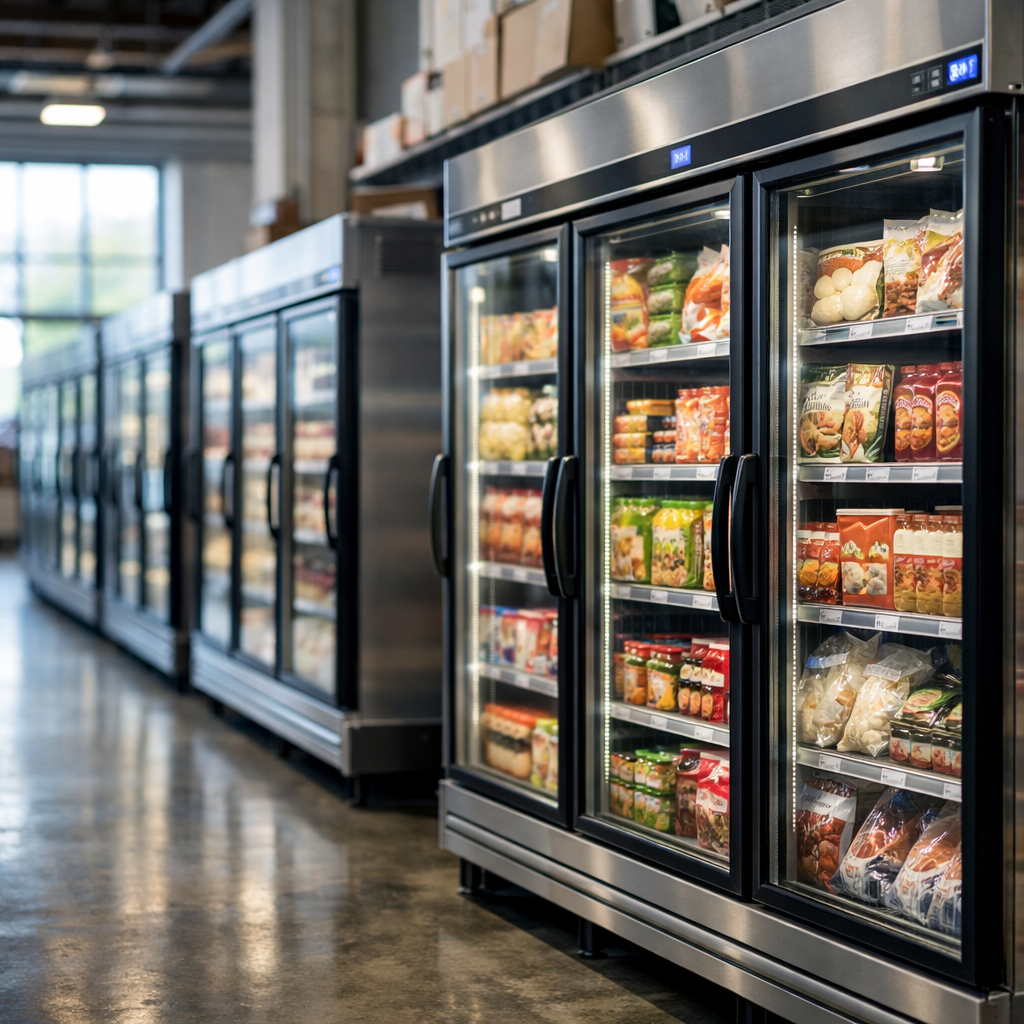
Understanding the Fundamentals of Effective Inventory Planning
Smart inventory planning begins with a solid grasp of demand forecasting at the SKU level. This means looking beyond broad category trends to understand exactly which products your customers want, when they want them, and in what quantities. For food importers, this granular approach is essential because different products behave differently in the market.
Consider a portfolio of Chinese food products. Your frozen dumplings might move steadily throughout the year, while specialty hotpot ingredients spike during winter months. Premium sauces might have consistent demand in restaurants but seasonal patterns in retail. Without SKU-level forecasting, you’re essentially flying blind, making decisions based on gut feeling rather than data.
Effective demand forecasting combines historical sales data with market intelligence. Look at past performance, but also consider factors like promotional calendars, seasonal events, emerging food trends, and even cultural celebrations that might drive demand for specific products. For Chinese cuisine exports, understanding cultural moments—like Lunar New Year or Mid-Autumn Festival—can dramatically improve forecast accuracy.
Inventory policy fundamentals form the next critical layer. This involves establishing clear rules for when to reorder, how much to order, and what safety stock levels to maintain. The goal is creating a systematic approach that balances two competing needs: maintaining product freshness while controlling costs.
Safety stock—your buffer against unexpected demand spikes or supply delays—requires particular attention with perishables. Too much safety stock leads to spoilage; too little creates stockouts. The sweet spot depends on lead times, demand variability, and shelf life. For products with 30-day shelf lives, your safety stock strategy looks very different from items that last six months.
Shelf life management ties everything together. This means tracking not just quantity but also age and condition of inventory. Best-practice importers implement systems that monitor days until expiration, enabling proactive decisions about pricing, promotions, or alternative channels for products approaching their sell-by dates. This approach aligns perfectly with maintaining high-quality standards—because freshness is quality, especially for premium food products.
Strategies Specific to Food Importers
Forecast-driven replenishment represents a fundamental shift from reactive to proactive inventory management. Instead of waiting until stock runs low to place orders, forecast-driven systems anticipate needs based on predicted demand patterns, lead times, and desired service levels.
For international food importers, this approach is particularly valuable because cross-border logistics involve longer, more complex lead times. When sourcing authentic Chinese products, you might face commonly 30-45 day lead times from order placement to warehouse receipt. Forecast-driven replenishment helps you account for this timeline, ensuring orders arrive just as existing stock reaches optimal depletion levels.
The key is building reliability into your forecasts. Start with simple moving averages for stable products, then incorporate more sophisticated methods for items with seasonal patterns or trending demand. Regular forecast reviews—monthly for fast-movers, quarterly for slower items—help you stay aligned with market realities.
Optimizing reorder points requires understanding three critical variables: lead time demand, demand variability, and desired service level. Your reorder point should trigger new orders early enough that stock doesn’t run out during the replenishment period, even if demand is higher than expected.
For perishable products, add a fourth consideration: remaining shelf life at the reorder point. You don’t want new inventory arriving just as old inventory expires. Smart importers stagger their orders and work with suppliers to ensure incoming products have maximum remaining shelf life. This is where Jade Premium’s expertise in logistics optimization proves invaluable—we help coordinate timing and quantities with Chinese suppliers to maximize freshness upon arrival.
Dual sourcing builds supply chain resilience by establishing relationships with multiple qualified suppliers for critical products. While this might seem to add complexity, it actually reduces risk significantly. If one supplier faces production delays, quality issues, or capacity constraints, you have alternatives.
For importers of Chinese food products, dual sourcing requires careful supplier qualification. Not all manufacturers maintain the same standards, and switching between suppliers shouldn’t mean compromising quality or authenticity. Our extensive network across major Chinese production regions—from Guangzhou to Shanghai to Chengdu—enables us to identify and verify multiple premium suppliers for the same product categories, ensuring you always have reliable backup options.
Perishables-Specific Best Practices
FIFO—First In, First Out—is more than a principle; it’s a discipline that must be embedded in every warehouse operation handling perishables. This means physically organizing storage so older inventory is always picked first, clearly marking arrival dates on all products, and training staff to respect the system without exception.
Implementing FIFO effectively requires clear visual management. Date codes should be prominently displayed, storage locations should make older stock more accessible, and picking processes should guide warehouse staff to the right products. Many successful importers use color-coded systems—green tags for fresh inventory, yellow for approaching midpoint, red for products needing immediate attention.
Technology supports FIFO compliance, but the foundation is operational discipline. Even with sophisticated warehouse management systems, you need staff who understand why FIFO matters and how their daily decisions impact product quality and customer satisfaction.
Cold chain management is non-negotiable for maintaining product integrity throughout the supply chain. From the moment products leave the manufacturer until they reach your customer, temperature control must be continuous and documented. This is particularly critical for authentic Chinese food products—many traditional items require specific temperature ranges to maintain their taste, texture, and safety.
Effective cold chain management starts with validated temperature monitoring. IoT sensors now provide real-time visibility into storage and transport conditions, automatically alerting you to temperature excursions before they cause significant damage. These systems create the documentation needed for quality assurance and regulatory compliance.
At Jade Premium, our stringent quality control protocols include comprehensive cold chain verification. We work with Chinese suppliers to ensure proper initial handling, coordinate with logistics partners who maintain certified cold storage and transport, and verify temperature integrity at every handoff point. This end-to-end oversight protects your investment and ensures customers receive products in optimal condition.
Waste tracking transforms spoilage from an unavoidable cost into a manageable challenge. By systematically recording what spoils, when it spoils, and why, you identify patterns that inform better decisions. Perhaps certain products consistently arrive with shorter remaining shelf life than specifications require. Maybe specific storage locations have temperature inconsistencies. Or forecast errors for particular SKUs need correction.
Implement a simple but disciplined waste tracking system. Record the product, quantity, reason for disposal, and estimated value. Monthly reviews of this data reveal opportunities for improvement. Many importers find that just 3-5 SKUs account for the majority of their waste—fixing issues with these products delivers outsized returns.
Regulatory and Compliance Considerations
International food trade involves navigating complex regulatory frameworks. For importers bringing Chinese food products into markets like North America, Europe, or Australia, understanding and meeting requirements isn’t optional—it’s foundational to successful operations.
FDA regulations and the Food Safety Modernization Act (FSMA) establish comprehensive requirements for importers of food products into the United States. FSMA’s Foreign Supplier Verification Program (FSVP) places responsibility on importers to verify that foreign suppliers produce food meeting U.S. safety standards. This means documenting supplier qualifications, maintaining hazard analysis records, and implementing corrective action procedures.
Inventory planning intersects with compliance in several ways. Products must be traceable from origin through distribution, requiring lot tracking and documentation systems. Recalls—while hopefully rare—demand the ability to quickly identify and isolate affected products. Your inventory system must support one-step-back, one-step-forward traceability.
Similar frameworks exist in other markets. The European Union’s food safety regulations, for instance, require full traceability and hygiene standards throughout the supply chain. Understanding these requirements for each target market informs not just compliance procedures but also inventory decisions—products must be labeled and documented appropriately for their destination.
Jade Premium’s comprehensive compliance know-how facilitates smooth market entry for Chinese exports. Our team maintains current knowledge of international food safety regulations, certification requirements, and documentation standards. We work with Chinese suppliers to ensure products meet destination market requirements before shipment, reducing the risk of customs delays, rejections, or costly corrective actions.
This compliance expertise extends to inventory planning. We help clients implement tracking systems that satisfy regulatory requirements while supporting operational efficiency. When documentation is right from the start, you avoid the scrambling and potential stock write-offs that come from compliance issues discovered mid-stream.
Leveraging Technology for Better Visibility and Control
Modern inventory management increasingly relies on integrated systems that provide real-time visibility across the supply chain. Enterprise Resource Planning (ERP) and Warehouse Management System (WMS) platforms centralize data from procurement, logistics, storage, and sales, creating a single source of truth for inventory decisions.
For food importers, these systems deliver several crucial capabilities. Real-time stock visibility shows exactly what you have, where it is, and what condition it’s in. Automated reorder triggers remove the risk of human oversight. Integration with supplier systems enables better coordination of incoming shipments. And reporting tools surface insights that manual tracking simply can’t provide.
The key is choosing systems that handle the unique requirements of perishable inventory. Your platform should track not just quantities but also batch numbers, expiry dates, and quality attributes. It should support FIFO logic and provide alerts when products approach critical dates. And it should integrate temperature monitoring data, creating an auditable cold chain record.
Analytics capabilities transform raw data into actionable intelligence. Predictive analytics can improve forecast accuracy by identifying subtle patterns in historical demand. Exception reports highlight SKUs with unusual turnover rates, potential quality issues, or forecasting problems. Supplier performance metrics inform better sourcing decisions.
Consider inventory turnover rates—the number of times you cycle through your average inventory in a period. Higher turnover generally indicates efficient operations and fresh products. Analytics help you benchmark turnover rates against industry standards, identify underperforming SKUs, and optimize order quantities. For perishable products, targeting higher turnover rates reduces spoilage risk while maintaining service levels.
Technology also enables scenario planning. What if lead times increase by a week? What if demand spikes 20%? How would different safety stock policies affect service levels and costs? Modern inventory optimization tools let you model these scenarios, making informed decisions before problems occur.
Measuring Success: Key Performance Indicators
Effective inventory management requires measuring what matters. Several key performance indicators (KPIs) help you track progress and identify opportunities for improvement.
Inventory turnover ratio—calculated as cost of goods sold divided by average inventory value—indicates how efficiently you’re cycling through stock. For food importers, healthy turnover rates vary by product category but generally range from 8-15 turns annually for perishables. Lower turnover suggests overstocking or slow-moving products; higher turnover might indicate stockout risks.
Service level—the percentage of demand satisfied from available stock—measures your success at avoiding stockouts. Target service levels depend on customer expectations and product economics. Premium products for restaurant clients often target 98%+ service levels, while retail products typically target around 95%. The key is choosing appropriate targets and consistently measuring performance.
Waste percentage tracks spoilage and obsolescence as a portion of purchases. Best-in-class food importers are often able to maintain waste below 2% through effective planning and handling. Trending this metric over time shows whether improvements are working and highlights which products or suppliers need attention.
Supplier performance metrics provide another critical view. On-time delivery rates, quality conformance, and remaining shelf life on arrival all impact your inventory success. Tracking these metrics identifies which suppliers consistently deliver value and which require improvement or replacement.
Days of inventory on hand—average inventory divided by daily sales rate—indicates how long current stock will last. For perishables, this metric needs careful interpretation alongside shelf life data. Having 30 days of inventory sounds efficient until you realize the products only have 35 days of remaining shelf life.
At Jade Premium, we believe these metrics tell a story beyond just operations—they reflect your commitment to quality and customer service. Our deep cultural and market expertise supports clients in achieving strong performance across these indicators. We understand that successful inventory management isn’t just about minimizing costs; it’s about reliably delivering authentic, high-quality products that build trust with your customers.
Building a Sustainable Future
Smart inventory planning for food importers isn’t a destination but a journey of continuous improvement. The strategies and practices outlined here—from demand forecasting to cold chain management, from compliance to technology—work together to create resilient, efficient operations that minimize waste while maximizing service.
The path forward requires commitment to both systems and relationships. Invest in the tools and training that support disciplined inventory management. Build strong partnerships with qualified suppliers who share your commitment to quality. And maintain the cultural understanding needed to source and market authentic products effectively.
For importers of Chinese food products, this journey offers particular rewards. Chinese cuisine represents one of the world’s great culinary traditions, with incredible diversity and sophistication. When you successfully manage the complexities of international food trade—maintaining freshness, ensuring compliance, and reliably delivering quality—you don’t just run a successful business. You become a bridge between cultures, bringing authentic flavors to new markets and building appreciation for Chinese culinary heritage.
Jade Premium stands ready to support this journey. Our vision of deepening integration of global premium food resources while promoting mutually beneficial international partnerships guides everything we do. Whether you’re an established importer seeking to optimize operations or a new entrant navigating the complexities of cross-border food trade, our comprehensive services and local expertise help you succeed while maintaining the quality and authenticity that your customers expect.
The challenges of spoilage and stockouts are real, but they’re not insurmountable. With smart planning, the right partners, and commitment to continuous improvement, you can build an inventory operation that delivers both profitability and pride—knowing you’re bringing exceptional, safe culinary experiences to customers worldwide.