
The intersection of tradition and innovation is reshaping the global food landscape, and nowhere is this more evident than in the emergence of plant-based Chinese food. By merging centuries-old Chinese culinary techniques with cutting-edge plant protein technologies, this movement is creating sustainable alternatives that honor authentic flavors while addressing modern concerns about health, ethics, and environmental impact. As consumers worldwide increasingly seek ethical protein sources, the timing couldn’t be more perfect for plant-based Chinese cuisine to claim its rightful place on international tables.
China has long been the birthplace of plant-based innovation. Tofu, soy milk, seitan, and countless other plant-based staples that vegans worldwide depend on today originated in Chinese kitchens centuries ago. This rich heritage of plant-based craftsmanship isn’t merely historical—it’s a living tradition that continues to evolve. Today’s Chinese food producers are building on this foundation, combining traditional fermentation methods, texture-crafting techniques, and flavor profiles with modern food science to create products that satisfy both nostalgia and contemporary expectations.
What makes plant-based Chinese food particularly compelling is its authenticity. Unlike Western plant-based products that often attempt to mimic meat through complex processing, many Chinese plant-based foods leverage natural ingredients and time-tested preparation methods. The result is products that don’t just substitute for animal proteins—they stand proudly on their own merits, offering unique textures and flavors that reflect genuine culinary heritage. This philosophy aligns perfectly with Jade Premium’s commitment to providing natural, premium, and healthy products that honor food traditions while meeting modern quality standards.
The Global Export Opportunity
International markets are experiencing an unprecedented surge in demand for plant-based foods, and Chinese producers are uniquely positioned to capitalize on this trend. According to the 2024 State of the Industry report from the Good Food Institute, global retail sales of plant-based meat, dairy and other alternative products reached approximately $28.6 billion in 2024, driven by growing interest in meat analogs across Europe and the Asia-Pacific region. For Chinese exporters, this represents not just a commercial opportunity but a chance to showcase the sophistication and depth of Chinese culinary innovation to the world.
Western markets, particularly in North America and Europe, are actively seeking authentic Asian flavors in their plant-based options. Consumers tired of generic veggie burgers are discovering the complexity of mapo tofu made with plant-based grounds, the satisfying chew of wheat-based char siu, or the umami richness of mushroom-based dumplings. These products offer something that many Western alternatives lack: cultural authenticity combined with culinary excellence.
Asian markets, meanwhile, are experiencing their own plant-based revolution. Countries like Singapore, Japan, and South Korea are seeing rapid adoption of plant-based foods among younger, health-conscious consumers who appreciate both innovation and familiar flavors. Chinese plant-based products, with their emphasis on traditional taste profiles and cooking methods, resonate strongly with these consumers who want sustainable options without sacrificing the flavors they grew up with.
The digital revolution has made these international markets more accessible than ever. Smaller Chinese producers no longer need massive distribution networks to reach global consumers. E-commerce platforms, social media marketing, and direct-to-consumer shipping options have democratized international trade. A family-run tofu producer in Sichuan can now sell their artisanal smoked tofu to customers in London or Los Angeles, provided they understand international compliance requirements and market positioning. This is where companies like Jade Premium play a crucial role, bridging the gap between authentic Chinese producers and international buyers through comprehensive trade services that handle everything from supplier qualification to logistics optimization.
Market Drivers Behind the Plant-Based Surge
Three powerful forces are accelerating the global adoption of plant-based foods: health consciousness, environmental sustainability, and ethical considerations regarding animal welfare. Understanding these drivers is essential for Chinese exporters looking to position their products effectively in international markets.
Health concerns are perhaps the most universal motivator. Consumers worldwide are increasingly aware of the links between excessive meat consumption and chronic diseases including heart disease, diabetes, and certain cancers. Plant-based diets rich in whole grains, legumes, and vegetables offer proven health benefits, from improved cardiovascular health to better weight management. Chinese plant-based foods, particularly those built around minimally processed soy products, fermented foods, and vegetable-forward preparations, align perfectly with these health priorities.
Environmental sustainability has moved from niche concern to mainstream imperative. According to the FAO, livestock production accounts for approximately 14.5% of global greenhouse gas emissions, along with significant water usage and land degradation. Plant-based proteins require dramatically fewer resources—producing one kilogram of beef requires approximately 15,000 liters of water, compared to just 2,500 liters for one kilogram of soybeans. As climate change impacts like heavy rainfall and extreme weather events increasingly disrupt global food systems, the shift toward more sustainable protein sources isn’t just ethical—it’s practical. China, as the world’s largest agricultural producer, is already taking action to address these challenges, creating a favorable policy environment for sustainable food production.
Animal welfare considerations are particularly influential among younger consumers in developed markets. These buyers aren’t necessarily vegetarian or vegan, but they’re consciously reducing meat consumption and seeking products that align with their values. They’re willing to pay premium prices for foods that meet high ethical standards, creating opportunities for Chinese producers who can tell compelling stories about their traditional, minimally processed, plant-based products.
Product innovation is expanding the boundaries of what plant-based Chinese food can be. While tofu and soy-based products remain foundational, producers are now developing sophisticated seafood analogs that capture the texture and flavor of fish, shrimp, and shellfish—all crucial components of Chinese cuisine. Ready-to-eat meals featuring authentic Chinese flavors, from kung pao “chicken” to plant-based hotpot ingredients, are making it easier than ever for international consumers to enjoy Chinese cuisine at home. This innovation mirrors Jade Premium’s commitment to quality and continuous improvement, ensuring that plant-based options don’t compromise on taste or cultural authenticity.
China’s Domestic Growth and Export Potential
China’s domestic plant-based food market is experiencing remarkable growth, creating a strong foundation for international expansion. Industry analysis estimates that China’s plant-based food and beverages market was valued at approximately $10 billion in 2024 and could grow to around $40 billion by 2032, implying strong double-digit CAGR. This domestic momentum is significant because it demonstrates that Chinese consumers themselves are embracing these products, validating their quality and appeal.
Several China-specific dynamics are driving this growth. Urbanization and rising incomes have created a new class of health-conscious consumers, particularly in tier-one and tier-two cities. These consumers are experimenting with functional beverages, plant-based snacks, and clean-label packaged foods. Younger generations, influenced by global trends yet deeply connected to Chinese food culture, are seeking products that honor traditional flavors while aligning with modern values.
Government policy is playing a supportive role as well. China’s focus on sustainable food systems and food security has led to increased investment in alternative protein research and development. The recent announcement of a national plan running from 2026-2030 focuses on creating new processes, products, and business models by leveraging emerging technologies. This includes significant research into plant-based proteins, microbial fermentation, and sustainable agriculture practices. For exporters, this means access to cutting-edge production technologies and government support for scaling operations.
The domestic success of plant-based Chinese foods creates compelling export narratives. When international buyers see that Chinese consumers themselves are enthusiastically adopting these products, it builds credibility and trust. A plant-based dumpling that’s popular in Shanghai restaurants becomes more appealing to international food service operators who want authentic Chinese flavors. This authenticity is Jade Premium’s core advantage—our deep understanding of Chinese food production combined with knowledge of international market demands allows us to identify products with genuine global appeal.
Product Categories with Export Potential
Several product categories stand out as particularly promising for international markets, each offering unique advantages and opportunities.
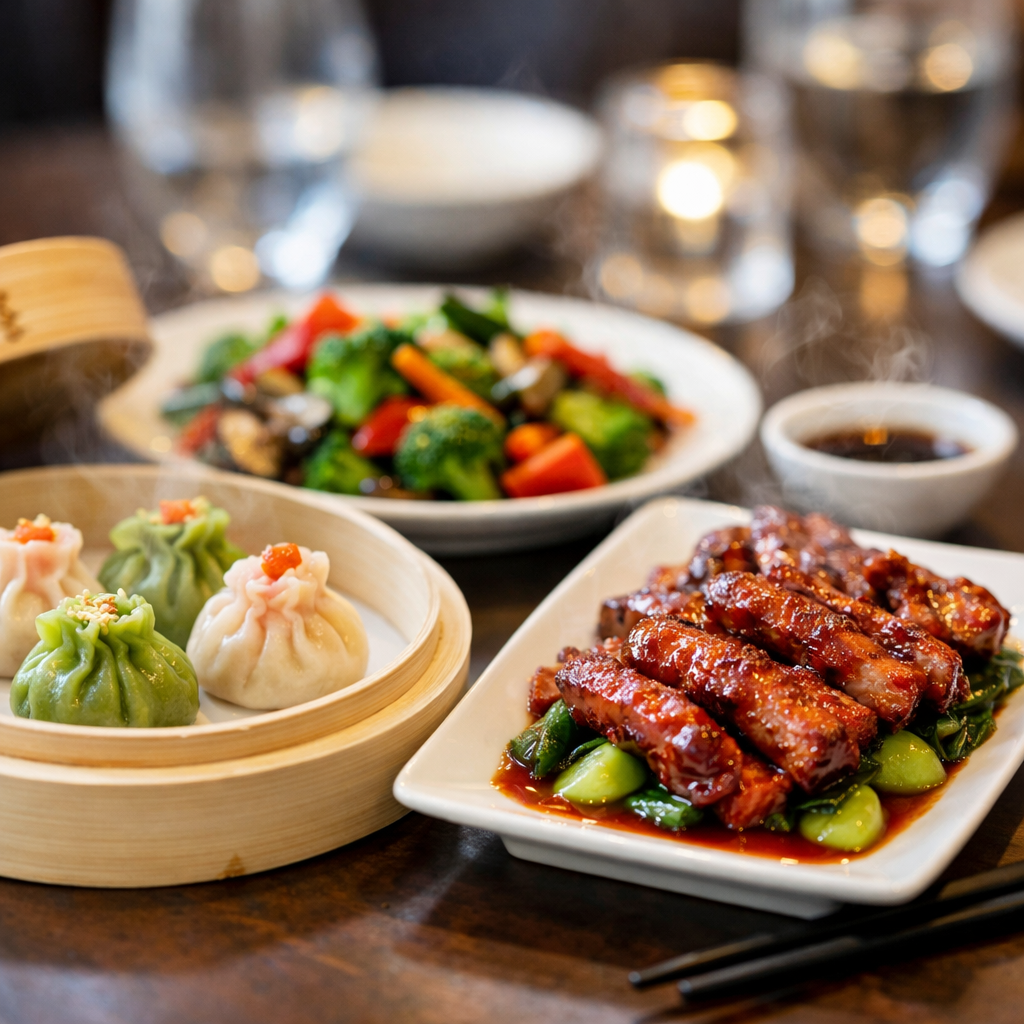
Plant-based meats represent perhaps the most visible category. Chinese producers are creating sophisticated meat alternatives using soy protein, wheat gluten, mushrooms, and other plant bases. These products benefit from centuries of Chinese expertise in texturizing plant proteins—techniques developed by Buddhist monks and refined over generations. Unlike some Western alternatives that rely heavily on novel ingredients and complex processing, many Chinese plant-based meats use recognizable, minimally processed ingredients. Products like plant-based char siu, “pork” belly, and marinated “duck” offer authentic Chinese flavors that are difficult to find in Western plant-based meat markets.
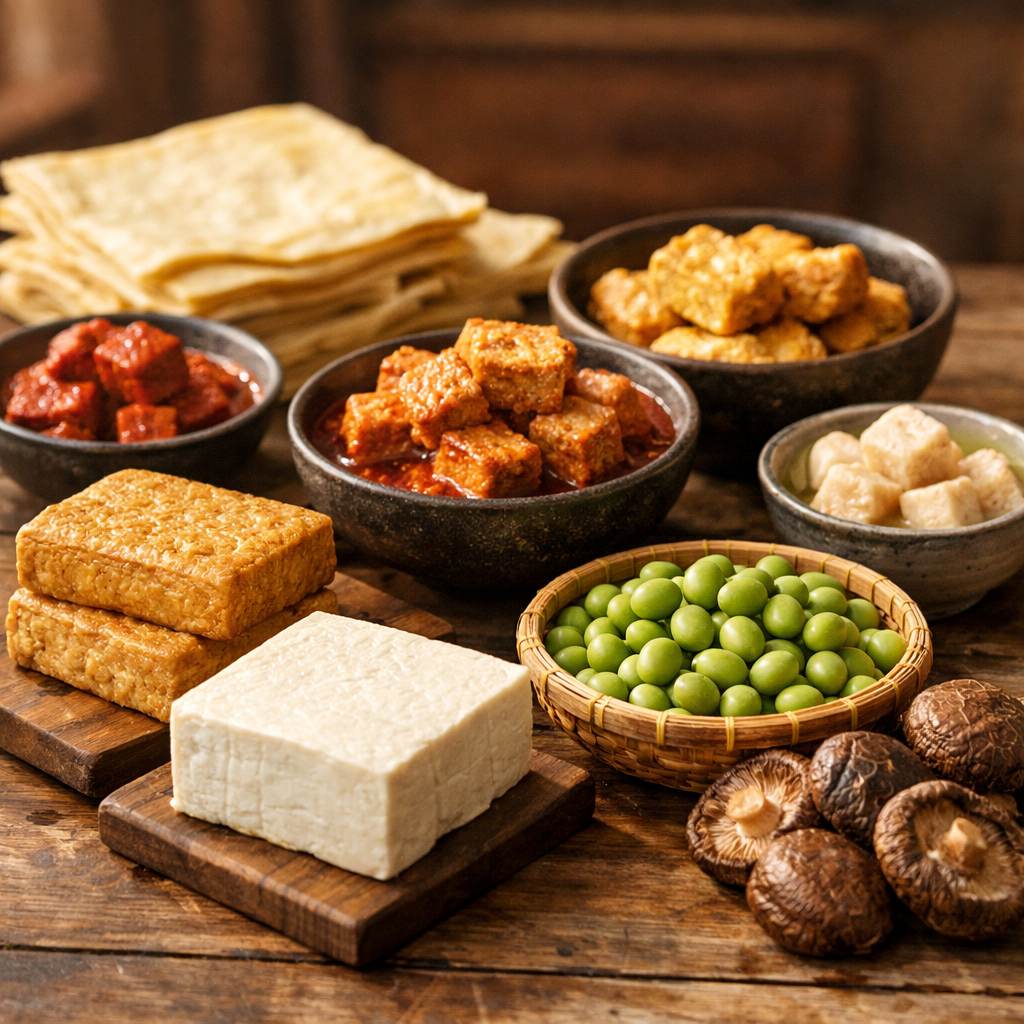
Soy-based products remain the backbone of plant-based Chinese exports. Tofu in its many forms—silken, firm, pressed, fermented, smoked—represents a category where Chinese producers have unmatched expertise. Beyond basic tofu, products like dried tofu sheets, tofu skin, fermented tofu, and specialty preparations offer international buyers access to ingredients that are essential for authentic Chinese cooking. The global recognition of tofu as a healthy, versatile protein source creates immediate market acceptance, while the variety and quality of Chinese-produced soy products differentiate them from generic alternatives.
Dairy alternatives are experiencing explosive growth worldwide, and Chinese producers are well-positioned to supply innovative products. Traditional soy milk, already familiar in many markets, is being joined by newer offerings including plant-based yogurts, cream alternatives, and cheese substitutes suitable for Chinese cuisine. These products benefit from China’s deep expertise in soy processing and fermentation, techniques that create complex flavors and textures difficult to replicate elsewhere.
Ready-to-eat and ready-to-cook meals represent a high-value opportunity. International consumers increasingly want convenient options that don’t compromise on authenticity or quality. Plant-based dumplings, spring rolls, bao buns, and complete meal kits featuring classic Chinese dishes answer this need. These products require sophisticated supply chain management and quality control—exactly the capabilities that Jade Premium provides through our comprehensive trade services and stringent quality standards.
Success in international markets requires more than great products—it demands attention to compliance, packaging, and certification. International buyers expect products to meet specific food safety standards, labeling requirements, and import regulations. Chinese exporters must obtain relevant certifications such as organic, non-GMO, halal, or kosher credentials depending on target markets. Packaging must be both functional and appealing, telling the product’s story while meeting practical requirements for shipping and shelf life. Sustainable packaging is increasingly important, as international buyers seek products that align with environmental values from production through disposal.
Strategic Approaches to International Success
Successfully exporting plant-based Chinese food requires thoughtful strategies around branding, marketing, and distribution. The most successful exporters find ways to localize flavor profiles and positioning while maintaining cultural authenticity—a delicate balance that separates market leaders from also-rans.
Localization doesn’t mean abandoning authenticity. Rather, it means understanding how to present authentic Chinese flavors in ways that resonate with specific markets. A plant-based mapo tofu might emphasize its protein content and clean ingredients for health-conscious American consumers, highlight its traditional Sichuan heritage for foodie markets in Europe, or stress its convenience and authentic flavor for busy professionals in Singapore. The product itself remains the same, but the story told around it adapts to audience priorities and cultural context.
Partnership strategies are crucial for market entry. Working with established importers, distributors, and retail partners provides access to existing customer relationships and market knowledge. Food service partnerships with restaurants, hotels, and catering companies create opportunities to showcase products in authentic contexts, building brand awareness and consumer trust. Strategic partnerships with companies like Jade Premium, which specialize in bridging Eastern and Western markets, provide comprehensive support from sourcing verification through final delivery, minimizing risks and accelerating market entry.
E-commerce and digital marketing have become essential tools for building international brands. A strong online presence allows even smaller producers to reach global consumers directly, telling their brand story and building communities around their products. Social media platforms enable authentic storytelling, showing production processes, sharing recipes, and connecting with consumers who care about food origins and cultural heritage. Digital channels also provide valuable market feedback, helping exporters understand consumer preferences and adjust products or positioning accordingly.
Quality consistency and reliability separate successful exporters from one-time sellers. International buyers need confidence that products will meet specifications every time, arrive on schedule, and maintain quality through shipping and storage. This requires robust quality control systems, professional supply chain management, and transparent communication—all core services that Jade Premium provides to ensure every product meets international quality standards.
The Path Forward
The future of plant-based Chinese food exports looks remarkably bright. Multiple trends are converging to create sustained growth opportunities: increasing global awareness of Chinese cuisine’s sophistication, growing demand for sustainable proteins, rising interest in ethnic and authentic flavors, and improving access to international markets through digital channels and streamlined logistics.
Success in this evolving market requires several key factors. Product innovation must continue, expanding beyond traditional categories to include new formats, flavors, and applications while maintaining cultural authenticity. Robust certifications and compliance with international standards build buyer confidence and open doors to regulated markets. Strategic partnerships with experienced trade facilitators provide crucial market knowledge, cultural bridging, and practical support throughout the export process.
For Chinese producers, this moment represents an extraordinary opportunity to showcase the depth and innovation of Chinese food culture while meeting global demand for sustainable, ethical protein sources. The products are ready, the markets are eager, and the infrastructure for international trade continues to improve.
Jade Premium stands ready to support this revolution, bringing authentic Chinese cuisine to global tables through our comprehensive supply chain services, deep market expertise, and commitment to quality. As a trusted facilitator with offices spanning major Chinese cities and established relationships with premium producers, we provide the cultural expertise, compliance know-how, and integrated solutions that turn export potential into export success. The plant-based Chinese food revolution isn’t just about products—it’s about sharing the richness of Chinese culinary heritage with the world, one sustainably produced, deliciously authentic bite at a time.