
- What "Clean Label" Really Means for Chinese Noodles
- Understanding Chinese Noodle Varieties for Clean-Label Sourcing
- Strategic Sourcing: Finding the Right Manufacturing Partners
- Quality and Texture Considerations in Additive-Free Production
- Consumer Trends Driving Clean-Label Demand
- Practical Verification and Labeling Guidance
- Your Clean-Label Noodle Sourcing Checklist
For international buyers looking to expand their product lines with authentic Chinese noodles, the clean-label movement has transformed what was once a straightforward procurement decision into a complex balancing act. You’re no longer just selecting between fresh, dried, or instant formats—you’re navigating ingredient transparency, additive concerns, and consumer expectations that demand both authenticity and simplicity.
The challenge is real: How do you source Chinese noodles that deliver the authentic texture and flavor your customers expect while meeting the clean-label standards they increasingly demand? The answer lies in understanding what “clean label” actually means in the context of Chinese noodle production, and knowing exactly what questions to ask before you place that first order.
What “Clean Label” Really Means for Chinese Noodles
When we talk about clean-label Chinese noodles, we’re referring to products made with recognizable, simple ingredients—the kind your grandmother would understand. In practical terms, this means noodles produced primarily from flour, water, and minimal additional components, without synthetic preservatives, artificial colors, or chemical stabilizers.
But here’s where it gets nuanced: Traditional Chinese noodle-making has always relied on certain components that might sound “chemical” to Western consumers but are actually time-honored ingredients. Take kansui, for example—an alkaline mineral water traditionally used in lamian and other wheat noodles. While its chemical designation (potassium carbonate and sodium carbonate) might raise eyebrows among clean-label purists, kansui is a natural ingredient that’s been used for centuries to achieve that characteristic chewy texture and yellow color in Chinese noodles.
The key distinction international buyers need to understand is the difference between traditional functional ingredients and modern synthetic additives. A noodle made with wheat flour, water, and kansui can still qualify as clean label if properly communicated. What disqualifies a product are synthetic emulsifiers (like polysorbate 80), artificial preservatives (like sodium benzoate), and lab-created flavor enhancers (like disodium inosinate).
When you’re evaluating ingredient lists from Chinese suppliers, look for straightforward declarations: wheat flour, water, salt, and perhaps egg or spinach for variety. Some producers now use natural alternatives to traditional alkaline agents—mineral-rich spring water or plant-based alkaline sources that achieve similar textural results while simplifying the ingredient deck even further.
Understanding Chinese Noodle Varieties for Clean-Label Sourcing
Not all Chinese noodles are created equal when it comes to clean-label production. Instead of settling for highly processed options, savvy buyers are turning to inherently clean traditional staples that require zero chemical intervention to achieve the perfect bite.
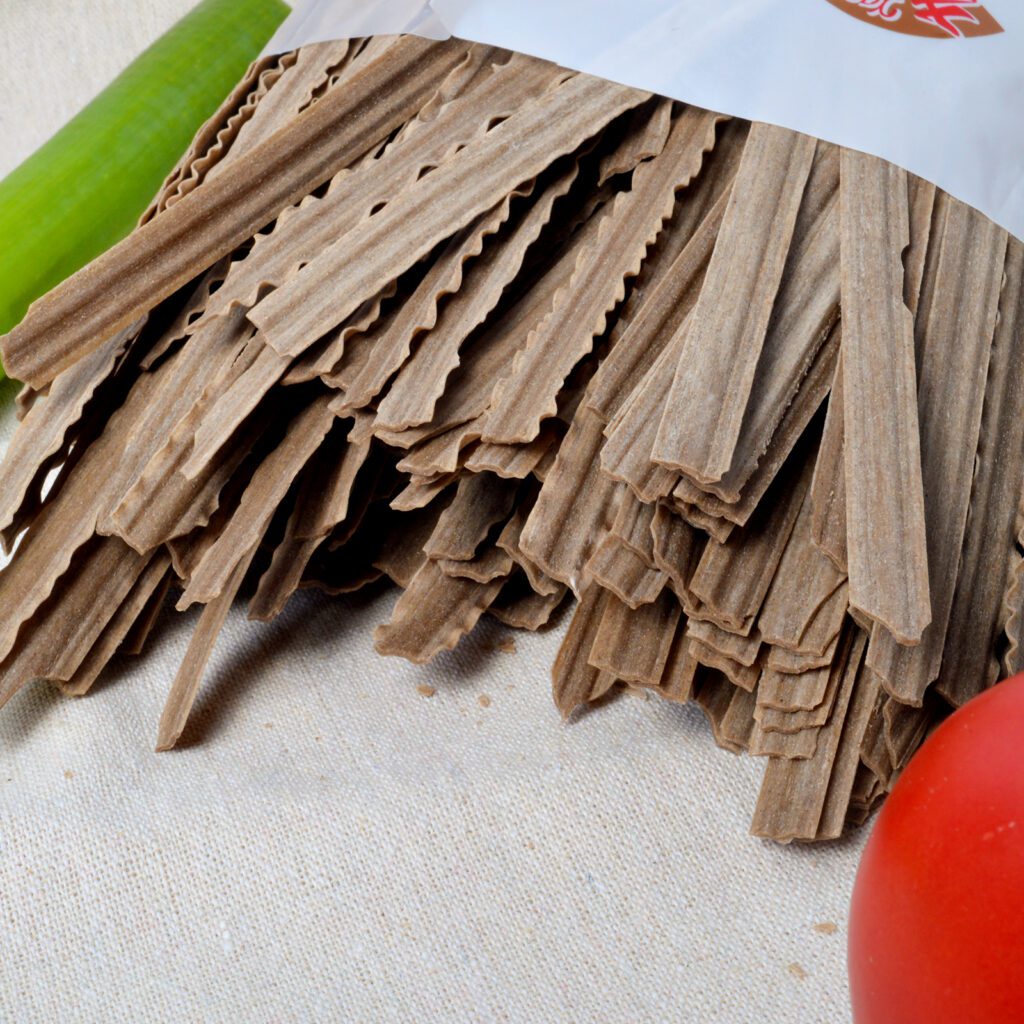
Take Daoxiao Noodles (knife-cut noodles), for example. Authentic Daoxiao noodles don’t need chemical dough conditioners or synthetic emulsifiers. Premium options, such as the Yaomu Brand Daoxiao Noodles, achieve their signature texture—thick and chewy in the middle, thin and flavorful on the edges—entirely through the use of high-quality wheat core flour and a traditional 360-degree handcrafted noodle-rolling technique.
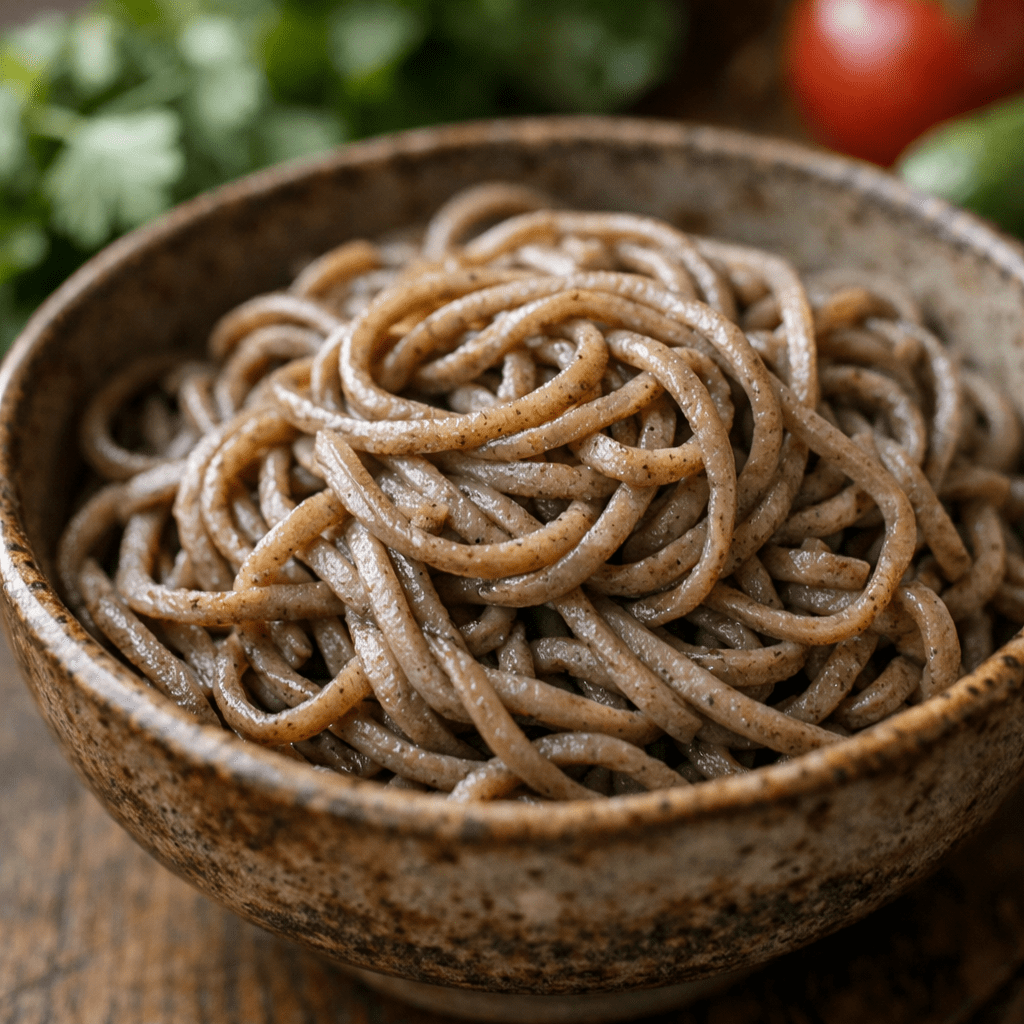
Similarly, the surging demand for health-conscious Asian ingredients has elevated traditional Buckwheat Noodles. The best clean-label producers utilize high-altitude ingredients rather than laboratory shortcuts. The Yaomu Brand Buckwheat Noodles, for instance, are crafted from 30% high-mountain buckwheat blended with high-gluten flour. Through thousands of kneadings and slow pressing, they achieve elasticity and a chewy texture naturally. The ingredient deck remains perfectly clean, offering a delicious, low-burden staple that global health-conscious consumers are actively seeking.
Strategic Sourcing: Finding the Right Manufacturing Partners
Sourcing clean-label Chinese noodles requires a different approach than traditional commodity procurement. A clean ingredient list on an Alibaba supplier page doesn’t mean the product will clear your local customs. If you source blindly, you risk buying from factories that lack standardized safety systems or valid export licenses, resulting in detained shipments and ruined margins.
This is exactly where Jade Premium eliminates the risk. As an international buyer, you shouldn’t have to spend months navigating Chinese manufacturing landscapes or conducting complex regulatory audits. We serve as your on-the-ground gatekeeper, having already vetted export-ready, clean-label manufacturers that meet strict international standards.
For example, the manufacturer behind the Yaomu Brand— Longhe Flour Industry —doesn’t just make “natural” claims; we have verified their official HACCP certifications. When you work with Jade Premium, the division of labor is simple: You select the authentic ingredients your market craves, and we handle the complexity. We conduct the factory-floor audits, verify ingredient compliance against your country’s regulations, and manage the end-to-end global cold-chain logistics.
Ask pointed questions about their production processes: How do they develop gluten without dough conditioners? What techniques do they use to prevent sticking without chemical anti-caking agents? How do they ensure microbiological safety without synthetic preservatives? Manufacturers who can provide specific, technical answers—rather than vague assurances—are demonstrating real expertise.
Consider requesting facility visits or third-party audits. At Jade Premium, we’ve found that the most reliable clean-label noodle producers welcome scrutiny because they’re proud of their processes. They’re typically eager to demonstrate their mechanical dough development equipment, their controlled-atmosphere storage systems, and their rigorous quality control protocols.
Quality and Texture Considerations in Additive-Free Production
Here’s a reality that international buyers need to understand: producing truly clean-label Chinese noodles is technically more challenging than conventional noodle manufacturing. Without synthetic stabilizers, emulsifiers, and preservatives, manufacturers must rely entirely on ingredient quality, processing precision, and environmental control.
Flour quality becomes paramount in clean-label noodle production. The protein content, gluten strength, and ash content of wheat flour directly determine the final noodle’s texture and stability. Experienced manufacturers source high-protein wheat flour (typically 11-14% protein) specifically selected for noodle production. Some premium producers even work with specific wheat varieties known for superior gluten characteristics—varieties that might cost 20-30% more than standard milling wheat but deliver dramatically better results without additives.
Dough handling techniques make or break clean-label noodles. Traditional Chinese noodle masters have always understood that time and mechanical work can achieve what chemicals do in modern production. The best additive-free manufacturers employ multi-stage resting periods that allow gluten networks to develop naturally, creating the elasticity and bite that consumers expect. This process takes time—sometimes 30-60 minutes of controlled resting between mixing and shaping—which adds to production costs but delivers authentic texture without compromise.
Processing methods also differ significantly. Clean-label dried noodles, for example, require carefully controlled drying conditions that remove moisture gradually without causing surface cracking or internal stress. This typically means longer drying times at lower temperatures compared to conventional production. Similarly, clean-label instant noodles increasingly use steam-frying or hot-air drying rather than traditional deep-frying, eliminating the need for synthetic antioxidants while creating a healthier product profile.
International buyers should expect some textural differences between additive-free noodles and conventional products, particularly in shelf life and storage stability. Clean-label noodles may have slightly shorter shelf life or require refrigeration or freezing—trade-offs that health-conscious consumers increasingly accept in exchange for ingredient simplicity.
Consumer Trends Driving Clean-Label Demand
Understanding why international buyers are increasingly seeking clean-label Chinese noodles helps inform sourcing decisions and product positioning. The demand isn’t merely a passing trend—it reflects fundamental shifts in consumer values and purchasing behavior across global markets.
The post-pandemic era has dramatically accelerated consumer scrutiny of food labels. Shoppers in Europe, North America, and increasingly in ASEAN markets are reading ingredient lists with unprecedented attention, looking for products that align with their health and wellness goals. Research consistently shows that consumers are willing to pay premium prices—often 15-30% more—for products they perceive as healthier, more natural, and more transparently produced.
The “free-from” movement continues gaining momentum. Non-GMO, organic, preservative-free, and additive-free claims resonate powerfully with consumers who want to minimize their exposure to synthetic chemicals. For Chinese noodles entering international markets, clean-label positioning can transform them from commodity products to premium offerings that command significantly higher margins.
Younger consumers, particularly millennials and Generation Z, demonstrate strong preferences for brands that communicate transparency and authenticity. They’re less swayed by traditional brand names and more influenced by ingredient quality and production ethics. This demographic shift creates tremendous opportunities for international buyers who can source and market genuinely clean-label Chinese noodles with compelling origin stories.
The global popularity of Asian cuisine, particularly among health-conscious consumers seeking alternatives to Western processed foods, creates a unique positioning opportunity. Clean-label Chinese noodles can appeal to both adventurous eaters looking for authentic Asian flavors and health-focused consumers seeking minimally processed alternatives to conventional pasta.
Practical Verification and Labeling Guidance
For international buyers, ensuring that your sourced noodles truly meet clean-label standards requires diligent verification beyond supplier assurances. Here’s how to confirm what you’re actually getting before committing to large orders.
Start with detailed ingredient declarations. Request complete formulations from potential suppliers, including all processing aids, even those that might not require declaration in some markets. Reputable clean-label producers will provide this transparency readily. Look for ingredient lists with five or fewer components, all of which should be recognizable to average consumers.
Verify through third-party testing. Consider engaging independent food laboratories to analyze sample products for undeclared additives, preservatives, or synthetic ingredients. This investment—typically a few hundred dollars per product—can prevent costly mistakes and reputational damage. Testing should specifically screen for common noodle additives like sodium benzoate, potassium sorbate, propylene glycol, and synthetic emulsifiers.
Examine processing methods directly. If possible, conduct virtual or in-person factory tours focusing specifically on production processes. Watch for multi-stage mixing equipment, controlled-environment resting areas, and natural drying or freezing systems—all indicators of genuine clean-label production. Be wary of facilities that lack these investments, as they likely rely on chemical shortcuts.
Review certification documentation carefully. While organic, non-GMO, and clean-label certifications provide valuable assurance, understand what each certification actually covers. Some clean-label certifications focus primarily on ingredient sourcing, while others include processing methods and facility standards. Request copies of current certificates and verify them directly with issuing bodies.
Assess allergen management. Clean-label products still require rigorous allergen control, particularly for wheat, egg, and soy—common noodle ingredients. Ensure your supplier has documented allergen management programs and can provide clear allergen statements that meet your target markets’ regulatory requirements.
When developing packaging and labeling for your market, prioritize transparency that highlights clean-label attributes without overclaiming. Simple ingredient callouts—”Made with just 3 ingredients: Wheat Flour, Water, Salt“—resonate more authentically than vague “natural” claims. Consider including short production stories that explain traditional techniques used to achieve quality without additives.
Your Clean-Label Noodle Sourcing Checklist
Before placing your first order for clean-label Chinese noodles, work through this practical intake checklist to ensure you’ve covered all critical considerations:
Product Definition: Have you clearly identified your target noodle type (rice, wheat, lamian, etc.) and format (fresh, dried, frozen, instant)? Does this align with your market’s preferences and your logistical capabilities?
Manufacturing Capabilities: Can your potential supplier demonstrate clean-label production expertise through certifications, facility infrastructure, and technical knowledge? Do they have experience serving international markets with similar requirements?
Ingredient Transparency: Have you received complete ingredient declarations, including all processing aids? Can the supplier provide traceability documentation for key ingredients like flour and any functional components?
Quality Standards: Does the manufacturer meet your target market’s food safety requirements (FDA, EU regulations, etc.)? Do they have current third-party audit reports you can review?
Texture and Performance: Have you tested actual product samples for texture, taste, cooking performance, and shelf life under realistic conditions? Do the noodles deliver the authentic experience your customers expect?
Compliance and Documentation: Can the supplier provide proper export documentation, including health certificates, origin certificates, and any required testing reports? Do their labels meet your market’s regulatory requirements?
Supply Chain Logistics: Have you confirmed the supplier’s capacity, lead times, and minimum order quantities align with your business needs? What are their cold chain or temperature-controlled logistics capabilities if required?
Cost Structure: Do you understand the total landed cost, including any premiums for clean-label production, special packaging, or cold chain logistics? Have you factored this into your retail pricing strategy?
At Jade Premium, we’ve guided dozens of international buyers through the clean-label Chinese noodle sourcing process, helping them navigate the complexity of finding suppliers who can truly deliver on clean-label promises while maintaining authentic flavors and textures. The clean-label movement isn’t just changing what’s in the noodle package—it’s transforming how international buyers evaluate Chinese food suppliers, prioritizing transparency, technical expertise, and genuine quality over price alone.
The opportunity is significant: Consumers worldwide are hungry for authentic Chinese noodles that align with their values around health, transparency, and minimal processing. The traditional staples—like pure buckwheat and handcrafted Daoxiao noodles—were clean label long before it became a global trend.
The market is ready for clean-label Chinese noodles done right—the question is whether you’re ready to source them properly.The key is bypassing the opportunistic middlemen and connecting directly with certified, export-ready facilities. Don’t gamble your supply chain on unverified claims. Browse our curated selection of additive-free Chinese staples, let us know your volume requirements, and let Jade Premium’s compliance and logistics teams seamlessly deliver them to your warehouse.