
The global appetite for authentic Chinese cuisine has never been stronger. From bustling restaurants in Manhattan to specialty food stores in Melbourne, frozen dim sum has become a staple product that bridges cultural boundaries and brings traditional flavors to international tables. With the global dim sum and spring roll export trade market valued at approximately USD 4-5 billion annually and retail sales of frozen spring rolls alone exceeding one billion units per year, the opportunity seems limitless. Yet behind these impressive numbers lies a sobering reality: based on our industry observations, an estimated 80% of initial export negotiations fail to materialize into shipped containers, often due to early-stage compliance hurdles.
At Jade Premium, we’ve witnessed countless promising partnerships dissolve over preventable mistakes. After facilitating successful frozen food exports across Europe, North America, the Middle East, and ASEAN regions for nearly a decade, we’ve identified the critical gaps that separate successful exporters from those who never complete their first shipment. The difference rarely comes down to product quality alone. Instead, it’s the invisible infrastructure of compliance, certification, and cold chain management that determines whether your shumai reaches Stockholm or your har gow makes it to Houston.
The Regulatory Maze That Traps Most Exporters
When a Canadian restaurant chain approached us last year seeking a reliable supplier of frozen xiaolongbao, they had already contacted five Chinese manufacturers. All five failed to deliver a single shipment. The problem wasn’t production capacity or pricing—it was a fundamental misunderstanding of what international markets actually require.
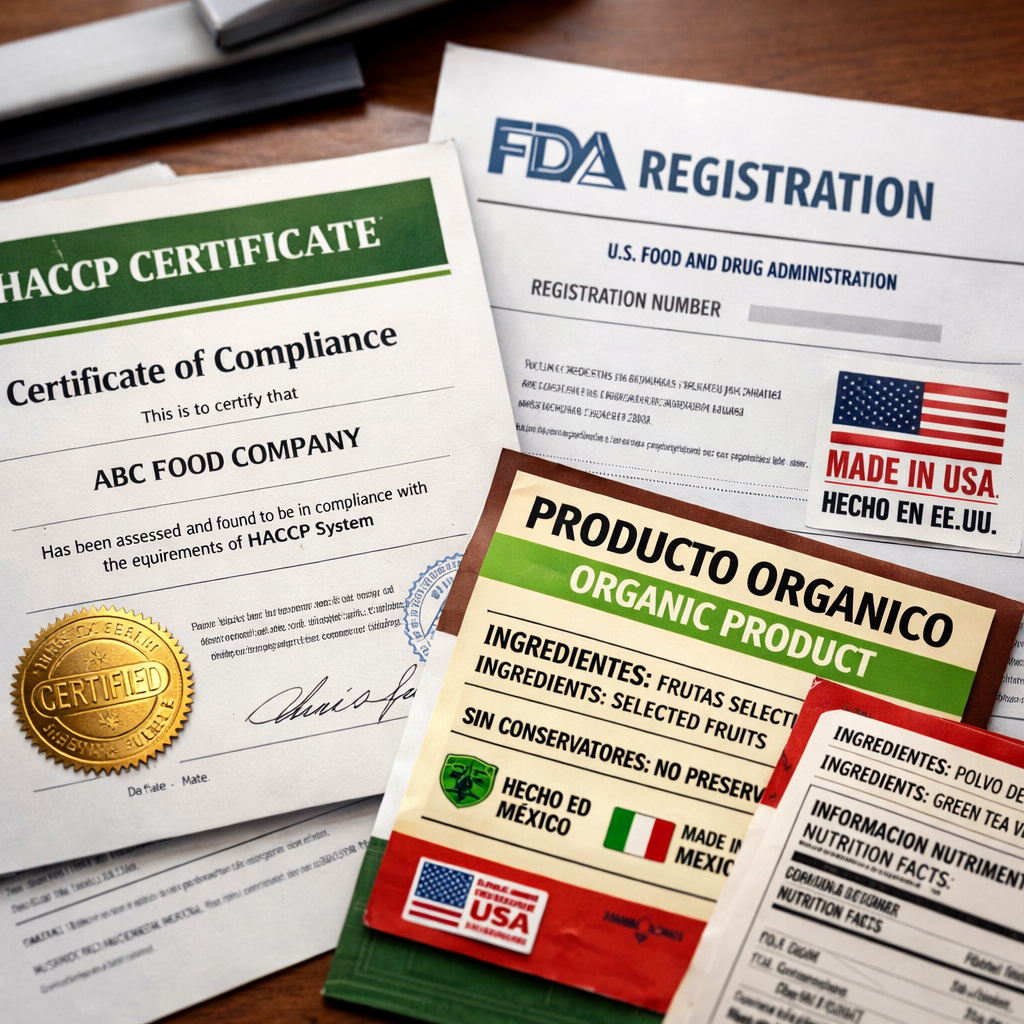
Every destination market operates under its own complex regulatory framework, and frozen dim sum faces particularly stringent scrutiny. The United States Food and Drug Administration (FDA) requires foreign food facilities to register under the Food Safety Modernization Act (FSMA), mandating detailed documentation of hazard analysis and preventive controls. Canada’s Food Inspection Agency (CFIA) enforces equally rigorous standards, requiring prior notification for all food imports and comprehensive labeling in both English and French.
European Union regulations add another layer of complexity. The General Food Law requires traceability documentation at every stage, while individual member states may impose additional requirements. A shipment of frozen dumplings destined for Germany must comply with EU regulations while also meeting German-specific labeling and nutritional information standards.
The Middle Eastern markets, particularly Gulf Cooperation Council countries, require Halal certification from recognized Islamic authorities. Even if your dim sum contains no pork, buyers expect official documentation confirming production processes meet Islamic dietary laws. In Japan, the Ministry of Health, Labour and Welfare mandates specific import procedures including health certificates and facility inspections. Australia’s Department of Agriculture, Fisheries and Forestry enforces strict biosecurity measures that many first-time exporters find overwhelming.
The challenge isn’t simply knowing these requirements exist—it’s understanding how to implement them before you invest in production, packaging, and shipping. We’ve seen manufacturers produce 10,000 kilograms of frozen dim sum only to discover their facility lacks the required FDA registration. The financial loss is immediate and devastating, but the reputational damage lasts longer.
The Certification Checklist That Separates Amateurs from Professionals
International buyers don’t just want good food—they want proof that your facility, processes, and products meet global standards. This is where most export deals encounter their first major obstacle.
HACCP (Hazard Analysis and Critical Control Points) certification forms the foundation of food safety compliance worldwide. This systematic approach identifies potential hazards in production and establishes control measures to prevent contamination. For frozen dim sum manufacturers, critical control points include raw material receiving, cooking temperatures, cooling processes, and storage conditions. Without documented HACCP protocols, gaining access to major international markets becomes virtually impossible.
Beyond HACCP, buyers increasingly expect certifications recognized by the Global Food Safety Initiative (GFSI). The most prominent include FSSC 22000, BRC Global Standards, and IFS Food. These comprehensive frameworks demonstrate that your entire operation—from supplier management to final product storage—adheres to international best practices. While obtaining these certifications requires significant investment in time and resources, they’ve become the price of entry for serious exporters targeting retail chains and institutional buyers.
ISO 22000 provides another internationally recognized standard that integrates food safety management throughout the supply chain. This certification signals to buyers that quality control isn’t an afterthought but a systematic organizational commitment. For frozen dim sum exporters, ISO 22000 certification covers everything from ingredient sourcing verification to temperature monitoring during production and storage.
But certifications alone won’t guarantee success. Proper labeling and documentation complete the compliance picture. Every market has specific requirements for ingredient lists, allergen declarations, nutritional information, production dates, and expiration dates. The language, format, and even font size of labels must conform to local regulations. We’ve seen entire shipments rejected because bilingual labeling used fonts that didn’t meet Canadian visibility standards.
Certificates of origin confirm production location and enable preferential tariff treatment under trade agreements. Health certificates issued by Chinese inspection authorities provide official attestation that products meet destination country requirements. Commercial invoices must accurately describe contents, quantities, and values. Packing lists need to match actual container contents precisely.
This documentation burden overwhelms many manufacturers who underestimate the administrative complexity of international trade. At Jade Premium, we’ve built specialized expertise in preparing compliant documentation packages that satisfy customs authorities and importers alike. Our team understands that a single missing document or minor labeling error can result in container detention, additional inspection fees, or outright rejection.
Cold Chain Integrity: Where Quality Lives or Dies
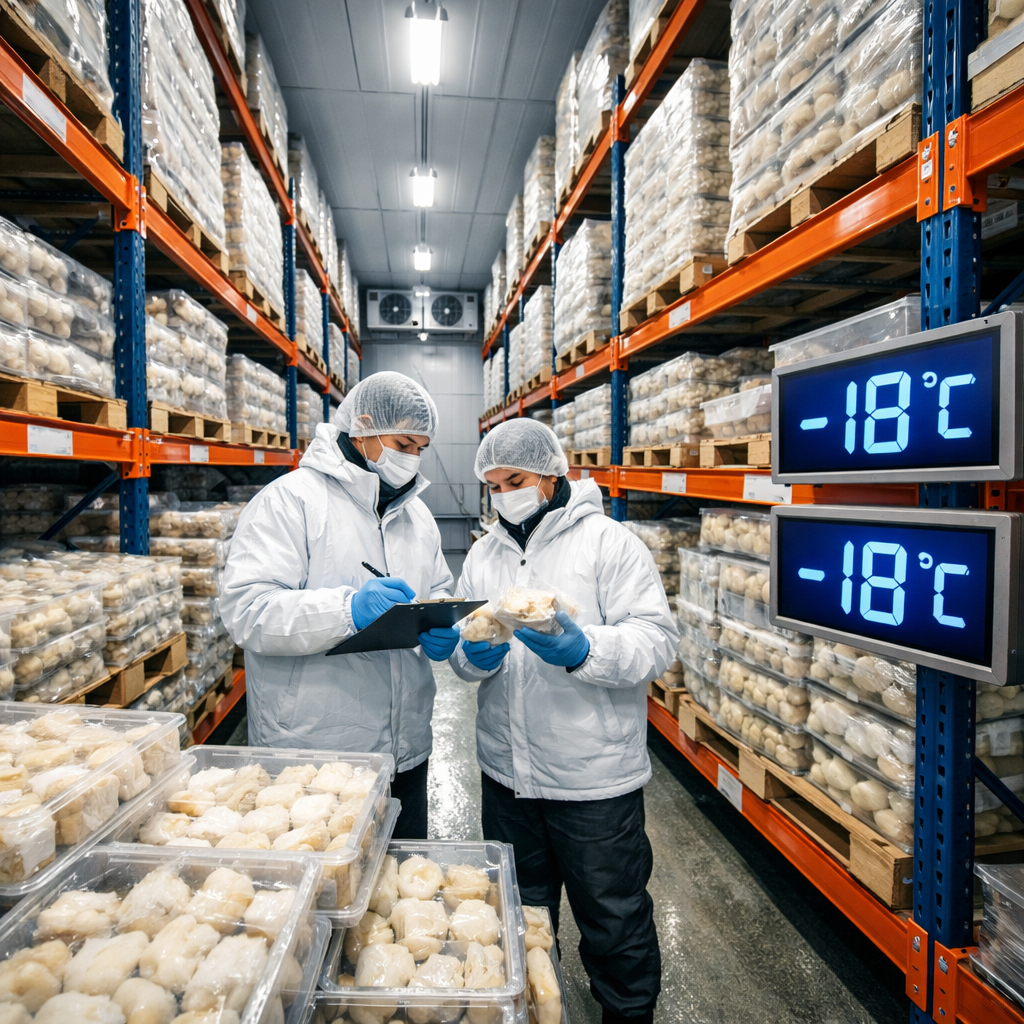
Temperature control represents perhaps the most critical—and most commonly mismanaged—aspect of frozen dim sum exports. A product that leaves your facility at perfect quality can arrive at destination completely compromised if cold chain integrity breaks down during transit.
The cold chain for frozen foods must maintain temperatures at or below -18°C (0°F) from production through final delivery. Demand for Asian frozen meals increased by 19% in 2023 alone, making proper temperature management more critical than ever. This seems straightforward until you consider the multiple handoffs involved in international shipping: factory freezer to transportation vehicle, vehicle to port warehouse, warehouse to container, container to vessel, vessel to destination port, port to distribution center, and finally to retail or food service customer.
Each transition point creates risk. We’ve investigated cases where frozen dim sum was properly stored at the factory but sat on loading docks for hours before refrigerated transport arrived. Others involved containers that experienced power failures during ocean transit. Temperature monitoring devices revealed that supposedly frozen products had partially thawed and refrozen, destroying texture and potentially creating food safety hazards.
Professional exporters implement comprehensive cold chain management systems. This starts with pre-cooling products to well below required temperatures before loading, providing a buffer against brief temperature fluctuations. Refrigerated transportation must use vehicles with reliable cooling systems and backup power options. At port facilities, products should move directly into temperature-controlled warehouses without exposure to ambient conditions.
Container selection matters enormously. Standard refrigerated containers (reefers) maintain set temperatures, but quality varies significantly between units. Experienced exporters specify container age limits and require pre-trip inspections to verify cooling system performance. Temperature monitoring devices installed inside containers provide real-time data throughout the voyage, enabling immediate response if problems develop.
Documentation of cold chain maintenance becomes part of the compliance package buyers expect. Temperature logs from every stage of transit demonstrate that products remained within specification throughout the journey. This documentation protects both exporter and importer if quality issues arise and helps identify exactly where problems occurred.
The Food and Agriculture Organization estimates that proper cold chain expansion could save over 475 million tons of food annually worldwide. For frozen dim sum exporters, cold chain excellence isn’t just about preventing waste—it’s about building a reputation for reliability that converts one-time buyers into long-term partners.
Meeting Buyer Expectations in an Increasingly Sophisticated Market
International buyers have evolved far beyond simply seeking “Chinese frozen food.” Today’s importers and distributors operate in highly competitive markets where consumers demand transparency, quality, and consistency. Understanding these evolving expectations separates successful exporters from those struggling to secure orders.
Retail chain buyers, particularly in Europe and North America, expect comprehensive product information that goes well beyond basic compliance. They want to know about ingredient sourcing, production processes, nutritional profiles, and even cultural context. A frozen dim sum supplier who can articulate the traditional preparation methods behind their products while demonstrating modern food safety practices stands out dramatically.
Food service operators—restaurants, hotels, and catering companies—prioritize consistency above all else. A chef in London needs absolute confidence that the har gow purchased in March will taste identical to the product ordered in September. This requires suppliers to maintain rigorous production standards, source ingredients from verified suppliers, and implement strict quality control at every stage.
Transparency has become non-negotiable. Buyers expect facility visit opportunities, want to meet production teams, and increasingly demand visibility into ingredient sourcing. The days when exporters could operate behind a veil of opacity have ended. Successful Chinese manufacturers now embrace transparency as a competitive advantage, recognizing that openness builds the trust necessary for long-term relationships.
Current market trends show growing demand for premium dim sum varieties that showcase regional specialties and artisanal production methods. International consumers are becoming more sophisticated, seeking authentic experiences rather than generic products. Exporters who can tell compelling stories about their products—highlighting traditional recipes, master chefs, or regional culinary heritage—capture attention in crowded markets.
Sustainability considerations increasingly influence purchasing decisions. Buyers want to understand packaging choices, waste management practices, and environmental impact of production processes. While price remains important, international importers increasingly recognize that the cheapest option often proves most expensive when quality problems, compliance issues, or reputational damage emerge.
The verified safety record matters tremendously. Buyers conduct extensive due diligence on potential suppliers, checking for regulatory violations, customer complaints, or quality incidents. A clean track record verified through third-party audits and certifications opens doors to larger orders and premium retail channels. Conversely, a single serious incident can effectively end export ambitions before they begin.
Strategic Risk Mitigation for Long-Term Success
Given the complexity and high failure rate in frozen dim sum exports, successful manufacturers adopt proactive strategies that minimize risk and build sustainable international business.
Regulatory mapping should occur before production decisions. This means thoroughly researching requirements for target markets, identifying necessary certifications, and understanding documentation needs. Investing time in regulatory research upfront prevents costly mistakes downstream. At Jade Premium, we provide detailed market entry analysis that helps manufacturers understand exactly what’s required for specific destinations.
Supplier verification extends beyond your own facility. International buyers expect comprehensive traceability, meaning you must verify that ingredient suppliers also meet appropriate standards. This includes conducting facility visits, reviewing certifications, and implementing ongoing monitoring systems. A contamination issue traced to a substandard ingredient supplier damages your reputation just as severely as problems in your own production.
Pilot programs allow testing of international markets before major commitments. Rather than immediately producing container loads for unknown buyers, start with smaller sample shipments that verify your processes work end-to-end. This approach identifies problems while stakes remain manageable and provides opportunities to refine procedures before scaling up.
Building relationships with experienced logistics partners dramatically increases success probability. Freight forwarders, customs brokers, and cold chain specialists who understand frozen food requirements can navigate complexities that overwhelm manufacturers trying to manage logistics independently. These partnerships cost money but prevent far more expensive mistakes.
Continuous improvement systems ensure that compliance and quality management evolve alongside changing requirements. International regulations don’t remain static—new rules emerge, existing requirements tighten, and buyer expectations continuously rise. Manufacturers who view compliance as a one-time checklist inevitably fall behind competitors who embrace continuous improvement.
Jade Premium’s Commitment to Your Export Success
At Jade Premium, we’ve built our reputation on bridging the gap between authentic Chinese food producers and international markets that crave their products. Our experience facilitating frozen dim sum exports has taught us that success requires far more than connecting buyers and sellers—it demands comprehensive support that addresses every challenge exporters face.
Our team provides end-to-end guidance through the regulatory maze, helping manufacturers obtain necessary certifications and prepare compliant documentation packages. We conduct supplier qualification verification, ensuring that your entire supply chain meets international standards. Our logistics optimization expertise guarantees that cold chain integrity remains unbroken from your facility to final destination.
We understand that you’ve perfected the art of making exceptional dim sum. Your expertise lies in crafting delicate wrappers, creating flavorful fillings, and preserving traditional recipes. Our expertise lies in ensuring that your products reach international tables with quality intact and all regulatory requirements satisfied.
The 80% failure rate in frozen dim sum exports doesn’t reflect product quality or market demand—it reflects the complexity of international food trade and the challenges of navigating unfamiliar regulatory landscapes. With the right partner guiding your journey, export success becomes not just possible but probable.
Bringing authentic Chinese cuisine to global tables requires more than delicious products. It demands systematic attention to compliance, unwavering commitment to quality, and deep understanding of international market requirements. For manufacturers ready to succeed in global markets, Jade Premium stands ready to transform export ambitions into sustainable international business relationships.
The world wants your dim sum. We ensure it arrives safely, legally, and ready to delight customers thousands of miles from where it was lovingly crafted.